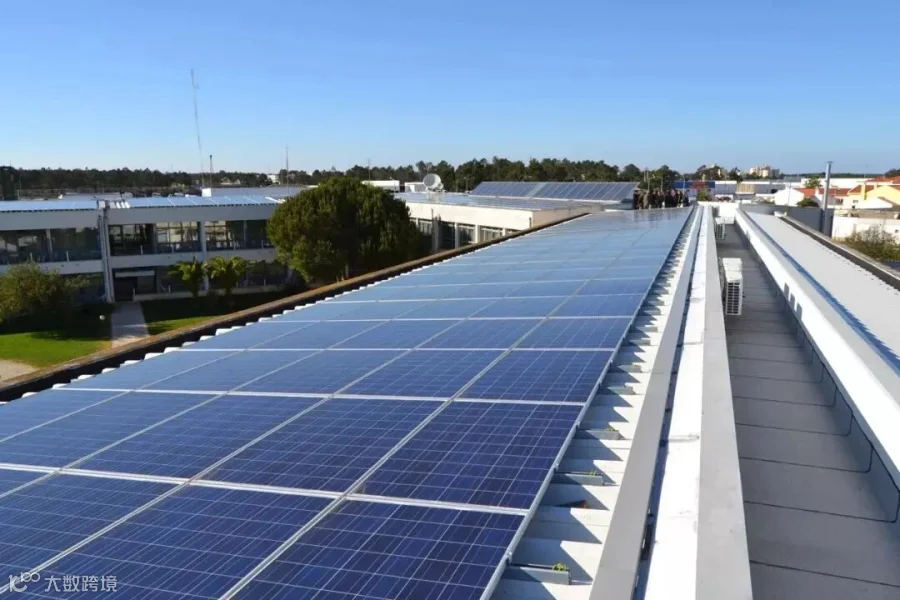
Photovoltaic power generation can be said to be a relatively common technology. In addition to some relatively large photovoltaic power stations and engineering projects, photovoltaic power generation has also entered ordinary households. Nowadays, the concept of photovoltaic building integration is becoming popular. Today we will discuss what exactly is photovoltaic building integration, what are the advantages of photovoltaic building integration, and what have we done in the field of BIPV.
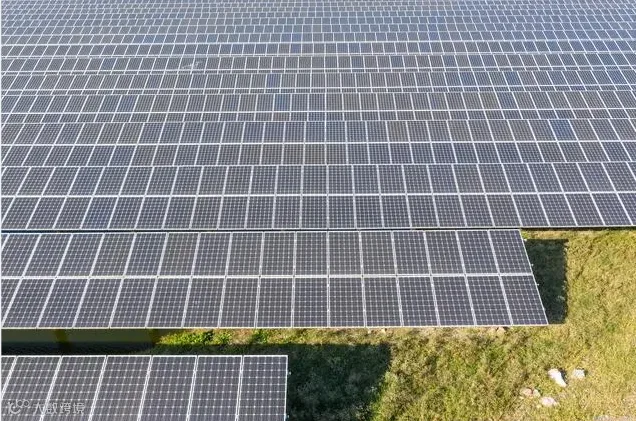
Photovoltaic building integration mainly includes two major categories, one is the combination of photovoltaic products and buildings, which simply means that the photovoltaic products are covered on the surface of the building but are two independent individuals; the other is the integration with buildings, which simply means that photovoltaic products are embedded in the building system and directly act as building materials.
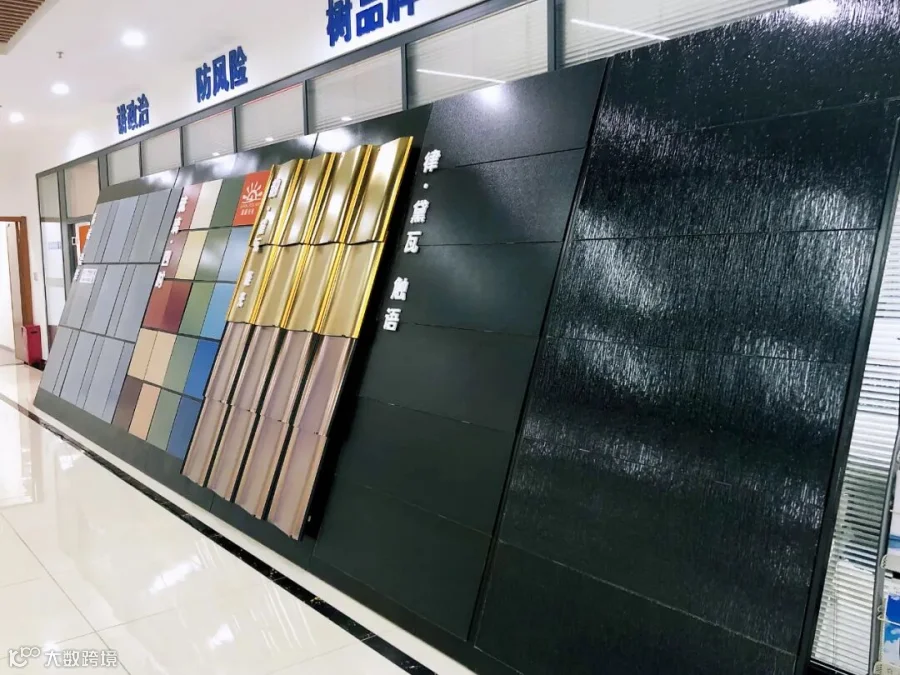
The integration of photovoltaics and buildings includes current photovoltaic tile roofs, photovoltaic curtain walls and photovoltaic daylighting roofs. Sangobuild is committed to the research and development and production of photovoltaic tile roofs. The current product series covers four models. In the future, we will also contribute to building energy conservation in the BIPV field!
The rapid development of BIPV is due to its advantages:
1. Green environmental protection
Photovoltaic building integration utilizes solar power generation, which is a green, clean renewable energy source, and the carbon emissions in the whole process from production to use are much lower than traditional energy sources, and will not pollute the ecological environment.
2. Self-sufficiency
Photovoltaic building integration can achieve energy self-sufficiency, which not only reduces losses caused during power transmission, but also improves the overall energy efficiency of the building, enables unlimited on-site power generation, maximizes power output efficiency, and ultimately can reduce the cost of solar power generation.
3. Does not take up space
Compared with traditional solar photovoltaic panels, BIPV systems do not require additional land area, but directly replace traditional building materials, making full use of the space on the outer surface of the building, making solar power generation possible for any building type.
From the perspective of the current development of the industry, the competition in the PV power generation industry is still very fierce. At the same time, the PV power generation modules of Chinese enterprises are generally lower than the international market price, with obvious competitive advantages. The global PV market is expanding, and the installed capacity of PV is growing rapidly. And China is currently the world's largest PV power generation market.