
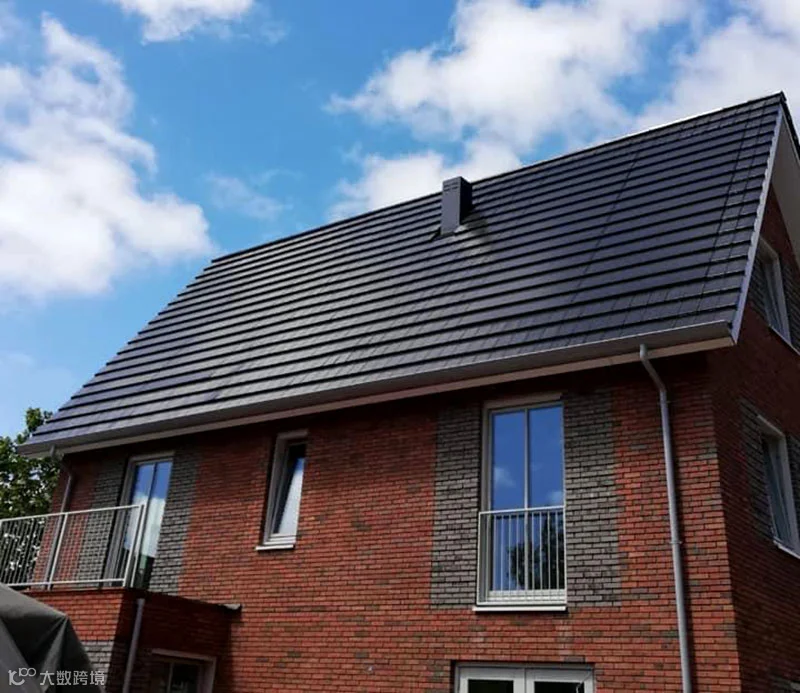
The BIPV concept is an important issue in the current implementation of green development, and BIPV technology is a technology that integrates solar photovoltaic products into buildings, and it is fundamentally based on buildings. Different building structures require different BIPV products. Current application cases mainly include the form of building materials such as roofs and facades.
In terms of application form, BIPV products can be divided into three types: building roofs, building facades and building attachments.
BIPV roof application is a synchronous integrated design of photovoltaic building materials products and roofs. Photovoltaic building materials are part of the roof structure and are indispensable. Building roofing is the most widely used field of BIPV products. Modern metal structure roofs and traditional tile roofs are both application areas of BIPV.
This kind of roof integrates photovoltaic modules and building materials. Removing photovoltaic modules will also affect the overall structure and function of the building roof. This is the difference between BIPV roofs and traditional distributed photovoltaic roofs.
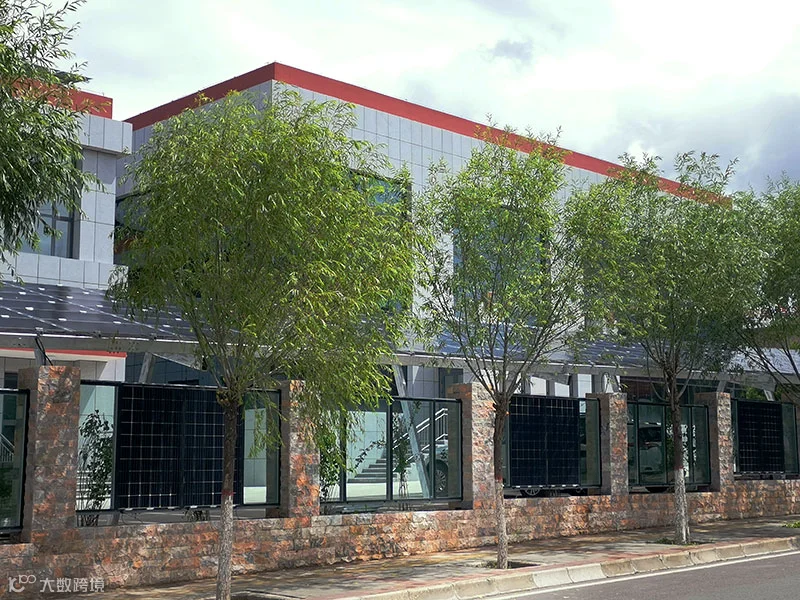
BIPV technology can not only be applied to roofs, but also to building facades, where photovoltaic building materials replace traditional building materials in building facades. Taking office buildings as an example, photovoltaic building materials can be used to directly replace traditional glass curtain walls, at the same time, it has both building materials and power generation functions.
If BIPV product is widely adopted, on the one hand, it can save building materials, and on the other hand, combined with the clean photovoltaic power generation function, it can minimize building carbon emissions and truly achieve building energy conservation.
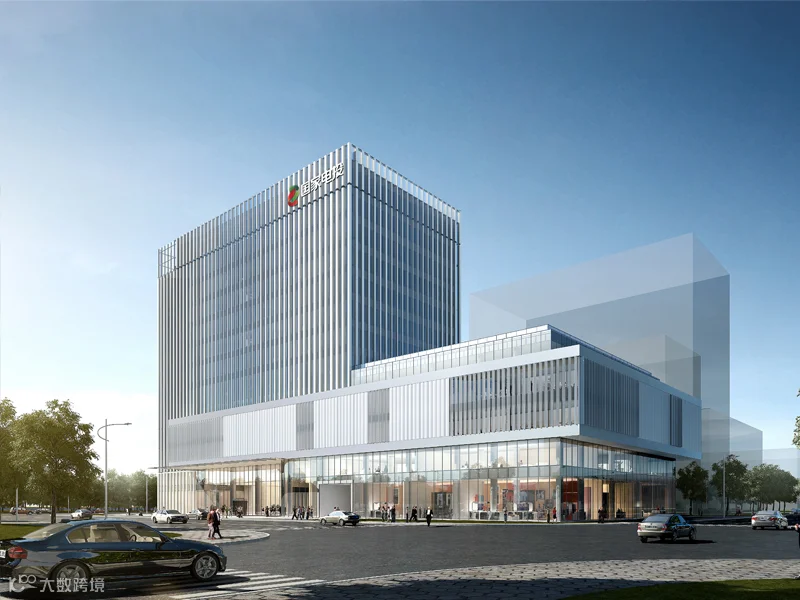
Building roofs and facades both belong to the application field of large-scale buildings. In addition, BIPV products can also be applied to building attachments and structures, such as roof tiles, sunshades, fences, car sheds, and even floor tiles, involving all aspects of life.
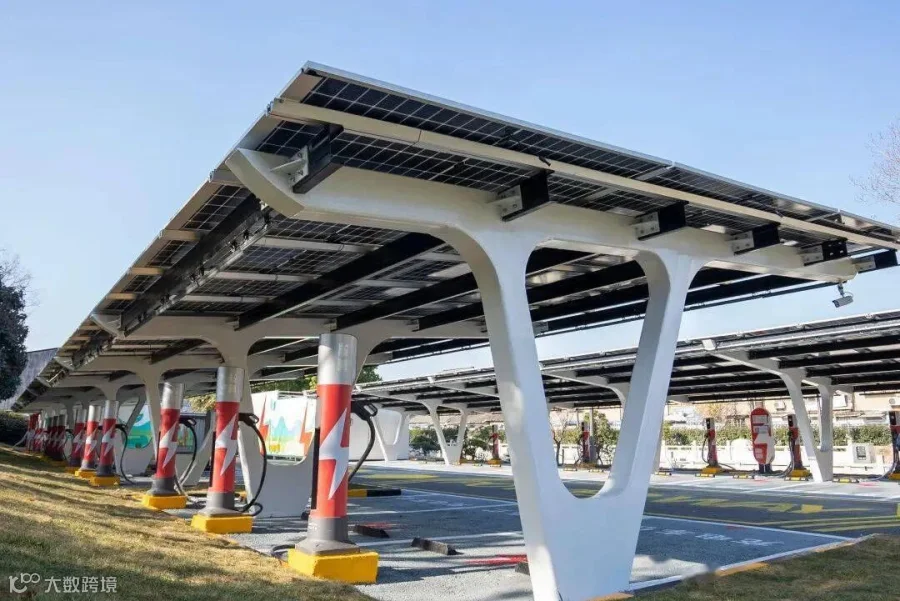
From this, it can be seen that BIPV has a wide range of applications and can penetrate into all aspects of people's lives. The integration of photovoltaic and building can effectively reduce building energy consumption and vigorously develop low-carbon and zero-carbon buildings, which has important practical significance for energy conservation, emission reduction, and environmental protection.
However, the development of the BIPV industry still faces a series of problems, which require the joint efforts of the industry to find breakthroughs, solve problems, and achieve large-scale development.