

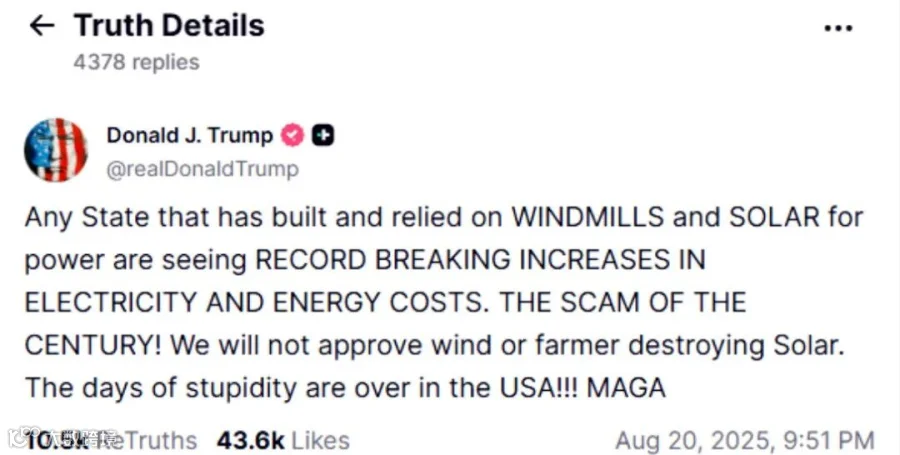
On August 20, 2025, U.S. President Donald Trump announced on the social media platform Truth Social that the U.S. government will not approve any wind or farmer destroying Solar, while also halting the use of panels made by foreign adversaries like China—even in regions experiencing power shortages.
His administration froze the $7 billion Solar for All program, a Biden-era initiative that sought to make solar power accessible to low-income Americans. The administration has also imposed strict new permitting requirements for wind farms, causing delays, permit freezes and outright project cancellations. High-profile casualties include Idaho’s Lava Ridge Wind Project and New Jersey’s Atlantic Shores development.
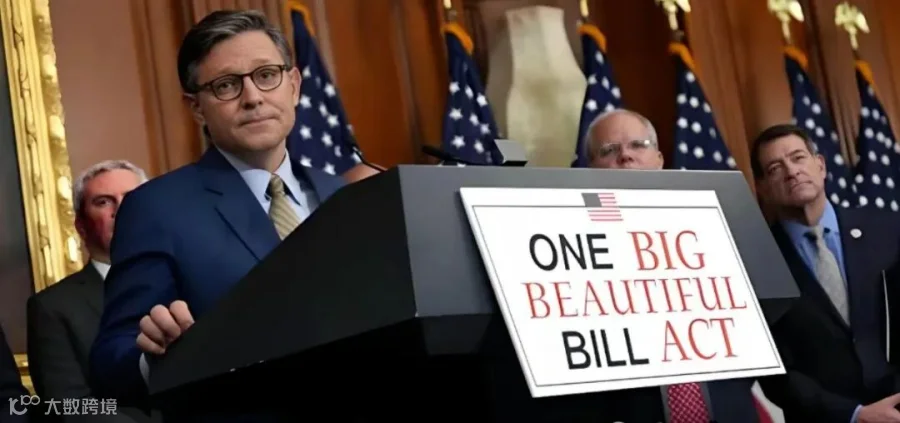
Trump’s renewable energy crackdown has already delivered devastating blows to the industry. On July 4, he signed into law the “One Big Beautiful Bill” that kills the popular 30% federal solar tax credit for homeowners. The newly enacted law gives Americans just months to install residential solar systems before losing thousands in tax breaks. Simultaneously, the bill establishes stringent limits on companies linked to "Foreign Entities of Concern" (FEOC), such as China and Russia. It requires that from 2026 onward, at least 40% of products for photovoltaic projects must come from non-FEOC manufacturers, increasing gradually to 60% by 2029.
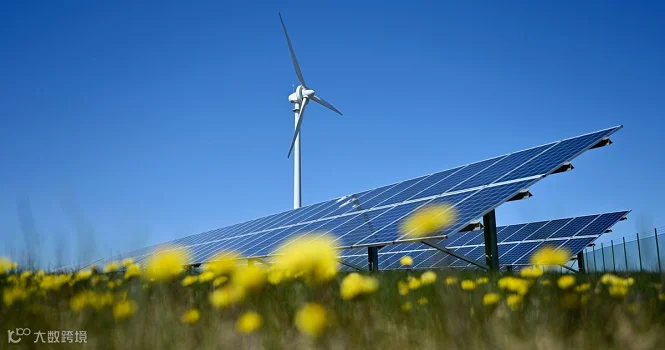
Due to previous harsh tariff conditions imposed by the U.S. on Chinese photovoltaic products, direct exports from China to the U.S. are extremely limited. In the first nine months of this year, Chinese exports of solar cells and photovoltaic modules to the U.S. accounted for only 0.5% and 0.3% of total export value, respectively. Therefore, from a direct export perspective, Trump’s comprehensive ban on wind and solar projects has limited impact on Chinese photovoltaic product sales to the U.S.
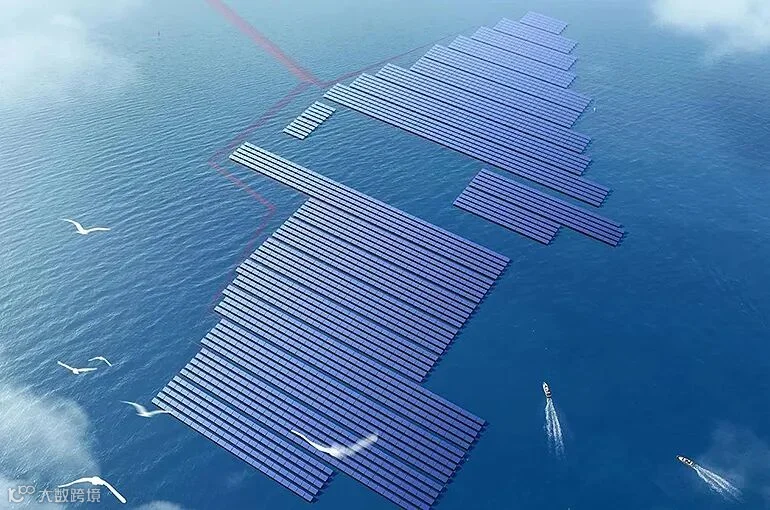
But BIPV solar tiles, as an important segment of distributed solar power, originally held certain development potential in the U.S. market. Previously, in U.S. distributed solar development plans, rooftop photovoltaics and other BIPV applications were key focus areas. However, the Trump administration’s new policy has significantly increased difficulties—or even caused stagnation—in the approval process for new construction projects utilizing BIPV solar tiles in the U.S. Planned projects may face cancellation or delays, severely hindering the expansion of BIPV photovoltaic tiles in the U.S. market and reducing business opportunities for related companies.
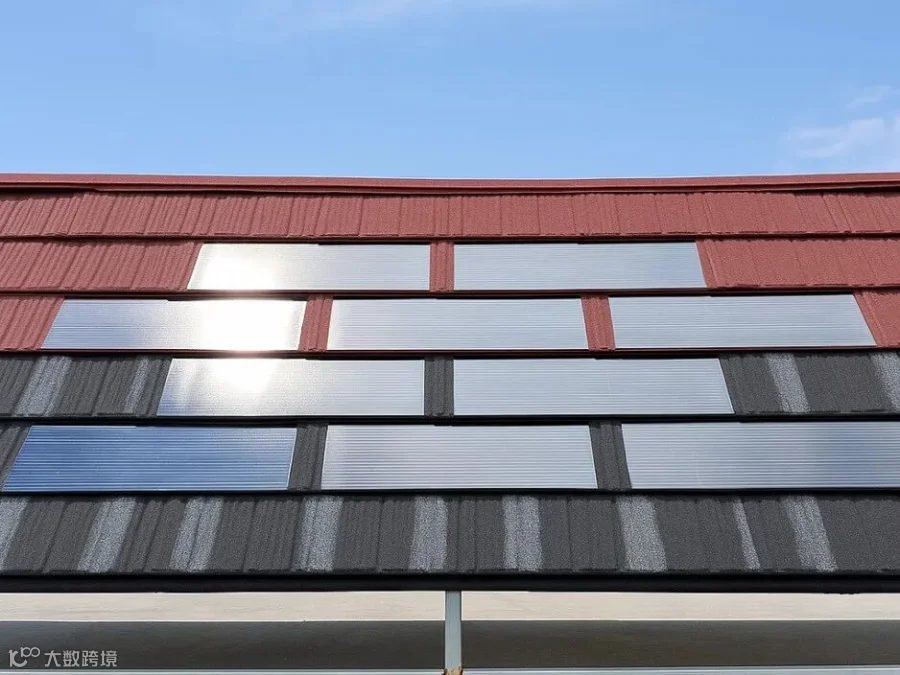

Trump’s ban on wind and solar projects has brought complex and far-reaching impacts on both the overall Chinese photovoltaic industry and the niche BIPV solar tile sector. Relevant companies must closely monitor policy dynamics, flexibly adjust strategic plans, and seek new development opportunities within the crisis.