
When it comes to photovoltaics, what is the fundamental difference between BIPV (Building-Integrated Photovoltaics) and traditional solar panels in terms of waterproofing? Today, we’ll break down exactly what makes the “seamless waterproofing and water-channeling structure” of BIPV solar roof tiles so effective.
I. The Waterproofing Challenge of Solar Panels: A Case of Band-Aid Solutions
Traditional solar panel installation, simply put, involves “erecting a frame on the roof and mounting the panels on it.” This method is not inherently designed for waterproofing, and the risk of roof leaks primarily stems from the following factors:
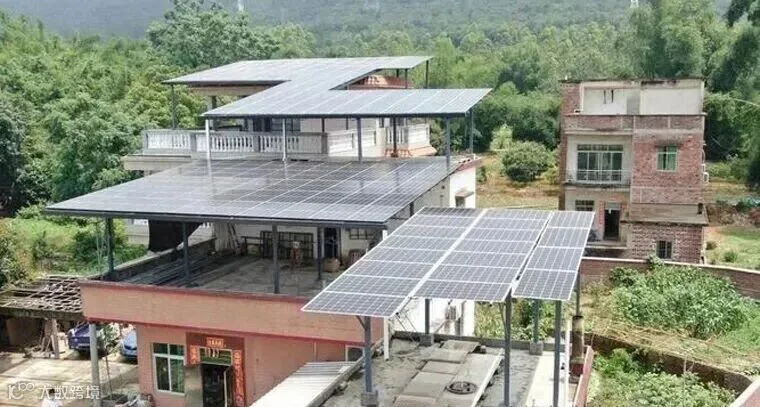
1. Risks Associated with Penetration-Based Installation
Traditional solar mounting systems require drilling holes in the roof for securing—whether using embedded bolts or chemical anchors—and each hole means the waterproofing layer is penetrated. Even if the holes are sealed, it is only a matter of time before the sealant ages and cracks due to prolonged exposure to wind and sun. Once the seal fails, the holes become pathways for water infiltration.
2. Relying on Sealants Rather Than Structural Waterproofing
The traditional approach to waterproofing photovoltaic panels essentially amounts to “patching”—sealing gaps wherever they appear. However, sealants have a limited lifespan and typically begin to age and crack after 5 to 10 years. Given that the operational lifespan of a photovoltaic power plant is 25 years, who is responsible for the resulting 15- to 20-year “waterproofing gap” during that period?
3. Secondary Damage Caused by Wind Loads
There is a gap between traditional solar panels and the roof. During high winds, airflow creates negative pressure in this gap, causing the panels to shake. This shaking repeatedly strains the mounting points, gradually compromising the surrounding waterproofing layer. In extreme cases, the entire system may even be blown off the roof.
4. Mismatch in Service Life Between Buildings and Solar Panels
In China, the warranty period for building waterproofing membranes is typically only five years, whereas the design life of a solar power plant is 25 years. This means that for the majority of a solar power plant’s operational lifespan, the original building’s waterproofing membrane will have long since failed. Traditional solar installations do not provide the building with new waterproofing capabilities; instead, they create additional points of vulnerability on top of the existing waterproofing membrane.
II. The Waterproofing Approach for BIPV Solar Tiles: From “Overlaying” to “Replacing”
The concept behind BIPV solar roof tiles is entirely different—rather than simply “layering” an additional layer on top of the roof, it directly “replaces” the existing roofing material.
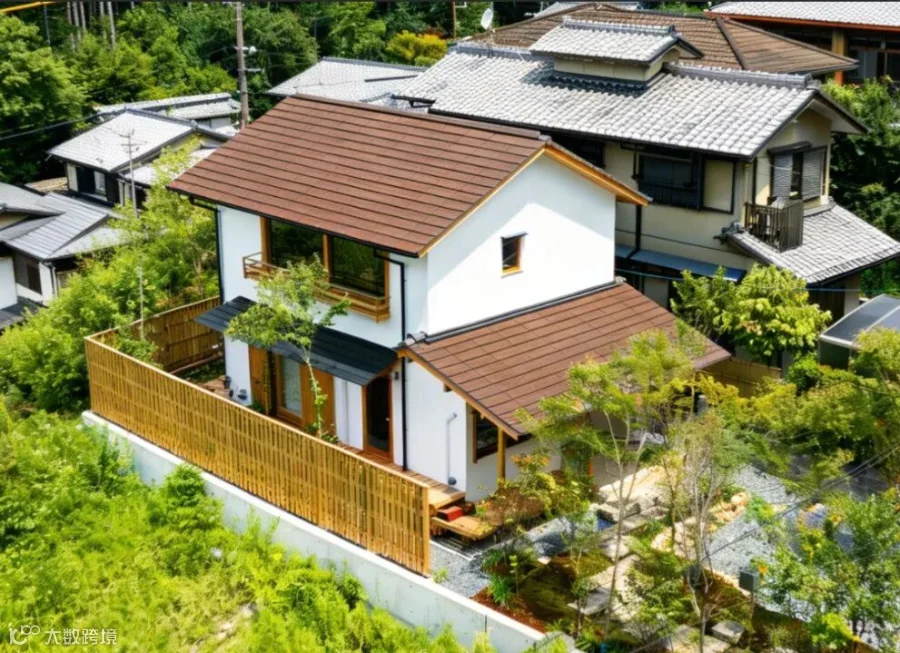
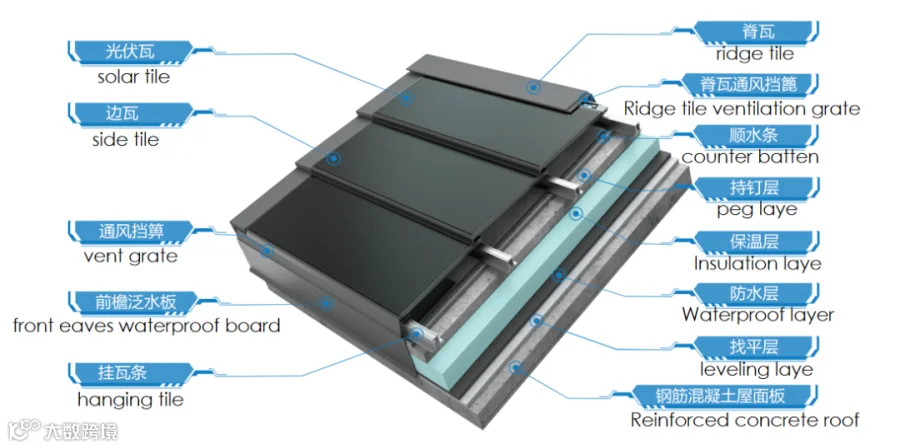
1. Structural Waterproofing Design: No Sealant Required—Relying on the Structure
High-quality solar roof tile products utilize a structural waterproofing design rather than relying solely on sealants. Take Sangobuild’s solar roof tiles as an example: their unique structural waterproofing design effectively ensures the integrity of the building’s roofing system and eliminates the risk of leaks often associated with traditional photovoltaic installations.
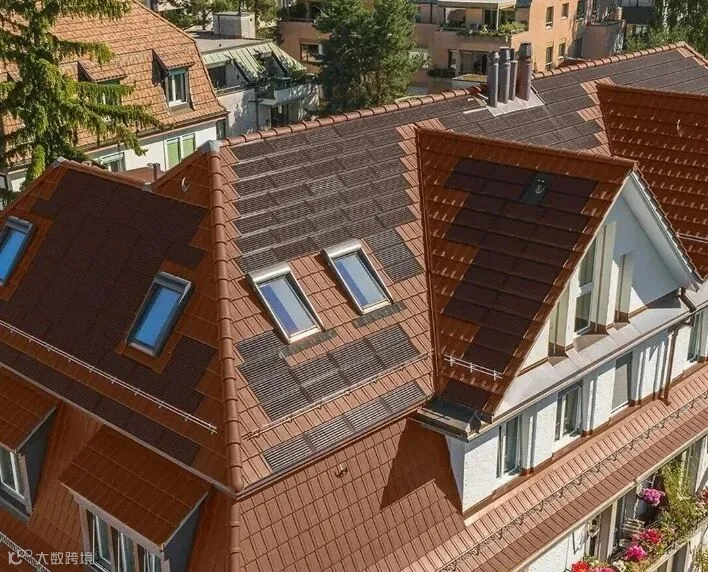
What is structural waterproofing?
Simply put, it uses physical structures to prevent water from draining away or seeping in.
Drainage Channel Design:
Solar roof tiles are designed to overlap vertically and interlock horizontally, creating a continuous drainage channel. When rain falls on the roof surface, it flows smoothly along the designated path rather than pooling in the gaps.
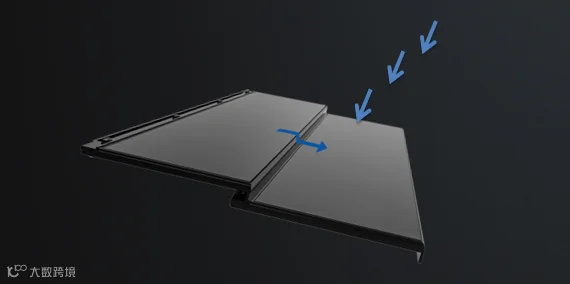
Water-Flowing Design:
During installation, follow the principle of “upper tiles overlapping lower tiles and side tiles overlapping adjacent tiles” to ensure that each tile guides water flow rather than blocking it.
Longitudinal and Transverse Overlapping:
This design employs a longitudinal and transverse overlapping pattern similar to traditional roof tiles, utilizing gravity for natural drainage and preventing rainwater from flowing back.
2. The Roofing Philosophy of “Prioritizing Drainage While Integrating Waterproofing and Drainage”
The waterproofing design of photovoltaic tiles adheres to the core principle of roofing engineering: “Prioritizing drainage while integrating waterproofing and drainage.”
The essence of this philosophy is that water cannot be completely contained; rather than attempting to seal every gap, it is better to allow it to flow along a designed path. Solar roof tiles use a precise interlocking structure to guide water into drainage channels, which then feed into the roof drainage system. Only when the drainage path is obstructed does the structural waterproofing layer provide a secondary line of defense.
3. Building-grade quality, designed to last as long as the building itself
Traditional photovoltaic modules are “power generation equipment,” whereas solar roof tiles are first and foremost “building materials.”
Solar roof tiles must comply with mandatory building material certification standards and possess exceptional quality that matches the lifespan of the building. This means their performance in weather resistance, anti-aging properties, and wind uplift resistance has undergone rigorous testing, enabling them to withstand the rigors of extreme weather. According to testing, Sangobuild solar roof tiles can withstand Category 15 winds and have a service life of up to 50 years, aligning closely with the operational lifecycle of commercial buildings.
4. Integrated Installation, Minimizing Points of Disruption
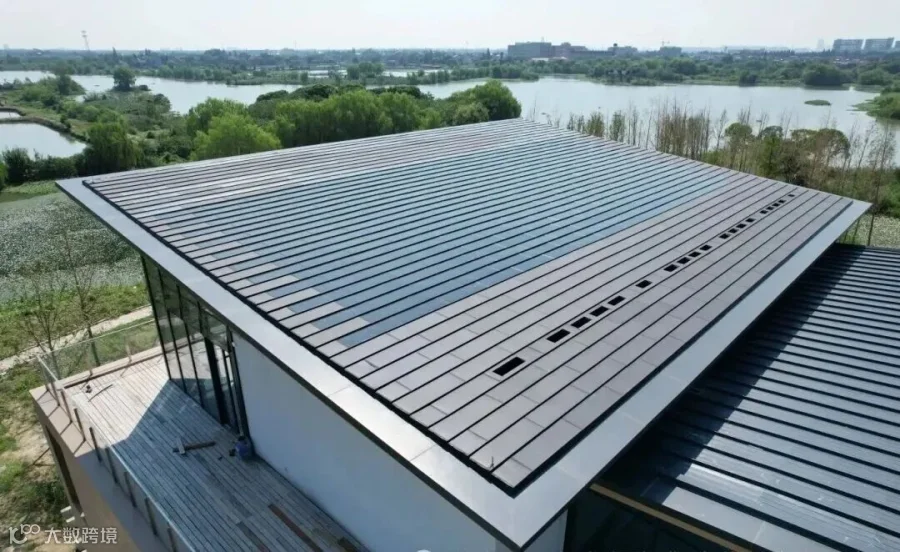
Traditional solar panel installation requires drilling multiple holes in the roof, whereas solar roof tiles are installed either flush with the roof slope or suspended above it, matching the dimensions of standard roof tiles. Installation requires work only at key junctions, significantly reducing the number of points where the waterproofing layer is compromised.
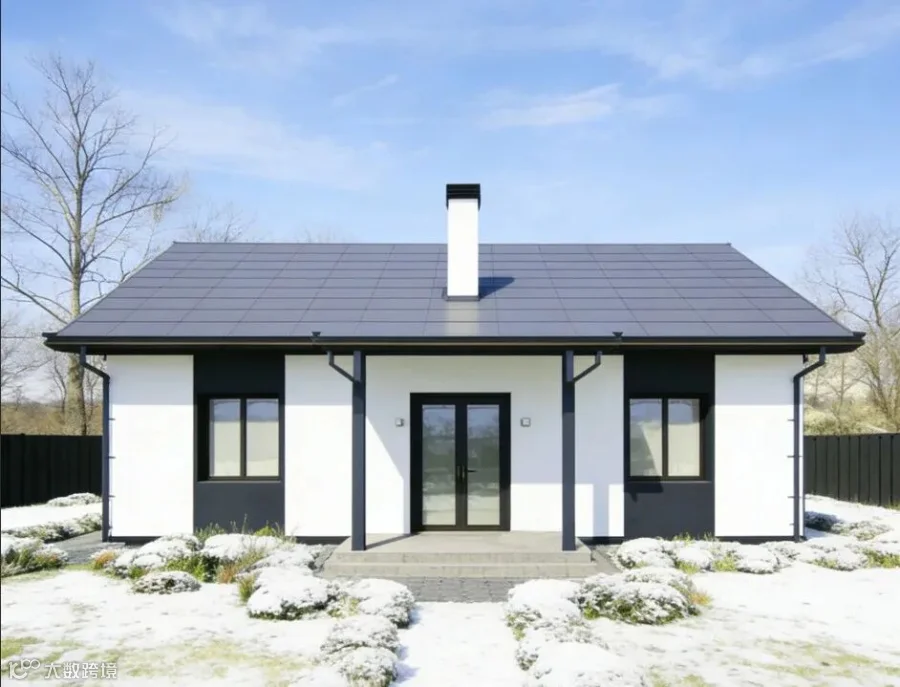
Sangobuild’s solar roof tiles achieve up to 90% roof coverage, effectively ensuring both the roof’s waterproofing integrity and high-efficiency power generation.
So, returning to the original question: Compared to traditional photovoltaic systems, what exactly are the advantages of BIPV solar roof tiles’ seamless waterproofing and water-draining structure?
The answer can be summarized in three points:
First, the logic is different.
Traditional photovoltaic panels are “added on top,” while BIPV is a “replacement.” The former introduces a point of failure on top of the existing waterproofing layer, whereas the latter becomes an integral part of the roofing system and assumes the waterproofing function.
Second, the underlying principles differ.
Traditional PV systems rely on sealant for waterproofing, while BIPV systems rely on structural water drainage. Sealant ages over time, but the structure does not.
Third, lifespan alignment.
Traditional PV systems have a “gap” of more than 20 years compared to building waterproofing, whereas BIPV solar roof tiles have the same lifespan as the building itself—a single installation provides 30 years of worry-free service.
Solar power is meant to make life more convenient and contribute to environmental protection—not to cause headaches. Choosing the right solution and ensuring your roof doesn’t leak is the first step toward a successful solar power system.