

Recently, the central government has continued to advance the development of special protection zones for traditional villages. It has announced that from 2026 to 2028, the central government will allocate subsidies to support the preservation and restoration of traditional villages, the revitalization of their architectural character, and the preservation of their cultural heritage. Adhering to the principle of “prioritizing protection, grounding efforts in utilization, and centering on cultural transmission,” the initiative aims to prevent large-scale demolition and construction, preserve the authentic rural character, and enable these ancient villages to thrive anew in the modern era.
Blue-gray bricks and black tiles exude an ancient charm, with every brick and tile evoking a sense of nostalgia. Bricks and tiles are the materials that best embody the unique character of traditional architecture. So how can we restore these structures without compromising their original appearance? New antique-style roof tiles provide the perfect solution.
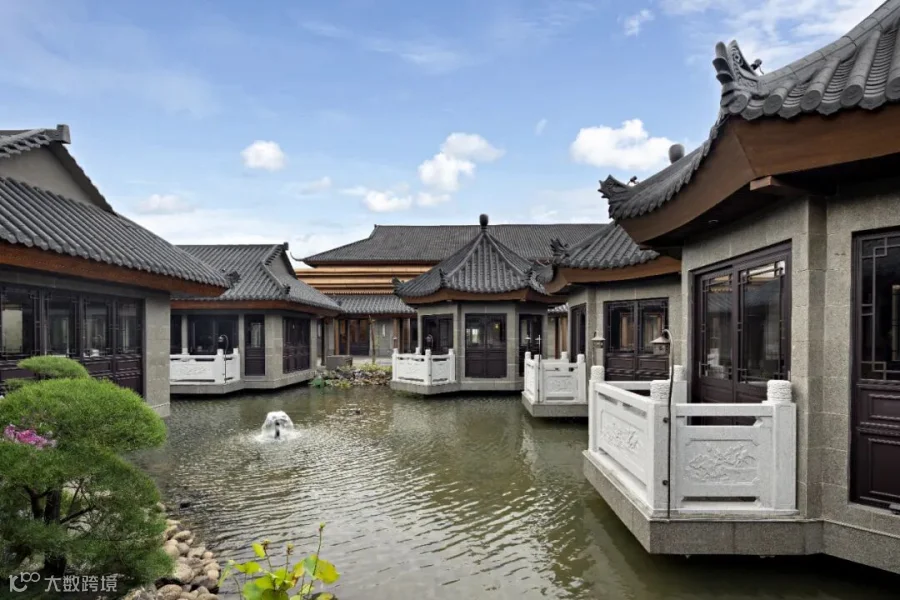
As a company with deep roots in the roofing tile industry, we fully understand that preserving traditional villages requires not only safeguarding their physical integrity—by retaining their architectural character, layout, and distinctive elements—but also keeping their spirit alive by passing down agricultural traditions, folk culture, and traditional building techniques.
Roof tiles, serving as the “outer garment” of traditional architecture, are not only central to the architectural character but also crucial for protecting the structure itself; their selection directly affects the effectiveness and longevity of the preservation of historic villages.
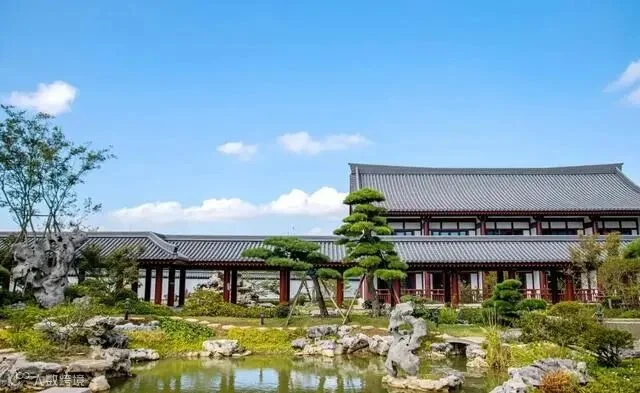
Central government subsidies primarily support efforts such as the preservation and restoration of traditional buildings and the revitalization of historic districts. These funds require that the restoration process adhere to the “Three No's” principle—no excessive restoration, no demolition of authentic structures to build replicas, and no substitution of inferior materials—to ensure the integrity of the buildings' exterior appearance, the authenticity of their historical elements, and their structural safety.
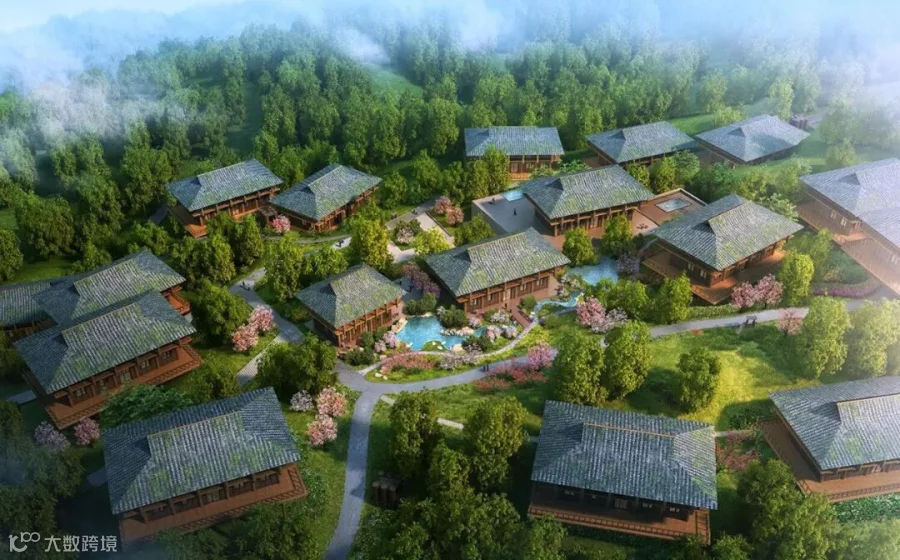
In traditional villages, historic buildings typically use clay tiles as the primary roofing material, embodying the memories of generations and reflecting local cultural characteristics. However, after years of exposure to wind and rain, traditional tiles are prone to cracking, leaks, moss growth, and fading. These issues not only compromise the integrity of the historic village’s appearance but also damage the building’s structural integrity and shorten its lifespan, falling short of the policy requirements for “long-term preservation and livability.”
Sangobuild specializes in the research, development, and production of roofing tiles. Its high-polymer antique-style tiles are designed in strict accordance with the policy requirements for the construction of traditional village conservation areas. They perfectly replicate the antique texture and charm of traditional tiles while leveraging modern technology to overcome many of the shortcomings associated with traditional tiles, making them the ideal solution for the preservation and restoration of historic villages.
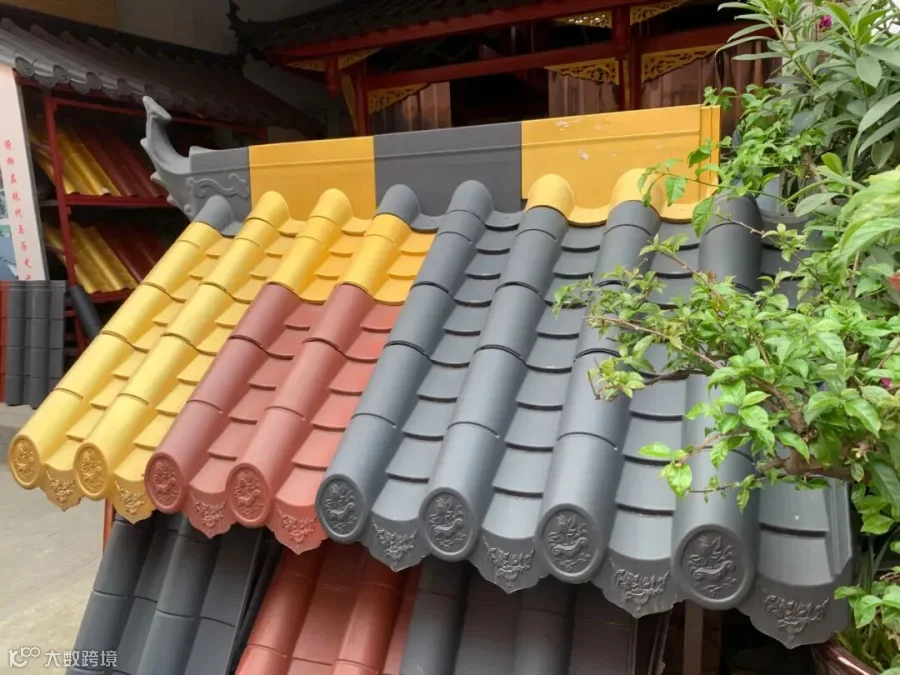
Policies clearly stipulate that the restoration of traditional buildings must preserve their architectural character and intrinsic value, while maintaining regional distinctiveness. Sangobuild’s antique-style roof tiles strictly adhere to the principle of “restoring the old to its original state,” precisely replicating the shape, color, and texture of traditional clay tiles. Whether it is the warm, deep-gray hue, the curvature of the tiles, or the patterns created by their joints, they are indistinguishable from traditional tiles. This approach ensures that the original charm of the buildings remains intact, thereby preserving the “memory” of the ancient village.
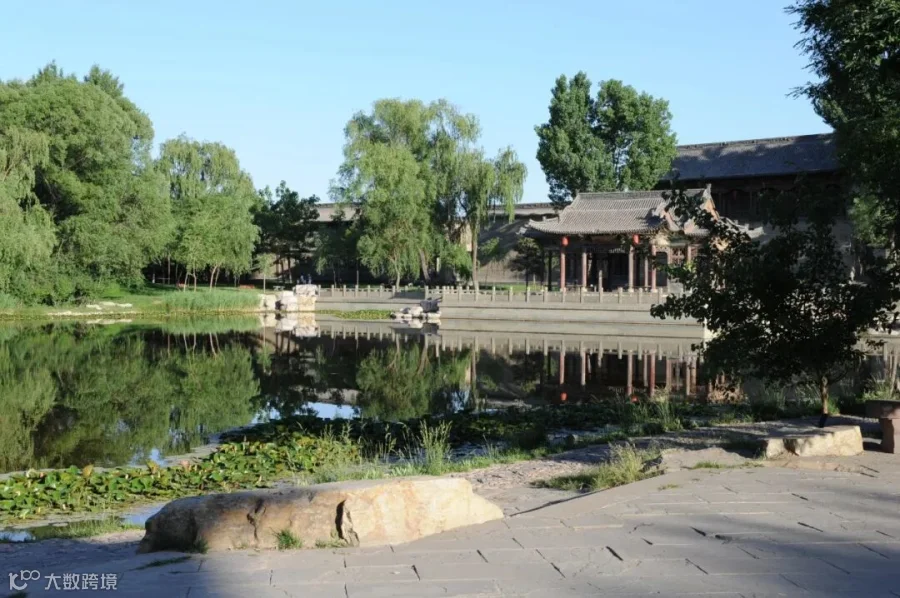
At the same time, we can customize tile shapes and colors based on the architectural characteristics of traditional villages in different regions, ensuring they complement the architectural styles of areas such as southern water towns and northern ancient villages. This approach aligns with the policy requirement to “highlight regional characteristics and avoid uniformity,” allowing each ancient village to preserve its own unique architectural identity.
Traditional clay tiles have drawbacks such as fragility, high water absorption, susceptibility to fading, and poor wind resistance. Over time, they are prone to problems like leaks, rot, and detachment, which not only increase maintenance costs but also fail to meet policy requirements for “structural safety and long-term protection.”
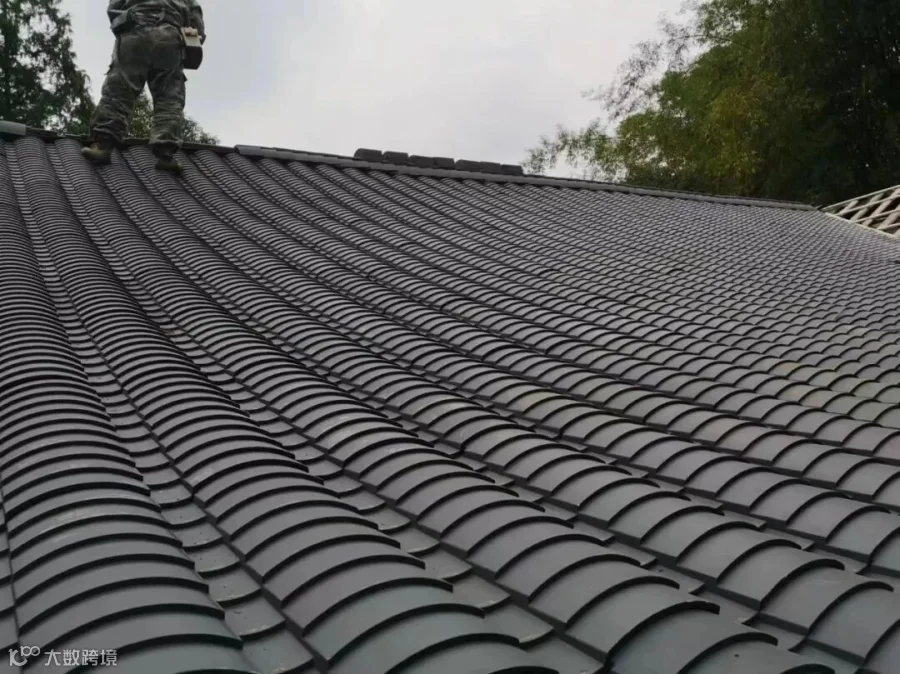
Weather Resistance and Durability: Resistant to high and low temperatures, acids, and alkalis, as well as hail, these tiles are suitable for extreme climates across various regions. With a water absorption rate approaching 0%, they eliminate issues such as leaks, moss growth, and mold, reducing the need for routine maintenance and repeated repairs. This aligns with the policy objective of “structural safety and long-term protection.”