
The RMB vs. USD Exchange Rate Hit the 6.3 Mark, and the Ruble Plummeted by 30%! Foreign Trade Operators Shall Grasp These Hedging Measures Immediately!
Affected by the situation in Russia and Ukraine in the past few days, the exchange rate, raw materials and other key factors affecting the cost of foreign trade have fluctuated violently. How should foreign trade operators respond to head-off risks?
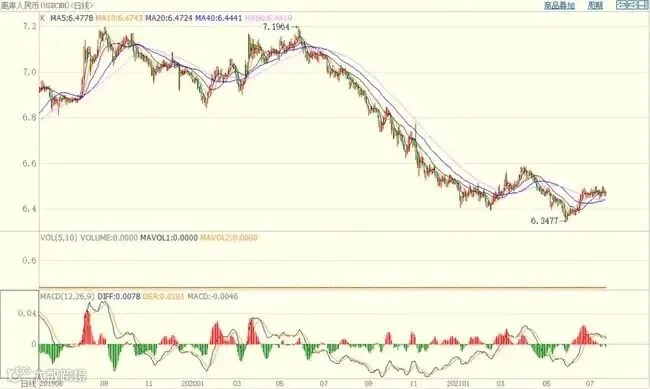
The RMB vs. USD exchange rate hit the 6.3 mark! Looking back on the first trading day of this year, the middle rate of the RMB against the U.S. dollar was 6.3794. On March 1, the middle rate of the RMB was quoted at 6.3014 yuan per U.S. dollar, hitting a new high in the past three and a half years and reaching an increase of more than 700 basis points from the beginning of the year.
In the first two months of 2022, as of 18:00 on February 28, the RMB onshore is quoted at 6.3074 against the US dollar, with an increase of 1.03% during the year. The exchange rate of the RMB offshore against the U.S. dollar hit an intraday high of 6.3089 and a low of 6.3275, with an increase of 0.86% during the year.
After the Spring Festival, the profits was evaporated by a point. This trend has made many foreign trade operators unhappy but helpless. We may have the question: When the USDX rose to 96 (a new high since July 2020), why didn’t the RMB drop? The international situation has changed abruptly. Various currencies, from the EUR to the KRW, have plummeted. Why is the RMB still at the highest point in recent four years?
01
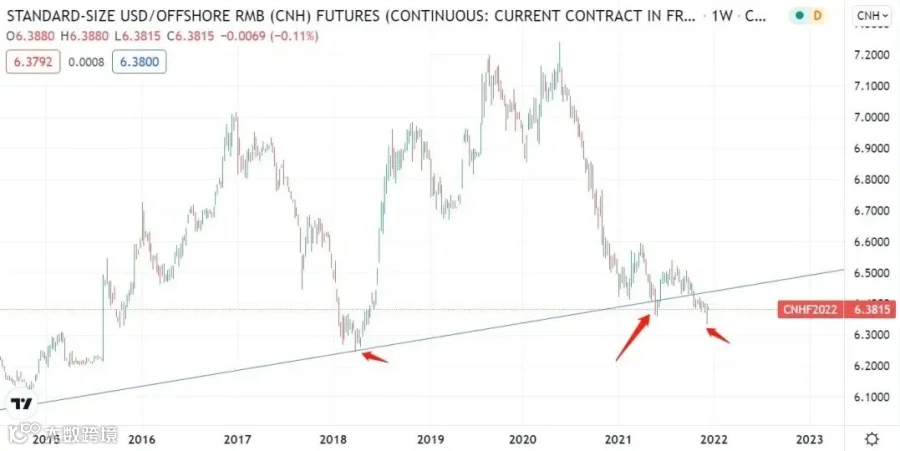
This is because, first of all, since the second half of last year, especially the fourth quarter, there has been a rare divergence between the RMB vs. USD exchange rate and the USDX. With the strengthening of the USDX, while the RMB manifests stronger performance than the US dollar.
02
Secondly, under the current situation, the hedging function of traditional safe-haven currencies such as the EUR was weakened, and the market has begun to look for new safe-haven assets. Benefiting from China's stable social development environment, prudent fiscal and monetary policies and high ROA, RMB assets are increasingly favored by international investors, and its exchange rate is gradually rising.

●
In the short term, the "safe haven" attribute of RMB assets and the exchange settlement and surrendering needs of exporters are expected to support RMB exchange rate to remain strong.
●
Han Fuling, a finance professor at the Central University of Finance and Economics, pointed out that in 2021, China's export growth rate reached a historical high, and the growth rate of foreign trade may slow down in 2022. Affected by related factors, he predicted that after the exchange rate of RMB against the US dollar recently reached a high point, it will be relatively stable in the future, and fluctuate in both directions, with normal ups and downs.
●
The ruble plummeted by 30%! Since the outbreak of the Russian-Ukrainian conflict on February 24, the Russian ruble has faced its "downs and downs".
1
2.24
On February 24, the exchange rate of the Russian ruble against the US dollar fell to 1:86, the lowest since January 2016. The ruble fell to 1:99.99 against the euro, the lowest since December 2014.
2
2.28
But this is just a beginning. At 15:30 pm on February 28(Beijing time), the exchange rate of the ruble against the US dollar fell to 109 rubles per US dollar, with a drop of more than 30%, which far exceeded the important psychological threshold of 1 US dollar against 100 rubles and set a new historical record.
2
2.24
On February 24, the exchange rate of the Russian ruble against the US dollar fell to 1:86, the lowest since January 2016. The ruble fell to 1:99.99 against the euro, the lowest since December 2014.
On February 28, the Central Bank of Russia raised its benchmark interest rate from 9.5% to 20%. The statement issued by the Russian Central Bank said that the external environment of the Russian economy has undergone tremendous changes, and the up-regulation in key interest rate is aimed at maintaining financial and price stability and protecting citizens' savings from currency depreciation. The dollar against the ruble fell after the Russian central bank raised interest rates, reaching 94.6 at the latest closing, with a 13% retracement.
But Russian residents have already started queuing at ATMs to withdraw foreign currency in case the ruble continues to plummet.
3
2.27
At present, in Russia, as of February 27, the prices of daily foods such as bread, eggs, and milk in large supermarket chains have not fluctuated significantly, but the pricing and sales of high-priced goods such as home appliances, mobile phones, and automobiles have all been affected by the depreciation of the ruble. Many International students in Russia have been working part-time as luxury shopping agents on social media platforms.
Many European and American countries have excluded some Russian banks from the SWIFT payment system, which means that they are cut off from the global banking system. These banks will not be able to receive and pay across borders, which will affect international trade.
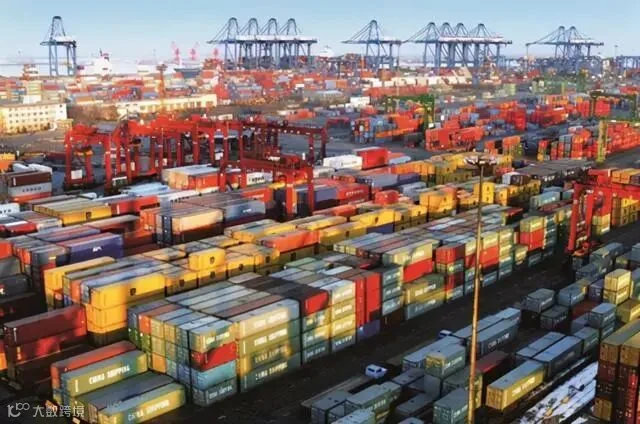
How can foreign trade operators head off risks? At present, the risks faced by our foreign trade industry mainly lie in three aspects:
Russia's aluminum production accounts for about 6% of the world's, and nickel production accounts for about 7% of the world's. The tense situation has increased the supply risk in the market, and the prices of aluminum and nickel have risen sharply, leading to an increase in corporate costs.
Exchange rate fluctuations are intensified, and costs are difficult to calculate.
The operation of some Eastern European companies is affected by the situation and exchange rate, and the risk of collection of Chinese suppliers is increased.
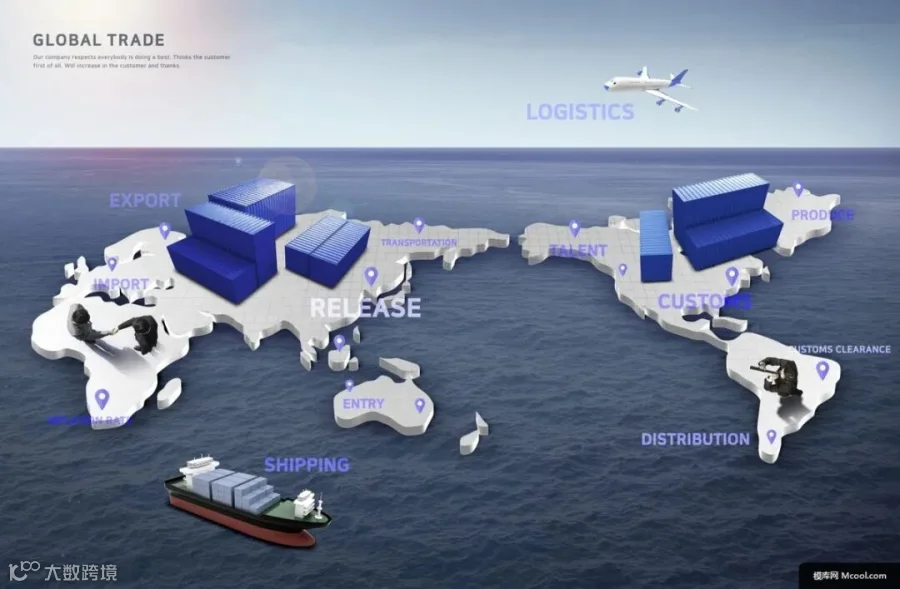
We should prepare immediately in the following areas:
01
Exchange rate risk control. Understand the internal logic of exchange rate fluctuations of RMB, USD and EUR. Reasonably respond to fluctuations in the RMB exchange rate to prevent engulfing profits.
02
Receipt Security Control. After Russian was cut off from the SWIFT payment system, we should respond carefully to the payment term and OA payment period when dealing with orders from Russian clients. Solutions to foreign trade with Russian clients should be made; payment from Eastern European countries should also be alerted.
03
Raw material cost control. It is recommended to start material preparation as soon as possible.