


Water is virtually everywhere, from soil moisture and ice-caps to the cells inside our own bodies. On a normal, day-to-day basis, maintaining a well-hydrated system is easy to manage for those of us fortunate enough to have access to clean drinking water. So what role does water play in our bodies, and how much do we actually need to drink to stay healthy?

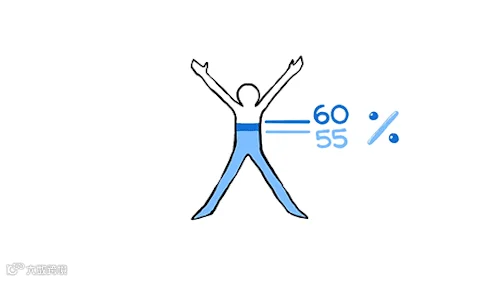
Depending on factors like location, fat index, age and sex, the average human is between 55 and 60% water.


At birth, human babies are even wetter – being 75% water they are swimmingly similar to fish - but their water composition drops to 65% by their first birthday.

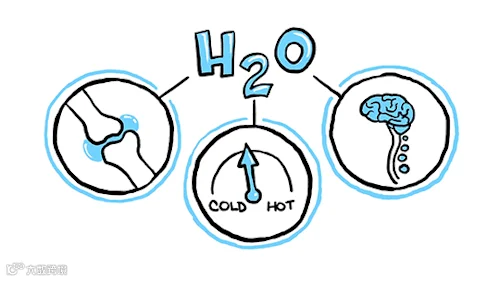
The H2O in our bodies works to cushion and lubricate joints, regulate temperature and to nourish the brain and spinal cord.

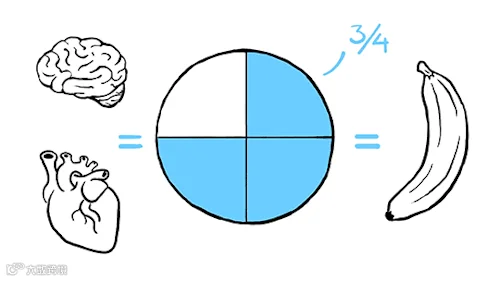
Water isn’t only in our blood: an adult’s brain and heart are almost three-quarters water - that’s roughly equivalent to the amount of moisture in a banana.

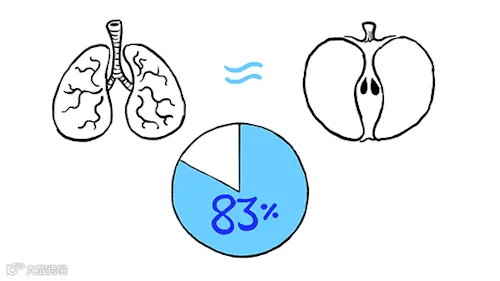
Lungs are 83% water, which is roughly the amount of moisture in an apple.


Even seemingly dry human bones are 31% water.


Each day we lose 2 to 3 liters through our sweat, urine and bowel movements, and even just from breathing. While these functions are essential to our survival, we need to compensate for the fluid loss.
The relationship between water and body is so close that only clean water can keep us healthy.

JOMOO faucet use premium silicon brass, implementing stricter lead content restriction than American NSF standard. It discards traditional lead-washing technology, reducing the lead content at source. In addition, it is anti-corrosion and effectively stops germs from breeding, offering you and your family healthy water!
Enjoy the clean water, enjoy your healthy life!
Source: TED-Ed Lesson
Animation by Chris Bishop