
Some things have an obvious invention history.
The lockable cookie jar, for example: it’s the perfect way to keep the cookie monster in your family from decimating the stash before anyone else can get to it. Or a small tracking device meant to attach to your luggage to help you find missing bags - brilliant, right? And obvious.
Source: Internet
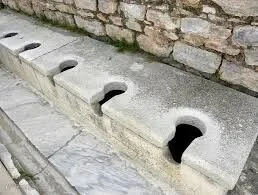
When it comes to the bidet, though, it’s easy to raise an eyebrow and wonder, “How did that come about?”
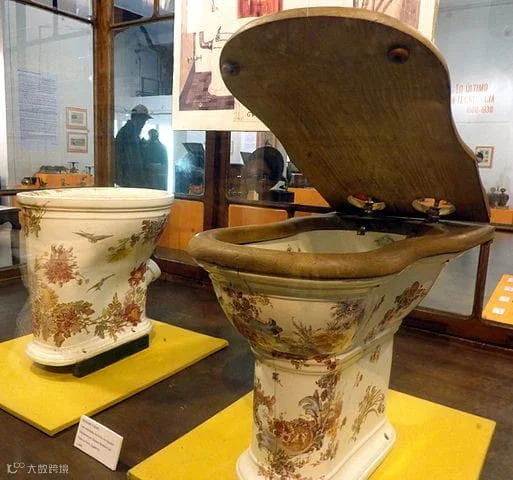
The first bidets were pretty much just a bowl of water set into a sturdy wooden stool. People would crouch over these primitive bidets and use their hands to wash up. Over the next few decades, the original bidet got more advanced by adopting a hand pump that would spray water. With the advent of plumbing, bidets morphed into convenient devices with nozzles and integrated sprayers.
Source: Internet
The truth is that the history of the bidet is an ancient and fascinating one (even if fascinating isn’t a word you ever thought to apply to a device that washes your bottom for you).
Dating back to the 17th century, the bidet has been an important household item charged with keeping the members of a home clean, fresh, and ready for anything.
The first written reference to the bidet shows up in Italy in 1726. Somewhere around the later half of the 18th century, Maria Carolina of Austria, Queen of Naples and Sicily is said to have requested a bidet for use in her bathroom at the Royal Palace of Caserta.

Source: Internet
Lady Carolina was a trendsetter, though, and the bidet didn’t become popular throughout Italy until the end of World War II. Part of the reason for this is that WWII was a bit of a rough time for the bidet. During the foreign war, American soldiers kept seeing bidets in European brothels (re: conception and cleanliness ideas), which gave rise to the incorrect idea that bidets were a tool of immorality, rather than just a nice way to keep your bum clean.

Source: Internet
Today, more than 80% of Japanese households have a bidet toilet seat. The popularity of the bidet is spreading across Asia and a dozen companies have sprung up here in the US since the Japanese introduced the bidet toilet seat to the US around 1981, including one backed by Mark Cuban.
But why has bidet use become "all the rage?"
Well, bidet toilet seats are easy to install and there are very meaningful health and environmental benefits. To some extent, it can help reduce the occurrence of diseases.
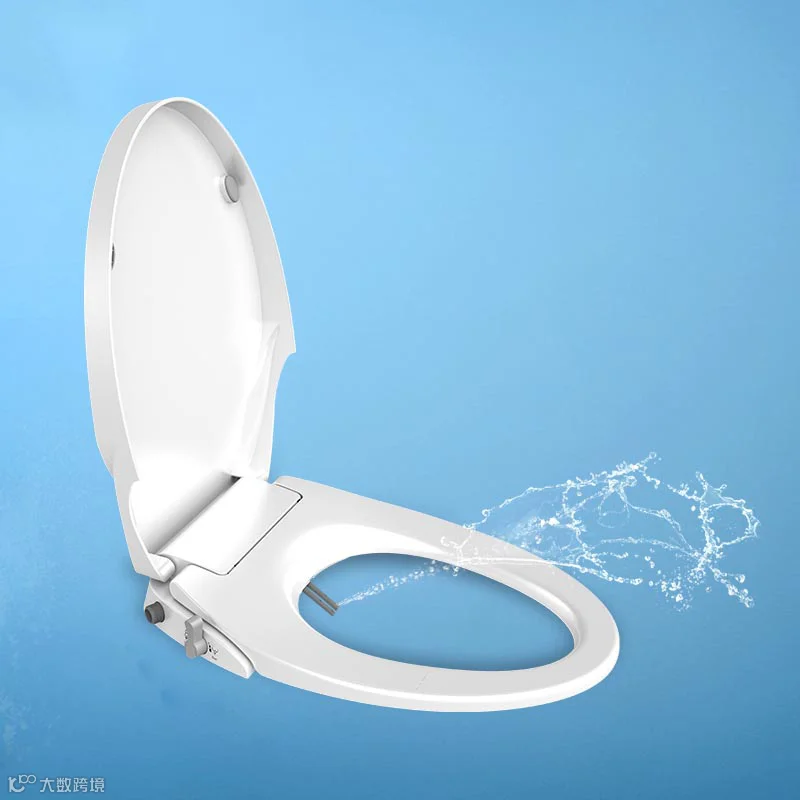
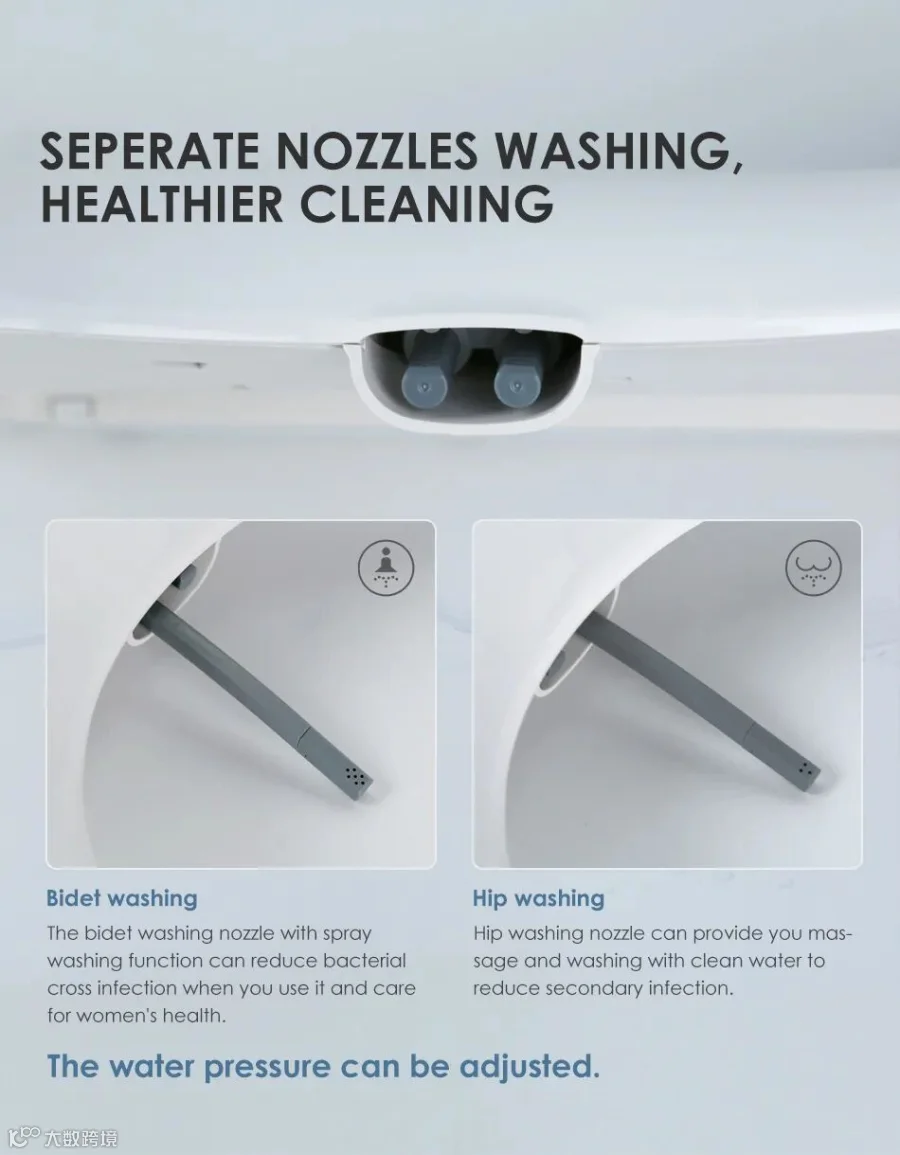
JOMOO Non-electric Bidet Cover 97142-00-1 have the functions of hip washing, bidet washing and adjustable water-pressure.
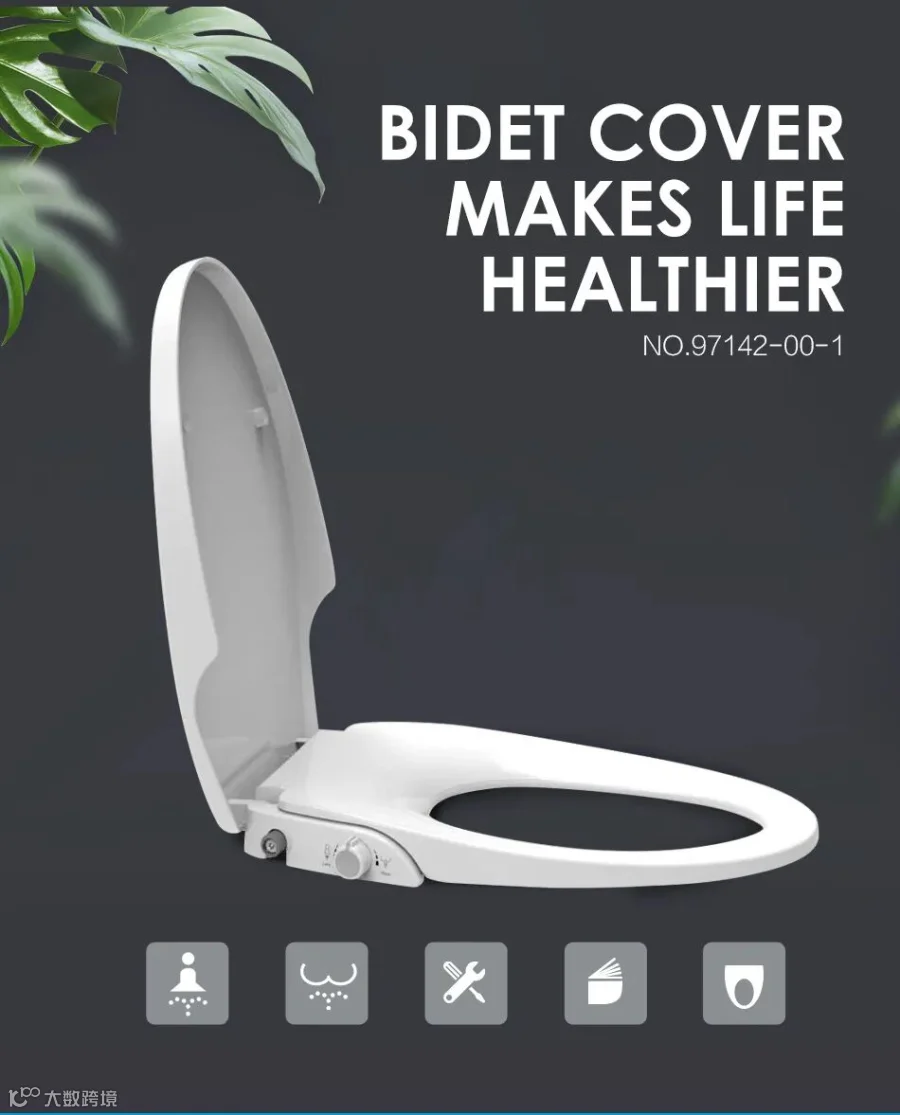
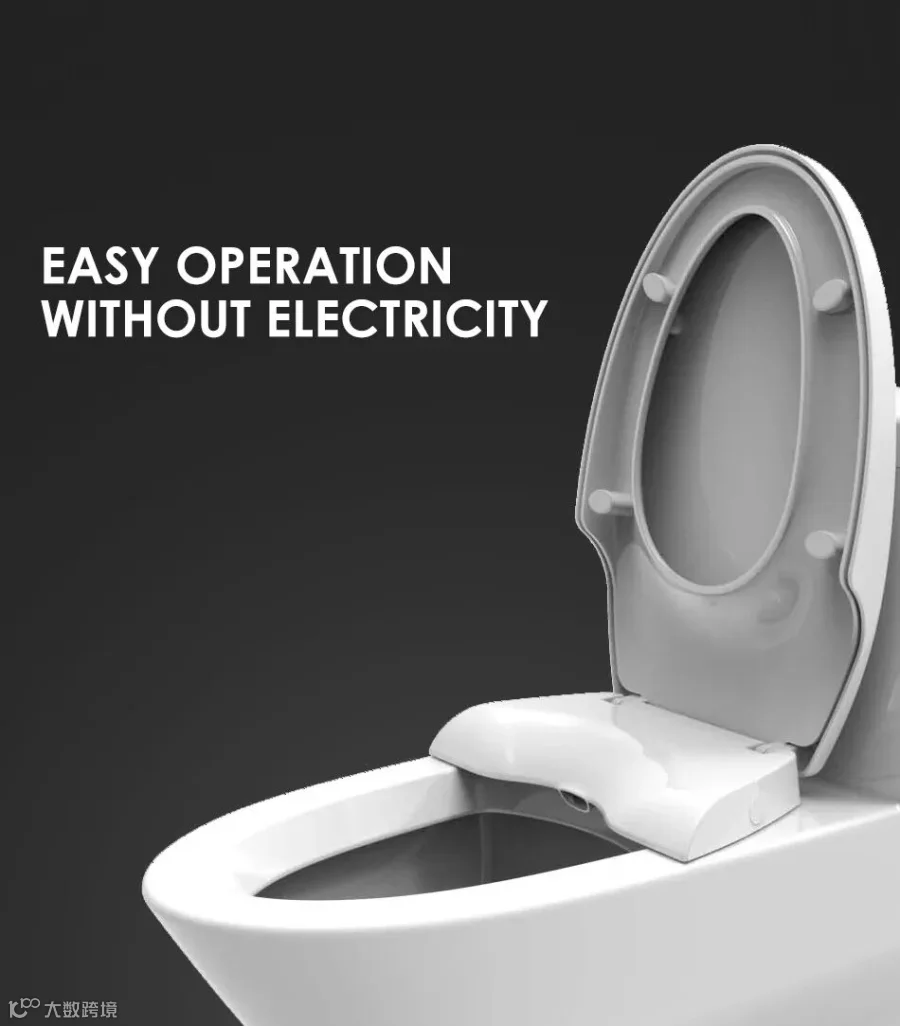
The cover can be used without electricity, so people can enjoy all the functions without any limit.
According to the statistics, compared to toilet paper, cleaning with sprayers can greatly reduce the incidence rate of hemorrhoids.
It is a good idea to install the toilet cover which can be more comfortable for you.
Source:bidetgenius.com