If a member of your household uses a wheelchair or has other requirements related to mobility, your bathroom should accommodate those needs. Make sure the space is accessible and comfortable.

They Need Enough Space
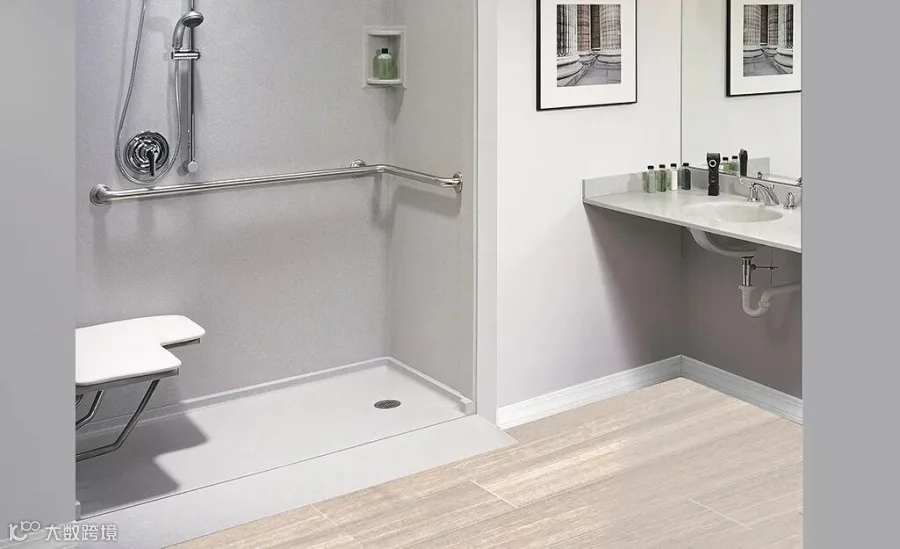
Source: Home Depot
Bathrooms should be large enough to provide space for wheelchairs. The space may include unobstructed floor beneath bathroom fixtures, such as a wall-mounted sink or toilet, provided there is enough toe and knee clearance.

Handicap-Accessible Doors
Source: Home Depot
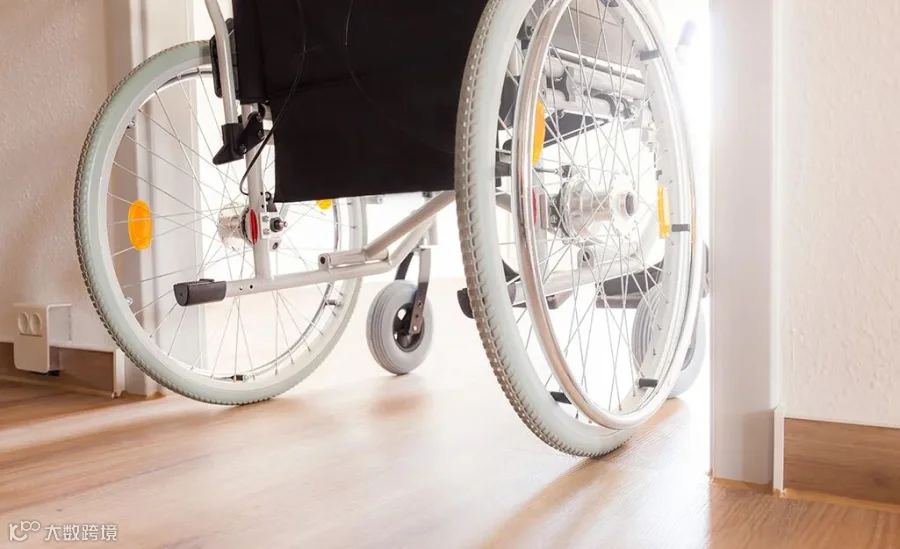
Handicap bathroom doors must be wide enough for a typical wheelchair to pass through. If the door provides straight entry – at the end of a hallway, for example – the passage must have a minimum width of 32-inches (81.28 cm).
If the bathroom is off the side of a hallway, the accessible door width must be at least 36-inches (91.44 cm) to accommodate a turning wheelchair.
There are additional considerations with handicap accessible bathroom doors:
In tight spaces, the door should open out from the bathroom.
Door hardware should include door lever handles that minimize the need for grasping and rotating, which can be difficult for those with dexterity limitations.
Lighting for Handicap Accessibility
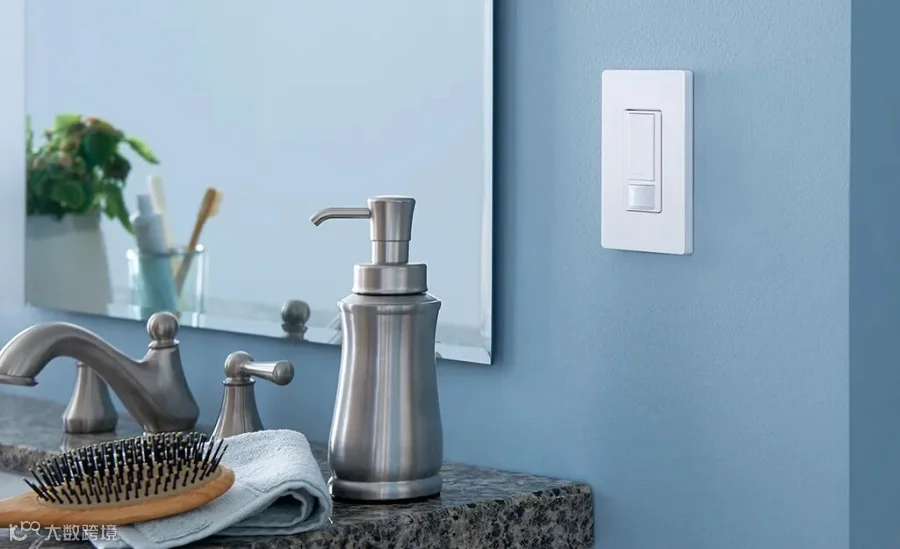
When deciding how to make a bathroom handicap accessible, remember that traitional light switches must be within reach for a wheelchair user.
Toilets in Accessible Bathrooms
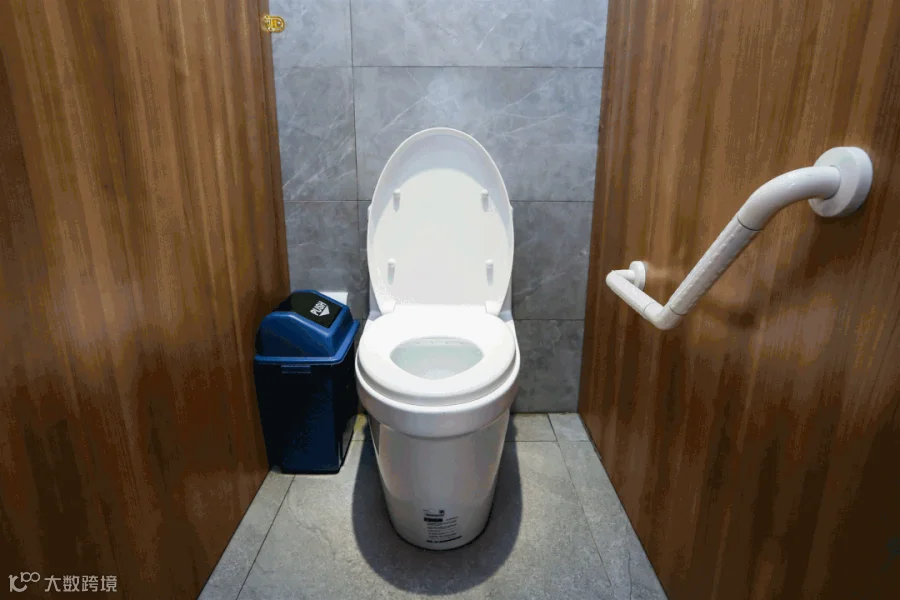
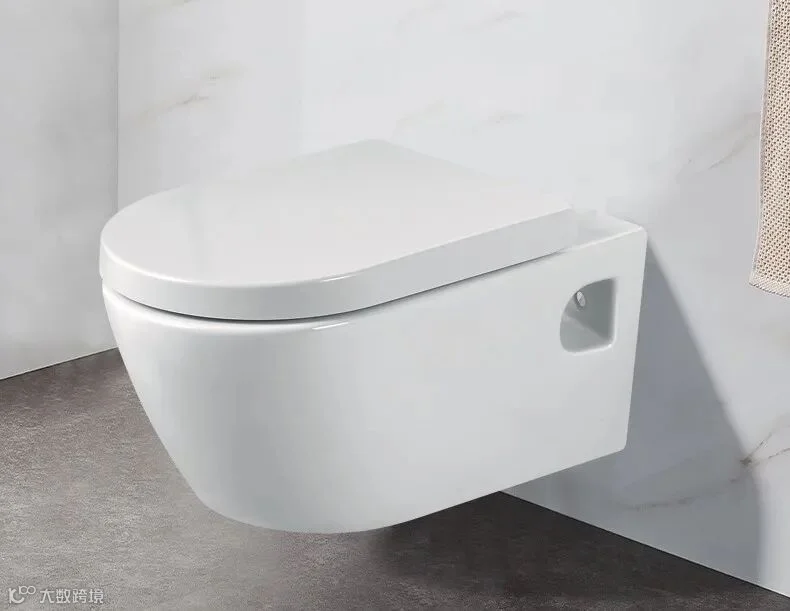 JOMOO Wall-hung Toilet
For most wheelchair users, the ideal toilet seat height should be level with the wheelchair for easier tranferring.
If you’re remodeling a bathroom to make it handicap accessible, consider wall-mounted toilets. This type of toilet creates the floor space necessary for turning a wheelchair. Plus, if installed as part of a renovation, a wall-mounted toilet can be positioned at a custom height.
People who have difficulty using their hands might benefit from bidets to help maintain personal hygiene.
JOMOO Wall-hung Toilet
For most wheelchair users, the ideal toilet seat height should be level with the wheelchair for easier tranferring.
If you’re remodeling a bathroom to make it handicap accessible, consider wall-mounted toilets. This type of toilet creates the floor space necessary for turning a wheelchair. Plus, if installed as part of a renovation, a wall-mounted toilet can be positioned at a custom height.
People who have difficulty using their hands might benefit from bidets to help maintain personal hygiene.
Grab Bars
JOMOO Accessible Bathroom
Grab bars must be properly installed next to the toilet as well as the bathtub and/or shower at appropriate heights for bathroom handicap accessibility.
Vertical and horizontal grab bars are used for leverage and stability when standing or sitting. Installing grab bars is one example of bath safety products and accessibility projects that can benefit everyone in the residence, no matter their age or range of mobility.
Accessible Showers and Bathtubs
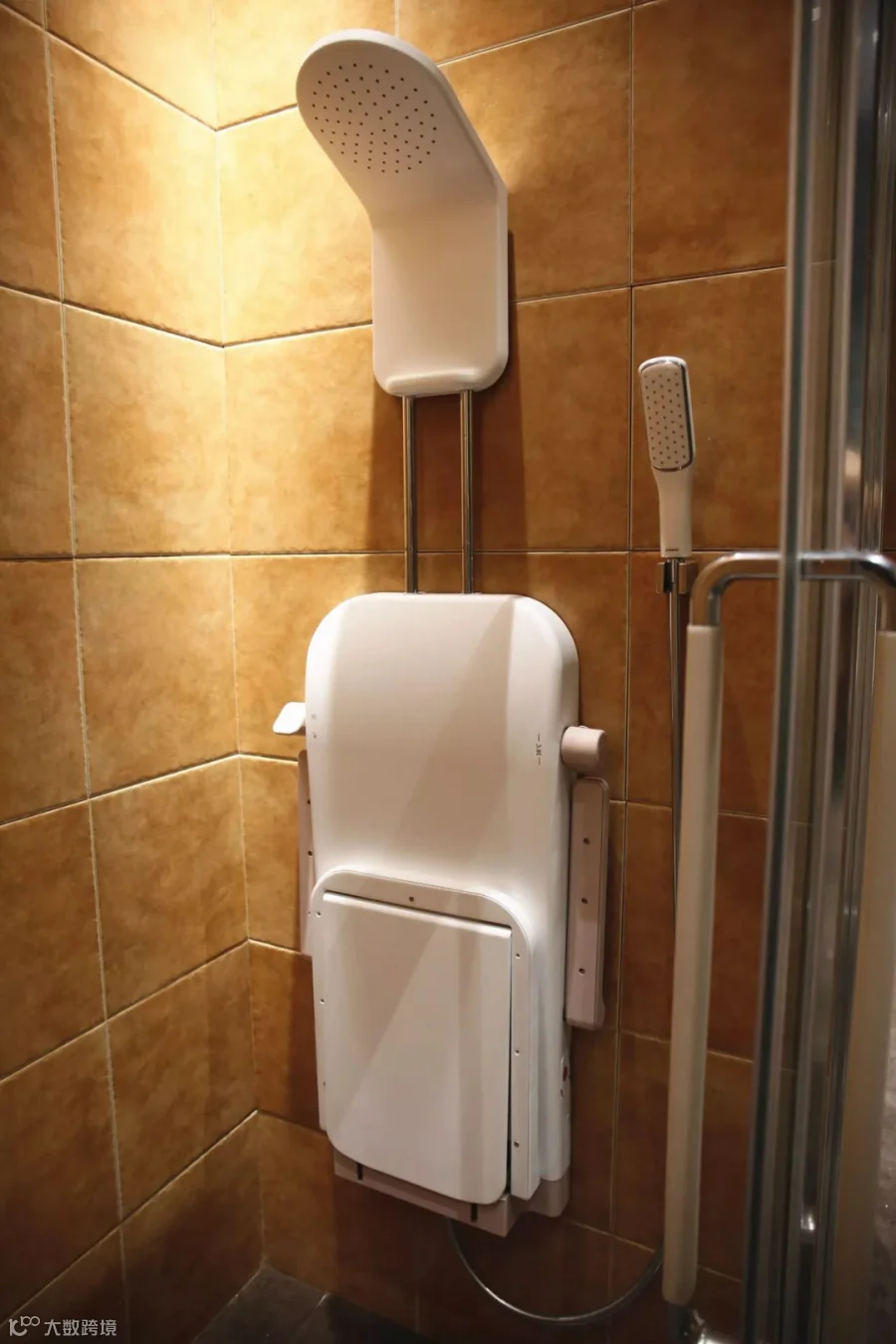
JOMOO Accessible Shower System
Curbless showers, or roll-in shower stalls, permit entry without having to step over a threshold.
If stepping into a standard tub isn’t an issue, but balance or endurance issues prevent standing for lengthy periods, use a shower chair that can be easily removed for other bathers. A handheld shower head is an essential component of an accessible bathroom. Bathtub mats can also provide greater traction on the shower or tub floor, reducing the likelihood of falls.
Accessible Sinks
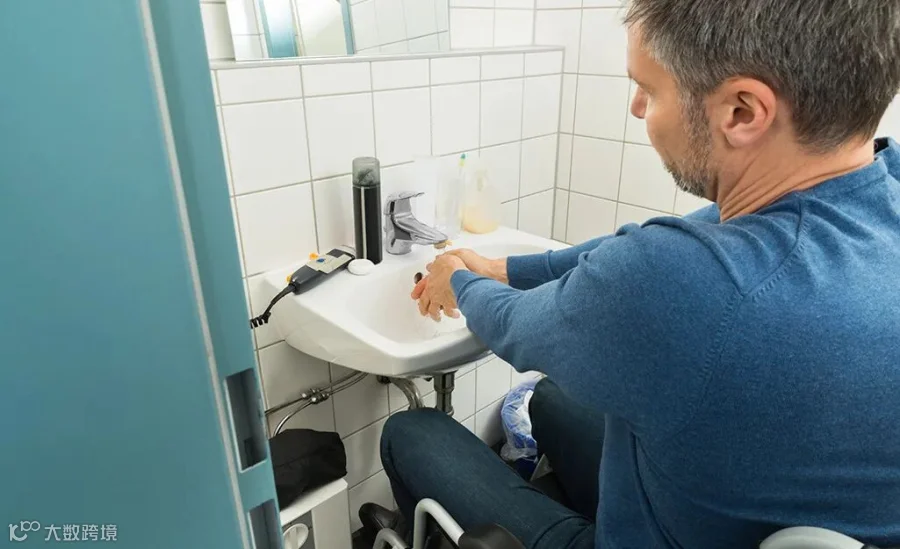
Bathroom sinks include clearance is more friendly for a wheelchair beneath the bowl, making wall-mounted sinks a good option.
However, if a user is able to walk but has difficulty with bending, consider a higher sink and countertop.
Replace bathroom sink faucets that have twisting handles with easy-to-operate lever handles, or select a touchless faucet.
The original article has been edited.