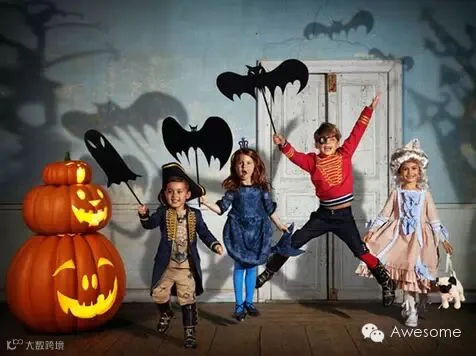
Our friends at Baby International have just opened a new store/restaurant at 620 HuaShan Rd in Shanghai and here the owner Nils is sharing with us at Awsome Kid's Club some of the origins of the games and activities we do during Halloween celebration. Follow Babyinternational: wechat ID - babyinternationalblu
Halloween has its roots in the Gaelic cultures of Ireland and Scotland and is based on Samhain (pronounced sow-in), an ancient harvest festival held at the end of the Celtic year. The festival marked the end of summer and the beginning of the dark winter time. It was believed the spirits of the dead returned on this eve to damage crops and play tricks on the living.
With the Christianization of the British islands Samhain was gradually replaced with All Saints Day also known as All Hallows. Yet as people were reluctant to let go off their traditions they continued to celebrate their old customs the day before All Saints Day, on Oct. 31. The word "Halloween" means "hallowed evening" or "holy evening" referring to the evening before All Hallows' Day.
The Halloween tradition was later gradually shaped by various British traditions, and through the settlers to the New World and the spread of Anglo- Saxon culture is nowadays a global phenomenon celebrated all over the world. Let's have a short look at the most common parts of Halloween and how they came about.
Why trick & treat?
Among the practices associated with the festival during the medieval period were the lighting of bonfires, evidently to symbolize the plight of souls lost in purgatory, and souling, which consisted of going door-to-door offering prayers for the dead in exchange for "soul cakes" and other treats.
Why dressing up?
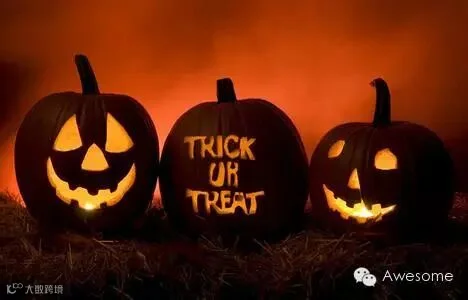
An antecedent to this was the British custom, dating from the 1600s, of youths wearing masks and carrying effigies (including jack-o-lanterns carved from turnips) while begging for pennies on Bonfire Night (also known as Guy Fawkes Night), the November 5 commemoration of the so-called Gunpowder Plot to blow up Parliament in 1605.
Why bobbing for apples?
The current game dates back to when the Romans conquered Britain bringing with them the apple tree - a representation of Pamona, a fertility goddess. The combination of Pomona and the Celtic belief of the pentagram presenting fertility are the origins of bobbing for apples. When an apple is sliced in half, the seeds form a pentagram-like shape, and it is thought that the manifestation of such a symbol meant that the apple could be used to determine marriages during this time of year.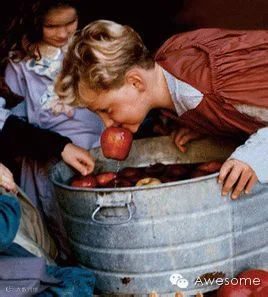
Why putting out pumpkins?
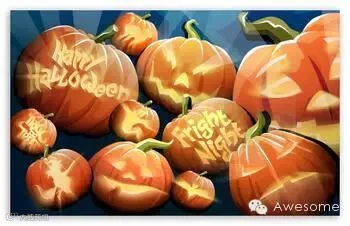
This is the result of an Irish myth surrounding a man named Stingy Jack. As the legend goes, he tricked the devil twice. Upon his death, Stingy Jack was refused entrance into heaven and hell. But the devil gave him a burning ember from hell to light his way back in the land of the living. Jack placed the ember in a hallowed-out turnip, then roamed earth without a permanent resting place.
On All Hallow's Eve, the Irish hollowed out turnips, rutabagas, gourds, potatoes and beets. They placed a light in them to ward off evil spirits and keep Stingy Jack away. When Irish immigrants came to America, they discovered pumpkins in the new land and found them easier to carve out. Thus, pumpkins became the jack-o'-lanterns and the tradition became widespread and associated with Halloween.
A modern occult tradition?
In 2009 Pope Benedict XVI eventually slammed Halloween as 'dangerous and an undercurrent of occultism which is absolutely anti-Christian'. And he did so at a time where the origins of Halloween are almost forgotten with those that celebrate it and who take it not for an occult meeting but a chance to have fun! No matter if young or old.