

在疫情严峻,实体经济并不景气的2020年,国内很多城市依旧有大批新咖啡馆开起来,令人惊叹的同时,咖啡馆的“镇店之宝”——意式咖啡机,不仅决定着一间店出品的稳定性,在外观上,往往也能稳抓人们的眼球。意式咖啡机是如何被发明创造,以及为何具有观赏性极强的外观设计,一起来探索!
Albeit a severe pandemic and a sluggish substantial economy, the year of 2020 still saw a fair number of new cafes popping up in numerous cities in China. Amid this fascinating development, the “crème de la crème” of a café – the espresso machine – also came into focus. It not only determines the product consistency, but also brings with it a wow factor at first sight. How were espresso machines invented? Why do they embody a visually appealing design? Let’s find out!
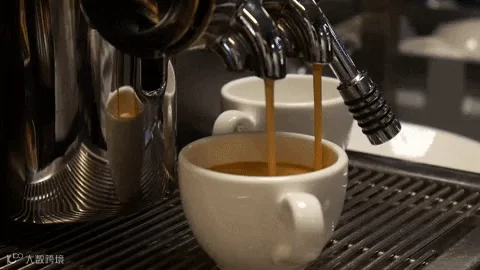
概念出生期
Concept Creation
在咖啡机诞生之前的18世纪尾期,“café-espresso”这个词汇就产生了,人们探索「蒸汽动力」的各种形式,目的是为了让享用一杯咖啡变得更快速和新鲜。
At the end of the 18th century, the term "café-espresso" already came into being before the creation of the coffee machine. People explored various forms of "steam power" in order to enjoy a fresher cup of coffee faster.
1855年巴黎的一个展览会场,一名叫Loysel的参展商展示了一台「蒸汽动力咖啡机」,广告语宣传:产量每天可达10,000杯。这是一台大容量,高约4.5公尺的咖啡机,广告虽浮夸,确是开创了历史上第一台商用咖啡机。
During an exhibition in Paris in 1855, an exhibitor named Loysel displayed a "steam-powered coffee machine" with the slogan – “Daily throughput: 10,000 cups”. This is a large-capacity coffee machine with a height of about 4.5 meters. Despite the exaggerated slogan, it was de facto the first coffee machine for commercial use in history.
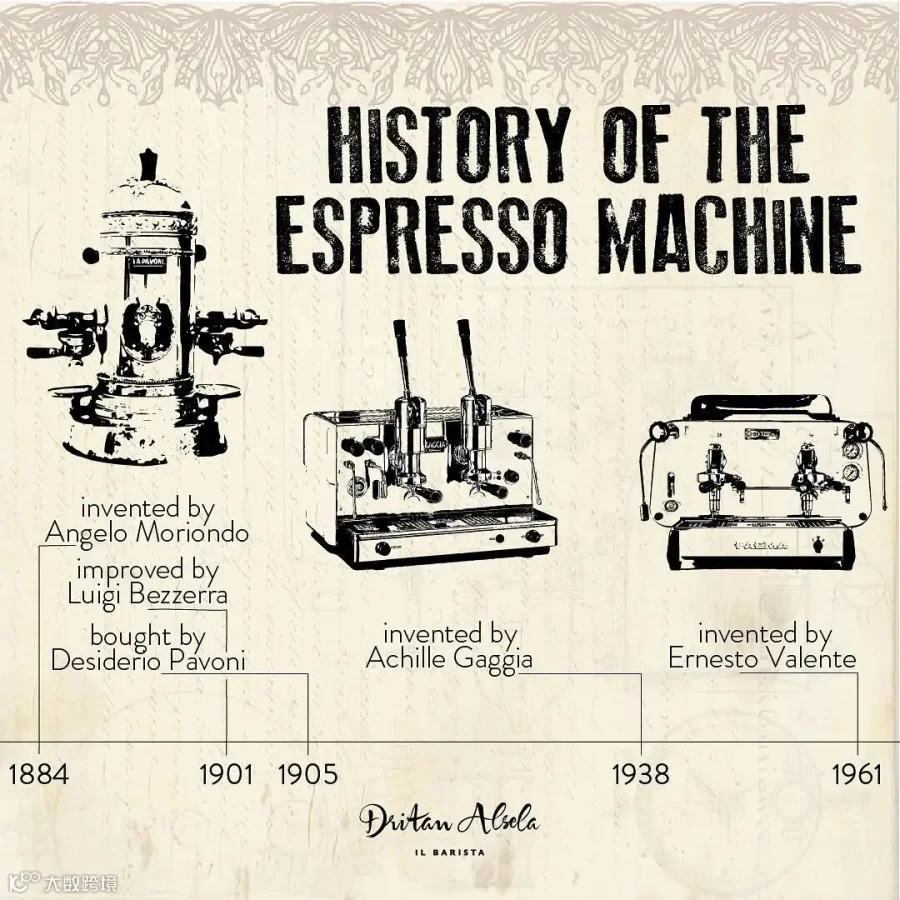
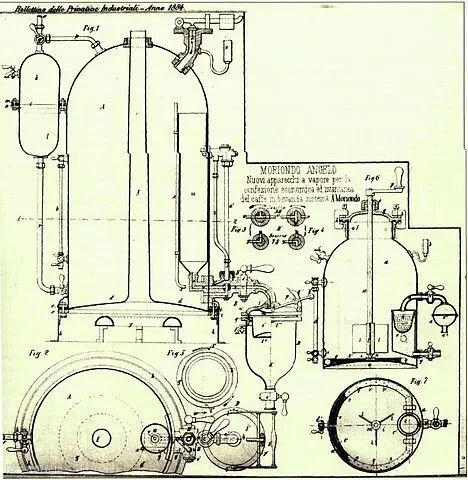
时间来到1884年,意大利的Angelo Moriondo创造了另一台蒸汽动力咖啡机,并在1885年申请注册了一项名为「蒸汽操作的快速制作咖啡的设备」专利。机器有一个大锅炉将水加热形成1.5帕的内压力,再根据需求调整水量,借由另一个锅炉产生的蒸汽冲过咖啡粉,最终完成咖啡冲煮。
In 1884, Angelo Moriondo from Italy invented another steam-powered coffee machine, and applied for the registration of a patent named "new steam machinery for the economic and instantaneous confection of coffee beverage" in the following year. The machine consisted of a large boiler, heated to 1.5 bars of pressure that pushed water through a large bed of coffee grounds on demand, with a second boiler producing steam that would flash the bed of coffee and complete the brew.
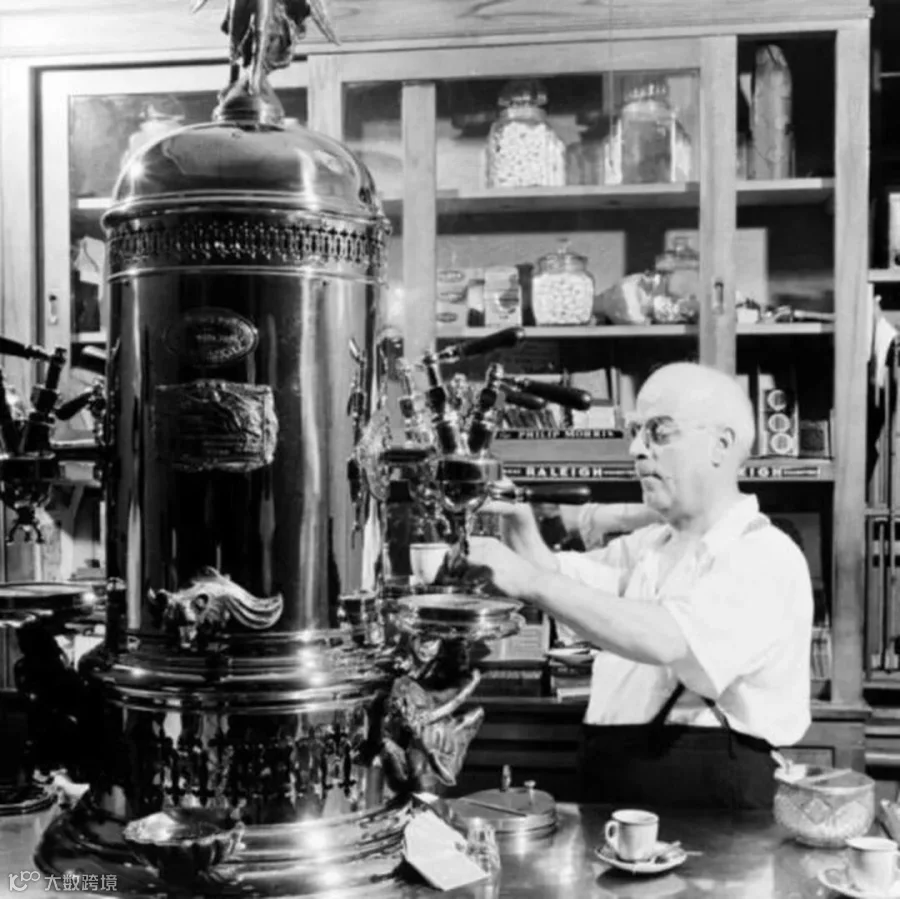
Angelo Moriondo的发明功不可没,遗憾的是,他并没有将发明成果投入工业化生产。
Angelo Moriondo's invention is indispensable. Unfortunately, he never took the invention to industrial-scale production.
创造爆发期
Skyrocketing Creativity
传闻二十世纪初期,意大利拿坡里住着一位性情急迫的工程师,因为对「滴滤式泡煮咖啡」用时较长的特性感到不耐烦,于是自己想出一个方法:以高温,高压快速萃取咖啡,发明了全世界独一无二的意大利咖啡机,Espresso也开始风靡起来。
It is rumored that in the early 20th century, an engineer of a rather irritable nature lived in Naples, Italy. He grew impatient with the typically long wait for a cup of "drip brewed coffee", and came up with a method of quickly brewing coffee with high temperature and high pressure, hence introducing the first ever espresso machine to the world. Espresso also gained its popularity.
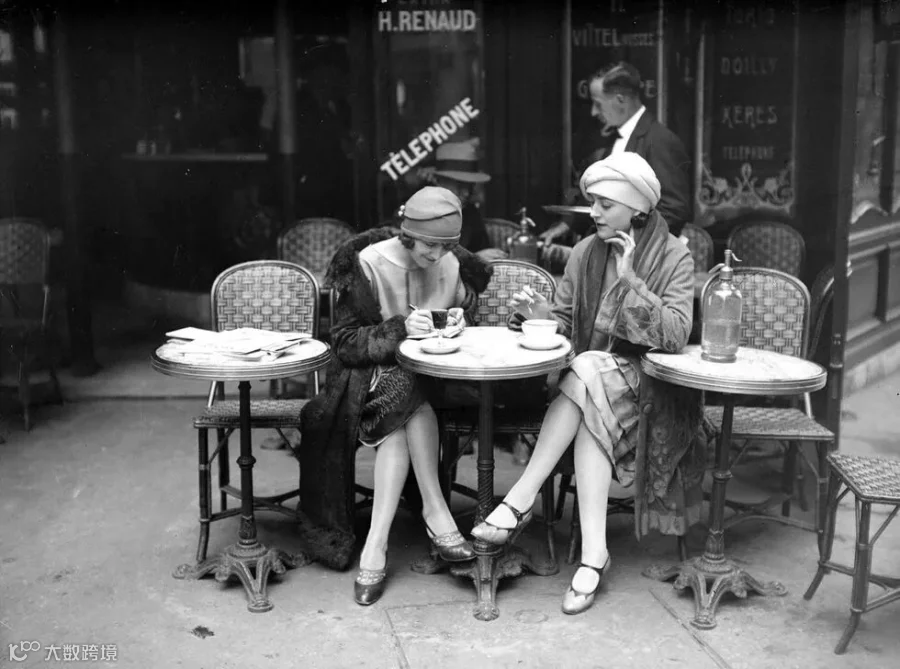
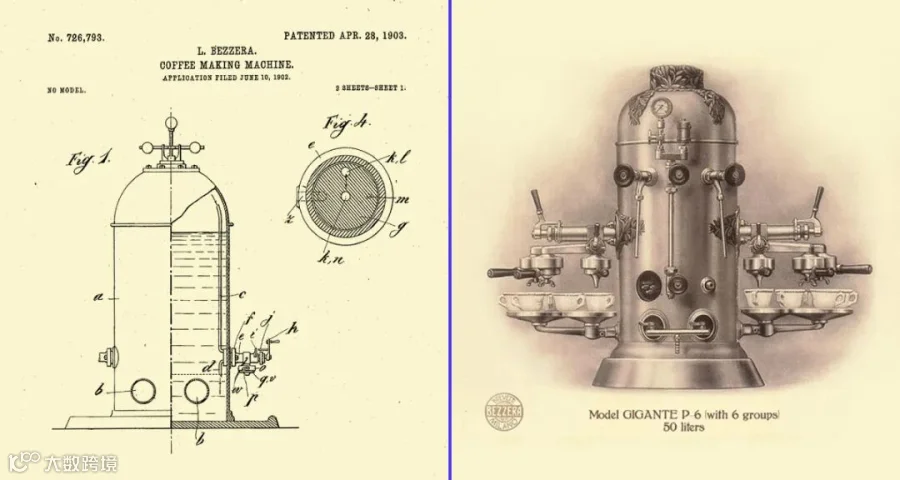
传闻所指的工程师,应该是米兰设计师Luigi Bezzera,他在Moriondo的发明之上改良再创造了一台咖啡机,并在1901年,注册了可用于商业生产的意式咖啡机的专利技术。在1902年,Bezzera的友人Desiderio Pavoni在这台机器的基础上添加了「卸压活塞装置」。
The engineer referred to here is likely to be the Milanese manufacturer Luigi Bezzera, who made several improvements to Moriondo’s invention and introduced a new coffee machine. He was granted a patent in 1901 for the technology of an espresso machine for commercial production. In 1902, Bezzera's friend Desiderio Pavoni added a "pressure release valve" to this machine.
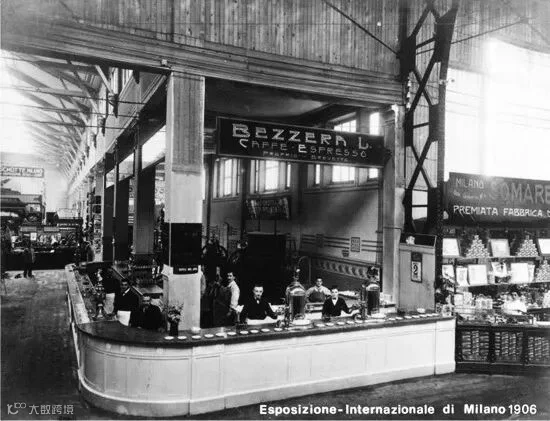
紧接着1903年,Bezzera因财务困难将专利权转卖给了Pavoni。1905年,La Pavoni公司宣布成立,并运用这项技术正式生产了咖啡机,并发表在1906年的米兰万国博览会上。由此,第一台真正意义上「Espresso Machine」意式咖啡机由此面世。
Then in 1903, Bezzera resold the patent rights to Pavoni due to financial difficulties. In 1905, La Pavoni was established, and the company used this technology to officially produce coffee machines, which they brought to the 1906 Milan Fair. Thus, the first "espresso machine" in its true sense was introduced to the world.
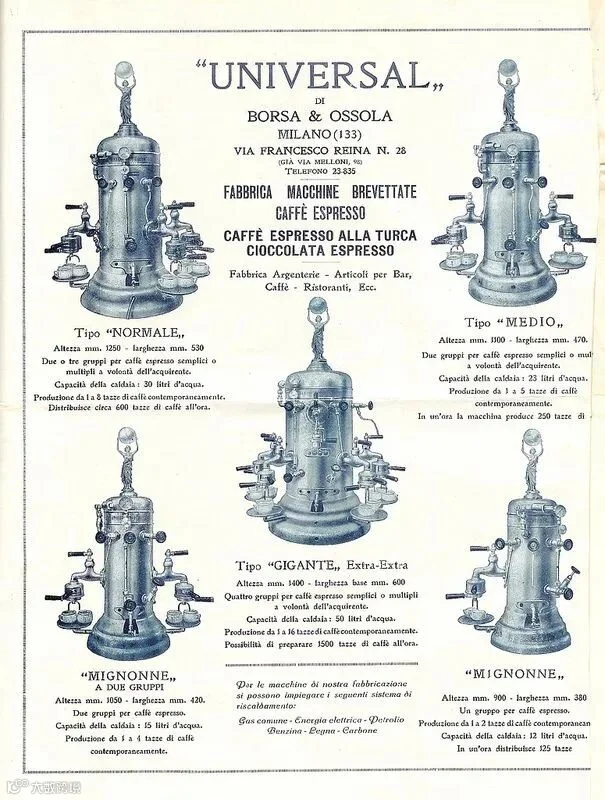
Pavoni对咖啡机做了多处调整,例如增设了多个冲煮头,增加了粉碗等。且强调即点即做的方式,每次只制作一杯,来达到最佳的咖啡萃取。外观上,此款咖啡机也堪称经典,设计结合了许多工业元素和新艺术概念,利用曲线设计开创了咖啡机的设计艺术。
Pavoni made many adjustments to the coffee machine, such as adding multiple showerheads and filter baskets. He was also adamant on freshly made coffee upon ordering, brewing only one cup at a time to achieve the best coffee extraction. Appearance wise, this coffee machine was definitely a classic. The design combined many industrial elements and art nouveau concepts, launching an era of design art for coffee machines with its curve design.
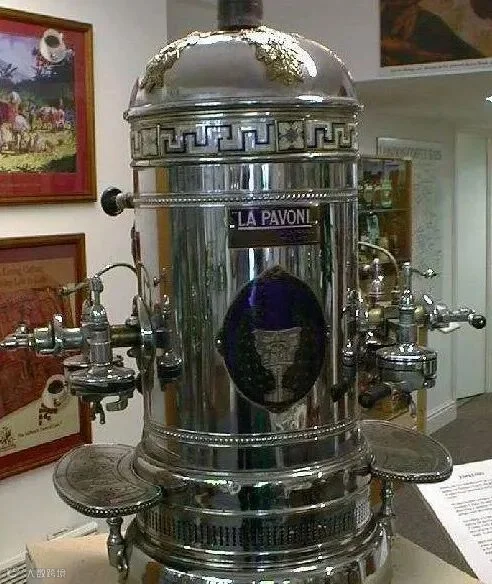
而后同类型的咖啡机在意大利纷纷出现。但由于当时能源技术受限,咖啡机只能以燃气、焦炭或者木材作为燃料。早期人们制作出来的咖啡,和我们现在所认知的「意式浓缩」有所差别,因为给到的沖煮压力较小,咖啡并不具备丰厚的油脂成分。也因为蒸汽产生的过高温度,萃取的咖啡往往不可避免出现焦苦。
During that time, similar espresso machines began to appear throughout Italy. However, due to the limited energy technology at the time, coffee machines could only use gas, coke or wood as fuel. Coffee in the early days was quite different from the "espresso" as we know it now. Because of the low brewing pressure, the coffee back then didn’t contain a rich oil content, and the high temperature generated by the steam had the unfortunate side effect of imbuing the coffee with a burnt or bitter taste.
美与功能提升期
Enhanced Beauty and Function
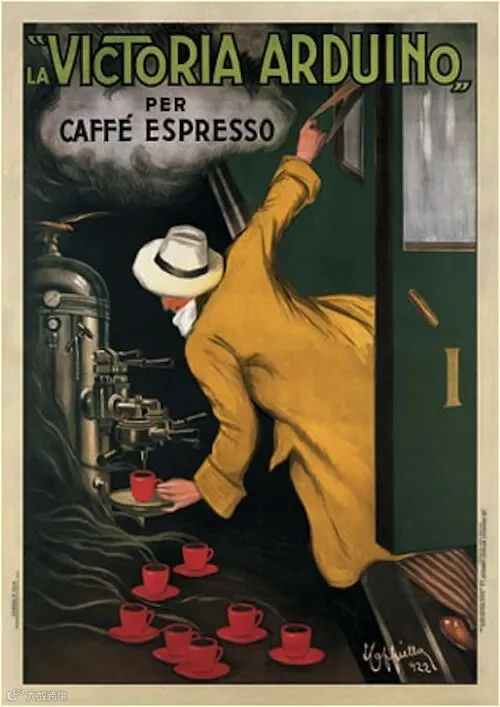
伴随着一战经济萧条的大环境下,为了尽可能满足意大利国内的咖啡需求,咖啡机出口逐步减少。20世纪初的咖啡机价格昂贵,当时喝咖啡是一种奢侈的体验。
Following the economic depression of World War I, in order to best meet Italy's domestic demand for coffee, coffee machine exports were gradually reduced. Coffee machines in the early 20th century were rather expensive, and drinking coffee became a luxury in itself.
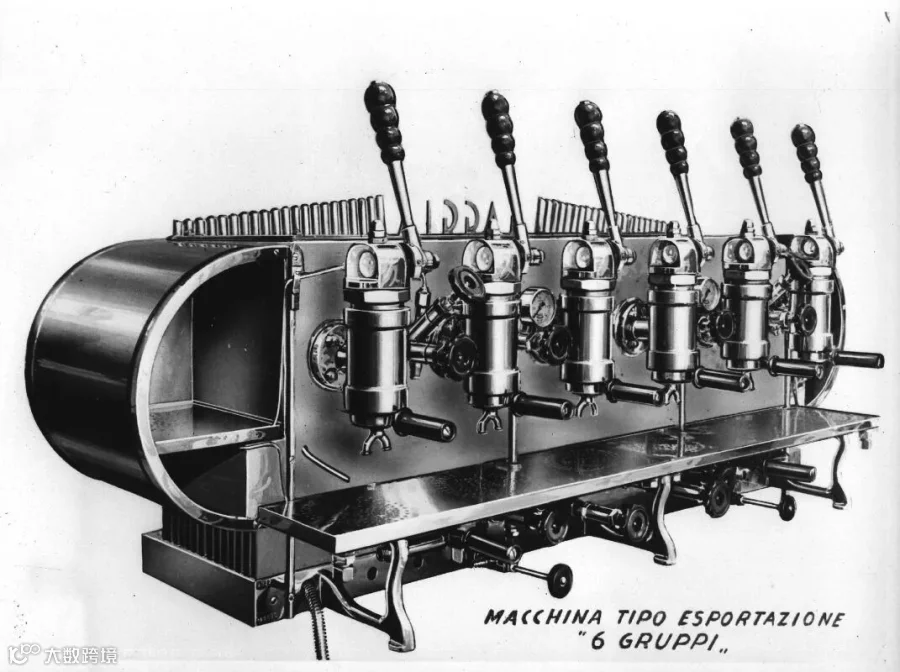
而在1938年,咖啡锅炉由「垂直放置」改良成「水平放置」,咖啡机便由蒸汽朋克式的「竖性结构」改变成了更为精致简洁的「卧式机型」。
However, in 1938, the vertical boilers were improved to be horizontally placed, and the coffee machine itself went from the steampunk-ish “vertical structure” to a more refined and neat “horizontal style".
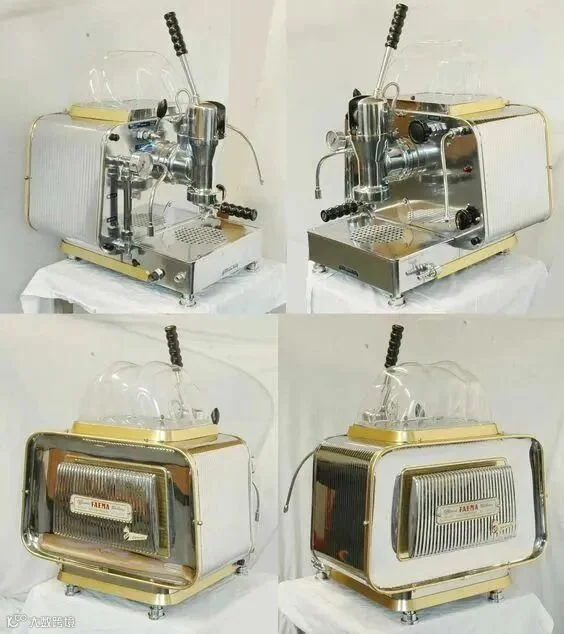
随后在1947年,一位米兰咖啡师Achille Gaggia申请了「杠杆弹簧式活塞」的专利来制作咖啡,这对于意式咖啡机而言是重大的突破。1948年,Gaggia将这项专利技术的使用权转让给了当时的FAEMA公司,正是这一举动开启了飞越般的「E61」时代。
Then in 1947, Achille Gaggia, a Milanese barista, applied for a coffee making patent for his "spring-loaded lever piston" mechanism, which was a major breakthrough for espresso machines. In 1948, Gaggia transferred the right to use this patent to FAEMA at the time, which marked the beginning of a skyrocketing era of "E61".
「E61」时代
The “E61” Era
FAEMA公司利用Gaggia的专利不仅解决了咖啡机萃取压力过小和温度过高的问题,还通过弹簧活塞的装置,让原本水压只有1.5帕的萃取压力增加到了9帕,瞬间改变了被萃取的咖啡液形态!让原本深色的咖啡,顶部出现了金黄色的「Crema」泡沫!适度的高压萃取,不仅让咖啡变得更甜,口味上更是得力于Crema的出现,变为更绵密顺滑。
FAEMA used Gaggia's patent to not only solve the problem of too low extraction pressure and too high temperature in the coffee machine, but to also drastically increase the water pressure from 1.5 bars to 9 bars through the spring piston mechanism, which instantly changed the extracted coffee liquid form! The traditional dark coffee was crowned with the golden "Crema" foam on top! The moderate high-pressure extraction not only made the coffee sweeter, but also smoothened the taste thanks to Crema.
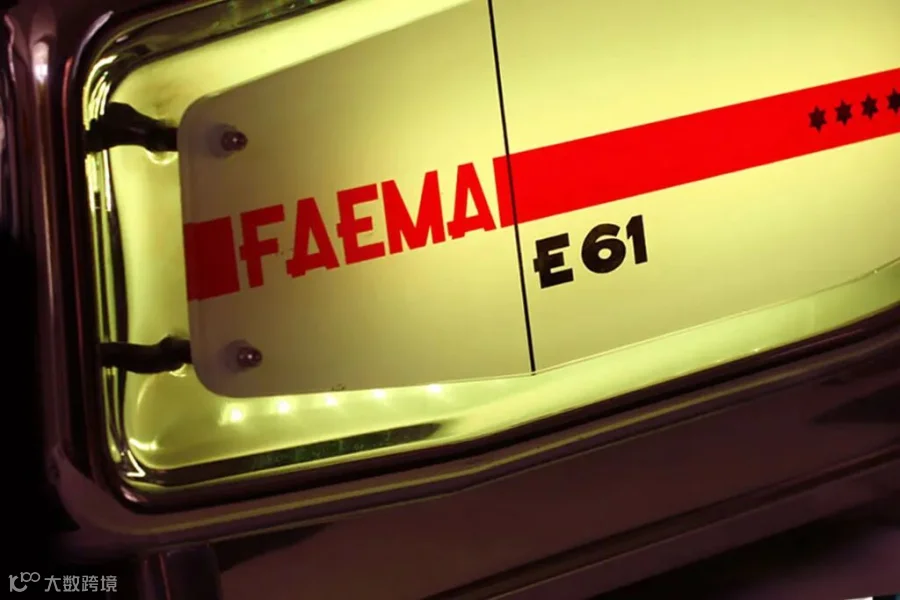
在1961年,超级好看又经典的FAEMA E61诞生!它的名字取自同年的日全食。E61的诞生,奠定了之后意式咖啡机的设计。为了维持萃取温度准确性,陆续出现双锅炉甚至是多锅炉的咖啡机。而在冲煮中改变萃取压力的技术概念,这些都是由E61系统所延伸出来的思考设计。
In 1961, the stunningly pretty yet classic FAEMA E61 was created! It was named after the total solar eclipse of the same year. The birth of E61 laid the foundation for the design of the later espresso machines. In order to maintain the accuracy of the extraction temperature, coffee machines with double boilers and even multiple boilers popped up one after another. The technical concept of changing the extraction pressure during brewing was also thoughtful designs extended from the E61 model.
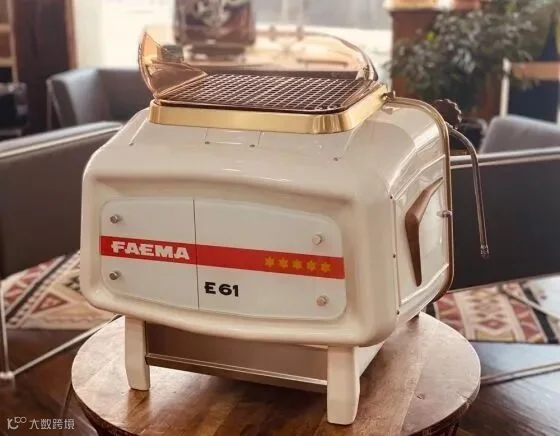
“真正在功能上解决问题,方向和用心是对的,最后做出来的东西也一定是美的。” 一位咖啡器具设计师如此说。而把这句话用在E61亦或用在每一件美而实用的事物里,都恰如其分。
To quote a coffee equipment designer: "If you truly endeavor to solve issues of functionality, if you are going in the right direction and your heart is in the right place, then your final product will be inevitably beautiful." – An ideal equally fitting for E61, or indeed, any beautiful and practical thing in this world.
点击以上图片
即可进入COFFEESOCIETY官方商城

长按识别二维码
关注视频号
@CoffeeSocietybyDL
如果你也喜欢咖啡,
想要获得更多与咖啡相关的干货、趣事,
欢迎关注我们!