
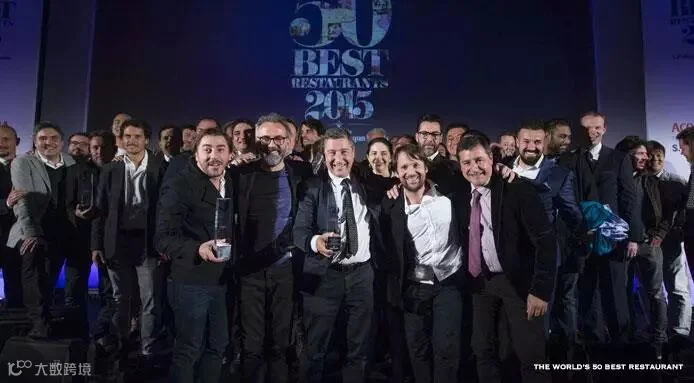
继2013年被评为世界最佳餐厅后,位于西班牙吉隆那的El Celler de Can Roca在英国知名美食杂志《餐厅》最新公布的2015年全球50佳餐厅中,击败去年的冠军-哥本哈根的Noma餐厅,再度问鼎。
Spain's El Celler De Can Roca, the 2013 winner of The World's Best Restaurant title, usurped last year's victor Noma of Copenhagen to take the crown at 2015 World's Best Restaurant Awards.
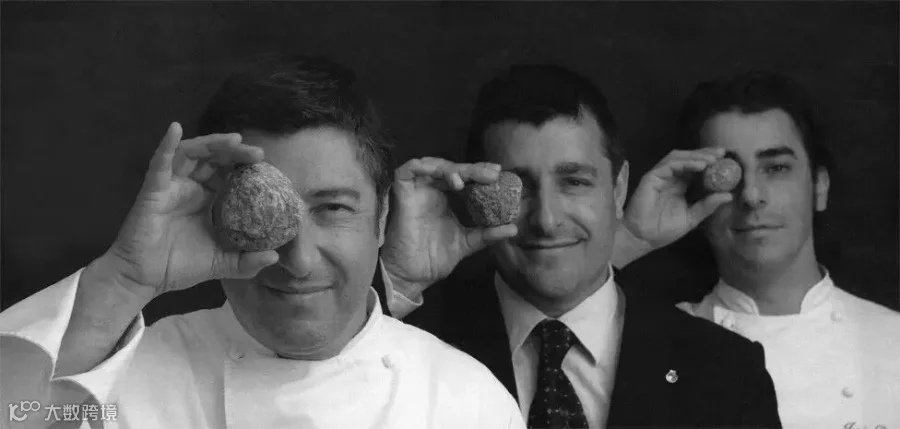
Can Roca餐厅由Roca三兄弟于1986年创建。三兄弟各自都独当一面,John负责厨房,Jordi负责甜品,Josep是侍酒师,并负责厅面。
El Celler de Can Roca is a free-style restaurant,was founded by the brothers Joan and Josep Roca at the end of August, 1986, in Girona. Joan, in the kitchen, and Josep,the sommelier, in the dining room. And the youngest brother, Jordi, started in the kitchen of El Celler in 1998.
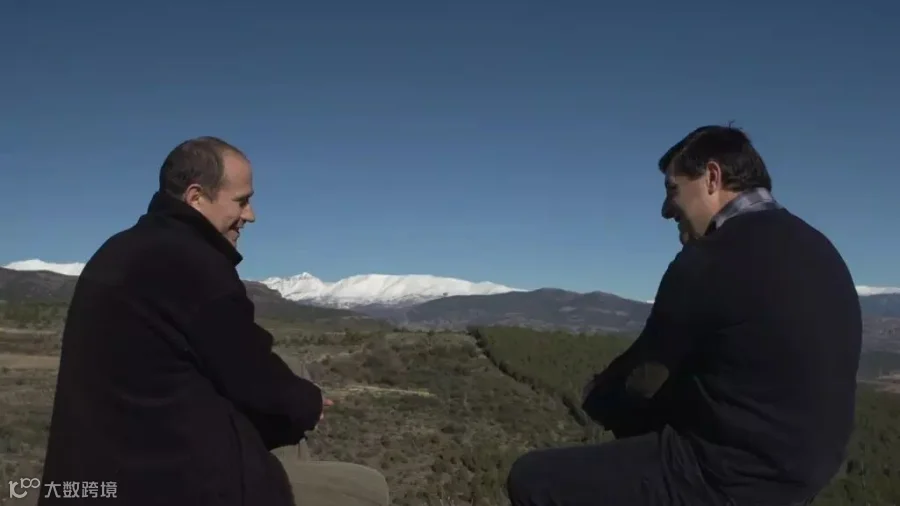
Josep Roca很欣赏的一位酿酒师就是Raul Bobet,在Can Roca餐厅的酒单上可以找到所有Castell d'Encus酒庄的酒,并且酒庄还为餐厅特别酿制了一款白葡萄酒,不对外进行销售。Josep和Raul两人曾经在Pallars Jussa的山顶进行了一场深入的对话。
El Cellar de Can Roca has all the wines of Castell d’Encus in the wine list, also Castell d'Encus elaborate an exclusive white wine for Can Roca.Josep Roca once had a conversation with Raül Bobet, high up in Pallars Jussà.

Josep: Raül, here we are, in a privileged place and a really peacefulsetting, where I am overcome by an underlying need to ask you questions and to have an open conversation about you, about who you are and what you do. Why do you do what you do? And how? To start off, I’d like to propose something about your background, to suggest that what you do is linked to your family, that your overwhelming vitality could in a sense be fuelled by an ever-present memory. On this note, I’d like to outline your reality: you come from a family of farmers who worked from dawn to dusk.
(Rual,我们置身于此,一个真正的宁静之处,我情不自禁地想询问你一些问题,迫不及待地想了解你是怎样一个人,以及你现在所做的一切,你为什么做这些,怎么做,等等。一开始,我想了解的是你的个人背景,关于你现在所做的事情,与你的家庭有一些关联,以及你用之不竭的充沛精力来自何方等等。所以我首先想确认的是,你是不是来自于一个日出而作日落而息的农民家庭。)
Raül: Just like all the others.
(就跟其他人一样。)
Josep: What others?
(哪些其他人?)
Raül: Oh! Well, I mean all the families that have survived, or at least,say, the smaller ones. The ones that have survived are pretty much all like this. I think all humans are searching for peace and that here is a privilege,isn’t it? It is a privilege to enjoy landscapes like these, to have the chance to go somewhere you’ve liked since you were a kid. And then, because you know these places well, you are able to add on top a certain je ne saisquoi (I do not know what) by way of method and experience, which is extremely important in terms of freshness and aroma precursors, not only for grapes and the wines they are used to produce, but also, as you know full well,for many other things beside. This is the hallmark of a gentle approach. A cold place like this requires this sort of method. There are inherent risks,frontiers that cannot be crossed, because then you land yourself in trouble.But it gives you scope to dream and to do big, or even infinite things.
(我是指那些经历过困难时期的家庭,或者说,小家族。举个例子,我想,人们一直在寻求内心平静,而这里,是一个独特的地方,可以从独特的角度看到独特的风景,可能你小时候做梦都想来这种地方。然后,你来了,你可以根据一定的方法或者经验,在这里做出点名堂。方法和经验非常重要,不仅仅对于葡萄和酒,也对于其他许多事。在这样一个寒冷的地方,你必须拥有方法和经验,因为这里必然有潜在的风险,有不可逾越的极限,来到这里你就等于把自己投进了麻烦堆。但也正是因此,你才会拥有对梦想的憧憬,希望做好做大,甚至完成一些不朽的功勋事迹。)
Josep: But we are at the limits. You seek out the limits.
(但是问题是我们都已经置身于极限了,能怎么办?)
Raül: There are limits, which in the case of wine, have to do with varieties, latitude, altitude, and often also affect the orientations you work with. But you can find limits anywhere, can’t you? That is to say that it’s not an easy synthesis. But the limits here are identifiable. In fact, the snow is practically a stone’s throw away and you can do really interesting things here,provided you bear in mind that nature is going to teach you a lesson from time to time. That’s when, at the very least, you have to try to defend yourself.
(极限到处都有,拿葡萄酒来说,能酿酒的葡萄种类、种植的经纬度、海拔,以及葡萄园的朝向等等因素,都存在一个常规的极限。有时候甚至你都不知道它是个极限。但这里的极限却是一目了然的。大雪离这里只有一步之遥,如果你把大自然教给你的条条框框抛诸脑后,你可以做一些非常有趣的事情。当然,至少,你要先把自己这关过掉。)
Josep: Mother nature is always the boss, but the human factor has a role to play too. In this instance, I can see a very strong link between your work and your personality, or even, I’d go as far to say, your dual personalities rolled into one. On this note, I’d like it if you could expand on this constant duality in your life, which is made up of a mixture, a correlation of different elements, which sometimes blend together, while on other occasions they seem to be in conflict. Sometimes it’s as if you were split into two parts: your roots and your knowledge. Has your father’s hardworking example left a big imprint on you? Why do you work so hard?
(大自然永远是主宰,但是人类的行为也会起到一定的作用。就你刚才所说,我可以看到在你的工作与你的个性之间有非常强大的关联,或者说,你的两个方面合二为一。所以,你能否详细阐述一下你生活中的二元论,构成它的元素,它们时而合二为一,时而又相互抵触。有时候,你看起来似乎分成了两部分:你的先天本源和你后天的智力。你父亲的辛勤劳作是否给你留下了深刻的印象?你为什么也如此辛勤地工作?)
Raül (laughing): No doubt it has left an imprint. I think cultural factors are important and especially here in Catalonia, it’s really tough. I think it’s something that affects a lot of people. Not only those from farming backgrounds– there are a lot of hardworking, industrious people out there. We’ve had to struggle here. The poor are poor in part because of the climate and landscape.It’s not like we have an abundance of water or particularly fertile soil, and I think this has had a particularly strong role in shaping people’s characters. (毫无疑问肯定会留下印象。我认为传统文化观念是很重要的,特别是在加泰罗尼亚,它提倡坚韧的精神。我想这里的人都受到这个理念的影响,不仅仅是农民,在工业行业里也有很多辛苦劳作的人。我们必须努力拼搏。穷困,部分是由于自然因素。我们没有丰富的水资源,没有广袤的肥沃土地,也正是因此,这些自然因素的缺乏造就了这里的人的性格特点。)Cultural aspects leave a lasting mark. There are two ways you can react.Either you can fight against it and leave, flee and try to cut your ties,although I don’t know if you’re ever really set free. Or you can embrace it,which is something that I think you can see even in many Catalan executives who come from farming backgrounds, they never lose touch with these roots, so to speak. I don’t think it’s a question of why I work so hard or why I like having so many irons in the fire, or whether sometimes there’s no need… need is always relative, it depends on you.(面对这些不利因素,你可以有两个选择。一是选择与其抗争,或者直接离开或者说逃离,当然,这样的选择是否真的使你重获新生,我并不能确定;另外一个就是拥抱它,接受它,不难发现一些来自加泰罗尼亚的管理人员,只要他们拥有农业从业背景,他就从来不会失去这种与自己根源的关联。所以,我认为我辛勤工作并不是一个需要去探讨的问题,我有很多计划,这些计划是否必要等等,都没必要讨论。)Me, I don’t need much. Maybe sometimes I needn’t do so much, like many others besides, I guess. But it’s not about that. It’s about wanting to feel alive If you have ideas swimming around your head, then you can’t exactly hold them back, because that’s the way we are and part of life, of the way we conceive life, is to be here, only withdrawn from the action. (对我而言,我需要的不多,所以,也许我可以像许多人那样,不需要去做太多事情。但是对我而言这是两码事。我要的是让自己保持存在感,让自己感觉自己脑海里不断浮现着许多想法,并抓住它们,它们是我需要去走的路,是我的人生,是我构建我人生的方式。)The epitome of this comes in a sort of meditation, like through Tao and Zen . But on the other hand, you have to reconcile this with everything to do with the hand nature has dealt you, the opportunities you’ve had, the places you’ve worked, the people you’ve met, all your baggage, everything that is there bubbling under the surface. If I have different tools at my disposal, if I want to do things and have these experiences, then why shouldn’t I make the most of that? It’s not all about you; I don’t only work for myself; in part,sometimes I feel as if I were on some sort of mission.(这个过程相当于一个冥想的过程,不管是基于道学还是禅学。而重要的是,你要把这些与你所要做的一切融合起来,例如你的工作,你所获得的机遇,你遇到的人,你待过的地方等等,所有一切都是与之关联起来的。如果我去做一件事的资源,如果我想做这件事,或者想有一种体验,我有什么理由不去做呢?当然,有些事不是为我自己,但大多时候,我感觉自己像是背负着一种使命。)
Josep: You have something constantly tugging at you inside you?
(有一些内在的东西在时时地牵引着你吗?)
Raül: Yes. Maybe. But I don’t know if I’m conscious of it.
(是的,也许。但是我不确定我自己是否意识到了它。)
Josep: Is it conscious or unconscious?
(它是显意识的还是潜意识的?)
Raül: I think it’s unconscious, but it’s a sort of refusal to ever settle for doing something just well enough. You want more, and at the end of the year…
(我认为是潜意识的,它是一种对安稳的拒绝,即便生活已经够好了。你会想要更多,在年底……)
Josep: You react?
(你领悟了?)
Raül: You react, yeah! You react, and you give it everything.
(是的,领悟了,并且全力以赴去实现它。)
Josep: And you like that process.
(你喜欢这个过程。)
Raül: Yes, I like that struggle. In fact, it’s what keeps me alive.
(是的,我喜欢这样的思辨,它是让我感觉到自己存在的根本原因。)
Josep: That’s the case for you and a lot of people, but it also has to do with your particular sense of conscience.
(这些只是对你和部分人而言,但似乎你还有部分道德方面的考虑。)
Raül: Yes. Your team is hugely important. In any project of a certainmagnitude, your team is absolutely vital, alongside your family, who are very often the ones there to help and support you.
(是的。团队是至关重要的。在任何计划的实施中,团队是关键,当然还有陪伴在身边支持并帮助你的家人。)
Josep: Do you think your constant struggle and drive to improve, which probably shapes your aura of intensity, your demanding nature and constantvitality, also has to do with a need to keep proving something to yourself? Or can it be boiled down to the spirit of discovery?
(你是否认为你内在的思辨以及提升的动力,与人的自我提升的需求有关,或者你是否认为可以将其归结为探索精神?)
Raül: I’d say no.
(我认为不。)
Josep: Is it about having the ability and talent to broaden your horizons and break new ground?
(那它是否与使自己具有拓展视野和发现新领域的能力有关呢?)
Raül: I think it’s like this: the phase when you want to prove yourself is avery logical one, and is a key part of everyone’s development, but there comesa time, or an age, let’s say, when you don’t have much left to prove to yourself. I think it stems rather from being grateful for what’s in your reach,and for your team… (我认为它是这样的:你刚才所说的如果是一个人想证明他自己的情况下,但是终究有一天,或者说有一段时间,他不需要对自己再证明些什么东西了,那就不适用了。我认为它更多是来自于对你所获得的,以及你所拥有的团队的感激。)Ultimately, why not make the most of your hands, or your mind, or your friends, acquaintances and possessions to create something? Then, deep down there is also an issue of national and local identity. We have the urge to do things locally, on our turf, over here in Pallars Jussà. I challenge anyone to not fall in love up here! In other words, I think that if you can, then why not do something? Especially because there are so many people who have the talentbut, because of their circumstances, are unable to do what they want. If you have the means, I think that makes a difference, and I think it’s being very ungrateful if you don’t try to create jobs and build something, to make things happen here in Pallars. I think that, in a sense, each of us has the duty to do things. It may be unconscious, but that’s what drives me on.(然后,你会想,为什么不用你的双手,你的大脑,你的朋友,熟人,财产,来做些什么呢?做一些民族的,地区性的事情,就在Pallars Jussà,我们自己的地盘上。换句话来说,如果你可以做一些事,那你干嘛不去做呢?而且周围有很多有才能的人,只是他们的状况使得他们无法充分展现自己的才能。如果你有办法,他们的状况就会改变。我认为这时候如果你没有为他们创造一些机遇和场所,你会非常内疚。我觉得我们都有义务去做这些事。这可能是潜意识的,但它确实驱动了我去做些什么。)
Josep: When you’re lucky enough to be able to study where and what you wanted and you’ve devoured everything you’ve been taught, how does that leave you feeling? This sort of dialogue with education, with your academic side, withthe urge to find answers to your questions, all the way from when you were a child up to the present day. What’s your experience been like? What do youthink?
(如果你有幸在你理想的地方学到了你想学的东西,并且充分消化了你所接受的知识,这时候你会有什么感觉?从你接受教育、你的学术研究、你寻求问题答案的欲望等角度,以及从你小时候到此时此刻的经历来看,你怎么想?)
Raül: More than anything, I feel grateful for all my education and experiences. For the people who have helped me, without whom what I do would have been completely unfeasible in many ways. First comes this gratitude, and then what I see is a progression. I see no difference between the dream I have now and the one I had when I was a rather rebellious kid. Often, you want the same things now as you did before, only you express it differently. This yearning to overcome this sense of dissatisfaction, to discover things, is a sort of progression.
(对我而言最为基本的一条:我对于任何我所受到的教育和经历都心存感激。还有许多帮助过我的人,没有他们我的计划几乎没法实施。首先是感激,然后我看到的是一种延续性。我觉得我现在的梦想,跟我还是一个极度反叛的小屁孩时候的梦想没什么区别。其实大多时候,你所要的东西一直都没有变过,只是你对它们的描述变了。这些对改变不满现状、发现新事物的渴望是持续性的。)
Josep: A struggle of sorts.
(只是说法不同。)
Raül: Yes. They have the same roots. Exactly, the roots are the same.
(是的,它们有相同的根源,准确地说,就是同一个根源。)
Josep: These roots go very deep.
(这些根源埋藏得非常深。)
Raül: Yes, very deep indeed. The struggle never ends and maybe, even if I don’t realise it… maybe I can’t fathom my life without that struggle. Yes…. I think that if there were some sort of trouble or something happened, whatever the circumstances, my mind is geared up for a hard struggle. No doubt about it!Yes! Now that’s a different type of education.
(是的,非常深。思辨从未停止,甚至我们自己都没有意识到,也许如果没有这些思辨,我们也看不透生命的本质。我想,如果遇到一些麻烦,或者发生了一些事,我的大脑会立刻加速运转起来,进行一场剧烈的思辨。)
Josep: And this, that ability to… gear up for the struggle, it also spurs you on to live life intensely. It’s like a double-edged sword: it can be seen from the perspective of unrest, but also as a drive for happiness. A willingness to take on the challenges that come your way: to say “I’m ready”.
(这种使大脑加速运转的能力,也是使你对生活充满热情的原因之一。它就像一把双刃剑:它能带来不安,但同时也是去往幸福途中的动力。)
Raül: That’s right, but there is also a danger. I mean, there’s a risk of undervaluing yourself, and turning the leitmotif of your life into struggling for struggling’s sake isn’t necessarily a good or a bad thing. I think that you try to work on the part of you that… to accept yourself the way you are and be more humble. That can be an advantage. In and of itself it means nothing, but if you embrace who you are, I think it can be a great source of satisfaction,because it means you can accept your nature and develop it. Some people developin one way and some in others – I have my own path.(是的,会有不安与危险。我是说,会有降低你自己的定位的风险,将你生命的主题转变成为了思辨而思辨。如果你接受你自己的方式,并且谦逊一点,它就可以变成积极的。它自己本身没有意义,但是如果你接受并成为了你真正的自己,它就是你所有满足感的来源,因为这意味了你认清了自己的本质,并且发展了它。有些人是沿着既定的路线,有些人则是:我有我的方式。)But yes, that struggle is a constant in my life. There are times in life when the going gets tough and you need to struggle and rebuild to find happiness. When you’re a kid, you ask yourself big questions about existence,transcendence, spirituality, about why things are formulated one way oranother, about social contradictions… And then as you get older, you ask the same questions, only expressed differently. Why can’t that also be the case for wine sometimes?(是的,在我的生命中,这种思辨是持续不断的。有些时候,生活似乎变得很糟,你需要通过思辨来重新获得幸福感。当你是个孩子的时候,你可能问过自己一些很大的问题,例如:存在,超验,灵魂,万物法则,社会矛盾等等,当你年纪大了一点的时候,你还会继续问这些问题,只是表达方式变了而已。对于葡萄酒而言,是不是也可以如此?)
Josep: Speaking of which, we’d better get onto wine now.
(说了这么多了,我们最好开始聊聊葡萄酒。)
Raül: Right (laughing).
(是的。)
Josep: You can say that again! Let’s get cracking, then.
(你不要再扯刚才那些了,那会让我们永远回不到正题。)
Josep: Your limits have taken you to a place that doesn’t look suitable for wine making. Or at least not on the surface. What is this all about, Raül? What do we have here?
(你所谓的极限,将你带到这个看起来根本不适合酿造葡萄酒的地方,当然只是看起来。这里怎么样?有些什么?)
Raül: Well, it may not look like it, but it is actually really well designed, so that you don’t end up drudging away just any old how. We use fermentation tanks made out of stone, although they mustn’t contain any calcium, or else the wine would absorb it. Tanks like these have been around for ages – monks from the Order of St John used them in the 12th century.Everything we do up here already, including the gravity calculations, already existed. Everything I’ve told you about using open fermentation so you know what’s going on, which is now the latest rage, like we have here in the kitchen, was already present here. All that stuff about a 1:1 ratio, about height and breadth, about extraction in red wines… No, we humans often take credit for inventing things that already existed. That’s what we have here, among other things.
(额,可能看上去不是那样,但它确实是经过了很好地设计的。我们在这些石窟槽中进行酒的发酵,当然它不可能含有任何钙质,或者酒能够从中吸取的其他物质。它们在周围存在了很久了,从12世纪开始,修士们就用它们酿酒。我们在这里所做的一切,都是他们曾经做过的。像我告诉你的在开放系统里进行发酵,它的风险等等,从一开始就呈现在这里。其实人们经常发明已经存在的东西,并引以为荣。这就是我们所拥有的。)
Josep: And what’s your take on this? What can you say about a farmer’s son with a PhD from the University of California, Davis, who has studied so much and is now, in a manner of speaking, looking back and seeing that all this has something to say for itself?
(关于你自己你有什么看法?一个农民的儿子,带着加州戴维斯大学物理学博士头衔,现在在这里看着这些事物,回忆着12世纪的历史。)
Raül: There are different ways of looking at it. There is always one big risk involved: you could exploit it as a marketing gimmick, which would be a very superficial outlook. We have eight fermentation tanks here, and all have one key feature, for better or worse: the lack of yeast. Any yeasts contained are native. Secondly, the stones used aren’t incidental.(怎么看都可以。但有一个看法肯定是曲解,但却总是存在着:那就是将它视为一个市场噱头,华而不实。我们在这里总共有八个石窟发酵池,都存在一个特点,或好或坏:缺少天然酵母。其次,这些石窟的使用不是偶尔为之。)These silicates contain certain trace elements, which produces aparticular extraction. This comes about owing to the surrounding elements,whether lichens or something else, and to the composition of the stone itself.This means that every tank produces a particular flavour, with slightly different nuances. Well, that’s one difference. (这些硅酸盐物质含有一定量的微量元素,这些归功于周围的一些因素,如地衣,或其他什么东西,它们将这些微量元素赋予了石头本身。这意味着每个石窟所酿出的酒都有一些特定的风味,会彼此间有些许的不同。)Now, to once again go back to the issue of roots, there is another aspect that is extremely difficult to pin down. It has to do with a place that lies just around the corner, by an old hermitage, where the profusion of stones has left a deep imprint on the surrounding nature. In part, I was drawn here because I was looking for somewhere full of energy and peace. Which is fine,but once you’re here, you have to apply yourself. That’s just the way it is.(现在又另一个方面的问题很难解决。在一个角落有很多石头遗留下来的印迹。不过我之所以选择这里是为了寻找一块充满能力和宁静的地方,这没错,但一旦你真正来到了这里,你必须做点什么。) Again, it’s about struggling on – you realise it must have taken a lot of time and effort for people to build things up here. They must have done it through trial and error. There must be a reason why things up here have been done this way. What I’ve done is to add on top some pieces of knowledge, like knowing to do the pumping over using truncated cone-shaped gratings. Or by covering the tanks in a certain way. But, that aside, the biggest surprise on my part has been how people have taken to these wines. In fact, I can remember doing tastings with you once or twice. People come back for more, don’t they? For better or worse, all wines have a soul. And their dimensions are perfect for experimentation.(同样,又回到了思辨。你意识到需要花很多的时间和人力物力在这里创造些什么,你必须在不断的试验和失败中前行。我所做的只能是我知识范围以内的东西,例如用较短的锥形格栅进行压盖,或者是用恰当的方式将这些发酵池保护好。我最大的惊喜是人们最终对这些酒的反应,我记得我跟你一起进行过一次或两次品鉴,人们喝过之后会再回来想喝更多,不是吗。不管好坏,所有的酒都有着它自己的灵魂。)
Josep: Wine is also a symbol of the struggle we were talking about, right from the very beginning, when you have to choose the variety. I can also picture it being a bit of a struggle when you start pruning, taking on the plant, so to speak.
(这些酒也是我们所谈论的思辨的一个象征,从一开始,你选择葡萄品种的时候,我还可以想象你在整枝,照顾这些植物的时候,同样会有着思想上的斗争。)
Raül: Yes. When you are in extreme locations, you have to adapt to nature.In this regard, of course up here you have to be very attentive, because you can go from wet springs to hot, dry summers and then back to it being cold and wet again when it comes to the harvest. All that lends itself to the way I do things, which is to have a somewhat heterogeneous approach to both the grapes and the wine making process, trying to produce the maximum number of colours and striving to make it turn out as close as possible to my original idea, tomy vision. That’s a big part of the way I am.
(是的。当你在一个极端的境地时,你不得不顺从自然。你不得不非常小心翼翼,因为你会有一个潮湿的春季,炎热而干燥的夏季,但当收获的时候,气候又变得寒冷而潮湿。但这样其实很符合我做事的方式,可以让葡萄与酿酒过程更加多样化,从而达到最为美丽的色泽,让最终的酒越发接近我的初衷,我的愿景。)
Josep: And what is your vision?
(你的愿景是什么?)
Raül: First of all, we are all influenced by a concept of each wine, and behind each wine is a dish. Then, there is also a certain idea of freshness. Of course, being up here, that freshness is added too by the nature around me. My vision is that when you try a wine from these parts, you should at the same time get a taste of the landscapes around here – in other words, undergrowth,wild mushrooms, minerals. All this comes together and leaves a mark, which means sometimes…
(通常对酒而言,首先要能配餐,其次要有理想的新鲜度。当然,在这里,酒的新鲜度是被周围的自然所赋予的。我的愿景是,当你品尝一款出自这里的酒的时候,你能够同时品尝出这里的风土面貌,或者说,这里的植物、蘑菇、矿物等。这里所有的一切都在酒里留下了它们的印迹。)