China’s top legislative body orders a truce after years of squabbling over brand and design rights.
By Fan Liya
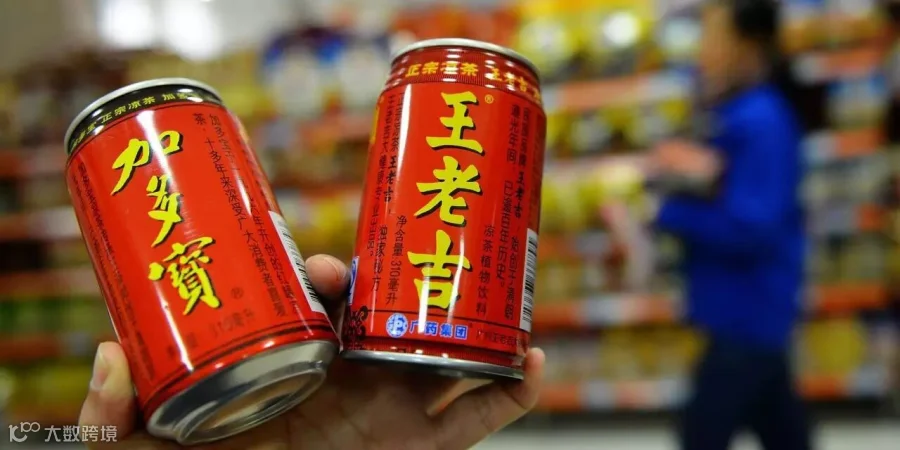
China’s Supreme People’s Court on Wednesday settled a yearslong trademark war between two of the country’s largest beverage producers, ruling that the companies will have to share the brand name and packaging design they’ve been fighting over.
Bitter rivals Wanglaoji and Jiaduobao both produce a sweet herbal tea. Besides being similar in taste, the two products share a long and complicated history.
Both companies behind the drinks — Guangdong Jiaduobao Drink & Food Co. Ltd. (JDB) and Guangzhou Pharmaceutical Holdings Ltd. (GP) — used to cooperate until a trademark dispute in 2011. The supreme court said in its verdict Wednesday that both companies “made important contributions” to the Wanglaoji trademark, and ended their legal fight in a draw.
The herbal tea brand Wanglaoji dates from 1828. But the company split in 1949, when relatives of its founder moved to Hong Kong. The Hong Kong branch sold the drink’s original recipe to JDB’s parent company, and in 1997 JDB started producing Wanglaoji in its famous red can under a licensing agreement with GP, which by then owned the brand’s trademark on the Chinese mainland. In parallel, GP also distributed herbal tea under the Wanglaoji brand, but only in green cartons.
According to financial newspaper National Business Daily, the trademark agreement was extended in 2003 to last until 2020. But in 2011, GP accused JDB’s general manager of engaging in bribery during the trademark extension negotiations, and said the agreement should be nullified on those grounds. GP filed and won an arbitration case that resulted in JBD being ordered to stop using the Wanglaoji trademark.
The following year, JDB and GP sued each other for trademark infringement. In January 2013, the Guangzhou Intermediate People’s Court ruled in GP’s favor, and ordered JDB to pay its rival 150 million yuan (then about $24 million). JDB changed its products’ design and name but continued its crusade by appealing the case to the supreme court. The company successfully argued that what customers liked most about Wanglaoji was the recipe that JDB owned.
“Previous verdicts were not advantageous to JDB, partly because GP is a state-owned company and is the authorizing party,” said You Yunting, an intellectual property lawyer at DeBund Law Offices in Shanghai. However, this verdict was different because the supreme court had earlier in the month issued an official opinion document calling for equal protection of all market parties, he added, which helped JDB.
You said he expects companies that lease out their trademarks to revise their contracts following this verdict in order to clearly state that trademark rights will be returned to their original owner when contracts are terminated.
In response to the ruling, GP told National Business Daily that they respect the verdict. And in a press release, JDB said it “warmly welcomes” the supreme court’s decision.
Editor: Kevin Schoenmakers.
(Header image: Cans of Jiaduobao (left) and Wanglaoji, herbal tea brands with similar packaging designs, are seen at a supermarket in Hangzhou, Zhejiang province, Dec. 20, 2013. Long Wei/VCG)
You may also want to read:
Tencent Sues Government Body for Refusing to Trademark Sound
Ant Man Takes on Alibaba in Trademark Battle
Why Tea Lovers Can No Longer Be Picky About Their Leaves
Want to get Sixth Tone stories delivered to your email?

Subscribe to our newsletter for a weekly roundup of the latest news and trending topics from China.
Sign up here: http://ow.ly/zgv530cPeV4 (Copy and paste the URL into your browser)