Central China’s first breast milk bank opens in Wuhan.
By Jessica Levine
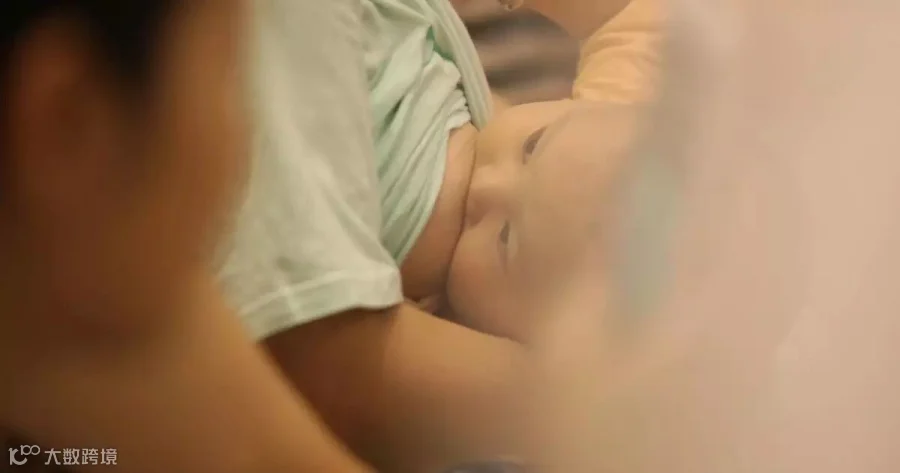
The first breast milk bank serving central China opened Monday in Wuhan, capital of Hubei province, providing premature and critically ill infants with potentially life saving breast milk, free of charge.
The new facility joins the more than 10 breast milk banks in operation in the nation, with the first established in Guangzhou — the capital of southern China’s Guangdong province — in 2013 and the opening of Shanghai’s first bank in June. However, Chinese breast milk banks still face numerous challenges, including insufficient governmental regulation and support.
But perhaps the most deeply entrenched obstacle that milk banks encounter is a lack of awareness about the critical benefits of breast-feeding, which contributes to a shortage of milk donors. During a trial run at the pioneering Guangzhou breast milk bank, a survey showed that only 25 percent of the 300 respondents were willing to donate their breast milk, and just 18 percent were willing to feed their infants donated milk.
The Chinese government is working to change national attitudes toward breast-feeding, such as through providing more nursing facilities that allow women to breast-feed in private. It has also taken measures to address the widespread reliance on baby formula over breast milk. A 2015 amendment to the country’s advertising law prevents baby formula companies from marketing their products as substitutes to breast milk. According to a breast-feeding series that U.K. medical journal The Lancet released in January, China’s baby formula industry was valued at $17.8 billion in 2014 and is projected to more than double by 2019.
The benefits of breast milk are wide-ranging due to the nutrients, antibodies, and active enzymes it contains. The World Health Organization (WHO) recommends that mothers exclusively breast-feed babies up to 6 months of age.
“For babies, breast-feeding can prevent gastrointestinal illnesses, childhood cancer, diabetes, upper-respiratory illnesses, and allergy symptoms. They get sick less often and have a higher IQ. For mothers, the longer you breast-feed, the lower your risk of developing breast cancer,” Marien Hou, a Shanghai branch leader for nonprofit La Leche League International, told Sixth Tone.
The Lancet series emphasizes both the health and economic benefits of the practice, stating that increasing exclusive breast-feeding up to 6 months of age would reduce treatment costs for childhood diseases by $30 million in urban China. “It is a mother’s responsibility to breast-feed her child; it is society's responsibility to promote breast-feeding,” said Lu Mai, Secretary General of China Development Research Foundation, at last’s month’s Beijing launch of the series.
However, according to WHO statistics in 2015, only 28 percent of China’s infants were exclusively breast-fed for the first 6 months of life. China’s State Council has set the goal of increasing exclusive breast-feeding to 50 percent for babies under 6 months by 2020, although a National Health and Family Planning Commission official claimed in August that over 50 percent of Chinese babies under 6 months are already exclusively breast-fed.
To further limit reliance on formula, Hou believes that more post-delivery support from hospital staff is necessary, noting that it’s very difficult to breast-feed if you don’t start right away. “Especially in the first three days, there is a misconception that mothers don’t have enough milk,” she said. “And in a formula milk society, people are taught to feed the baby every three or four hours. But that is not how breast-feeding works; watch the baby, not the clock.”
“Yue zi centers and yue sao agencies have a duty of care to provide qualified lactation assistance to the women in their care,” added Louise Roy, a certified lactation counselor from Shanghai-based Ferguson Women’s Health, referring to the traditional month-long postpartum confinement and recovery period for Chinese mothers.
But at the end of the day, it’s up to Chinese mothers to decide how to nourish their children. “I firmly believe in breast-feeding,” said Ye Lichun, a 29-year-old from Chongqing who has breast-fed her baby for over a year and helps other mothers do the same. “But a lot of new moms don’t have confidence in themselves, think they don’t have enough milk, and quit breastfeeding.”
Jia Yao, also from Chongqing, represents this camp. Jia gave birth to her baby four months ago but gave up on breast-feeding after a month. “In fact, I wanted to breastfeed my baby,” she told Sixth Tone. “But I had to pause for a while because my baby had jaundice. Plus, I am afraid of my breasts sagging, and I don’t have much time.”
Jia doesn’t believe that her decision will affect her baby’s health in the short term, but admits that it may have an impact on the child’s immune system down the road. “My opinion is that if possible, one should try to breast-feed. After all, mother’s milk is best,” she said, “but if not, some brands of formula are also safe to use.”
In addition to overcoming reluctant attitudes toward breast-feeding, breast milk banks in China face a lack of long-term funding, often relying on charitable donations once their initial grants begin to run out. At the Guangzhou bank, annual operating costs amount to 500,000 yuan ($74,000). “Milk banks can spend 2 yuan to store every milliliter of breast milk,” said Hou.
“The goal of setting up these milk banks is good,” Hu Min, chairman of the board at the China Alliance for Breastfeeding Action, told Sixth Tone. “But my concern is that China apparently doesn’t have national standards for collecting mother’s milk.” The new Wuhan milk bank said it will implement strict donor screenings as well as safety measures for milk collection and storage.
However, Hu believes this is not enough. “Milk banks should be like blood banks, with government support and systematic management,” he said.
Additional reporting by Yin Yijun.
(Header image: A mother breast feeds her baby at a shopping mall in Xian, Shaanxi province, Aug. 6, 2016. VCG)