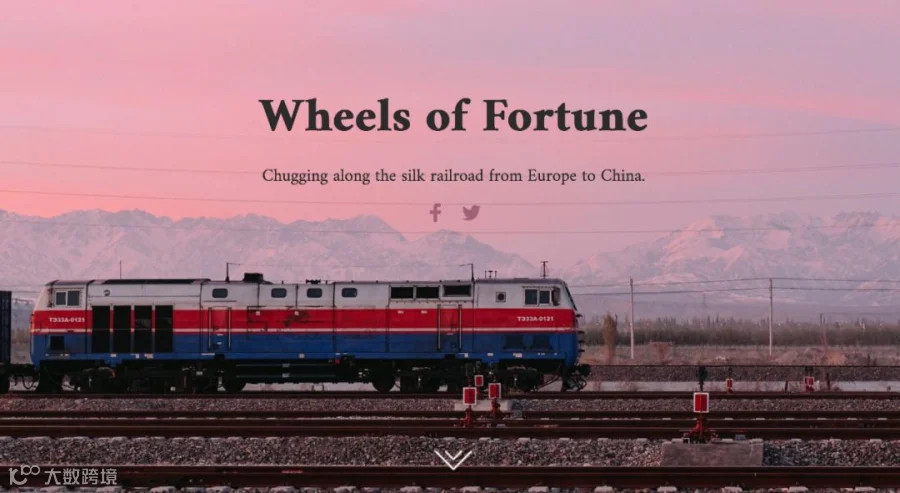
Chugging along the silk railroad from Europe to China
From the hallowed vineyards of Spain’s city of Valladolid, bottles of red wine navigate a long journey toward the increasingly thirsty consumers of China’s middle class. Usually, they go by sea, but an assortment of rail connections — launched in 2011 and heavily promoted under the transcontinental trade initiative, “One Belt, One Road” — has given merchants new routes to and from China.
Huang Jiangjiao, a Chinese entrepreneur who started his red wine business in 2011, now ships about 20 to 30 percent of his bottles by train. “I was looking for a faster way to ship wine from Spain to China, because I sometimes get express orders from clients,” he tells Sixth Tone.
These in-demand boxes of Vizar wine will travel through seven countries, passing the Kazakh-Chinese border, before ultimately reaching China’s eastern city of Yiwu, a place known for its manufacturing and exporting prowess. Much like the rest of the country, Yiwu is eager to build a reputation for importing, too.
The current 65 rail routes through Eurasia are collectively known as the China Railway Express. They mostly use the same tracks, but service different cities in Europe and China. Yiwu is the starting point for the longest railway connection, which chugs all the way to Madrid. As the train makes its way to and from Spain, the containers have to be hoisted onto new wheels three times because of differing track-widths between the seven countries.
Since the Yiwu-Madrid route launched, there have been 412 outbound trips to Spain, and only 105 trips to China, according to Yiwu Timex Industrial Investment Co. Ltd — the company operating all trains between Yiwu and Europe.
China Railway executive Han Xiao claims that train transport is 80 percent cheaper than air and twice as fast as maritime transport. Reversely, however, it is also slower and more expensive, respectively. For wine vendor Huang, only express deliveries make financial sense to send by rail, so he ships the bulk of his inventory by sea. “It’s much cheaper,” he says. Transporting a standard 40-foot container of goods by rail costs $2,500, according to Feng Xubin, CEO of Timex. Ocean freight costs a little over $200 per container.
Nevertheless, there have been over 11,000 China Railway Express trips as of October. Dubbed “the Silk Railroad” after the famed trading routes of yesteryear, the project aims to strengthen trade between China and Europe. To get a closer look, Sixth Tone reporters traveled to Spain, Germany, the Czech Republic, the Xinjiang Uyghur Autonomous Region, and Yiwu to trace this 21st-century Silk Road.
 Alberto Segovia Viccar, an 87-year-old farmer who has worked in vineyards since he was 13, holds grapes from his own vineyard, located in Toro, a well-known wine region in northwestern Spain.
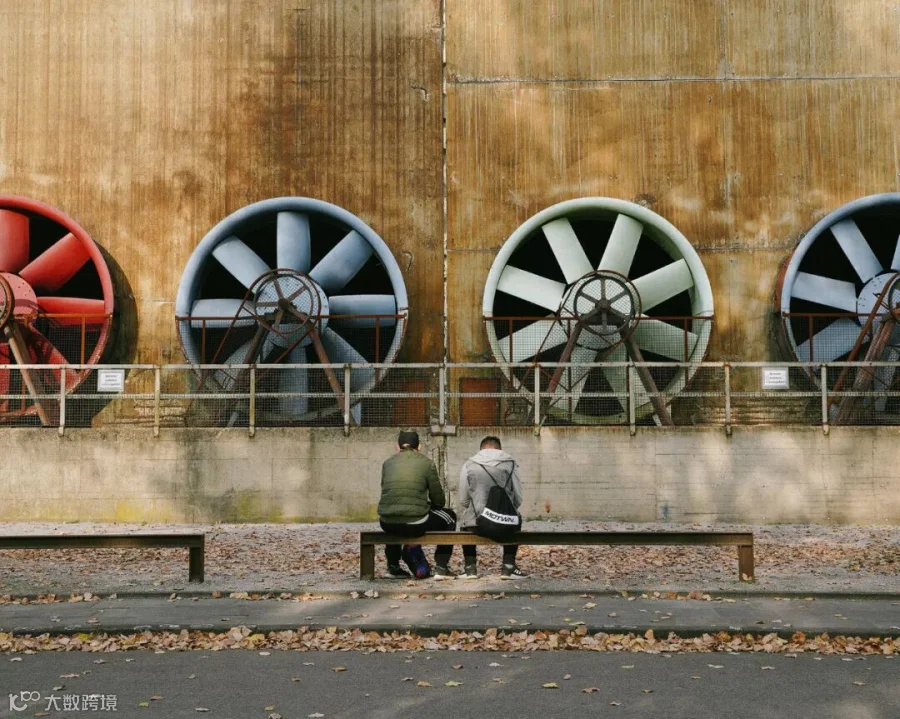 Landschaftspark Duisburg-Nord is a postindustrial landscape park in Duisburg, and represents the heavy industrial culture in the Ruhr area. The original site used to be a steel mill, which was abandoned in 1985.
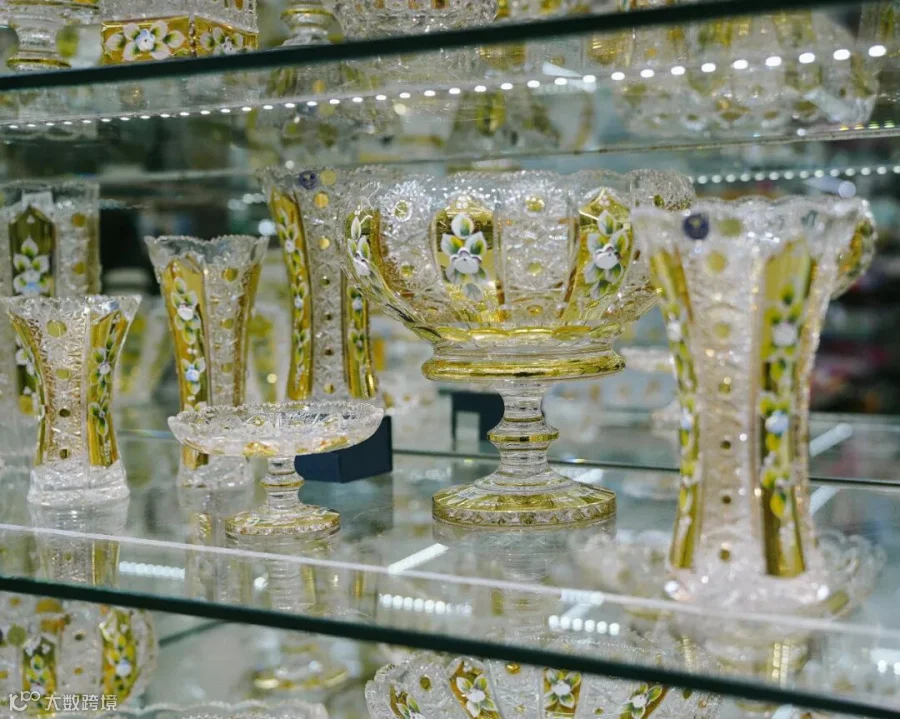
Crystal cups are displayed on a glass cabinet in a shop in Prague. With the China Railway Express trains, there are more exports to China of Czech crystal, Czech beer, and Škoda-branded automobiles.
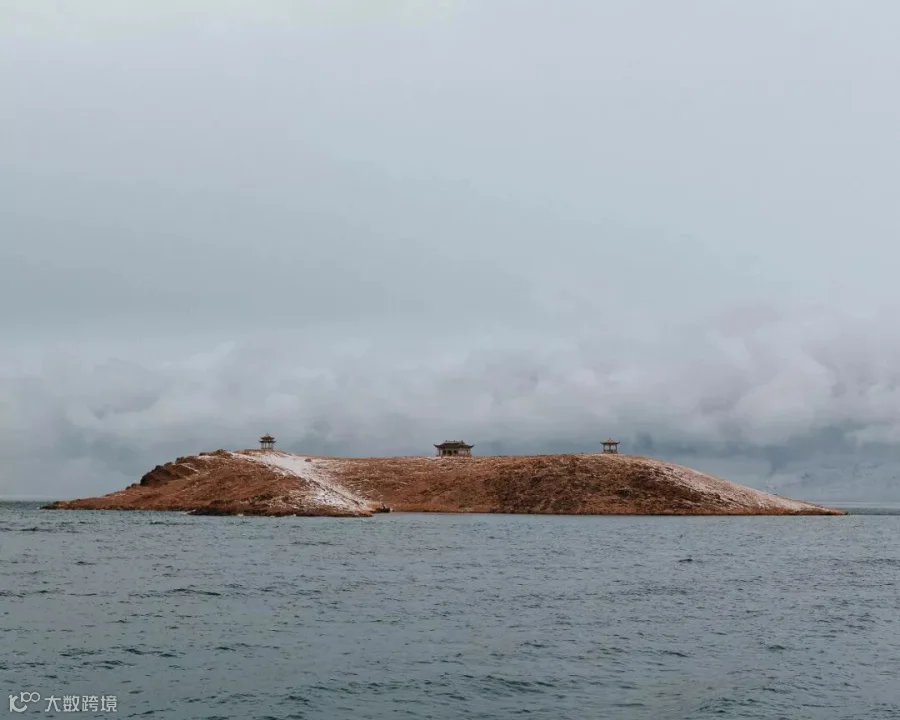
The year’s first snow falls on Sayram Lake in Bole, Bortala Mongol Autonomous Prefecture.
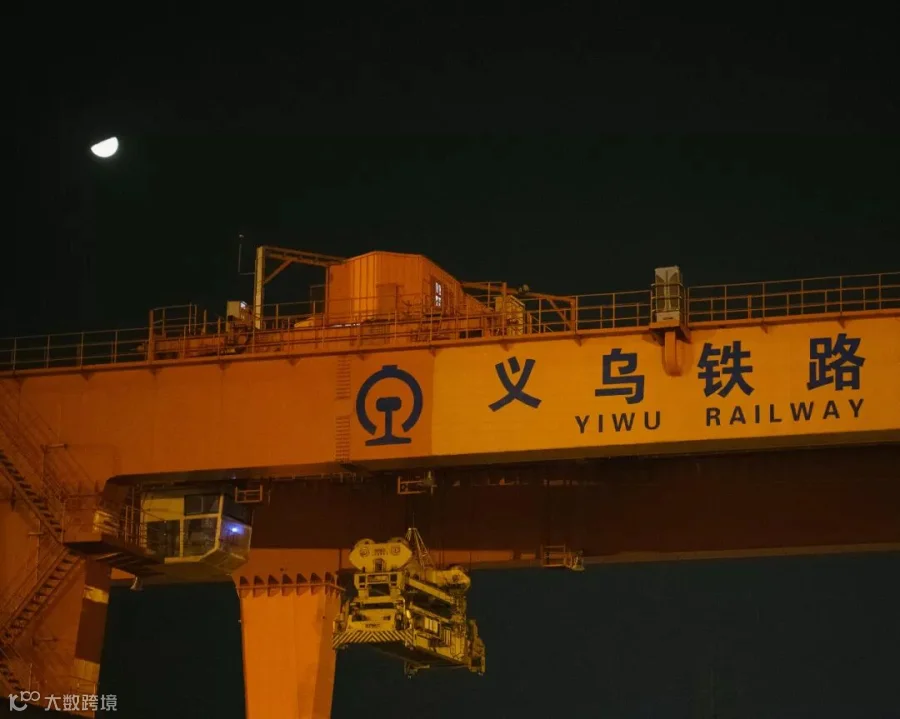 A night view of the freight yard at Yiwu Railway Port. Yiwu is both the starting and ending point of China Railway Express’ Yiwu-Madrid route.
Click 'Read Orignial' below to find out more about Wheels of Fortune
Want to get Sixth Tone stories delivered to your email?

Subscribe to our newsletter for a weekly roundup of the latest news and trending topics from China.
Sign up here:
http://ow.ly/zgv530cPeV4
(Copy and paste the URL into your browser)