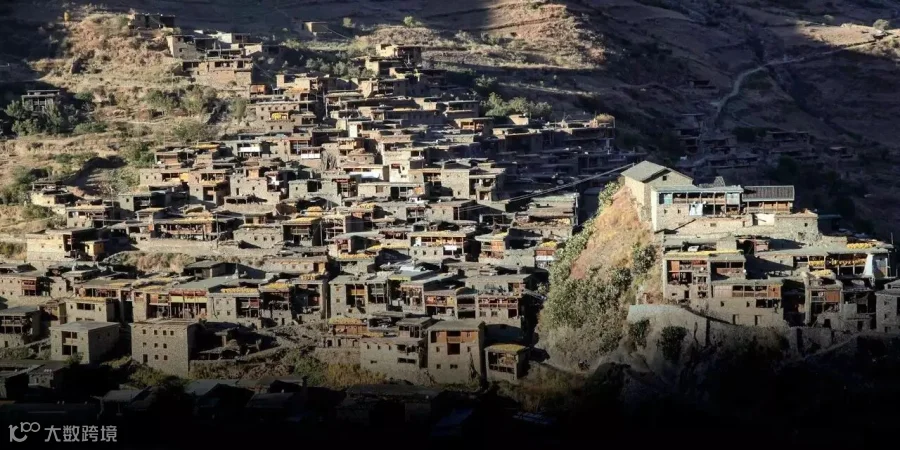
In 1935, demographer Hu Huanyong traced a diagonal line through China, from the edge of Siberia to the steamy subtropics.
What he found was a frontier of asymmetrical grwoth between east and west.
After more than 80 years, despite the country's trmendous economic and cultural transformation, the Hu Line still stands — and China must ask hard questions about its uneven development.
Stretching from Heihe on the Russian border to Tengchong on China's southwestern border with Myanmar, the Hu Line divides China into two parts.
To the east, just over one-third of the nation's land houses almost 94 percent of the country's population.
Only 6 percent of citizens — but most of the nation's ethnic minority groups — share the vast and varied terrain to the west.
Click 'read more' at the bottom of the screen to join us on our journey visiting the people and places along the Hu Line.
You may also want to read:
Hu Line: China's Forgotten Frontier
Success a Tall Order for World's Highest Craft Beer Brewery
Powering China With Darkness and Light
Want to get Sixth Tone stories delivered to your email?

Subscribe to our newsletter for a weekly roundup of the latest news and trending topics from China.
Sign up here: http://ow.ly/zgv530cPeV4 (Copy and paste the URL into your browser)