

The guideline sets boundaries for educators and has clearly defined provisions on academic misconduct, interpersonal relationships, and nonessential work assignments
China’s top education authority has issued a new guideline for graduate school academic advisers to prevent conflicts between students and their supervisors — an issue that has led to several incidents in recent years.
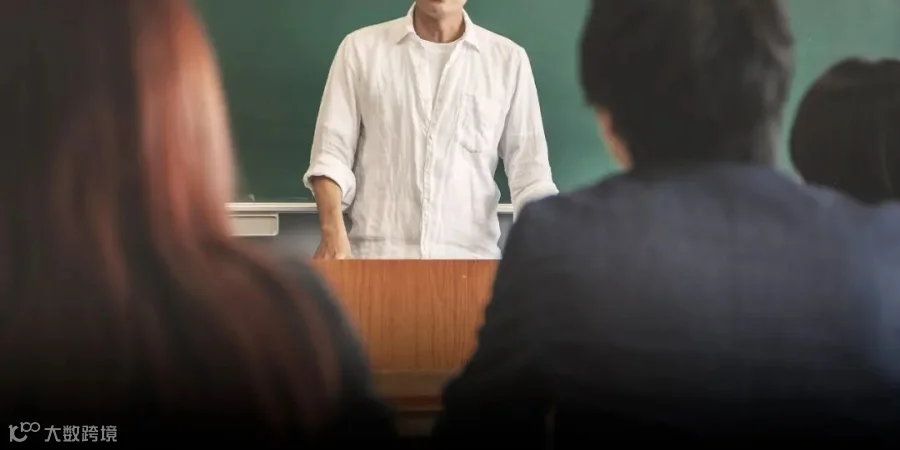
The Ministry of Education on Wednesday said that advisers supervising master’s degree candidates are prohibited from dominating their students’ private lives and having total authority over awarding degrees — an existing practice in many Chinese colleges. The new regulation also prohibits teachers from developing “inappropriate relationships” with their mentees, or directing any verbal abuse toward them.
The guideline for graduate-level academic advisers came just over a month after similar rules were introduced to improve supervisor reassignment procedures for doctoral students. The new rule will apply to 460,000 currently employed graduate academic advisers, according to official figures.
China’s rigorous academic system and frequently hostile working environment often pushes students to their physical and mental limits — sometimes even deaths. Time and again, supervisors have also been blamed for exploiting students with nonacademic work, like personal errands.
Last month, the suicide note from a master’s student at Dalian University of Technology in the northeastern Liaoning province once again raised questions over the mental health of students subjected to high academic pressure. In the note, the chemical engineering student wrote that he was “hopeless” about his research and wasn’t receiving much support from his supervisor either.
Xiong Bingqi, deputy director of the 21st Century Education Research Institute, an education think tank, said that the new code of conduct was a necessary step to better delineate the boundaries of academic advisers and clearly define their rights and responsibilities to prevent a potential abuse of power.
“In reality, China’s academic advising system isn’t sound or perfect,” Xiong wrote in the state-run newspaper Guangming Daily. “What worries the public is: It’s OK to grant power to teachers, but who can protect students’ rights?”
The new guideline for graduate advisers also includes rules on academic misconducts, which have plagued the country’s campuses in recent years. Advisers will be held equally responsible for any discrepancies in their students’ published works and be strictly reprimanded — violators would either be investigated, banned from teaching, or handed over to law enforcement.
However, the guideline doesn’t explicitly address sexual harassment involving educators, though a senior government official said last December that the ministry was taking a “zero-tolerance” stance toward educators who sexually harass their students, introducing a lifetime teaching ban for cases with an “adverse societal impact.” A professor with the graduate student tutoring qualifications at central China’s Henan University was removed from his post in October after being accused of sexually harassing his student.
“It’s about time we have a guideline. Let’s give master’s students a pure land,” wrote one user on microblogging platform Weibo.
However, not many seemed entirely convinced the provisions in the new guideline would bring changes to the educational system. While some said the new rules “stated the obvious,” others added the intended regulation has come “a little late.”
“I wouldn’t have known (having inappropriate relationships with master’s students) was wrong without the guideline,” a Weibo user quipped under a related hashtag.
“How will the guideline work (with the punishment system)?” asked another. “There is a huge question mark here.”
Want to get Sixth Tone stories delivered to your email?

Subscribe to our newsletter for a weekly roundup of the latest news and trending topics from China.
Sign up here:
http://ow.ly/zgv530cPeV4 (Copy and paste the URL into your browser)