


The wangchuan ceremony, also called ong chun, originated from the tradition of ocean-goers praying for safety before setting sail. The ritual, which is now centered around China’s coastal Xiamen and Quanzhou Bay areas, as well as the Chinese community in Melaka, Malaysia, evokes historical memories of ancient voyagers and honors the harmony between humankind and the ocean.
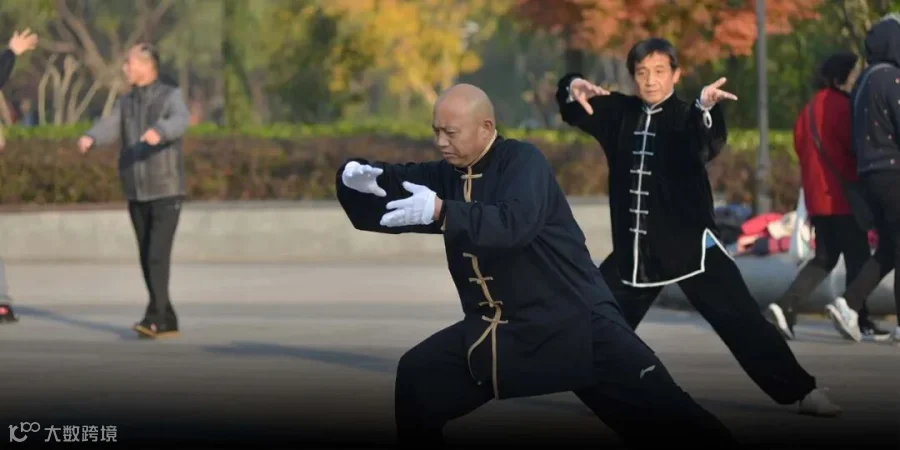
Tai chi, a traditional exercise characterized by circular movements and channeling the body’s vital energy, or qi, is widely practiced in China for both self defense and general health. Although rooted in martial arts, its tenets of meditation and regulated breathing have helped it gain broad popularity as a therapeutic exercise practiced by over 100 million people worldwide.
The status of tai chi as a viable martial art has been questioned in recent years. Self-described tai chi masters Lei Lei, Chen Yong, and Ma Baoguo were handily defeated by amateur mixed martial artists determined to expose renowned tai chi practitioners they consider frauds. Many reacted to the lopsided victories by suggesting that perhaps tai chi, while useful to many, should not be considered in the same category as more physical, combative arts.
China’s first application to have tai chi enshrined among the world’s Intangible Cultural Heritages was rejected by UNESCO in 2008 for being “too vague.” Not until nearly a decade later, in 2017, did the country apply for the art’s recognition again, amid speculation that South Korea and Japan were planning to put forward similar nominations.

Sign up here:
http://ow.ly/zgv530cPeV4 (Copy and paste the URL into your browser)