


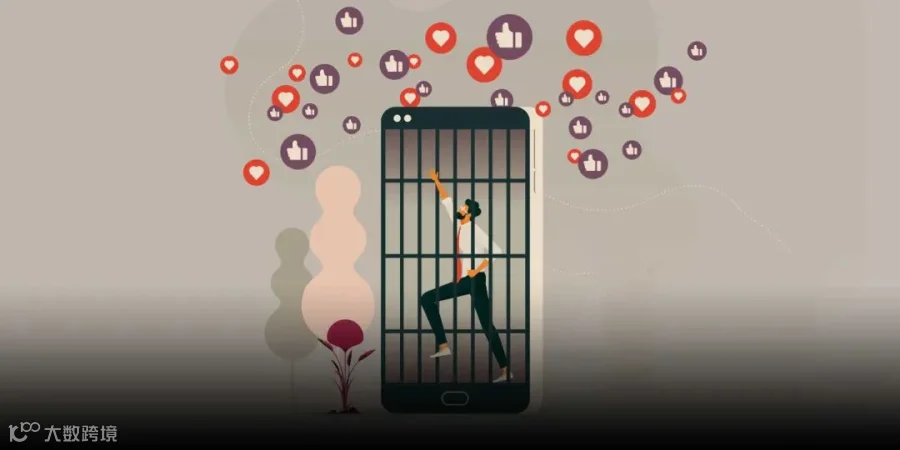
The trend has alarmed authorities, with state media warning that posts turning crime into entertainment erode respect for the law and re-traumatize victims.
A former Chinese banker who spent nine years in prison for embezzlement has ignited a nationwide debate after briefly reinventing himself as a social media star, drawing 22,000 followers before the account was shut down.
The banker, surnamed Xiao, was convicted of illegally absorbing client funds at a China Minsheng Bank branch in Beijing. Prosecutors said he and his boss tricked 147 investors into fake wealth management products worth more than 2.7 billion yuan ($376 million). He was sentenced to nine years in prison and fined 90,000 yuan.
On Aug. 19, Xiao began posting on Douyin, Chinese version of TikTok, recounting his life before and after prison. Within days he had built an audience of 22,000, before the platform removed all his videos and said he was banned for using his criminal past to attract attention, in violation of platform rules.
His case highlights a growing trend of former prisoners using social media to turn their past into content, a trend now drawing scrutiny from state media.

A screenshot of Xiao’s Douyin account shows him recounting his prison experiences.
Since a convicted rapist went viral in 2022, others have drawn followings by styling themselves as the “most beautiful fugitive,” or by offering prison survival guides and cellmate tales. Their videos draw large audiences, splitting opinion between those intrigued by the raw stories and those who see them as glorifying crime.
This week, state-run People’s Daily warned that turning crime into content trivializes criminal harm and erodes respect for the law, and risks spreading the dangerous idea that crime can still bring fame and profit.
“When released prisoners market their criminal experiences and prison life as sensational ‘stories,’ even glorifying them as ‘inspirational’ or ‘thrilling’ to attract attention, they inherently trivialize the harm of criminal behavior and undermine the authority and seriousness of the law,” it said in a commentary.
By contrast, when former prisoners share professional skills or entrepreneurial experience, the paper added, such efforts should be encouraged.
Online, however, some netizens hail such former convict influencers as “truth-tellers” with compelling stories, even treating them as idols. And platforms chasing traffic allowed such content to circulate widely despite its controversy.

Memes of bike burglar Zhou Liqi, aka “Qie Guevara.” From @吃西瓜的PS君 on Weibo
One of the most high-profile cases came in 2020, when agencies rushed to sign repeat offender Zhou Liqi, nicknamed “Qie Guevara” online. More than 30 firms reportedly offered contracts worth millions of yuan, drawing heavy criticism that the industry was trying to turn his criminal record into profit. Zhou ultimately refused.
Amid the public outcry that followed, the China Association of Performing Arts, under the Ministry of Culture and Tourism, announced it would blacklist any agency marketing past criminal behavior.
Editor: Marianne Gunnarsson.
(Header image: Peerayut/VectorStock/VCG)

(Copy URL and open in browser)