


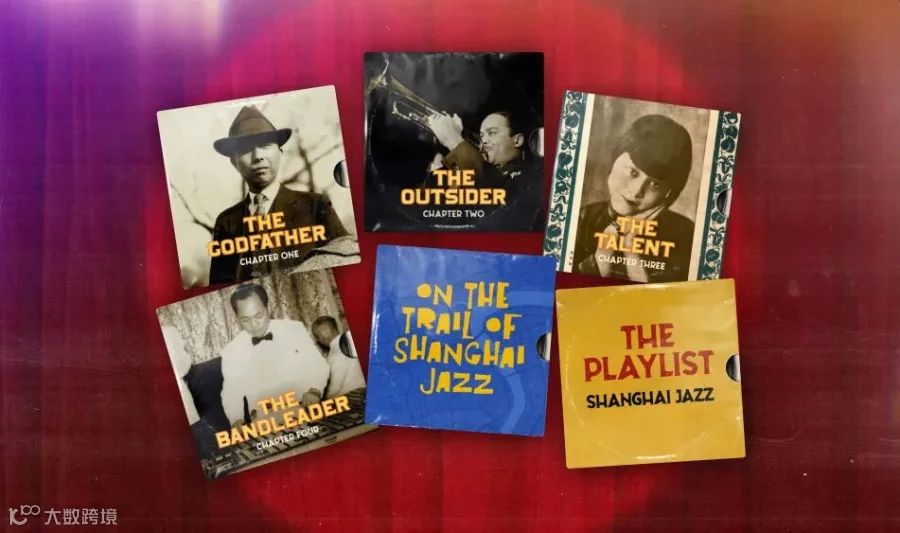
A teacher who dreamed of scoring China’s revolution. An orphan who was kidnapped and sold by her uncle. A Black trumpeter who couldn’t land a gig at a hot-dog stand. And a Filipino bandleader who helped lay the groundwork for what became Cantopop.
Drawn by dreams of making it big, they arrived in interwar Shanghai from across China and the world. They found a city split — politically and economically — as old traditions crumbled under the weight of a new mass culture and the revolutions of the 1920s and ’30s.
Within a decade, they would change Chinese pop music forever.
While the years after World War I are remembered as America’s “Jazz Age,” the genre itself was a global sound, shaped as much in Paris, Calcutta, and Havana, as in Harlem.
Shanghai was no exception. Imported records, films, and performers fueled a dizzyingly multicultural scene, where nightclubs competed for talent from America, Russia, the Philippines, and soon China itself.
Amid the din, a young American trumpeter named Buck Clayton — later a pillar of Count Basie’s band — found both steady work and a city already fluent in jazz. Beneath the glamor of its idols and expatriate bands ran a restless current of experimentation, as local musicians, inspired by foreign sounds, began blending jazz phrasing with Chinese folk melodies, shaping the country’s first popular songs. Sung by a new generation of women defining the boundaries of modernity, those tunes captured the ache and thrill of city life and soon spilled across Asia and beyond.
This is the story of the misfits, migrants, and mavericks who improvised a musical revolution.
To read the full story, scan the QR code or click Read More.