

New installed capacity targets have been announced this week. Jiangsu has announced that it plans to install 2.6 GW of new energy storage capacity by 2025 while Henan plans to reach 50 GW of renewable energy capacity by the same year. At the same time, Guangdong approved a 2-GW coal power plant megaproject, which should be completed in 2025, underlining China’s strategy to develop thermal and renewable energy in parallel.
China’s power market continues making strides. The first interprovincial green power transaction between Shanghai and Gansu took place, and Hubei is now among the provinces promoting ‘new energy direct power supply’. In our Corporate Net Zero Pathways column, we look at what new energy direct power supply is and its implications for different power market actors.
The Azure Research
and Strategy team

News summary
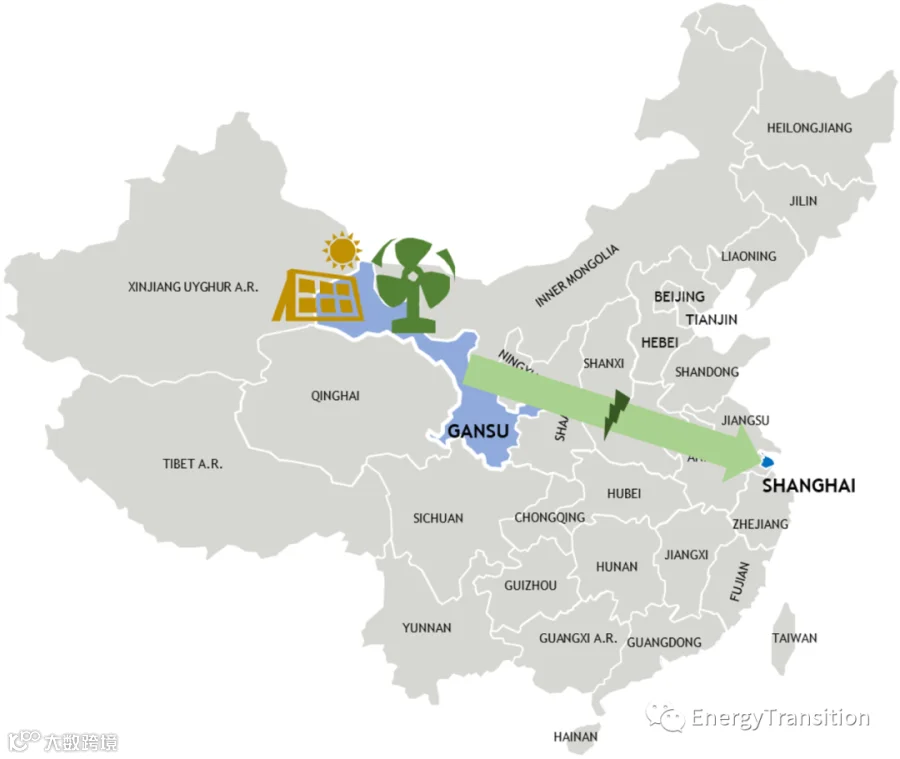
Gansu and Shanghai complete the first inter-provincial green power transaction
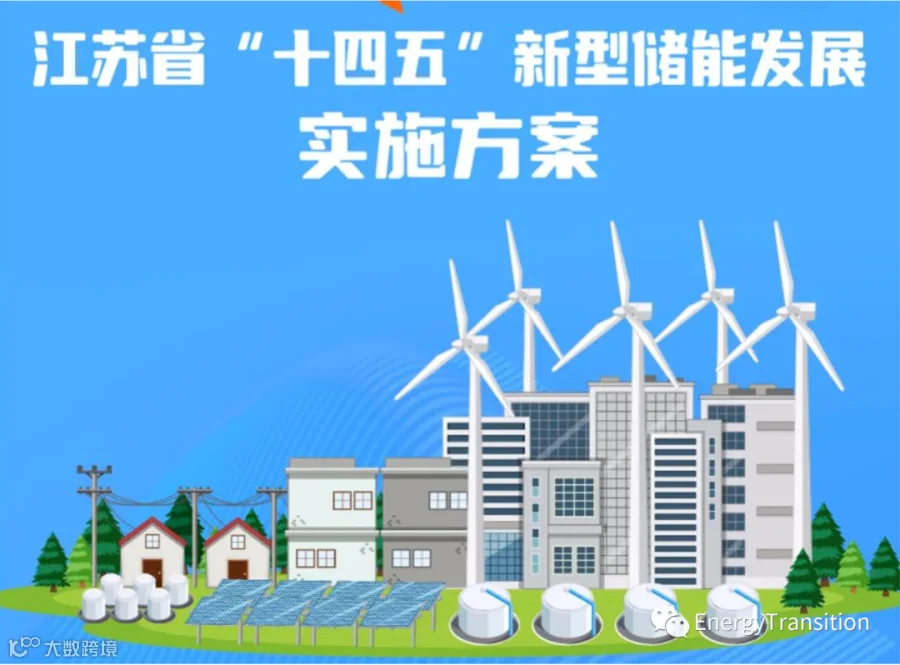
Jiangsu sets 2.6 GW new energy storage capacity target by 2025
Henan renewable energy installed capacity to reach 50GW by 2025
Guangdong provincial government approves 2-GW coal plant in Meizhou county
Corporate Net Zero Pathways: What are the key takeaways of the ‘new energy direct power supply’ (新能源直供电)policies?

Gansu and Shanghai complete their first inter-provincial green power transaction

Jiangsu sets 2.6 GW new energy storage capacity target by 2025
The Jiangsu Development and Reform Commission issued the implementation plan for the development of new energy storage in Jiangsu Province during the "14th Five-Year Plan". According to the plan, by 2025, new energy storage will have entered the stage of large-scale development and the province's new energy storage installed capacity will reach about 2.6GW. The plan also includes the following tasks:
Supply side: focus on "new energy + energy storage" mechanisms. Solar power projects can equip themselves with storage capacity or purchase such services on the market.
Demand side: make full use of the time-of-use electricity price policy and capacity electricity fee mechanism, actively cut peaks and fill valleys, encourage the aggregate utilization of new energy storage facilities, participate in the ancillary services market.
Grid side: Orderly development on the grid side. The key development direction of new energy storage on the grid side is grid emergency backup.
(Jiangsu DRC)

Henan renewable energy installed capacity to reach 50GW by 2025
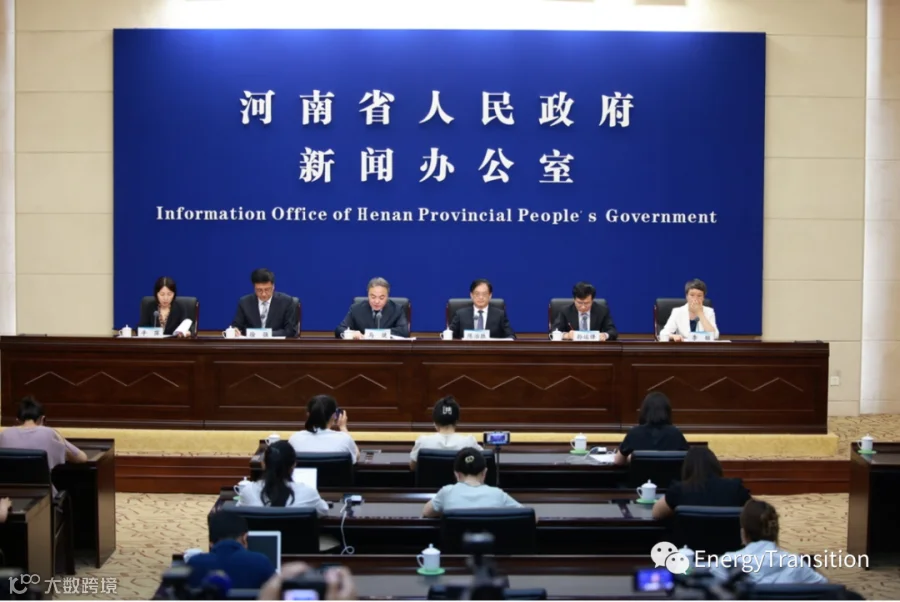
The Henan government issued a work plan for accelerating infrastructure construction and stabilizing the economy.
The plan suggests continuing to promote the construction of four GW-class wind power bases, 4 large-scale utilization demonstration zones for geothermal heating, and ‘county-wide rooftop distributed PV’ and ‘PV +’ projects.
The plan expects that the installed capacity of renewable energy power generation will reach more than 50 GW by 2025 (by the end of 2021, Henan had installed 15.6GW of solar, 1.9GW of wind and 4GW of hydro).
(Henan GOV)

Guangdong provincial government approves 2-GW coal plant in Meizhou county
The Guangdong Provincial Development and Reform Commission has approved the construction of the Guangdong Yudean Dapu Power Plant Phase II Project.
The project is composed of 2×1000 MW high-efficiency ultra-supercritical coal power plants representing an investment of CNY 8 billion (USD 1.2 billion), or approximately 4000 CNY/kW.
The project is developed by Guangdong Yudean Dapu Power Generation Co., Ltd. and will be completed in 2.5 years. Such plants are designed to last more than 40 years.
(Guangdong DRC)
Corporate Net Zero Pathways
What are the key takeaways of the ‘new energy direct power supply’ (新能源直供电)policies?
Dear reader:

—Azure Research and Strategy team

Scan the QR code to follow the official account of Azure International Technology Development (Beijing ) Co.,Ltd