Many provinces have been releasing 14th Five Year Plan related documents lately. We have identified a few interesting targets for new energy this week: Guangxi plans to install 18 GW of new wind capacity, Shanxi will not increase its absolute coal power capacity, and Zhejiang targets 3 GW of new energy storage capacity.
Another major document was released by the National Energy Administration concerning new energy storage. According to this new plan, New Energy Storage Systems (ESS) with an independent legal entity will be able to be converted into independent ESS. This would mark a big step forward towards providing financially attractive business models for ESS projects. We delve into this policy in our Corporate Net Zero Pathways Column.
The Azure Research and Strategy team
News summary:
1. Guangxi targets 18 GW of newly installed wind power capacity during the 14thFYP
2. Shanxi will not increase its coal-fired capacity during the 14th FYP period
3. 300 MW Guangdong Zhanjiang Xuwen Offshore Wind Farm was approved by the Guangdong DRC
4. Zhejiang plans to build 3 GW of new energy storage capacity during the 14thFYP
5.Corporate Net Zero pathways: NDRC releases policy to boost the development of independent energy storage in China
Guangxi targets 18 GW of newly installed wind power capacity during the 14th FYP
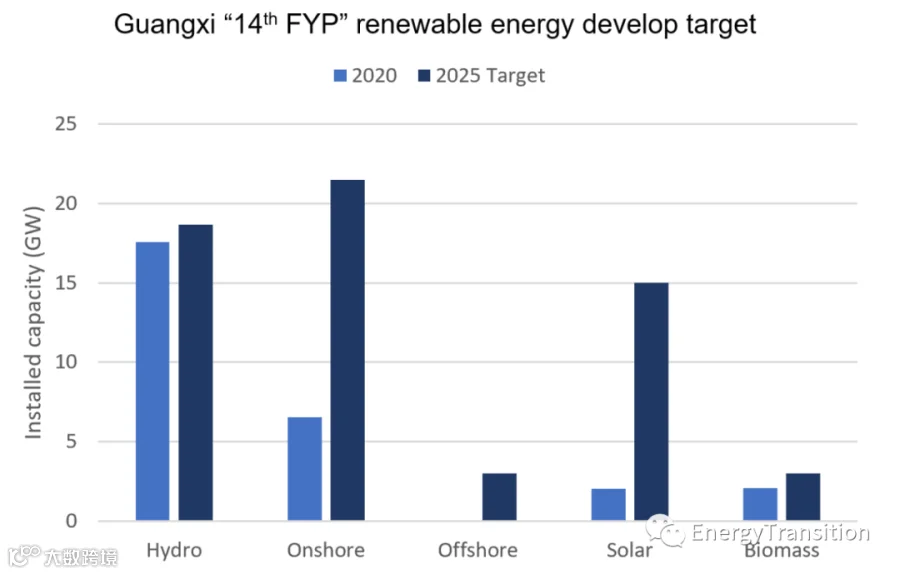
Guangxi Development and Reform Commission issued the "14th Five-Year Plan for Guangxi Renewable Energy Development". The "Plan" pointed out that by 2025, grid-connected renewable energy installed capacity and power generation will reach 61GW and 126 TWh respectively. Consumption of renewable energy will reach 36 million tons of standard coal equivalent, accounting for 25% of total energy consumption. For reference, Guangxi had a total of 28 GW of installed renewable capacity at the end of 2020. The province would thus more than double its installed capacity in 5 years.
Shanxi will not increase its coal-fired capacity during the 14th FYP period
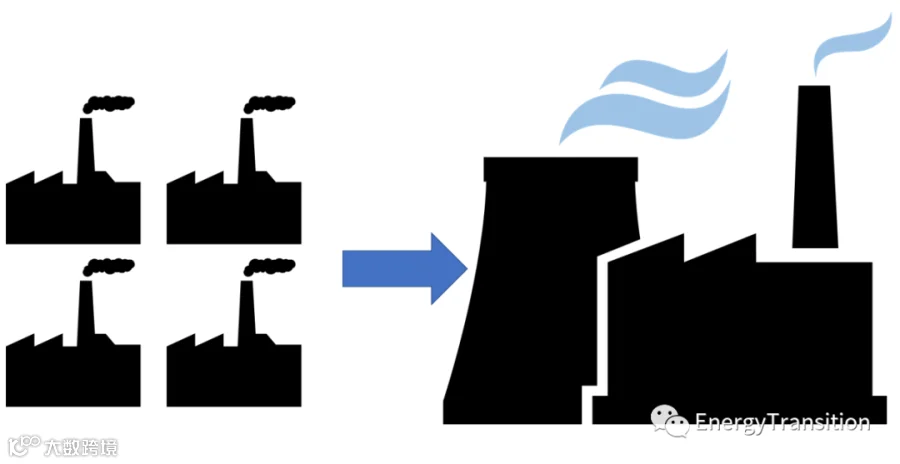
Shanxi Provincial Energy Bureau released the second public participation information announcement of the "14thFive-Year" Development Plan Environmental Impact Report of Shanxi Electric Power Industry. The plan proposes that during the 14th FYP period, the province's total installed power capacity will exceed 173GW, of which the coal power installed capacity will be 83-90GW (48-52 % of total). The installed capacity of coal-fired power in the province will not exceed the planned scale of the 13th FYP, and any extra capacity of new coal-fired power units will be compensated by retiring old ones.
300 MW Guangdong Zhanjiang Xuwen Offshore Wind Farm was approved by the Guangdong DRC
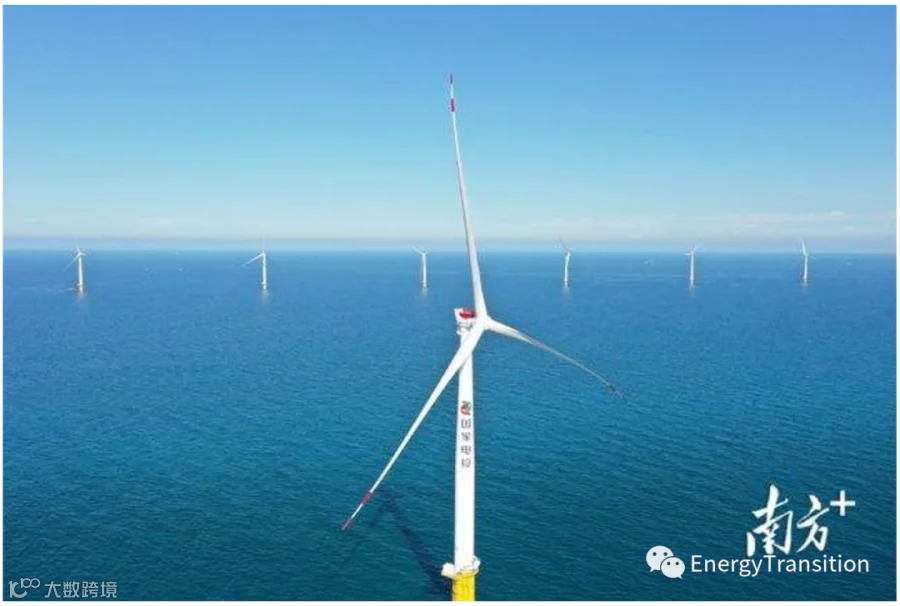
Last week, the Guangdong Xuwen County Development and Reform Commission approved the 300MW capacity expansion project of Guangdong Zhanjiang Xuwen Offshore Wind Farm to be developed by State Power Investment Corporation. The project represents a CNY 3.76 billion (USD 560 million investment), or 12500 CNY/kW (1870 USD/kW).
The construction site is in the sea east of Baimao Village, Jinhe Town, Xuwen County, Zhanjiang City, Guangdong Province. The construction will take place from December 2022 to June mid-2024. This project is a key construction project of Guangdong Province in 2022.
Zhejiang plans to build 3 GW of new energy storage capacity during the 14th FYP
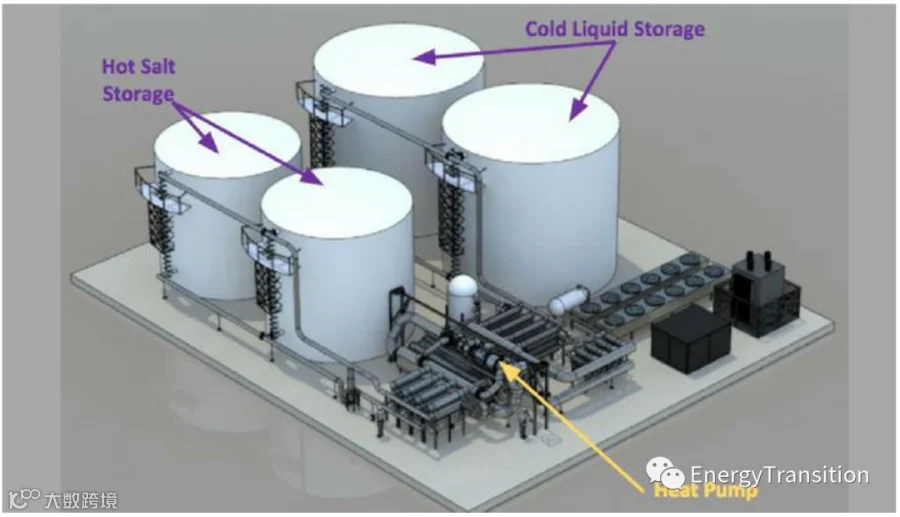
The Zhejiang Provincial Energy Administration issued the "14th Five-Year Plan for New Energy Storage Development in Zhejiang Province". During the 14th FYP period, about 3GW of new energy storage capacity will be built in Zhejiang Province, and the first batch of demonstration projects in the province will be selected. The plan pointed out that pilot demonstrations and core technologies development will be promoted. Energy storage applications should be expanded to fields such as hydrogen storage, heat storage, and cold storage. 10 user-side energy storage demonstration projects will be launched using different technologies (6 battery, 3 molten salt, and 1 liquid air).
Corporate Net Zero pathways: NDRC releases policy to boost the development of independent energy storage in China
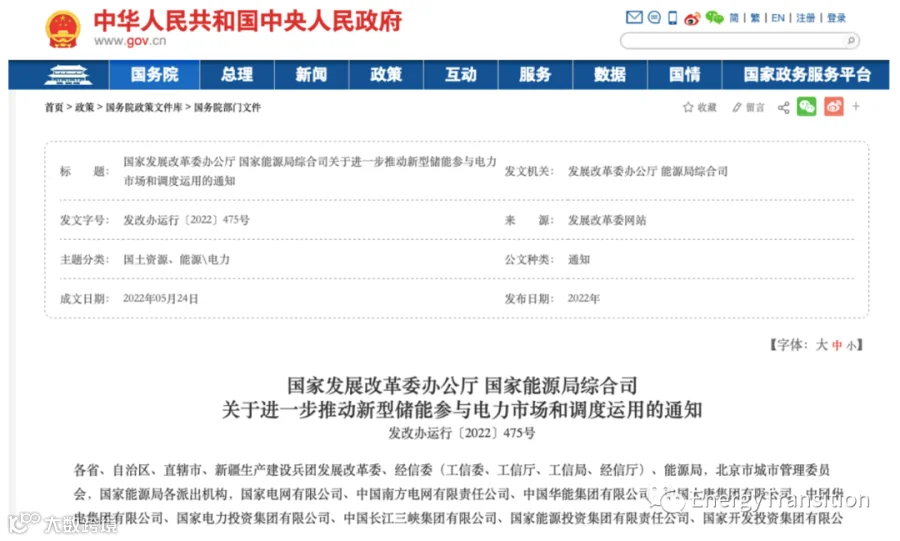
Last week, the National Development and Reformation Commission (NDRC) published the Notice about Further Promoting New Energy Storage Systems to Participate in Power Market and Dispatch Operations《关于进一步推动新型储能参与电力市场和调度运用的通知 发改办运行〔2022〕475号)》. In China, new energy storage doesn’t include pumped hydro storage. With independent measurement, control and other technical conditions, as well as the access to the dispatch automation system and the feasibility to be monitored and dispatched by the power grid, New Energy Storage Systems (ESS) with an independent legal entity can be converted into Independent Energy Storage Systems, as independent entities participating in the electricity market, complying with relevant standards, specifications and the requirements set by the electricity market operator and other regulators. (具备独立计量、控制等技术条件,接入调度自动化系统可被电网监控和调度,符合相关标准规范和电力市场运营机构等有关方面要求,具有法人资格的新型储能项目,可转为独立储能,作为独立主体参与电力市场。)
In the document, several key messages could represent opportunities for ESS projects:
1. About reasonable economic return of ESS:
Reasonable economic return of ESS projects should be guaranteed through a market mechanism that will be adapted to the characteristics of ESS. The price will be determined by the market.
2. About Independent ESS:
Independent ESS projects will be allowed to participate in the power mid-long term wholesale market and power spot market as independent entities. They will be encouraged to sign power contracts for peak and valley hours, in order to “fill the valleys and shave the peaks”. If independent ESS projects sell power to the public grid, T&D and government fund fees for the power that is used to charge the ESS will be waived. 独立储能电站向电网送电的,其相应充电电量不承担输配电价和政府性基金及附加。
Independent ESS projects are encouraged to participate in the power ancillary service market. Service charges shall be shared by power generators and power users based on the principle of “whoever provides the service will make earnings, whoever benefits from the service will pay for it”.
3. About ESS bundled with power generation projects:
ESS and power generation projects are encouraged to participate in the power trading market as a single entity, to improve the power grid integration of renewable energy and guarantee power consumption efficiency.
4.About User Side ESS (behind the meter):
Further widening the peak-valley price gap of power users by increasing the differences between the ceiling and floor prices in the mid-long term wholesale market and power spot market.
5. About Grid Side ESS:
Encourage the construction of energy storage facilities on the grid side based on the needs of power system operation. Research on how to set up a capacity price mechanism for grid side ESS and how to gradually promote the participation of such projects in the power market. Explore how to recover the cost of grid-substituting energy storage facilities through T&D price.
The new rules are very positive for the ESS market in China. For the time being, although ESS project’s IRRs are improving in many provinces, they are not very attractive to a lot of investors, which is the biggest hurdle to unlocking the potential of ESS. In certain provinces, such as Shandong, ESS projects can have opportunities to make profits thanks to a more diversified power market. In others, however, the business models available for ESS projects remain rather limited. The new national rules reiterate the possibility of independent ESS projects to venture into both power market and ancillary services markets. The 20% charging cost reduction for independent ESS projects is expected to attract more market investors into the market (the average total of T&D and government fund charges reach around 0.14 CNY/kWh (110kV, two-part-tariff) while the current average charging cost excluding T&D and charges is around 0.46 CNY/kW, precise impact depends on the province).
For the generation side ESS projects, historically ESS operators tend to partner with power generation projects for low electricity charging costs. On the other hand, working with ESS can help wind and solar power projects meet the energy storage bundling requirements set by the local resource allocation policies and reduce curtailment. The new national rules have somehow indicated that bundled ESS and power generation projects are encouraged to participate in the power market as one single entity. As some renewable power projects have bundled with ESS by signing service contracts with an independent ESS service provider, instead of owning the ESS through direct investment, the ESS service provider would lose its status as an independent ESS, which would give access to more commercial opportunities. It is not clear how this will impact the current new energy projects.
On the other hand, the peak-valley gap of time of use (TOU) pricing on the power user side will be further widened, which will reinforce the value of ESS in transforming power consumers to prosumers. Finally, the cost of grid-side ESS can be recovered through T&D prices, which will enable grid companies to make significant investments on energy storage technologies and facilities.
Welcome to follow the official account and leave message, or contact us via email to get more information。
E-mail address:
ziguang.zhang@azure-international.com
zongning.lyu@azure-international.com
You are welcome to scan the QR code below to follow the official account of Azure International Technology Development (Beijing) Co., Ltd.: