Shandong has recently released one of the most ambitious provincial offshore wind plans to date. By 2030, it plans to have 35 GW of installed offshore wind power capacity and 8 GW by 2025. This would represent a more than fifteenfold increase compared to the end 2022, as it plans to have 2 GW installed by then. Such ambitious plans might be achievable given China’s current capacity growth – CREEI expects China will install 56 GW of wind power in 2022, including 6 GW of offshore wind.
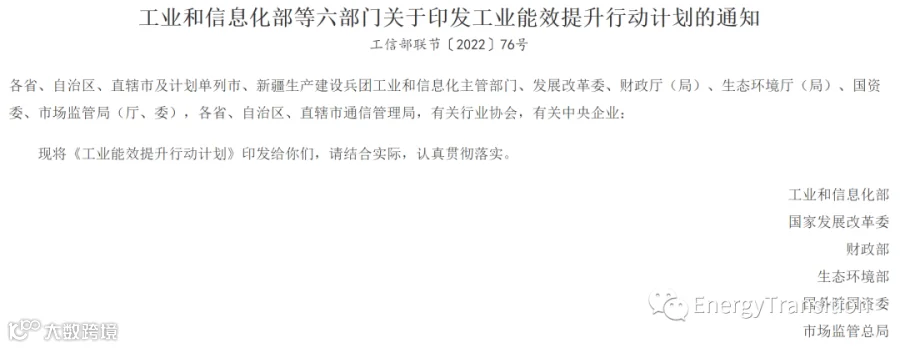
China’s industry will represent a major consumer of renewable power. A recent action plan released by six central government departments encourages keys industries to increase their share of renewable power consumption, including through the power market. The plan expects that by 2025, power will represent 30 % of industrial final energy consumption.

1. Shandong province plans to have 35GW offshore wind grid connected by 2030
2. China could install 56 GW of new installed wind capacity in 2022 according to CREEI
3. Shanghai has carried out research on technologies related to hydrogen production from deep-sea wind power
4. The largest single-unit capacity onshore wind turbine project was put into operation
5. Corporate Net Zero pathways: Six central government departments promote green electricity and energy efficiency for industry

Shandong province plans to have 35GW offshore wind grid connected by 2030

China could install 56 GW of new installed wind capacity in 2022 according to CREEI
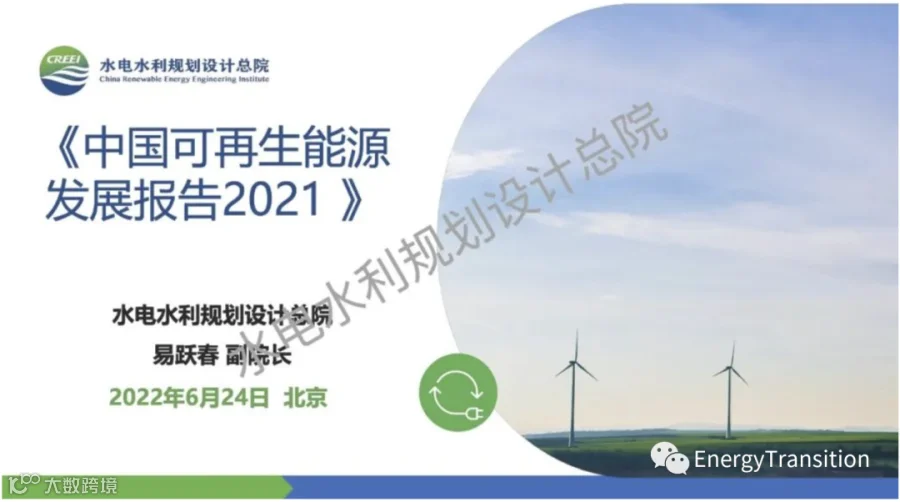
The China Renewable Energy Engineering Institute (CREEI) released its "China Renewable Energy Development Report 2021".
According to the report, China could install 56 GW of new wind power generation capacity in 2022, including 6 GW of offshore wind. In 2021, China added 47.5 GW of new wind capacity, including 17 GW of offshore wind.
The report describes that costs have declined steadily in the past years. The CAPEX of onshore wind projects situated in open plain areas is roughly 5,800 CNY/kW compared to 7,200 CNY/kW for mountainous areas and 18,500 to 23,500 CNY/kW for offshore wind.
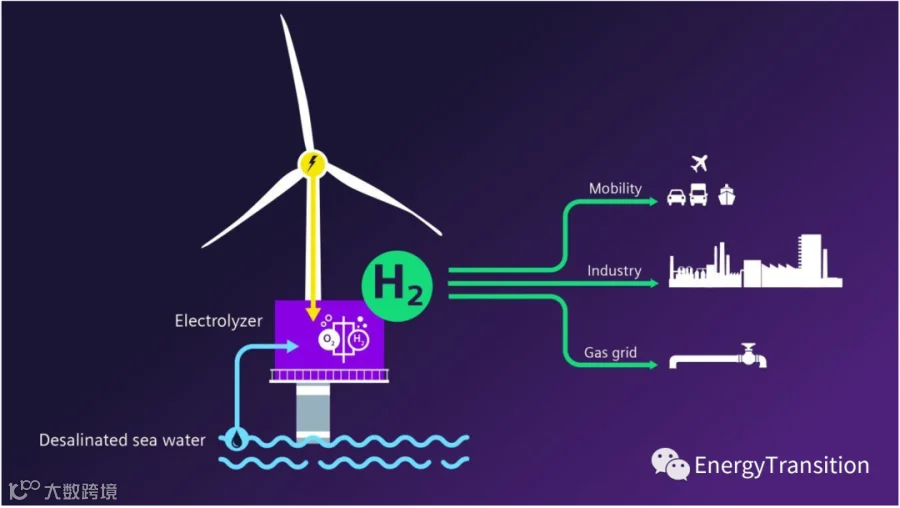
Shanghai has carried out research on technologies related to hydrogen production from deep-sea wind power
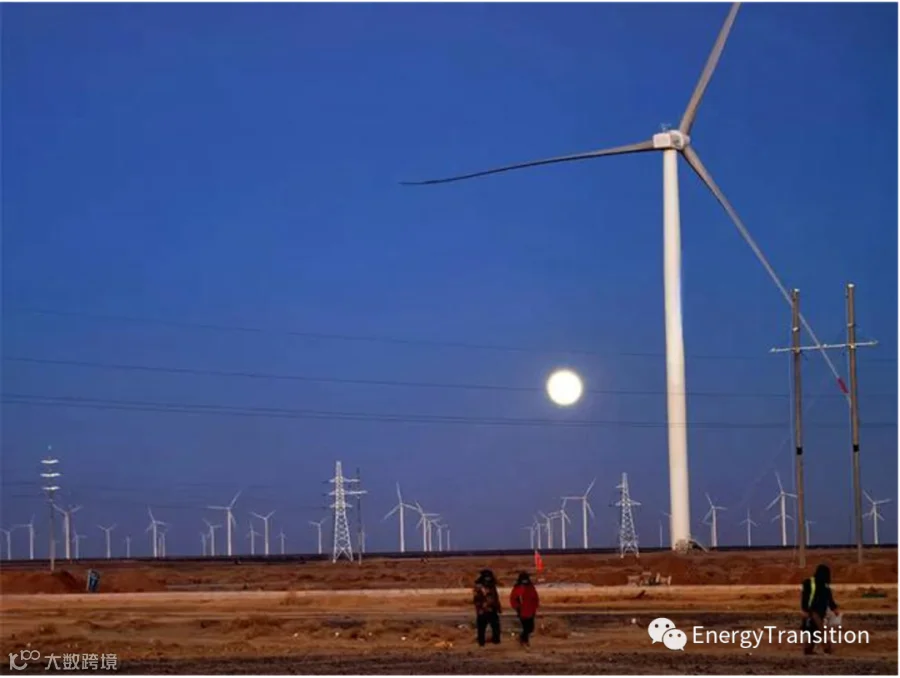
China’s largest single-unit capacity onshore wind turbine project was put into operation
Corporate Net Zero pathways: Six central government departments promote green electricity and energy efficiency for industry
-
Support companies and industrial parks to build green microgrids, accelerate the development and operation of integrated systems including distributed photovoltaics, and wind power, high-efficiency heat pumps, waste heat and pressure utilization, etc. Encourage development of "photovoltaic +" models. -
Encourage the purchase of green electricity through the electricity market, and the use of nearby renewable energy sources on a large scale and at a high rate. -
Encourage the priority use of renewable energy to meet the additional electricity demand of ‘replace with electricity’ projects. By 2025, electricity will account for about 30% of industrial final energy consumption. -
Vigorously develop new energy equipment such as high-efficiency photovoltaics, large-scale wind power, smart grids and high-efficiency energy storage.