Here in China, one of the first questions a potential wine buyer will ask about a wine is “what’s the alcohol level”. The alcohol level is used as a deciding factor in the wine quality. But does the ABV of a wine REALLY determine the quality?
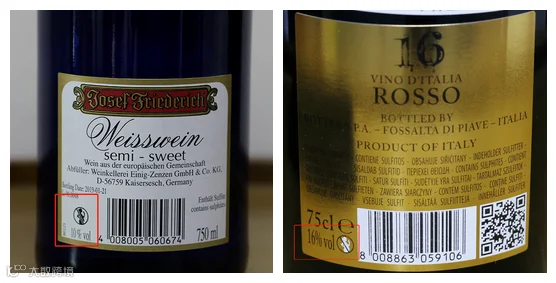

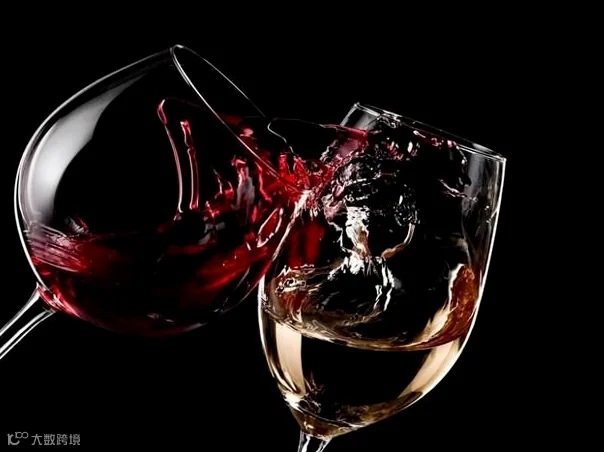
 Source

Alcohol in wine is the result of fermentation. Fermentation is a biochemical process where yeast is added to a food source rich in sugars. The sugars are essentially a food source for yeast to grow and multiply. The output from the yeast is alcohol and carbon dioxide.
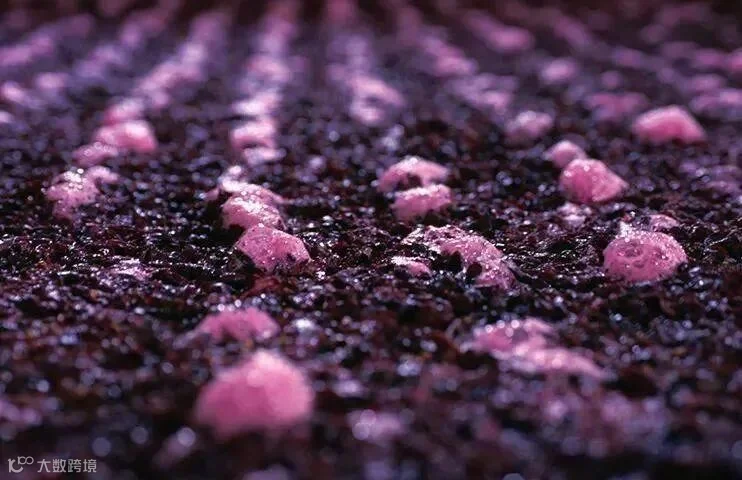
When making wine, grapes are harvested from the vines, they are destemmed (collecting only the grape berry) and the berries are then crushed to release the sugary juice.
If the end goal is to make white wine, then the skins are extracted, leaving only the juice to be fermented. If the intention is to make red wine, then the skins are combined with the juice to make a grape “must”.
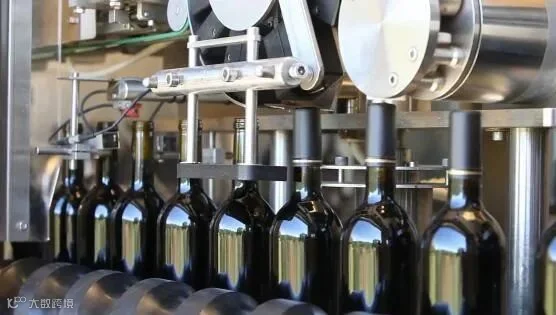
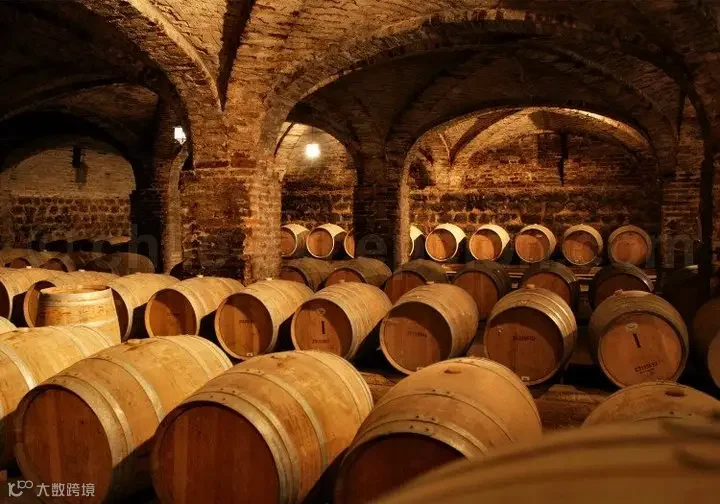
This juice or must will then have yeast added and will be allowed to ferment. After fermentation, the wine is either clarified and bottled, or it can be clarified and left to mature further in oak casks to craft higher end wines.

 Factors that affect the alcohol content

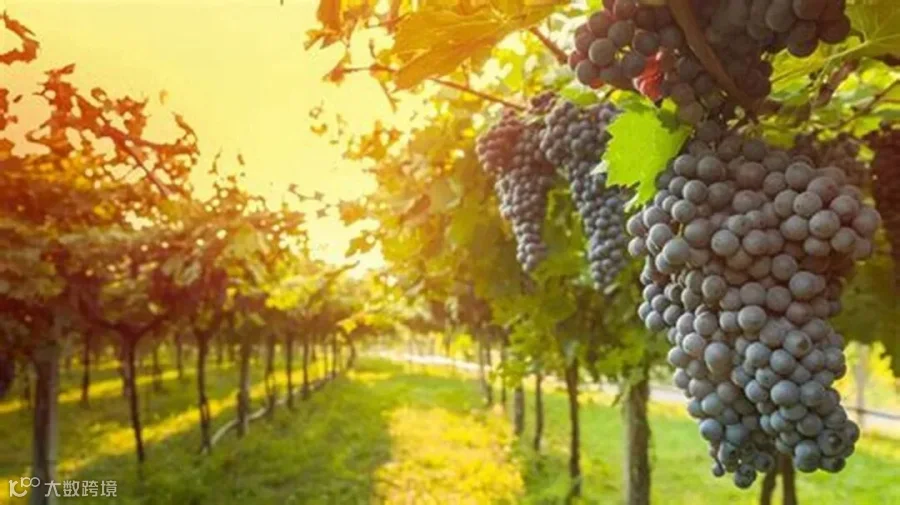
1. Climate and Weather:The terroir of wine has a clear-cut influence on its quality. Climate and weather help determine how quickly wine grapes grow, how much flavor and juiciness they have, and how well those grapes can be turned into wine.
Climate is (relatively) stable, so it’s easier for producers to anticipate how climate influences grapes. Cooler climates produce wines higher in acidity but lower in sugar and alcohol. Hotter climates encourage faster ripening, leading to wines with higher sugars, higher alcohol and fuller body. Producers trying to grow varieties that don’t do well in that specific climate will produce a wine of lower quality. Weather, on the other hand, can have a more direct, immediate effect on wine quality.
It can even spell the difference between a good vintage and a bad vintage. Wines with higher quality will come from grapes that received exactly the inputs they needed.
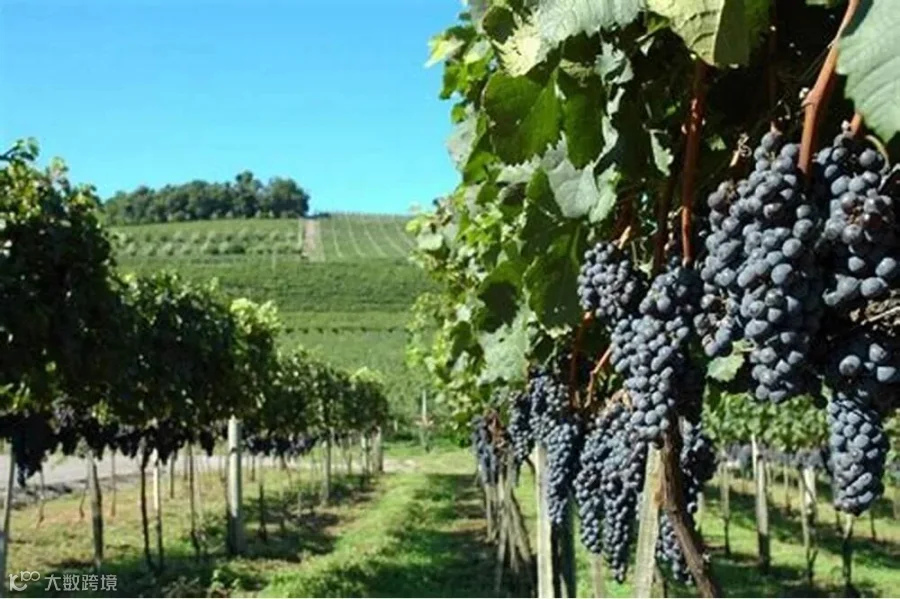
2. Growing Practices:In addition to what the land and sky provide, the ways in which a producer manipulates the vines will also influence the quality of the resultant wine. Canopy management often includes removing extra leaves and shoots to increase sunlight exposure, while pruning removes select branches to control yields and keep vines healthy.
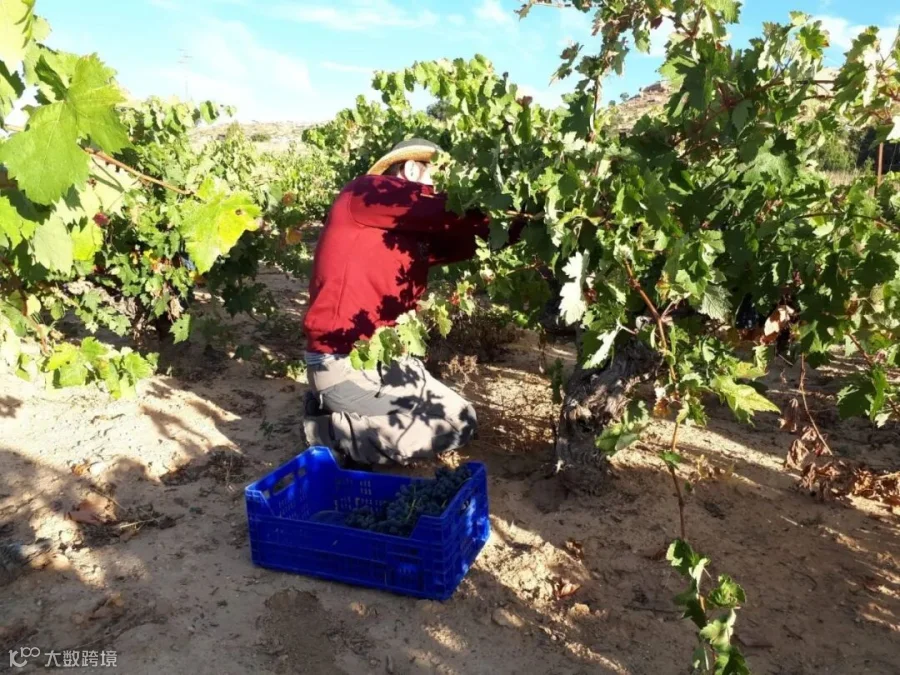
Harvesting is another crucial factor, since a harvest that is too early or late can lead to grapes lacking their ideal balance. Whether producers harvest manually or mechanically also influences grape quality.
Mechanical harvesting can’t apply selective-picking methods, but it does allow for speedy harvests when bad weather threatens to ruin the grapes. Conversely, manual harvesting is slower, but it ensures that only high-quality grapes make it to the wine.
3. Fermentation Techology:Different fermentation technologies will affect the alcohol content of wine. For example, the sugar conversion ratio of the selected yeast, whether the fermentation is interrupted in the middle, whether sugar is artificially added, whether de-alcoholisation is carried out, whether alcohol is added to stop fermentation and strengthen wine fermentation, etc. will all affect the alcohol content of wine.
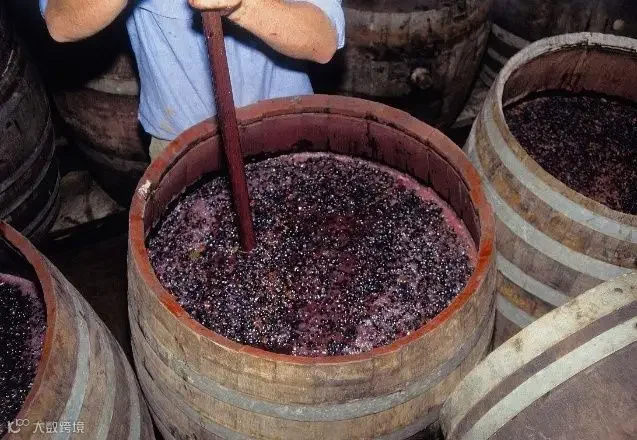
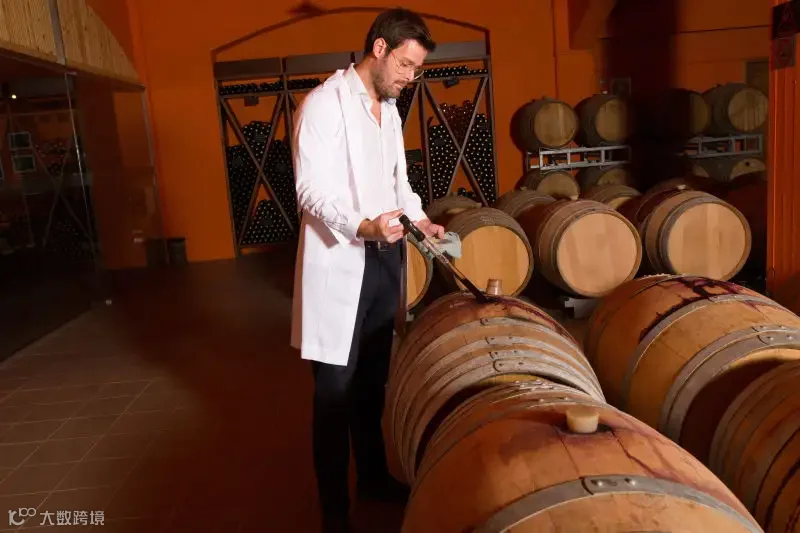
4. Winemaker:Each winery has its own style and method of making wine. Each winemaker will decide when to pick grapes according to the winemaking method and consistent style of the winery, so as to achieve a specific sugar content and flavor substance concentration.
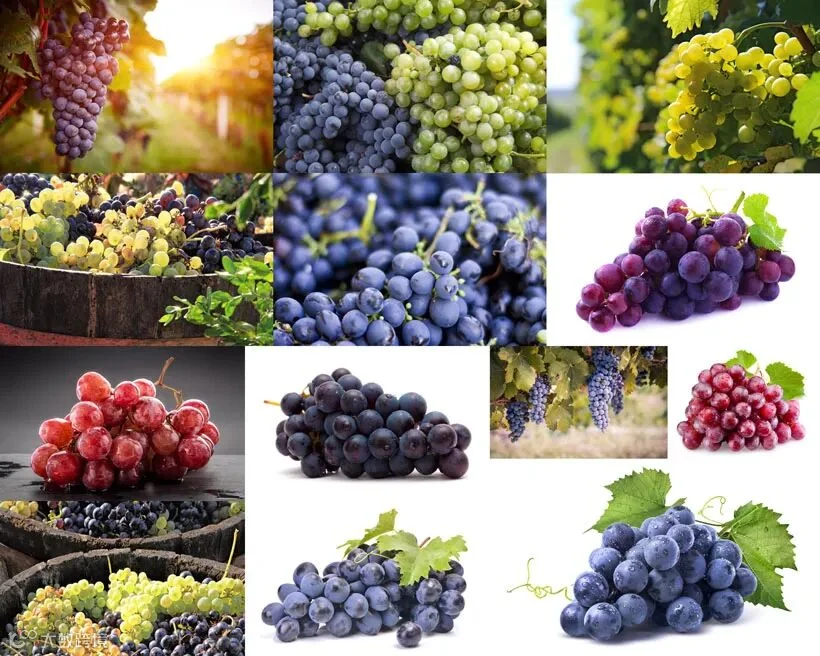
5. Cost:Generally speaking, the higher the alcohol content, the higher the quality of grape raw materials. Therefore, if the alcohol content of wine in a regular winery is higher than that in every year, it basically means that the quality of grapes in this year is better than that in every year. But not necessarily, because some manufacturers will artificially add sugar.

 Examples Where ABV Is Irrelevant

Domaine de la Romanée-Co’s Romanée-Conti, possibly the most expensive wine in the world (with some vintages being US$20’000 per bottle and more) is normally bottled at between 13% and 14% ABV, with 13.5% being an average.
The 2018 vintage of Château Lafite Rothschild (Pauillac) that scored 99 points from all of the top wine critics, was bottled at 13.3% abv. The 2009 vintage that also scored 99 points, was bottled at 13% abv.
Conversely, a bottle of cheap Port wine that can be 18%-20% ABV, can be bought for as little as 150 rmb on most online retail portals with even cheaper options available for other types of fortified wines.
 Conclusion

To use the ABV as a primary source of decision making around the quality of a wine, simply doesn’t make sense. There are too many factors involved in crafting wine that can have a positive or negative effect on the final product.
 Recommended Wines

Here are some high-quality wines to recommend to you. If you like, you can click on the pictures for details of wine prices.
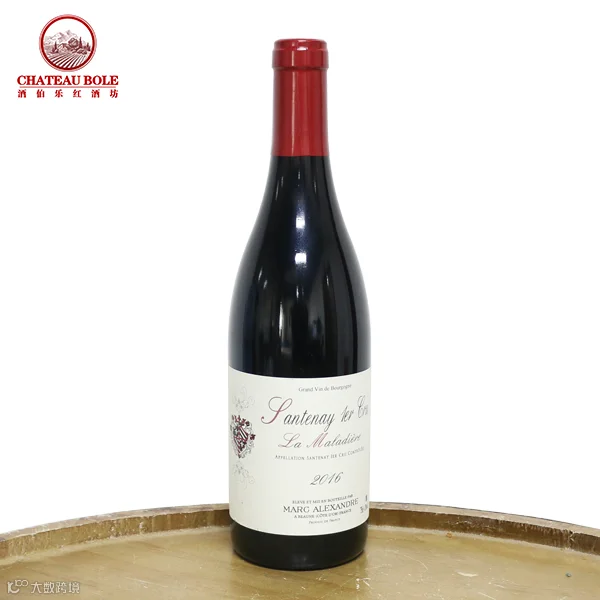
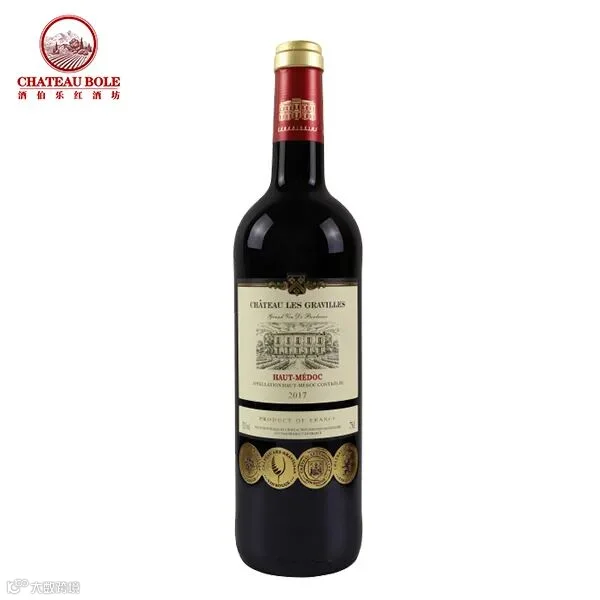
Wine introductions:(From left to right)
1. Marc Alexander La Maladiere:100% pinot noir varietal (which already makes it a total ball ache to make into wine in the first place, as Pinot Noir is on par with an ugly ex wife in terms of the headache and difficulty it creats) with 18 months in oak and only 10'000 bottles annual production.
The wine has a deep and elegant red colour. The nose is intense, with black cherry and blackcurrant fruit aromas and hints of musk. Full bodied with fine and firm tannins, the palate is full and round, yet refreshing .
2. Chateau Les Gravilles:The wine is elegant and deep crimson, with sweet fruit aroma of red fruits. Due to aging in French oak barrels for 12 months, the wine is mellow and full, with delicate and soft tannins, soft and round taste and pure and long aftertaste.
(Click on the picture for details)
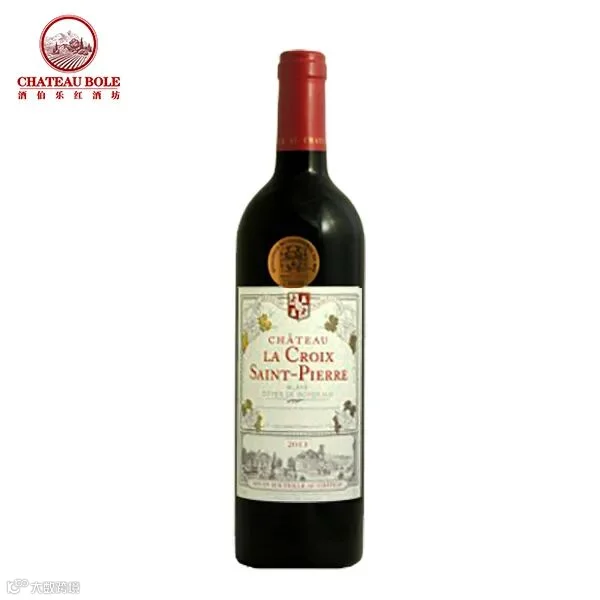
Wine introductions:(From left to right)
3. Chateau La Croix Saint Pierre:The wine has a crystal clear ruby color, rich aroma, the fragrance of wild berries, mineral aroma, balanced structure, mild tannins and smooth taste.
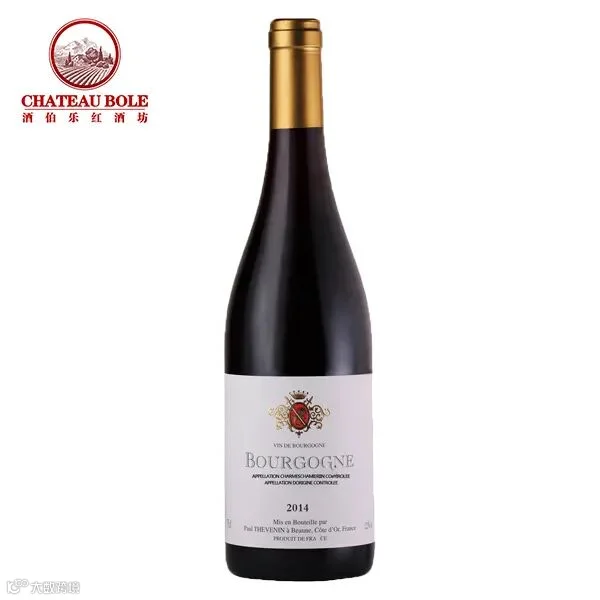
4. Paul Thevenin Pinot Noir:Pinot Noir is almost always the grape of choice in Burgundy. These reds are significantly less fruit-forward than American varietals in Burgundy it's all about the terroir, which can vary widely within the region. The character of these wines is a result of variations in climate and the differences in soil from along the river upon which the region lines.
Vivid aromas of ripe wild strawberry, tangy black cherry, cranberry, fleshy and delicious fruit flavors are supported by grippy tannins. Juicy acidity rounds out this wine of elegance, precision, tension, and finesse.
With respect to food, these reds go well with savory dishes without too much spice. You can even enjoy a light red Burgundy withsome fattier fishes. Try to avoid spicier dishes and leafy greens.
(Click on the picture for details)
Wine introductions:(From left to right)
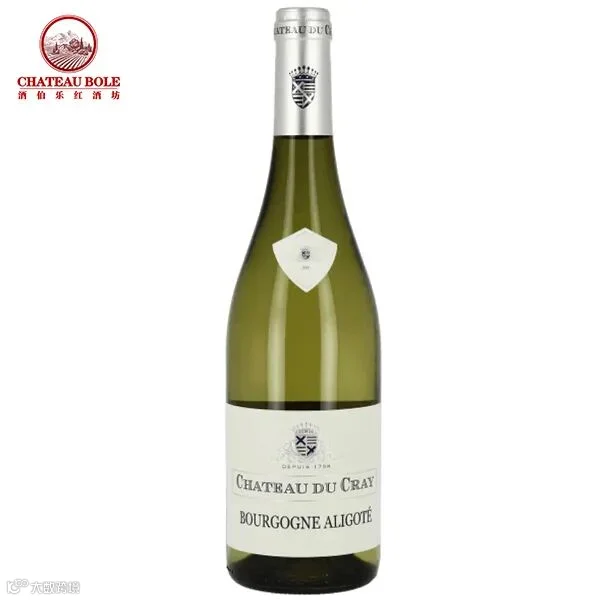
5. Chateau Du Cray Aligote White:Light golden color.The fruity arama is pleasant ,with fresh fruity aromas of apple and lemon. The wine has a balanced body, soft tannins, a lively and fresh taste and a natural finish. It tastes better with grilled fish, oysters and cheese.
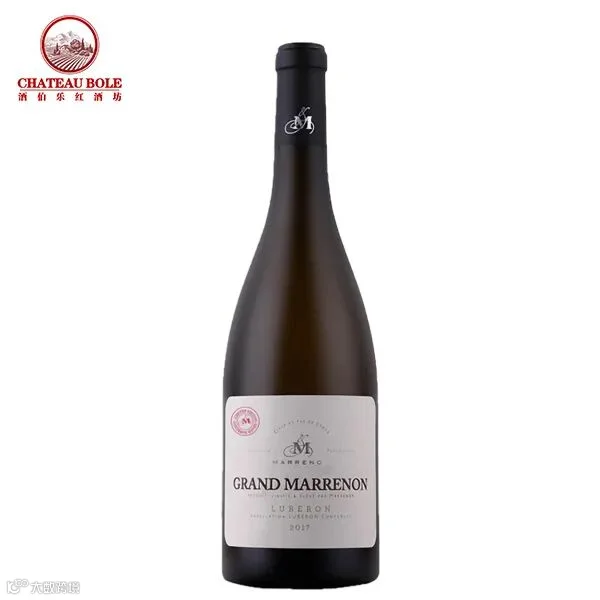
6. Grand Marrenon Blanc:The robe is pale yellow with silver highlights.The palette expresses a floral and fruity register with nuances of white flowers (hawthorn, acacia) complemented by notes of yellow peaches.The perception of woodiness is light and well integrated. The mouth develops on a balanced texture which develops notes of melted wood and honey.
(Click on the picture for details)