
Let's continue the previous article to learn more about the classification of wine.
 Classification according to carbon dioxide pressure
The main difference between still and sparkling wine is, still wine is wine that is not effervescent or sparkling, while sparkling wine contains significant levels of carbon dioxide that cause it to be fizzy or “sparkly”. It’s further important to note that not all sparkling wine is considered champagne. The term Champagne has been reserved to identify sparkling wine that is produced in the Champagne region of France by the Champagne Method. But that’s a different blog at another time.
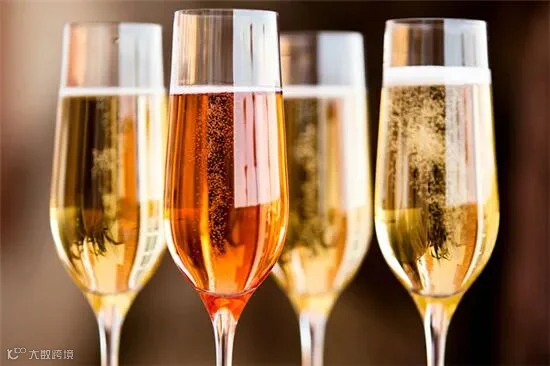
Generally, still wine is wine that does not contain carbon dioxide. Carbon dioxide is that element that causes drinks such as your favorite soft drink to be fizzy. A majority of wines made in the U.S. and abroad are still wines. They tend to contain alcohol levels anywhere between 8% to 13% and are “still” in appearance, thus having no effervescence because the carbon dioxide has been removed through the fermentation process. Still wines come in a variety of styles – from sweet to dry, red, rose and white.
Conversely, sparkling wine starts out going through the same process as still wine. The only difference sparkling wine is that it contains significant levels of carbon dioxide. Additionally, sparkling wine goes through a second fermentation process; one to turn the grape juice into still wine and a subsequent fermentation where the wine maker again adds yeast and sugar to convert the added sugar into alcohol and carbon dioxide, which yields the effervescence that is characteristic of sparkling wine. When fermentation takes place in a closed container, carbon dioxide is contained in the wine, which creates its effervescence.

 Classification according to residual sugar
The majority of sugar in wine is from the natural sugar of the grapes. Grapes from warm climates tend to contain more sugar than cooler climates. Yeast is added to turn the grapes natural sugar into alcohol. Whatever sugar is left over after this process is called the “residual sugar.” Different wines contain different amounts of residual sugar which contribute to the variety of sweetness. Sugar in wine is measured on a scale from bone dry to very sweet.
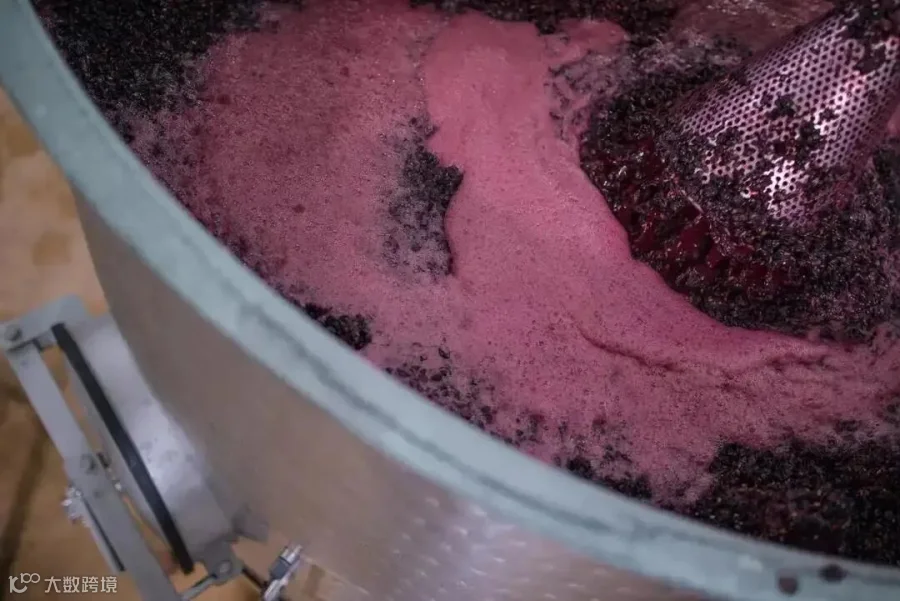
According to the residual sugar in wine, wine can be classified into:
1. Dry wines: Dry wines have the lowest sugar content because during the fermentation process the yeast changes almost all of the sugar into alcohol. Both dry red wines and white wines have residual sugar levels of about 0.1-0.3% which is about 1-3 grams of sugar per liter of wine.
Most common red and many white wines are considered dry. These dry choices taste more acidic, astringent, and leave your mouth feeling a little drier. They may give off the impression of sweetness even if there is no sugar due to the amount of alcohol, tannins, acids and glycerin present.
Most Common Dry Wines:Sauvignon Blanc, Italian Pinot Grigio, Viognier, Chardonnay, Cabernet Sauvignon, Cabernet Franc, Pinot Noir, Syrah.
2. Semi-dry wines: A semi-dry red wine is suitable for anyone who seeks the middle ground between the dry and the lovely red wine. If the wine is semi-dry, then it offers per liter the content of 9 to 18 grams of residual sugar.
3. Semi-sweet wine: The sugar content is 12 ~ 50g/L
4. Sweet wine: The sugar content is more than 50g/L, and it has sweet, mellow, comfortable and smooth taste.

 Classification according to maturation processes
1. Natural wine: While there is no universally accepted definition of natural wine, it is generally agreed to be wine that is farmed organically (biodynamically, using permaculture or the like) and made (or rather transformed) without adding or removing anything in the cellar. No additives or processing aids are used, and ‘intervention’ in the naturally occurring fermentation process is kept to a minimum. As such neither fining nor (tight) filtration are used. The result is a living wine – wholesome and full of naturally occurring microbiology.
2. Fortified Wines:Fortified wines such as Sherry, Port and Madeira have been strengthened by the addition of alcohol, usually a grape spirit.
These are now known within the EC as liqueur wines or vins de liqueur. Their alcoholic strength may be between 15% and 22%, by volume.
Sherry (from Spain) 15-18% ; made from white grapes -fino (dry), amontillado (medium), oloroso (sweet)
Port (from Portugal) 18-22% ; strong sweet; typically drunk as a dessert wine – ruby, tawny, vintage character, late bottled vintage, vintage
Madeira 18% (famous dessert wine; made on the Portuguese island of Madeira) – Sercial (dry), Verdelho (medium), Bual (sweet), Malmsey (very sweet)
Marsala 18% – a dark sweet wine from Marsala in Sicily
3. Aromatised Wines: These wines are aromatized with herbs, bark, spices, roots, etc. An aromatised wine must have a minimum alcohol content of 14.5% by volume and a maximum alcohol content of 22% by volume according to EU law Council Regulation (EEC)
The majority of older brands come from France and Italy but there are now a range of small ‘craft’ producers around the world.
4. Distilled wines: Distilling wine is an art as old as time...and shaped by time itself. The Greeks and Romans did it centuries ago, and the practice continues unabated today. Wine distillation is a process that increases the "alcohol purity" of wine, more aptly referred to as the "alcohol-proof" rating, and is measured in percentage ratings. Distilling wine is a far more challenging than easy exercise, and will take some time to gain experience and master the art.
 Recommended Wines
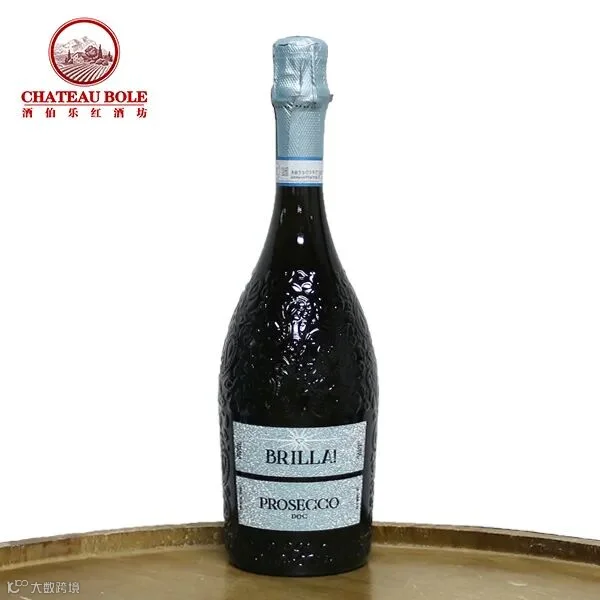
(Click on the picture for details)
Brilla Prosecco:Brilla is a receptacle of Italianness. Each Prosecco bubble represents a unique moment that makes your life more precious. Every time you open a bottle of Brilla! the magic of Italy unfolds.Our bubbles epitomize life’s little gems, unique moments of immeasurable value, to be shared with friends, family, partners. They are the diamonds enshrined in our bottles.
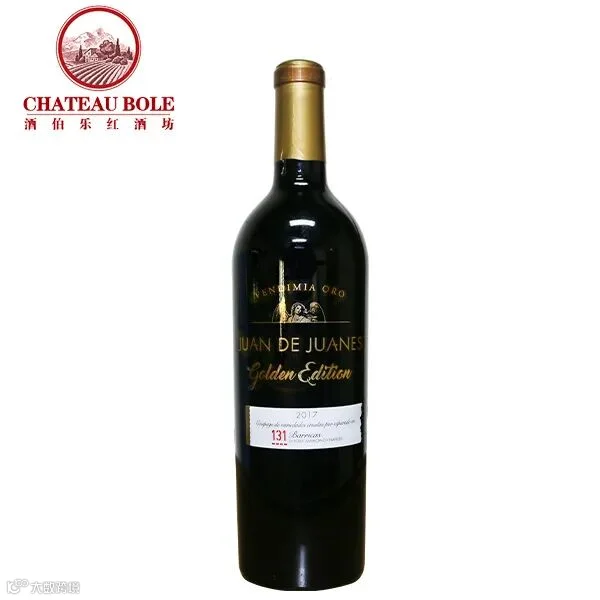
Juan de Juanes Golden Edition:The wine is a noble and elegant deep cherry red with a purplish halo. Intense aroma with rich aromas of ripe black berries and toasted oak. The aroma is unique. Full-bodied, with supple tannins, powerful and powerful on the palate, with a long finish.It tastes better with meats, cheeses, rice and pasta dishes.
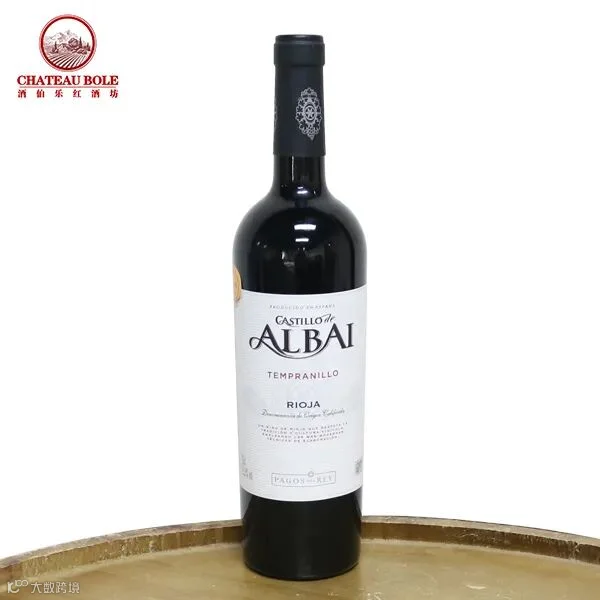
Castillo De Albai Tempranillo:Castillo is the best-selling brand in all the big supermarkets in Spain. It is produced in rioja, Spain’s most famous wine region. This wine uses the exclusive wine cap and carton consistent with the design of the wine label.
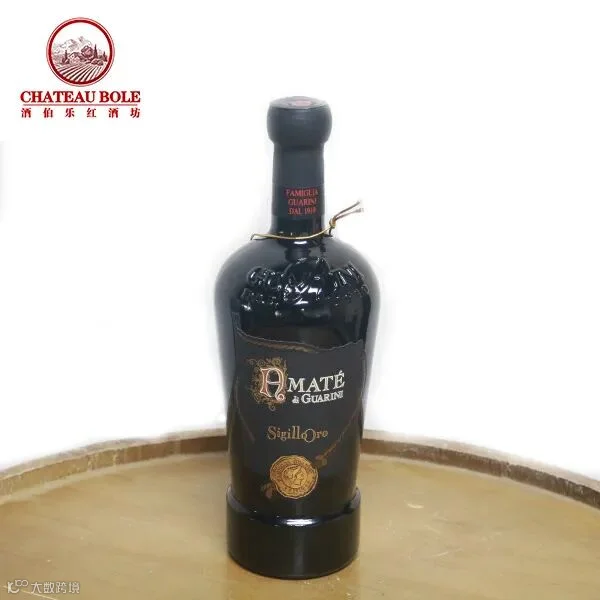
Amate Negroamaro Primitivo:Garnet red colour. The nose is rich and complex, with fresh plum and raspberry notes interwoven with notes of raisins, candied fruit and vanilla, accompanied by notes of leather, tobacco and spices. It is warm and full On the palate, with a strong structure and a long aftertaste. It goes well with red meats, roasts, stews and aged cheeses.
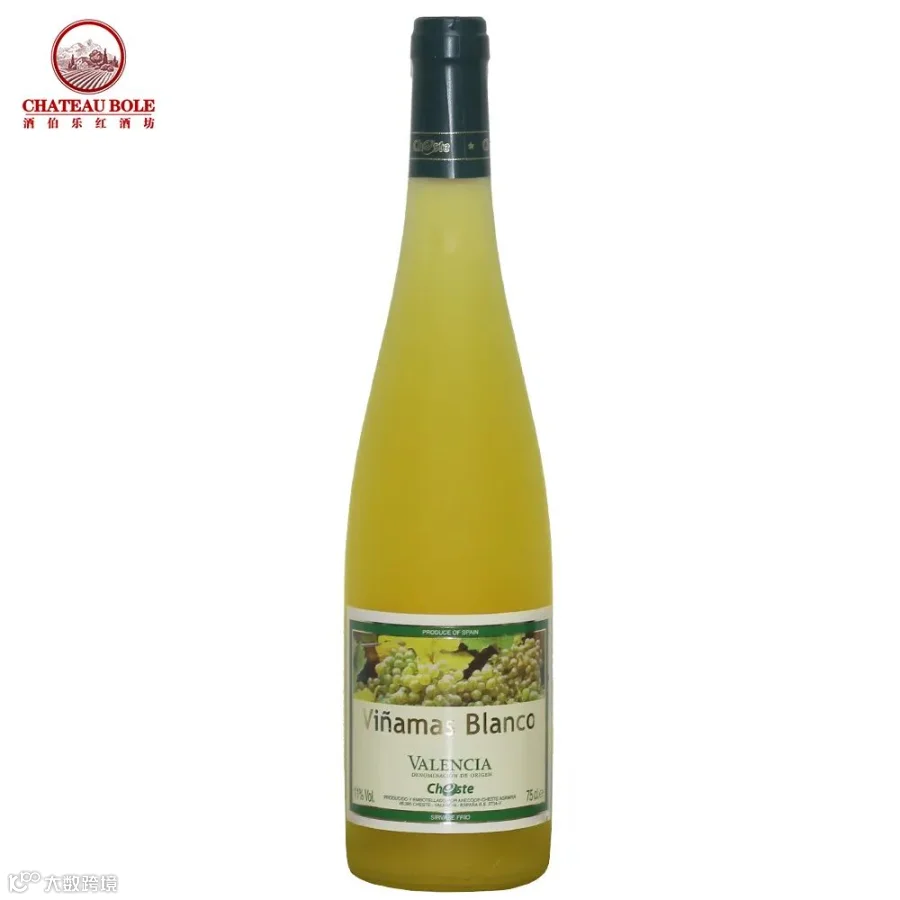
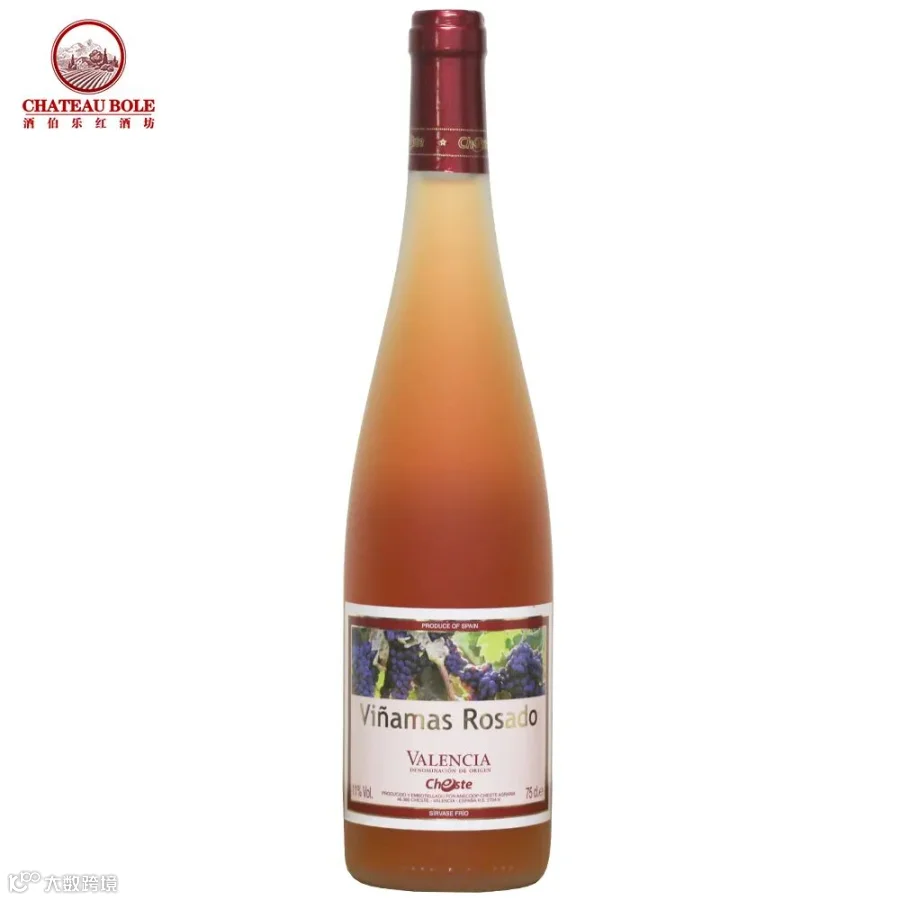
Vinamas Valencia Blanco : The wine is clear and light yellow, with fresh and natural fruit aroma. Light body, soft tannins, elegant flavor and long aftertaste. It tastes better with desserts.
Vinamas Muscat Rose : clear pink, fresh and natural. Smells like citrus, melon and musk. The taste is fresh and natural, with cantaloupe and flower fragrance, sweet and sour, well balanced and fresh and pure aftertaste.
That's all the sharing of wine classification. If you have more classification methods, please leave a message in the comment section.