
-Click above to subscribe-
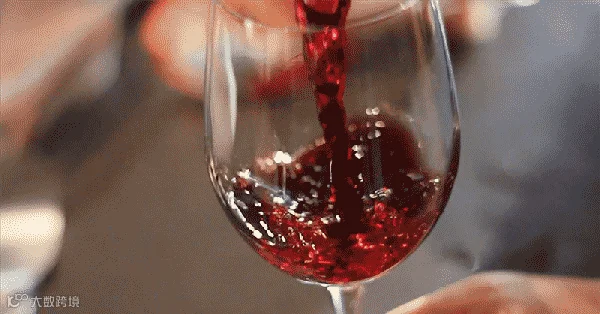
Decanting wine is essentially the process of pouring (decanting) the contents from one vessel (typically a bottle) into another vessel (typically a decanter). Usually the wine is then served from the decanter, but sometimes in a restaurant it is decanted back into the original bottle for service.
Why Decant Wine?
Not every wine needs decanting. Many of us associate decanting with older vintage port wines or aged Bordeaux – wines that throw off a lot of sediment as they age. Decanting separates the wine from the sediment, which not only would not look nice in your glass, but would also make the wine taste more astringent. Slowly and carefully decanting the wine ensures that the sediment stays in the bottle and you get a nice clear wine in the decanter, and subsequently in your glass.
A second and more everyday reason to decant is to aerate the wine. Many young wines can be tight or closed on the nose or palate. As the wine is slowly poured from the bottle to the decanter it takes in oxygen, which helps open up the aromas and flavors. Highly tannic and full-bodied wines benefit most from this – wines such as Cabernet Sauvignon, Cabernet blends, Syrah, and Syrah blends.
Opponents of decanting for aeration purposes argue that swirling the wine in your glass has exactly the same effect and suggest that decanting can expose the wine to too much oxygen, leading to oxidation and dissipation of aromas and flavor – which is what you dont want to happen. We disagree with this view, unless you are decanting a very old red Burgundy wine, which is already very delicate and needs minimal oxygen exposure before drinking, or you decant the wine hours and hours before you plan on drinking it.
What Type of Decanter to Use ?
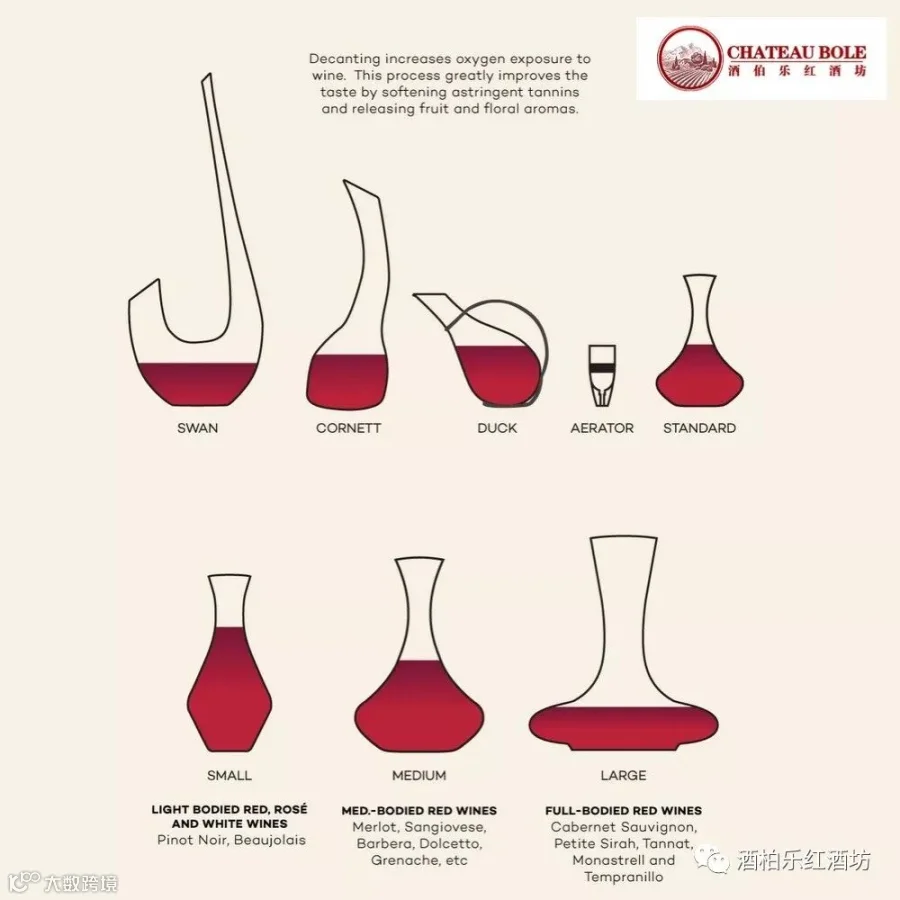
There are many different shapes and stylesof decanter available, so which one is right for you? There are two answers to this question; the official answer, and the unofficial answer.
Cheap Wines
Decanting any cheap wines because it makes them taste better. Cheap wines can have really awkward rotten egg smell sometimes when you first open them due to sulphur dioxide. Our noses are very sensitive to this smell (some more than others) and it can ruin a wine tasting experience. Fortunately, often this smell can burn off very quickly after decanting wine and the resulting value wine can be very tasty!
Expensive Wines
Decanting expensive wines, especially full bodied wines made from Cabernet Sauvignon, Syrah, Malbec or Merlot grapes.
Big Italian wines such as Barolo, Chianti, Aglianico, Montepulciano d’Abuzzo, or any of the Super-Tuscans also must be decanted.
Pinot Noir
You can decant pinot noir, however, most do not really need it. You can decant a very acidic pinot noir if you find it to be too tart, decanting will help smooth out the flavor a bit and make it more palatable.
How Long Should I Decant ?
Most of us drink wines in the 2–10 year mark, so the following advice is tailored to regular drinking habits.
Red Wines
| Varieties | time(mins) |
| Zinfandel/Primitivo |
30 |
| Pinot Noir |
30 |
| Malbec |
60 |
| Grenache/Garnacha based blends(typical Languedoc) |
60 |
| Cabernet Sauvignon or Merlot (typical Bordeaux) |
120 |
| Petite Sirah |
120 |
| Tempranillo (typical Rioja or Ribera del Deuro) |
120 |
| Sangiovese (typical Brunello di Montalcino, Chianti) |
120 |
| Vintage Port and Madeira |
120 |
| Mourvèdre or Monastrell |
120~180 |
| Syrah/Shiraz |
120~180 |
White Wines
Most white wines don't need to be decanted, in fact, if the wine is highly aromatic decanting may hurt. Occasionally, however, white wines taste funky–like steamed mushrooms– and decanting will fix this! This flavor is common in full-bodied white wines from cooler climates like a white Burgundy. Decant for about 30 minutes.
Tips
This advice is more about how to adapt your expectations by tasting the wine before you start decanting to get a control. If the wine tastes great early on, drink it!
1. Start by tasting it
If there is very little fruit, overly tannic or hard to identify aromas, this means the wine is ‘closed’ and will need decanting.
2. Try it again.
Decant for the recommended time and taste it again. If the wine hasn’t changed much, keep waiting (30 minutes to 1 hour)
3. Not Ready?
If the wine is ready it will be noticeably more pleasant and aromatic. You should be able to smell fruit flavours. You’ll know that it’s ready because you’ll have a control. If it’s still not ready, try swirling it, double-decanting or aerating it.
Remember, any decanting is better than no decanting. Decant your wine for as long as you can but don’t over decant. Having a bottle ready before your guests arrive, or before you’re ready to drink it is always a good thing.
Do you want to learn more? Follow our official account.