





Most of us eat dinner, and then a few hours later we go to sleep. In the morning, we wake up and eat again. This pattern of behavior does not give your body enough time to burn the calories you ate for dinner, which is where fasting comes in. Fasting requires you to postpone the “break of your fast” (also known as breakfast) to give your body enough time to utilize the calories you took in the night before, rather than storing them.

Beginners can start with 1 or 2 days a week, and work their way toward the recommended maximum of 5 days a week. Alternate your fasting so that you keep your metabolism guessing. For example: 2 days on, 1 day off and then 3 days on, 1 day off. I personally alternate between 16 hour and 18 hour fasts depending on how I feel.
What do 16 hour or 18 hour fasts actually entail? Quite simply, either not eating for 16 hours of the day, and then eating over a period of 8 hours, or not eating for 18 hours, and then eating over a period of 6 hours. Consider that we sleep for 8 of those fasting hours anyway.
I throw in a 24 hour fast every 2nd week, which has proven cell regeneration benefits . It’s great for anyone interested in longevity, not just weight loss.

There is a lot of science behind the benefits of fasting. However, from personal experience, fasting helped me shed excess weight at a healthy rate. I toned up well, have more energy, and noticed my skin looks a lot better. While I do follow a healthy diet, I don’t have to be too strict about portion size or what I eat on fast days.

When you break your fast you need to be very careful. If you put sugars or carbs into you system immediately, it can cause an insulin spike and leave you feeling terrible.
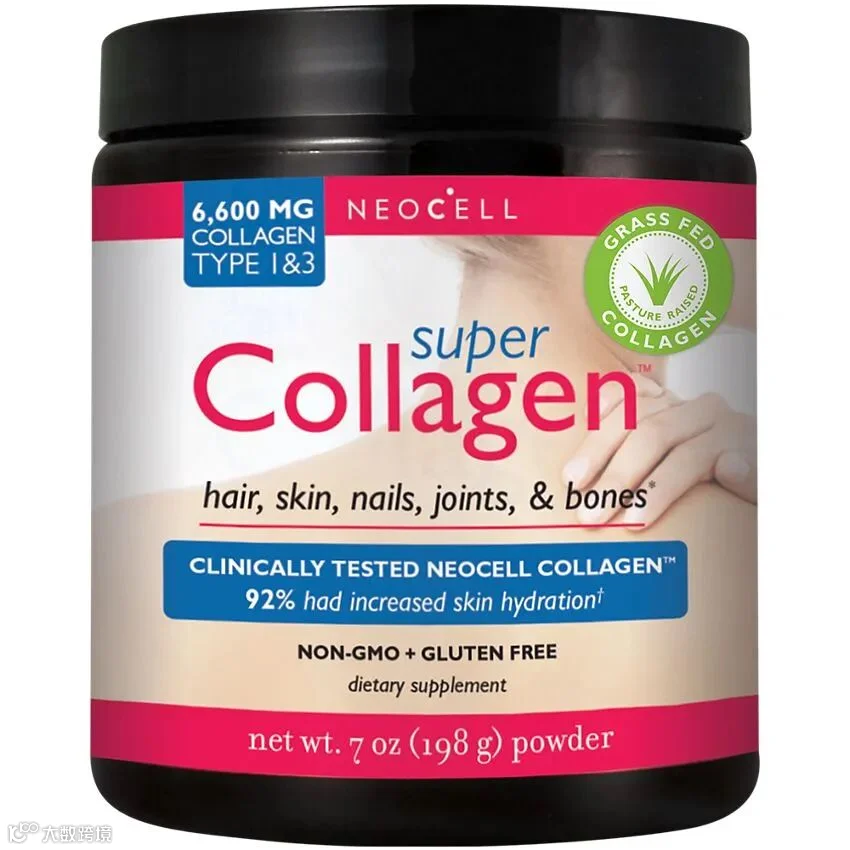
From my experience, the best thing to break it with is a bone broth, and then wait an hour before you eat a full meal. Making a bone broth yourself can be a lengthy process. The most important thing you are looking for in the broth is the collagen, so here’s my quick alternative.










for weekly posts & news