
大数跨境

Cookin' Up: Asia Style

Cookin' Up: Asia Style Baopals
2021-04-06
2
导读:You got this, MasterChef!
GO TO BAOPALS
Asia is compromised of hundreds of incredibly diverse countries, all with very unique and ridiculously-delicious cuisines. Because of the sheer range of cuisines, it can be hard to think that you could make something as difficult as kimchi stew in your home, right? Wrong! Once you familiarize yourself with a couple of staple ingredients in a country's cuisine, you'll be surprised to find that making a dish you might've considered too complex and intimidating to cook yourself is actually fairly easy with the right ingredients! We've chosen recipes from a few countries in Asia for you to try. Go out of your cooking comfort zone with the recipes below!


KOREA
The two ingredients to focus on when establishing your foundation in Korean cooking are gochugaru and gochujang. Wondering where all the vibrant red comes from in Korean dishes? These two ingredients are your answer! They are critical in delivering the sweetness, spiciness, and tanginess that comes with Korean food, and you will seldom find a flavorful dish without either of these two ingredients.
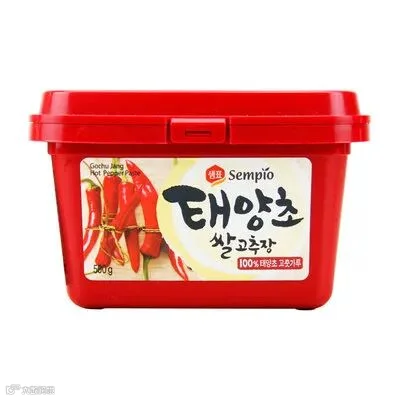
Gochujang is a spicy, sweet, and savory fermented chili paste that is often used as a condiment, or in sauces or soups.
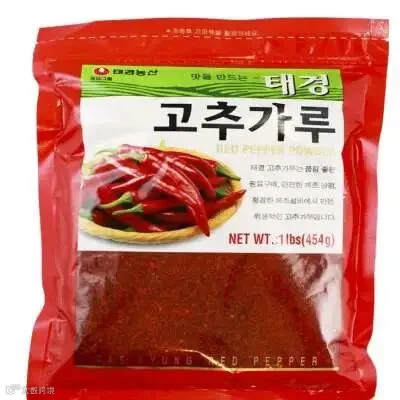
Gochugaru is an essential spice to all Korean cooks everywhere and packs a powerful flavor. It offers an amazing level of heat and spice with a touch of sweetness, and is a must-have for your arsenal in cooking authentic Korean food.
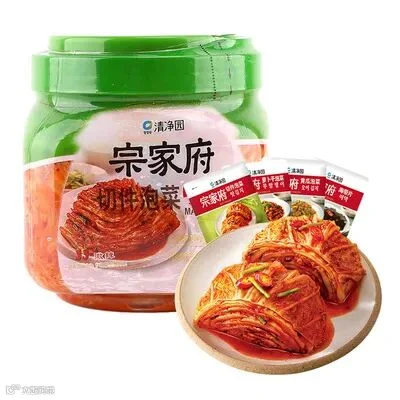
Lastly, we've included kimchi because what Korean dish doesn't come with kimchi? Either in the dish or on the side, it's there.


Korean Chili Paste (Gochujang), 500g
¥30.09


Korean Chili Flakes (Gochugaru), 500g
¥14.72


Korean Kimchi, 1.2kg
From ¥28.39


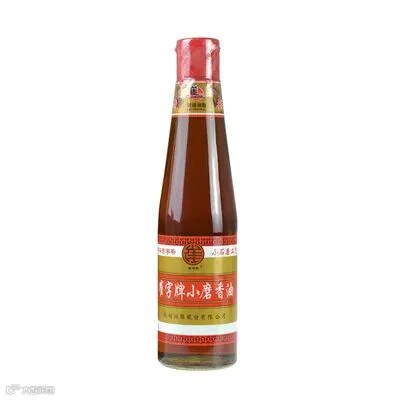
Sesame Oil, 448ml
¥28.81


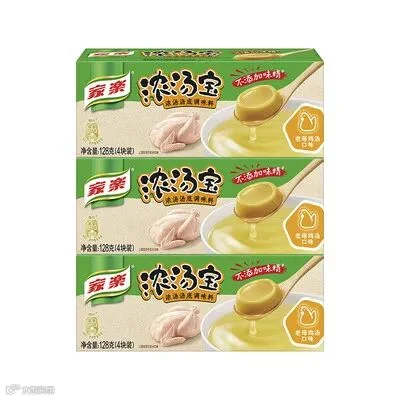
Knorr Chicken Stock, 3 Packs of 4
¥42.05


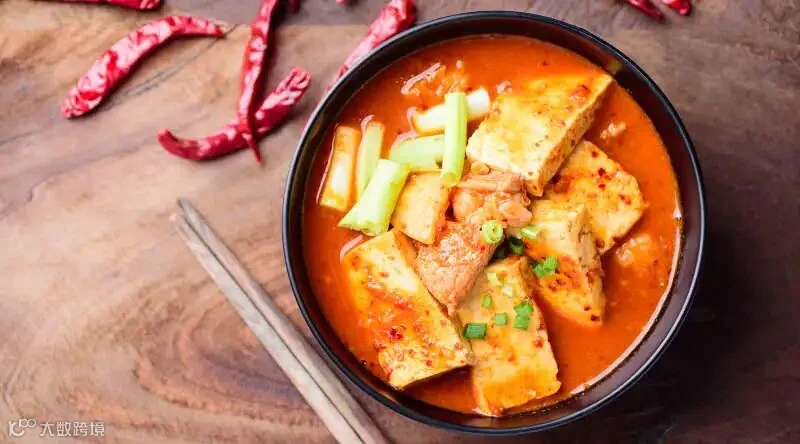
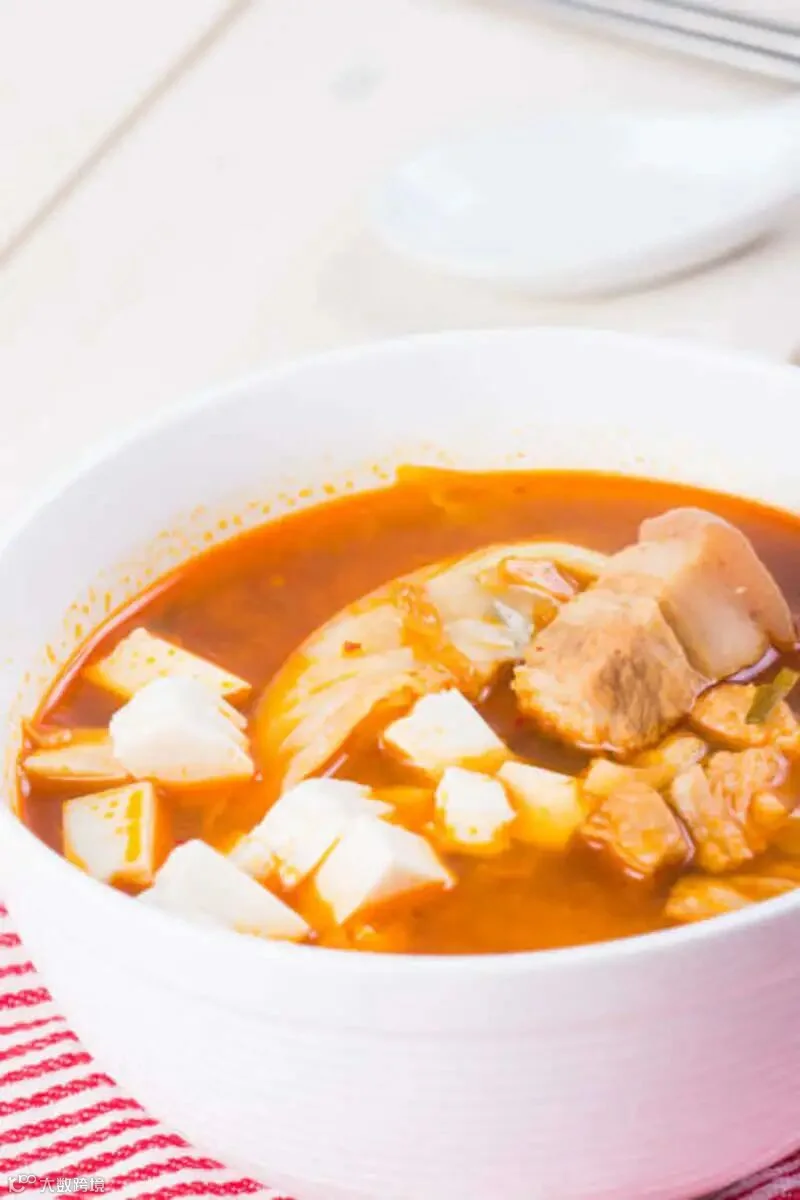
KIMCHI STEW (KIMCHI JIGAE)
Recipe
  • 1 tablespoon oil

  • 1 onion (thinly sliced)

  • 3 cloves garlic (sliced)

  • 8 ounces pork belly or shoulder (225g, thinly sliced)

  • 1 pound kimchi (450g, with juices, chopped)

  • 1 teaspoon salt

  • 2 teaspoons sugar

  • 1 tablespoon gochugargu

  • 1 tablespoon gochujang (Korean red pepper paste)

  • 3 cups chicken stock (700 ml, can substitute fish or beef stock) *can be omitted if sensitive to spice

  • 8 oz. firm tofu (225g, cut into 1/4-inch thick slices)

  • 1 teaspoon sesame oil

  • 1 scallion (chopped)

Instructions
1. Heat oil in a large pot over medium heat. Then add your onion, garlic and pork belly, and cook for about five minutes until the pork is lightly browned and the onions have begun to soften.
2. Add the kimchi and fry for 2 minutes. Then add salt, sugar, chili flakes (gochugaru), gochujang, and broth. Stir until combined. Bring to a simmer, cover, and cook for 10 minutes.
3. Uncover and lay the tofu over the top. Replace the cover and simmer for another 10 minutes. Uncover for the last time and stir in the sesame oil. Garnish with the chopped scallion and service immediately with steamed rice!


JAPAN
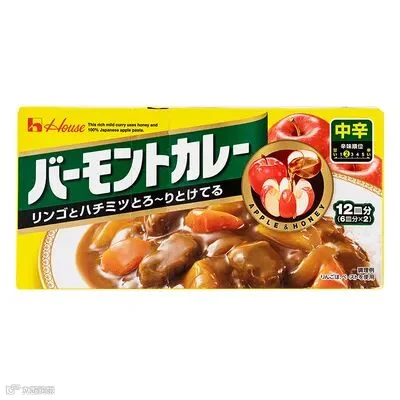
Have you been intimidated by the thought of making a Japanese curry? Premade curry roux is actually used much more often than you think, and simplifies the process tenfold! Of course, if you'd like to go the homemade route it's a little more complicated, but with curry roux, you can have a curry made at home in much less time.
Dashi is a very flavorful basic broth in Japanese cooking. It is normally made from dried bonito flakes, dried fish, or kelp. It is a very important ingredient for traditional Japanese food is used in many dishes such as miso soup, stews, noodle dishes, and in this case, curry!
Mirin is a Japanese rice wine product that serves as a sweetener in many Japanese dishes. It can be used in a lot of Asian recipes so it will definitely serve you well if you want to cook more Asian cuisine. It helps to thicken sauces, creating a nice glaze. It also helps tenderize meat.


Japanese Curry Roux, 230g
¥33.58


Dashi Soup Stock Powder, 77.2g * 2 Boxes
¥33.37


Japanese Mirin, 300ml
¥14.72


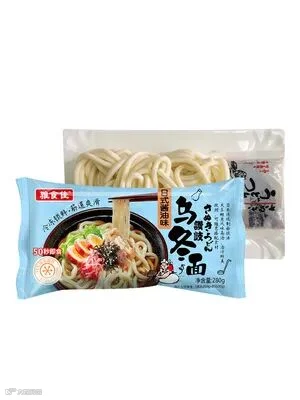
Japanese Udon Noodles, 280g *5 Packs
¥46.29


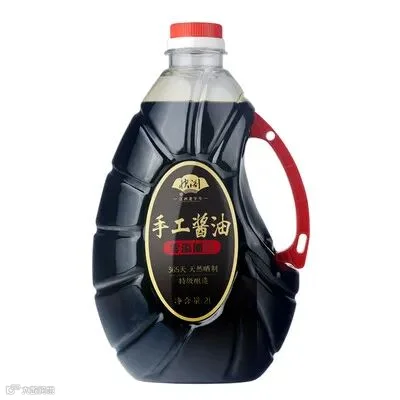
Jiangxi Soy Sauce, 2L
¥42.99


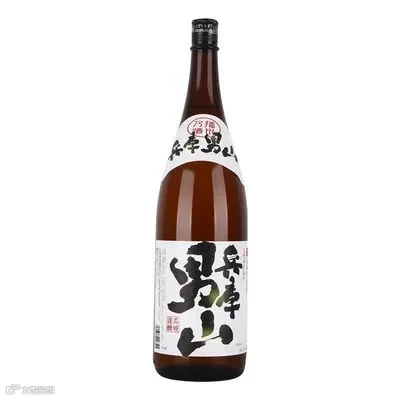
Japanese Hyogo Mountain Sake, 1.8L
¥51.70


CURRY UDON
Recipe
  • 2 scallions (finely chopped)

  • ½ onion

  • 1 tbsp neutral flavored oil

  • 6 oz thinly sliced pork loin (or any choice of protein)

  • 1 tbsp mirin

  • 3 cups dashi (Japanese soup stock)

  • 2 cubes Japanese curry roux

  • 2 tsp soy sauce

  • 2 servings udon noodles

  • 2 tbsp sake

Instructions
1. Heat oil on medium heat and add the onion. Sauté for 2-3 minutes, then add the meat. Cook the meat until almost no longer pink and add sake.
2. Add dashi and cover with the lid. Reduce the heat to medium-low and cook for 5 minutes. When simmering, skim off the scum and fat from the stock and continue to cook.
3. After 5 minutes, turn off the heat and put the curry cube in a ladle, letting it dissolve one cube at a time (2 total). Using chopsticks or a spoon, let the roux dissolve completely in a ladle before releasing it into the soup. Add soy sauce and mix well before covering with a lid to keep it warm.
For the noodles:
1. Cook according to package instructions. Drain the noodles and divide them into two bowls. Pour the curry over the udon noodles before topping with green onion and serve immediately.


VIETNAM
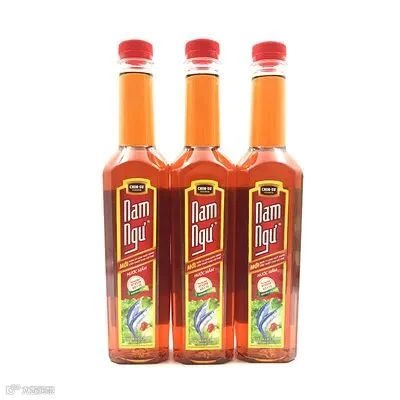
In Southeast Asia, particularly Vietnam, Cambodia, Thailand, and the Philippines, fish sauce is something you seldom cook without. It has been called the Worcestershire sauce of South-East Asia, as just a subtle splash packs a flavorful kick that ties a dish together. When it comes to curries, dipping sauces, pho, stir fry and more, you will struggle to find a dish without at least a little bit of fish sauce. If you want to begin cooking more SE Asian food, start with fish sauce and Thai basil. They are frequently used we suggest you get acquainted!
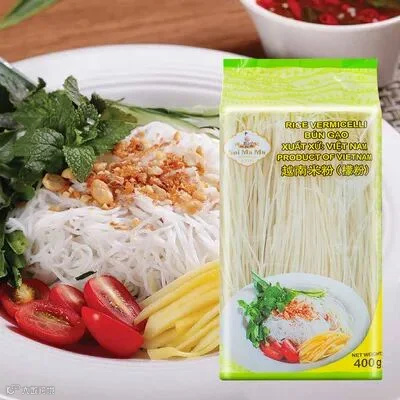
Dishes with vermicelli noodles can be found all over various parts of Asia, and the Vietnamese adaptation includes the bun cha recipe below, as well as pho and other delicious dishes!


Vietnamese Vermicelli Noodles, 400g
¥18.85


Nam Ngu Vietnamese Fish Sauce, 500g * 3
¥38.87


Fresh Thai Basil, 500g
¥21.71


Taikoo Brown Sugar, 1kg
¥33.69


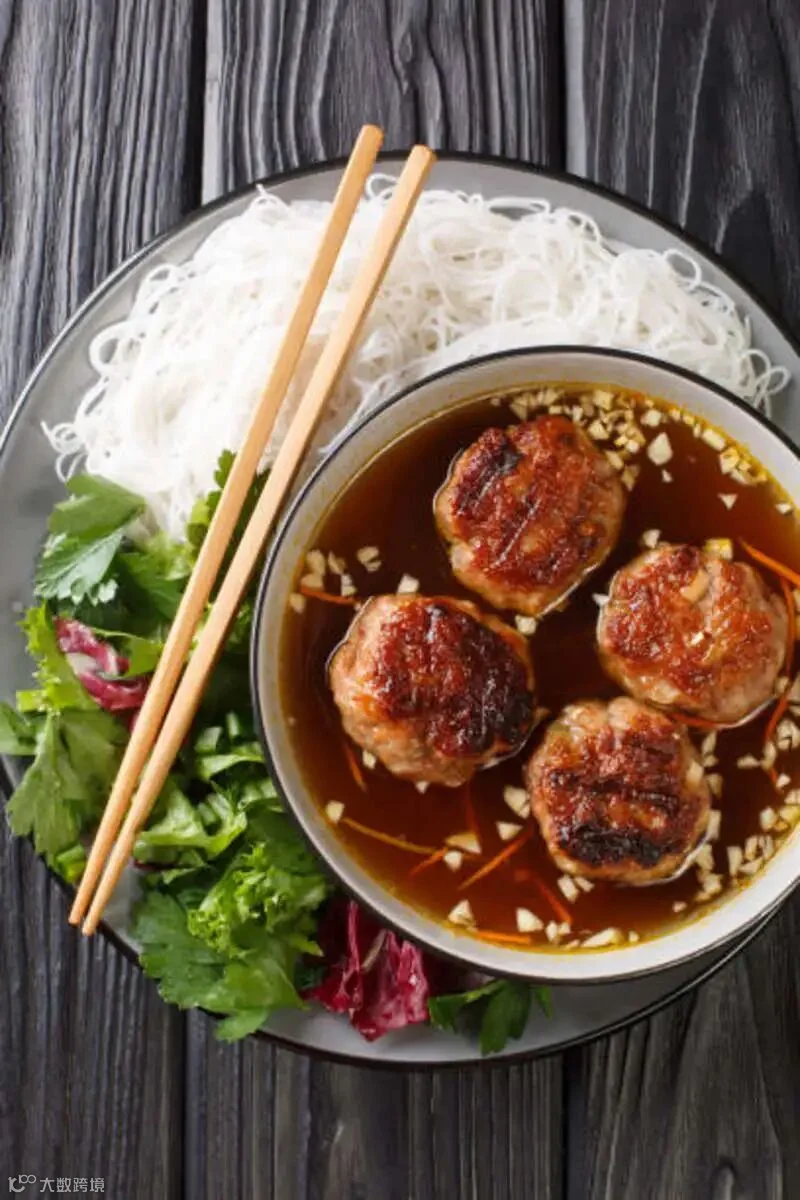
PORK MEATBALLS & NOODLES (BUN CHA)
Recipe
  • 2 nests of vermicelli noodles

  • a handful of bean sprouts, blanched

  • 2 little gem lettuces, cored and torn

  • a handful of sugar snap peas

  • 1 carrot, shredded

  • ½ a small bunch of mint, torn

  • ½ a small bunch of thai basil

For the meatballs:
  • 250g of minced pork (or any protein of choice)

  • 1 clove of garlic, crushed

  • a thumb-sized piece of ginger, grated

  • ½ a red chili, finely chopped

  • 1 tbsp fish sauce

  • vegetable oil

For the dressing:
  • 1½ tbsp of fish sauce

  • 1½ tbsp of soft light brown sugar

  • 1½ limes, zested and juiced

Instructions
1. Put the mince, garlic, ginger, chilli and fish sauce into a large bowl. Season lightly, mix well and form into 9 balls. Chill for 15 minutes.
2. Cook the noodles following pack instructions, drain really well and run under cold water until completely cold, then drain again.Whisk together the dressing ingredients.
3. Divide the noodles between plates and put all the vegetables in piles on top. Spoon over 3⁄4 of the dressing and top with herbs. Chill.
4. Heat the oil in a frying pan over a medium heat, then fry the meatballs for 8-10 minutes or until well browned and cooked through.
5. Remove the bowls from the fridge, add the meatballs on top and spoon over the remaining dressing and a few more herbs.


MORE FUN!

FIND YOUR CUP OF TEA
Read


BAOPALS REVIEWS: THE INSTANT POT
Read


12 CHEAP & EASY KITCHEN HACKS
Read


【声明】内容源于网络
0
0
Baopals
We’re here to help you find and buy whatever you want in China.
内容 1559
粉丝 0
Baopals We’re here to help you find and buy whatever you want in China.
总阅读3.9k
粉丝0
内容1.6k