



LCN临港企业荟是临港投控集团的招商和企业服务平台,源自英国剑桥,服务临港。LCN每周推出一期“剑桥视野”,内容一是针对企业所关注的问题进行前瞻性短评,内容二是每周分享一篇剑桥大学最新科研新闻,帮助在英国、欧盟和中国的组织机构建立学习伙伴关系。同时,LCN提供中英服务,详情可咨询小荟同学。
英国前沿资讯
英国与欧盟新贸易关系的机遇与挑战
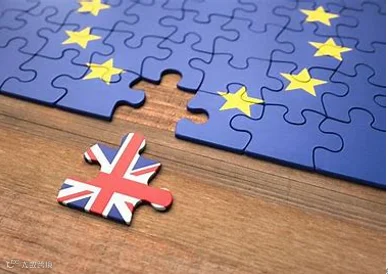
与疫情所带来的动荡相比,英国与欧盟贸易关系变化所造成的影响没有那么突然,因而直接受影响的个人和企业数量要少很多。
短期内,进出口商们会面临一些运营中断的困扰,他们也在慢慢地适应着如何在欧盟之外开展业务。
调研显示:2021年2月,百分之八十多的制造业出口商和百分之七十五的批发及零售出口商表示其业务面临挑战;其中百分之七十的出口商和百分之六十的批发及零售商们分别将此归因于脱欧后英国与欧盟的新贸易关系。
但是英国企业只有约百分之十五从事直接进口或出口业务;因此,对经济更广泛的影响可能会在今后几个月及未来几年内以不易察觉的方式扩散开来。
主要影响可能是从欧盟进口的成本更高,而出口去欧盟的需求更低。这主要是由非关税壁垒造成的,例如海关申报、进出口许可证、证书的新要求, 合格评定,以及特定产品的安全检查等。
图源素材库
这些影响具有高度的行业针对性,因而给英国经济带来了挑战。比如金融业或制造业,那些以欧盟为重要出口市场的企业可能会看到业务需求减少。
针对像服装,零售或酒店和餐馆这些需要大量进口产品的行业,预计企业将面临来自欧洲的商品成本增加的挑战。例如,在批发和零售行业的进口商中,超过一半的企业表示成本增加,主要是运输和海关等相关费用。
然而,有挑战也就有机遇。在行业内,如果同行们的成本都在上升,那任何具有成本优势的企业通常都能够在国内实现增长。因此那些准备最充分或能够最快适应新形势的企业一定会受益。
总体而言,更成熟的公司成本上升幅度可能就会低于竞争对手,从而形成价格保护伞,以扩大其市场份额或提高利润率。在农业领域,情况就是这样。
在部门层面,还有另外两种类型的发展机会。首先,是所谓的“进口替代”:由于欧盟进口产品现在价格有所上涨,一些国内供应商有机会取代欧盟公司来向英国企业或消费者供货。
英国制造商们尤其有机会扩大其国内市场份额。
其次,本来就对非欧盟世界其他地区具有强大出口能力的行业可能会发现,将更多精力转向这些其他通常增长更快的市场是有利的。
例如,英国在金融、信息通信等服务业、专业服务等领域具有全球比较优势;这些行业 70% 以上的出口已经销往欧盟以外地区。
麦肯锡,2023 年 8 月
Challenges and opportunities from the UK’s new trading relationship with the EU
Compared to the pandemic, the effect of the change in the UK’s trading relationship with the EU is less abrupt, impacting far fewer people and businesses directly.
In the short term, importers and exporters are facing some operational disruption, as they get used to doing business outside of the European Customs Union.
In February 2021, more than 80 percent of manufacturing exporters and 75 percent of wholesale and retail exporters reported experiencing challenges; 70 percent and 60 percent of them, respectively, attributed this to the UK’s new trading relationship with the EU.
However, only around 15% of UK businesses either import or export directly; the broader economic impacts will therefore likely percolate through in subtler ways in the months and years to come.
The main effects are likely to be somewhat higher costs for importers from the EU and lower demand for exporters to the EU, primarily caused by non-tariff barriers such as new requirements for customs declarations, export and import licenses, certificates, conformity assessments, and safety checks on specific products.
These impacts, too, are highly sector specific, and create both challenges and opportunities. Businesses for which the EU is an important export market—such as financial services or manufacturing—will likely see a reduction in demand.
Sectors using significant amounts of imported products, such as apparel retail or hotels and restaurants, are expected to face increased costs for goods from Europe. For example, among importers in the wholesale and retail sector, more than 50 percent said their costs had increased, mostly due to transportation and customs fees.
However, there are also opportunities. Within sectors, any business that has a cost advantage is generally well positioned to grow domestically if other players’ costs also rise. Those most prepared, or able to adjust fastest to the new arrangements, stand to gain.
Overall, more sophisticated companies’ costs are likely to rise by less than their competitors’, creating a price umbrella under which to grow their market share, or to improve margins. This might be the case, for example, in agriculture.
At the sector level, there are two additional types of opportunity. First, so-called “import substitution”: with EU imports now somewhat more expensive, some domestic providers may be able to take EU companies’ place in supplying UK businesses or consumers.
British manufacturers in particular have an opportunity to grow their share of the domestic market.
Second, sectors that were already strong exporters to the rest of the non-EU world may find it advantageous to turn more of their energies to these other, often faster growing, markets.
For example, the UK has a global comparative advantage in service sectors such as finance, information and communication, and in professional services; more than 70 percent of these sectors’ exports already go outside the EU.
Source: McKinsey, August 2023
(滑动查看英文内容)
剑桥大学最新科研新闻
研究表明,110万年前,极端寒冷的天气导致欧洲早期人类灭绝
剑桥大学研究人员的一项研究表明,大约 110 万年前,欧洲发生的一场极端降温事件导致了欧洲大陆早期人类的灭绝。
研究人员称,突然的气候变化导致里斯本附近的海洋表面温度降至 6 摄氏度以下,这种条件会使古人类难以生存。
科学家们表示,他们发表在《科学》杂志上的研究结果挑战了人们普遍持有的观点,即这些人类在大约 140 万年前从西南亚抵达欧洲后,能够在多个气候周期中生存并适应日益恶劣的条件。
伦敦大学学院地理学系的资深作者 Chronis Tzedakis 教授表示:“我们发现了大约 110 万年前的一次极端冰川变冷事件,这对早期人类持续占领欧洲的想法提出了挑战。”
来自剑桥大学和巴塞罗那西班牙高等科学理事会的古气候科学家与伦敦大学学院的同行们一起分析了海洋微生物的化学成分,并检查了在葡萄牙海岸发现的深海沉积物核心中的花粉含量。诸如此类的岩心可以让我们一睹地球过去的地质和气候。
主要作者、伦敦大学学院地理学教授 Vasiliki Margari 博士表示:“令我们惊讶的是,我们发现 110 万年前的降温程度与最近冰河时代一些最严重的事件相当。”
图源于剑桥独立日报
该研究的合著者、大英博物馆的NickyAshton教授表示:“如此大规模的降温将使小型狩猎采集群体承受相当大的压力,特别是因为早期人类可能缺乏足够的脂肪绝缘等适应能力,也缺乏适应环境的能力,比如生火、有效的衣服或庇护所。”
随后专家们进行了气候模拟,以捕捉这段时间的极端条件。
该研究的合著者、韩国釜山国立大学 IBS 气候物理中心的Axel Timmermann教授表示:“结果表明,110 万年前,地中海周围的气候对古代人类来说变得过于恶劣。”
综合结果表明,伊比利亚半岛以及更广泛的南欧地区变得无人居住,并且在接下来的 20 万年里一直如此。
与此同时,另一项发表在《科学》杂志上的研究表明,气候变化可能促进了两组古代人类亲戚之间的通婚:丹尼索瓦人和尼安德特人。
早在 2018 年,科学家就发现了一位绰号为丹尼的女性的证据,她生活在 9 万年前,父亲是丹尼索瓦人,母亲是尼安德特人。
来自韩国和意大利的古生物学家的模拟显示,尼安德特人和丹尼索瓦人有不同的环境偏好,丹尼索瓦人更适应寒冷的环境,例如北方森林和苔原,而他们的尼安德特人表亲更喜欢温带森林和草原。
但在温暖的间冰期,当地球围绕太阳的轨道更加椭圆且北半球的夏季更接近太阳时,模拟表明它们的栖息地可能已经开始在地理上重叠。
Timmermann教授也是第二项研究的作者之一,他说:“当尼安德特人和丹尼索瓦人共享共同的栖息地时,两个群体之间会有更多的相遇和互动,这会增加通婚的机会。”
来源:剑桥独立报
Extreme cooling caused the extinction of early humans in Europe 1.1m years ago, study suggests
An extreme cooling event in Europe caused an extinction of early humans on the continent around 1.1 million years ago, a study involving Cambridge researchers suggests.
The abrupt climate changes saw ocean surface temperatures off Lisbon dropping below 6C – conditions that would have made it hard for archaic humans to survive, according to the researchers.
Scientists said their findings, published in the journal Science, challenge the widely held belief that after arriving from South-West Αsia by about 1.4 million years ago, these humans were able to survive through multiple climate cycles and adapt to increasingly harsh conditions.
Senior author Prof Chronis Tzedakis, of UCL Geography in London, said: “Our discovery of an extreme glacial cooling event around 1.1 million years ago challenges the idea of continuous early human occupation of Europe.”
Along with UCL, paleoclimate scientists from the University of Cambridge and CSIC Barcelona analysed the chemical composition of marine micro-organisms and examined the pollen content in a deep-sea sediment core recovered off the coast of Portugal.Cores such as these can show a glimpse of the Earth’s past geology and climate.
Lead author Dr Vasiliki Margari, of UCL Geography, said: “To our surprise, we found that this cooling at 1.1 million years ago was comparable to some of the most severe events of recent ice ages.”
Co-author Prof Nick Ashton, of the British Museum, said: “A cooling of this magnitude would have placed small hunter-gatherer bands under considerable stress, especially since early humans may have lacked adaptations such as sufficient fat insulation and also the means to make fire, effective clothing or shelters.”
The experts then ran a climate simulation to capture the extreme conditions during this time.
Study co-author Prof Axel Timmermann, of the IBS Centre for Climate Physics at Pusan National University in South Korea, said: “The results showed that 1.1 million years ago the climate around the Mediterranean became too hostile for archaic humans.”
Combined results suggest that Iberia, and more generally southern Europe, became devoid of human population and remained so for the next 200,000 years.
Meanwhile, another study, also published in the journal Science, suggests climate change may have facilitated interbreeding between two groups of ancient human relatives: Denisovans and Neanderthals.
Back in 2018, scientists found evidence of a woman, nicknamed Denny, who lived 90,000 years ago and had a Denisovan father and a Neanderthal mother.
Simulations of paleo-biologists from South Korea and Italy showed Neanderthals and Denisovans had different environmental preferences, with Denisovans more adapted to cold environments, such as boreal forests and tundra, while their Neanderthal cousins preferred temperate forests and grassland.
But in warm interglacial periods, when Earth’s orbit around the Sun was more elliptic and northern hemisphere summer occurred closer to the Sun, simulations suggest their habitats may have begun to overlap geographically.
Prof Timmermann, who is also one of the authors on the second study, said: “When Neanderthals and Denisovans shared a common habitat, there were more encounters and interactions among the groups, which would have increased the chance of interbreeding.”
[Source: Cambridge Independent]
(滑动查看英文内容)

中英企业服务
请添加"小荟同学"咨询
来源:EFEC卓越为本