







大数跨境

SMA市场营销沙龙|实战解码技术型外企本地化:资源有限下的增长赋能

SMA市场营销沙龙|实战解码技术型外企本地化:资源有限下的增长赋能 瑞士钨马高效精密孔加工
2025-11-12
3
导读:/ 我们不是在寻找标准答案,而是在碰撞中重新定义问题本身。/什么是「SMA市场营销沙龙」?预算紧缩,营销的途


我们不是在寻找标准答案,而是在碰撞中重新定义问题本身。/

什么是「SMA市场营销沙龙」?


预算紧缩,营销的途径如何抉择?

形式固化,营销形式难寻突破?

客户群逐渐趋向年轻化,“快节奏”营销当道。机加深奥的技术,如何让受众在短时间内听懂?


在华瑞士机械加工企业的市场营销工作,往往都面临着这些共同的考题。瑞士机械加工联盟(SMA)敏锐捕捉到这一群体性挑战,由此催生了「市场营销沙龙」——专为机械加工企业打造的市场营销实战交流平台。沙龙定期邀请一位会员企业的市场负责人登上主讲席,没有宏大的理论,只有刀锋般的实践。通过会员间案例互鉴、资源重组,沙龙将成为瑞士技术型企业探索中国市场的“动态智库”。


左右滑动,查看英文 Slide Left for English

We don't seek standard answers—we redefine the questions through collective collisions./

What is the SMA Marketing Salon?


Facing tightened budgets, how do we choose marketing channels wisely?
Struggling with formulaic approaches, where’s the breakthrough?
As younger clients demand "fast-paced" engagement, how do we translate intricate machining technologies into digestible insights?


These are shared challenges for Swiss precision manufacturing companies in China. The Swiss Machining Alliance (SMA) has transformed these pain points into the Marketing Salon—a razor-sharp knowledge forge where practitioners rewrite playbooks. The SMA Marketing Salon convenes monthly with a battle-tested ethos: one member’s marketing executive takes the stage, wielding slide decks forged in real-world campaigns—no ivory-tower theories, only precision-engineered tactics. Through surgical dissection of cross-industry cases and combinatorial resource innovation, this practitioner-led crucible is crystallizing into Swiss manufacturing’s adaptive intelligence hub for China market navigation.


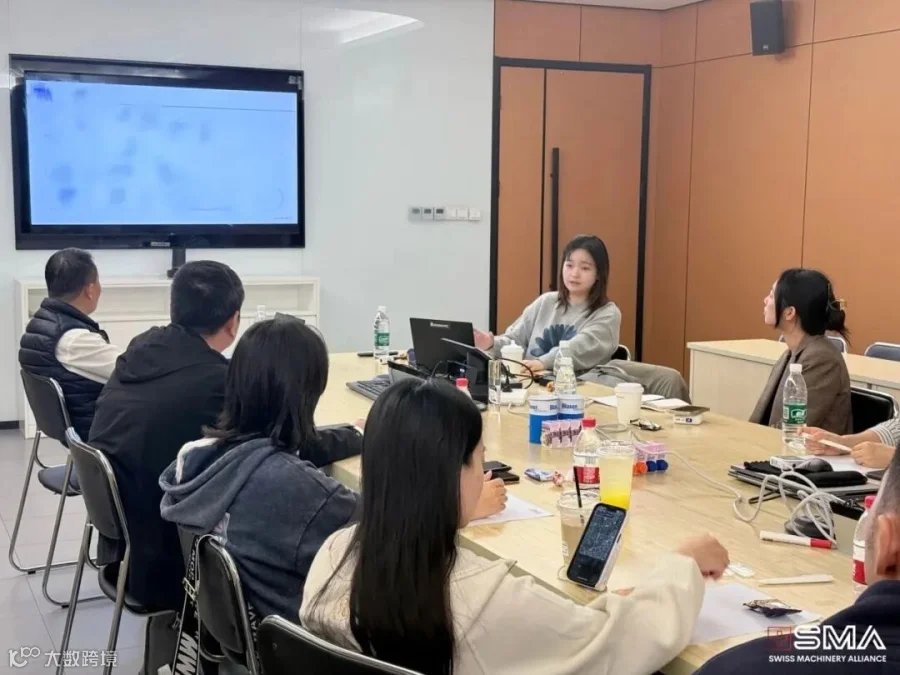
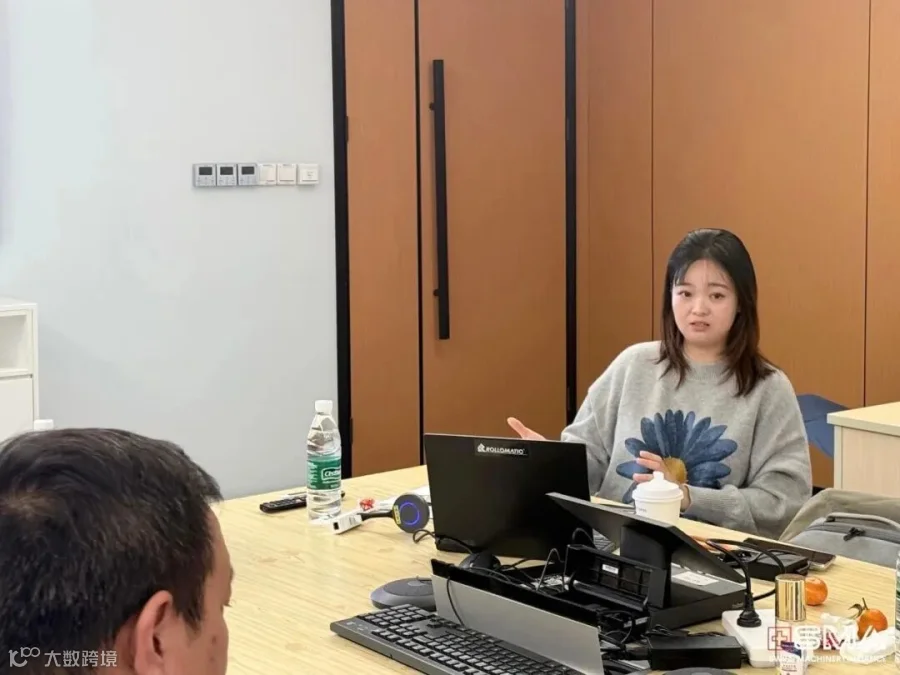
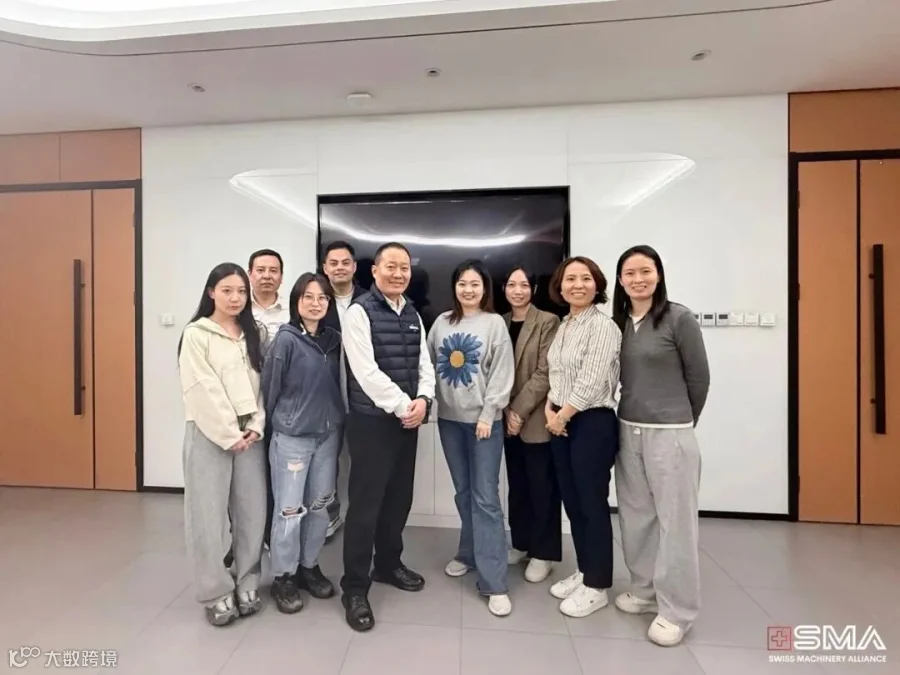
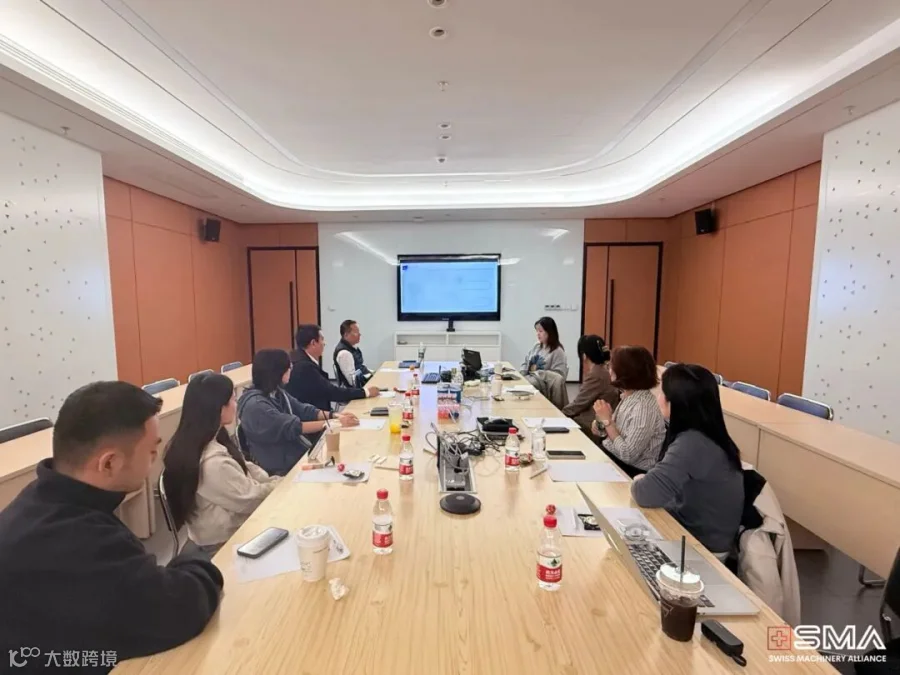
2025年11月7日,瑞士机械加工联盟(中国)本年度第五场市场营销沙龙在上海成功落下帷幕。本次沙龙特邀上海路劳曼邸贸易集团有限公司(Rollomatic)市场经理曹岚女士(Amy Cao),携手钨马商贸(上海)有限公司(URMA)总经理鹿守阵先生(Scofield Lu)联袂分享,为与会者带来深度洞察。


外企品牌如何在中国市场成功实现本地化?本次市场营销沙龙围绕这一核心议题展开,两位嘉宾结合各自企业的实战案例,分享了宝贵的一线经验与策略思考。


尽管历经前四期活动,多数来宾已相熟,本次沙龙仍有新成员加入。在鹿守阵先生的倡议下,十位与会来宾依次进行自我介绍,涵盖企业业务、行业定位与职能背景,不仅让新朋友快速融入,更持续巩固着成员间深厚的信任,为后续协同合作奠定基础。


左右滑动,查看英文 Slide Left for English

On November 7, 2025, the Swiss Machining Alliance (China) successfully convened its fifth Marcom Salon of the year in Shanghai. The event featured distinguished presentations by special guest Amy Cao, Marketing Manager of Rollomatic, and Scofield Lu, Managing Director of URMA, who delivered substantive insights grounded in their extensive practical experience.

The salon addressed a question of strategic importance: how can international brands achieve effective localization? Both speakers examined this theme through the lens of their respective organizations, sharing proven strategies and illustrative case studies.

While a core group of participants had built rapport through the four preceding events, the session also welcomed new participants. At the suggestion of Scofield Lu, attendees proceeded with introductions, detailing their company profiles, industry positions, and professional roles. This exercise served to integrate new participants efficiently while reinforcing the foundation of trust and collaboration among the membership.

目录 Contents

1

直面痛点:资源有限下的精准发力

Targeted Efforts with Limited Resources

2

内容武器库:从“翻译”到“价值再造”

From "Translation" to "Value Re-engineering"

3

情感化传播:视频号的内容设计逻辑

Content Design Logic for Video Channels

4

高峰体验策划:用心理学打造品牌记忆点

Creating Brand Memories Through Psychology

1

本地化的必要性

The Necessity of Localization

2

本地化实施的三大核心要素

Core Elements of Localization Implementation

3

未来展望:技术赋能本地化新阶段

Technology-Enabled Localization


01

外企品牌本地化从0到1

Building a Localized Presence for International Brands from the Ground Up
<左右滑动,查看更多 Slide Left for More>


在本次沙龙中,Rollomatic市场经理曹岚女士(Amy Cao)以“外企品牌本地化从0到1:我们踩过的坑与挖到的金”为主题,系统分享了中小型技术企业在华品牌建设挑战策略落地实践


她首先简要介绍了Rollomatic作为精密微小径刀具领域具有重要影响力的企业,为响应中国市场对高端技术不断增长的需求而进入中国,并逐步奠定本土化运营基础的历程。她指出,品牌本地化不仅是语言转译,更是对市场逻辑与用户沟通方式的重构。她以Rollomatic微信公众号的运营演进为例,对比了优化前后的差异:早期直接沿用总部案例,效果有限;后期转向以客户痛点与产品差异化为核心,从零构建内容体系,显著提升传播实效。


左右滑动,查看英文 Slide Left for English

Amy CaoMarketing Manager of Rollomatic, delivered a presentation titled "Building a Localized Presence for International Brands from the Ground Up," offering a systematic overview of the challenges and strategies for brand building by small and medium-sized technology companies in China. 

She began with a brief introduction to Rollomatic as an influential player in the field of precision micro-tooling that entered China responding to high-end technological demand, establishing a local operational base. Amy emphasized that brand localization requires not only linguistic translation but also a fundamental restructuring of market logic and user engagement approaches. Using Rollomatic’s WeChat account as an example, she contrasted earlier low-impact reuse of global case studies with the current strategy focused on customer pain points and product differentiation, noting significantly improved engagement since building a localized content system from scratch.

一、直面痛点:资源有限下的精准发力


Amy在分享中指出,许多的技术型外企都面临“海外畅销、国内无声”的困境:他们的产品虽具竞争力,但市场对品牌认知度不足;技术内容难以转化为可传播语言;总部支持与本地资源有限


她强调,在资源约束下,品牌建设需“重质而非量”,通过整合内外部资源、强化跨部门协同,扎实走好每一步。


左右滑动,查看英文 Slide Left for English

I. Addressing Core Challenges: Targeted Efforts with Limited Resources

Amy pointed out that many technology-focused foreign companies face the dilemma of being "globally successful but locally unheard": while their products are competitive, brand recognition remains low; technical content is difficult to translate into communicable language; and support from headquarters and local resources is often limited.

She emphasized that under resource constraints, brand building must prioritize "quality over quantity." By integrating internal and external resources and strengthening cross-departmental collaboration, companies can make steady, deliberate progress.

二、内容武器库:从“翻译”到“价值再造”


以一次软件更新推广为例,Amy展示了如何将两页英文产品说明转化为多层次、可落地的传播素材:


  • 快速汉化:优先完成基础资料本地化,支持销售前线;

  • 深度解读:亲自参与培训后,提炼出符合工程师阅读习惯的操作指南,解决技术信息在传递过程中的耗散问题;

  • 成果转化:通过微信公众号体系化输出,从客户痛点切入,以差异化内容重塑品牌专业形象。


左右滑动,查看英文 Slide Left for English

II. Content Arsenal: From "Translation" to "Value Re-engineering"

Using a software update campaign as an example, Amy demonstrated how to transform a two-page English product specification into multi-layered, actionable communication materials:

  • Quick Translation: Prioritized basic material adaptation to support frontline sales;

  • In-depth Interpretation: Participated in training firsthand, then developed engineer-friendly operational guides to prevent technical information degradation during dissemination;

  • Result Transformation: Systematically delivered content via WeChat Official Account, addressing client pain points with differentiated messaging to reshape the brand's professional image.

三、情感化传播:视频号的内容设计逻辑


Amy提出“情绪设计”方法论,以沙画公司历程、客户案例、解决方案中心介绍三类视频为例,阐释内容策划需关注的要素:

  • 明确受众画像:内部员工/客户?现有认知基础?

  • 挖掘动机:洞察其关注点、痛点、决策路径、价值诉求。

  • 场景化设计:合理选材,并结合播放场景进行氛围设计。例如在典礼视频中植入轻松彩蛋,避免因视频过长导致氛围冷却,使让内容与场景共情。


左右滑动,查看英文 Slide Left for English

III. Emotional Communication: Content Design Logic for Video Channels

Amy proposed a "Message Mapping" methodology, illustrating key content planning elements through three video examples: sand-animated company history, client cases, and solution center introductions.

  • Audience Identification: Internal staff or clients? Existing knowledge base?

  • Motivation Mining: Analyzing their focus points, pain points, decision pathways, and value expectations.

  • Contextual Design: Strategic material selection combined with atmospheric planning for playback scenarios. For example, incorporating light-hearted Easter eggs in ceremonial videos to prevent engagement drop during lengthy content, ensuring messages resonate within their context.

四、高峰体验策划:用心理学打造品牌记忆点


随后,Amy引入“高峰体验”理论,分享如何通过常见的环节设计引导客户情绪逐步提升形成深刻记忆

  • 峰终定律的前置应用

    提前“剧透”活动中的高峰环节(如舞狮、启动仪式、抽奖),在嘉宾脑中预先植入期待点;

  • 稀缺性设置:限名额报名

    以场地有限为由限制受邀企业名额,通过报名机制增强参与意愿与实际到场率;

  • 即时反馈:照片直播

    借助照片直播满足参与者“以自我为中心”的社交心理,促进自发传播。


她进一步以舞狮点睛、开业典礼、晚宴等常见场景为例,说明如何通过细节传递企业文化、借助权威嘉宾出席提升品牌背书,并在情绪高潮环节营造“意犹未尽”的感受,使客户产生“下次还想来”的长期认同


左右滑动,查看英文 Slide Left for English

IV. Peak Experience Design: Creating Brand Memories Through Psychology

Amy introduced the "Peak Experience" theory, sharing how to guide clients' emotional escalation and form lasting memories through activity design:

  • Expectancy Effect: Pre-announce highlight segments of the event (such as the lion dance, kick-off ceremony, or lucky draw) to implant points of anticipation in attendees' minds in advance.

  • Scarcity: Limit participant numbers citing venue capacity to enhance commitment and attendance rates.

  • Real-time feedback: Utilize photo live-streaming to satisfy participants' self-centric social psychology and need for social currency, fostering organic sharing.

She further illustrated with examples like lion dance eye-dotting ceremonies, opening events, and banquets, explaining how to convey corporate culture through details, leverage authoritative guests for brand endorsement, and create an emotional climax to cultivate clients' desire to return and lasting recognition.


Amy的分享清晰呈现了一条可复制的本地化路径——在有限资源下,通过内容深耕、情感链接与体验设计,将技术优势转化为市场话语权,为中小型外企在中国市场的品牌建设提供了具备高实操性的方法论框架,受到与会来宾们的的高度认可。


左右滑动,查看英文 Slide Left for English


Amy's presentation clearly outlined a replicable localization pathway—by deeply cultivating content, establishing emotional connections, and designing experiences within limited resources, technological advantages can be transformed into market influence. This highly practical methodological framework provides actionable strategies for small and medium-sized foreign enterprises to build their brand in the Chinese market, earning high recognition from the attendees.


02

外企本地化实践经验

Practical Experience in Foreign Company Localization

<左右滑动,查看更多 Slide Left for More>


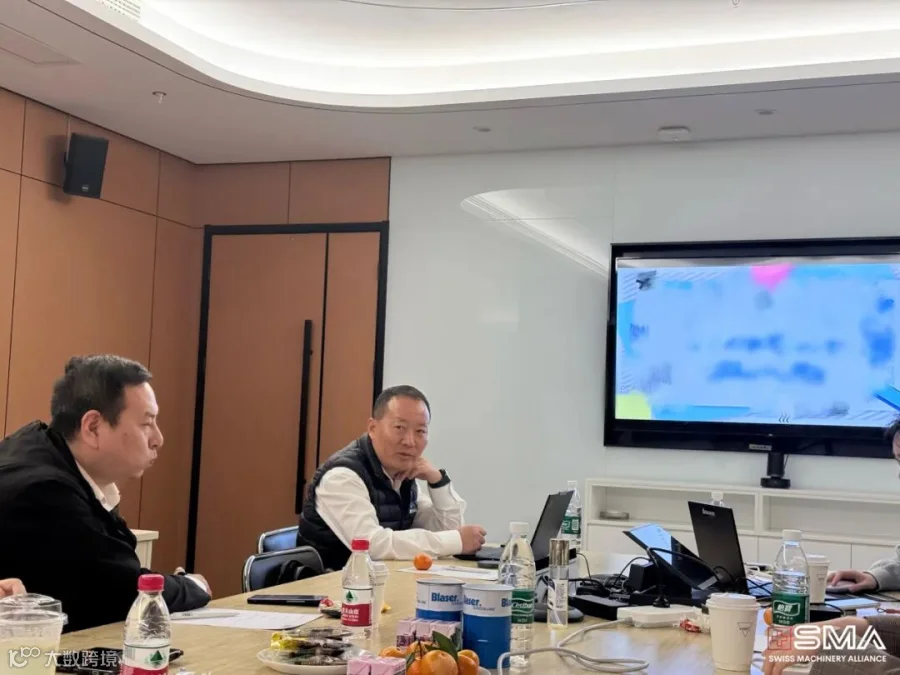
URMA中国区总经理鹿守阵先生(Scofield Lu)以“外企本地化实践经验”为主题,通过互动探讨的形式,为与会嘉宾带来一场深入浅出的战略分享。他以一则瑞士中餐厅的趣闻开场,巧妙引出跨国企业本地化所面临的文化适应与战略选择问题,迅速点燃现场讨论氛围。


他首先指出,本地化绝非简单的翻译或产品调整,而是一项全方位的战略举措。值得一提的是,这一观点与前一位演讲嘉宾的分享形成了有效呼应,共同强调了本土化战略的系统性。他强调,真正的本地化是企业能够以当地消费者的思维方式去理解市场、制定策略,并最终通过文化共鸣赢得用户信任。在这一过程中,文化适应性、管理团队本土化以及灵活的产品与服务创新成为不可或缺的三大支柱。


左右滑动,查看英文 Slide Left for English

Scofield Lu, Managing Director of URMA China, delivered a strategic and insightful presentation titled "Practical Experience in Foreign Company Localization" through an interactive dialogue. He engagingly opened with an anecdote about a Chinese restaurant in Switzerland, using it to introduce cultural adaptation and strategic choices in localization, quickly sparking lively discussion.

He emphasized that localization goes beyond simple translation or product adaptation, instead representing a comprehensive strategic initiative—a view that resonated with the previous speaker. True localization, he stressed, requires understanding the market from local consumers’ perspectives and building strategies accordingly, ultimately earning user trust. Throughout this process, cultural adaptability, localized management teams, and flexible product-service innovation form three essential pillars.

一、本地化的必要性


在阐述本地化的必要性时,鹿守阵先生指出,无论是瑞士公司进入中国还是中国企业出海,对当地法律、文化等环境的深度理解是不可回避的基础。他通过多个典型案例进行了深入说明:


  • 越南摩托车市场的演变:早期进入的中国企业依靠价格优势抢占市场,但因质量和服务落后、缺乏核心竞争力,难以持续发展,最终退出市场;如今中国电动车以充电成本低、炫酷的附加功能等创新优势,精准抓住新一代消费者的需求,而日韩企业仍固守“发动机耐久性”等传统卖点,未能及时把握新一代消费者偏好的转变。


  • 本土咖啡市场之争:他结合星巴克与瑞幸的竞争案例,指出瑞幸通过快速产品迭代和精准对接消费需求,在本地化竞争中展现出显著优势,进一步说明响应市场速度与用户偏好的重要性。


这些案例均揭示同一规律:缺乏本地化意识的企业,难以在变化的市场中建立可持续竞争力。


左右滑动,查看英文 Slide Left for English

I. The Necessity of Localization

In his explanation of why localization is essential, Scofield emphasized that a deep understanding of local laws, culture, and environment forms an unavoidable foundation—whether for Swiss companies entering China or Chinese companies expanding overseas. He illustrated this with two compelling cases:

  • Vietnam’s Motorcycle Market Evolution: Early Chinese entrants competed on price but exited due to weak quality and service. Now Chinese EV makers attract younger consumers with low charging costs and smart features, while Japanese and Korean firms still prioritize traditional attributes like engine durability, losing relevance among younger buyers.

  • Local Coffee Market Dynamics: Using the Starbucks-Luckin rivalry, he highlighted how Luckin’s rapid product updates and demand-aligned strategies demonstrate strong local adaptability, underscoring the value of speed and consumer insight.

These cases collectively reveal a consistent truth: companies that lack localization awareness will struggle to build sustainable competitiveness in a changing market.

二、本地化实施的三大核心要素


文化适应性是根基

深入理解当地文化习俗、宗教信仰、历史背景及消费心理至关重要,这些因素直接决定了市场对产品的接受程度。看似细微的文化差异,可能引发显著不同的市场反馈。


管理团队本土化重在平衡

结合URMA刀具试刀案例,鹿守阵指出,本土团队能显著提升内部沟通与执行效率。他强调,成功的本土化需要在“用人本地化”与“企业核心基因传承”之间取得平衡,这对跨国企业的市场定位与文化认同具有战略意义。


产品与服务创新需灵活精准

通过多个典型案例,鹿守阵先生阐释了基于区域需求的创新价值:

  • 麦当劳在印度推出纯素汉堡

  • 耐克为中东北非女性开发专属运动服饰

  • 传音手机针对非洲断电频发、自拍等需求,强化电池续航与拍照功能

这些案例表明,能够精准响应区域特点的个性化创新,是本地化成功的关键。


左右滑动,查看英文 Slide Left for English

II. Core Elements of Localization Implementation

Cultural Adaptation as the Foundation

Deep understanding of local customs, religious beliefs, historical context, and consumer psychology is essential—these factors directly shape product acceptance. Seemingly subtle cultural differences can trigger significantly distinct market responses.

Balanced Localization of Management Teams

Citing URMA’s tool-testing case, he highlighted that local teams greatly enhance internal communication and execution efficiency. He emphasized balancing localized talent acquisition with preserving the corporate core DNA—a strategic must for multinational market positioning and cultural coherence.

Flexible and Precise Product & Service Innovation

Through several case studies, he demonstrated the value of innovation tailored to regional needs:

  • McDonald’s vegetarian burger for India

  • Nike’s specialized sportswear for women in the Middle East and North Africa

  • Transsion’s extended battery and enhanced cameras for African outages and selfie culture

These examples show that tailored innovation responding to regional traits is crucial to localization success.

三、未来展望:技术赋能本地化新阶段


在结语部分,鹿守阵先生展望了本地化发展的新趋势。他指出,随着人工智能、大数据等技术的发展,技术型外企的本地化手段正变得更加高效和精准。例如,AI驱动的语言处理工具能够实现高质量的多语言内容生成,社交媒体监测平台可以实时捕捉用户反馈以指导产品改进。他特别鼓励市场部同事积极拥抱这些科技赋能下的本地化新趋势,提升工作效率和决策精准度。


左右滑动,查看英文 Slide Left for English

III. Future Outlook: Technology-Enabled Localization

In closing, Scofield outlined new trends in localization development, noting that AI and big data are making localization tools for tech-based multinationals more efficient and precise. For example, AI-powered language tools enable high-quality multilingual content generation, while social media monitoring platforms capture user feedback in real time to guide product improvements. He encouraged marketing teams to embrace these tech-driven trends, enhancing work efficiency and decision-making accuracy.


整场分享既有理论高度,又包含大量实战案例,为在场嘉宾提供了富有启发性的本地化实践框架,获得了与会者的热烈反响和深度认同。


左右滑动,查看英文 Slide Left for English


The session combined theoretical depth with extensive practical cases, providing participants with an inspiring localization framework that garnered enthusiastic response and deep recognition from the audience.


Use Douyin to

Scan the QR code

打开抖音 搜索页扫一扫

Make Connections


如需了解更多SMA China会员详情并建立联系,请联络:

To know more about SMA China members and make connections, please contact:



王丽娟女士 | Ms. Alexandra Wang

办公室经理|Office Manager

电邮|Email: a.wang@sma-china.org

【声明】内容源于网络
0
0
瑞士钨马高效精密孔加工
瑞士钨马公司60年来始终致力于孔的精加工领域,是您可靠的孔加工合作伙伴。
内容 84
粉丝 0
瑞士钨马高效精密孔加工 瑞士钨马公司60年来始终致力于孔的精加工领域,是您可靠的孔加工合作伙伴。
总阅读0
粉丝0
内容84