
 流程的制定
流程的制定
只有尊重不同行业的客户、不同类型的企业文化,才能有效协助客户制定差旅政策。差旅政策的制定与执行将帮助我们贯彻商务旅行管理的理念、控制成本支出并实现有效管理。
隔行如隔山,一般国内企业内部并不会设立专有的差旅经理,对商旅行业的理解也相对浅显。我们需要尽快明确客户对商旅管理的需求并制定相应的政策。分享市场中其他企业的流程经验,结合客户自身的特点,制定行之有效的差旅政策。流程的制定能够有效规范差旅行为、控制成本支出、实现一体化管理。
部分已制定内部流程的客户企业,不希望商务旅行管理公司对其内部流程进行变动。这虽然给商旅管理带来一定限制,但同时也让我们在整体项目上更为谨慎。通过分析相关的差旅数据,了解客户的差旅行为;推荐协议航空公司的选择;及时整理反馈意见;使客户逐步理解商旅管理给企业带来的益处,并协助企业优化内部流程。
当然也有部分企业乐于接受新事物,努力尝试新技术。我清晰记得多年前面对一位国内企业客户时的震撼。用时下的话说 “我接了一个假的国企吗?” 因为在接触后发现该企业有非常超前的管理理念,并会迅速付诸实施。当时客户希望能够设计出自动化的内部报销平台,实现快速报销员工各类费用并减轻财务核实的工作量。客户除了要求CWT提供日常预订工作外,还希望我们在项目管理上给予更多协助。如:提供支持差旅数据的平台建设等。对于CWT传统的运营理念和客户管理思路都是一种巨大的挑战。在项目不断的推进过程中,双方都收获 了丰富经验。而现在市场中也有越来越多的客户使用了这样的模式。

 服务中的沟通
简单来说,商务旅行管理就是将审批、预订、售后服务、财务管理等方面进行无缝整合,商务旅行管理公司需要融会贯通地协助客户企业完成日常的商旅管理。
对之前未有深入接触商旅管理的国内企业来说,差旅政策的制定能够被理解,但在执行中仍需要不断磨合与调整。譬如在实际预订过程中,无法避免会遇到旅客的抵触,认为传统方式更为便捷,审批流程复杂了日常操作。面对客户的怀疑和质询,我们需要提前加强对客户公司流程的理解,给予旅客有效的指引,在完成正常预订的同时,使旅客逐步认同差旅政策。
在日常工作中,规范流程化的服务可以规避大量历史性错误,为优化商旅服务奠定基础。但在执行过程中,一贯坚持会让旅客感到政策的不变通。因此,具备一定弹性的操作会使商旅服务更具人性化。这需要我们在服务中实时总结、积累经验、分享心得。兼具同理心、换位思考客户的难处、求同存异、协同解决。

 基于客户需求的战略解决方案
商务旅行在企业成本中占比较高,企业急需获取管理相关财务支出的方式。CWT时刻关注客户的需求,并致力于为客户提供个性化的战略定制,有效管控成本支出。
针对不同企业,成本的控制方式也不同。例如部分公司追求自由、独立的企业氛围,差旅政策的本身的制定也相对宽松。在这种情况下集中化的成本控制方式难以全面推广。相反,循循善诱的方式更容易获得员工的认同。我们曾经为企业提供员工的差旅数据,加以个性化的分析,基于分析推荐优化方案。我们发现这种形式的成本控制理念,在企业内部推广时反响较好。企业员工能够清晰了解各自的差旅习惯,并通过CWT提供的优化方案中明确更合适的商务旅行方式。
此外,针对商旅管理刚起步的企业,我们可以循序渐进、分阶段地推动成本控制。例如从供应商的采购量入手:推荐优选航空公司、引导员工使用优选供应商、通过整合差旅预订量来支持与供应商的进一步谈判。随着商旅管理的推进,我们可以观察并了解差旅政策是否需要作出调整。如部分企业退票率较高,我们可针对差旅政策和日常服务小组作出引导,内外协作、帮助旅客选择更有效的方式避免退票、控制成本。当商旅管理的概念深入人心后,再从差旅行为习惯,如提前预订、同行业中的数据比较等方面作出解析。
当然有时也会遇到成本控制方案未在能短期取得明显效果的情况,我们应在协助企业进行战略调整的同时帮助企业建立目标导向思维进而建立长期可行的商旅规划。
 产品的扩展
产品的扩展
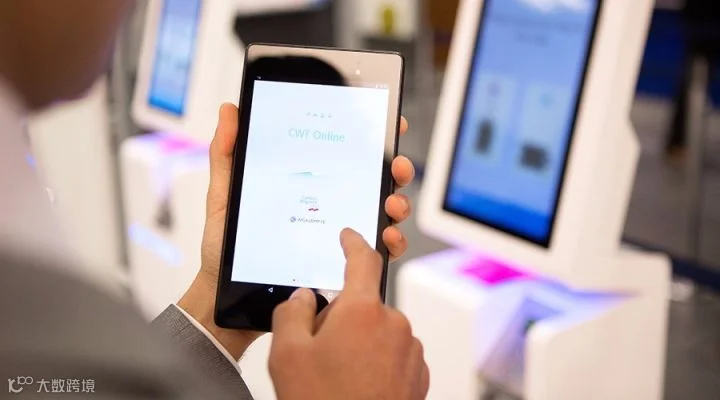
随着互联网的高速发展,国内企业对电脑端和移动端产品的使用率逐年上升。创新科技产品能够优化管理企业商务旅行支出并培养员工个人的预订习惯。技术与服务的完美结合,将实现高效商务旅行管理。从后期的客户差旅分析中可以发现,在线预订方式为企业带来的差旅支出的节省效果明显。
软性服务平台的建设,也是突围关键。中航嘉信在这方面做了积极尝试。例如:推出微信号 “中航嘉信差旅小助手” ,与客户分享行业资讯与实时差旅预警,为旅客的出行提供便捷和安全。除此之外,中航嘉信合规部为规范化的长期合作提供了保障。
国内企业的商旅管理起步较晚,但并不阻碍其迅速发展。网络技术与创新科技的不断涌现,极大推动了传统商旅市场的进步。在此大时代的背景下,CWT率先提出了CWT 3.0战略,以应对多元化的时代。
国内企业商旅管理的理念没有止境,未来既有繁花似锦也会有披荆斩棘。无论如何,CWT都希望我们的努力能化做满园郁香,得到客户认同的同时,也勉励CWT的不断成长!
点击【阅读原文】浏览完整在线刊物。
下期刊物连载:“中航嘉信商旅视点 ” 第七期 — 你的企业领导者是否有明镜?,敬请期待!

How? Chinese companies are tapping in to the potential of travel management
 Defining the procedures
It's crucial that we respect and understand the diverse cultures of our customers' businesses, in order to help our clients map out suitable travel policies - without which, neither running an effective travel management program, nor achieving cost savings is attainable. There is no 'one size fits all' approach, but we can draw from our experience with other companies facing similar challenges to develop travel policies that will have the greatest impact. Procedures are very helpful for standardizing travel behaviors, controlling costs and realizing integrated management.
Domestic companies in China often don't have a dedicated travel manager to manage their program, and so their understanding of the travel industry can be quite limited, so it is our job to help educate them and make sure they are armed with the right knowledge to help them make decisions.
We understand that some companies have their own internal procedures in place already, and may be reluctant to change them, so we always make sure we use data analytics to help our customers see the effect a few small positive changes could have on their travel program.
However, many companies are very willing to try new things and test out new technologies. I clearly remember the shocking moment when I was facing a domestic customer many years ago. "Is this really a state-owned enterprise?" I thought. The customer wanted to design an automatic internal reimbursement platform to expedite the reimbursement process for employees and reduce the workload in financial validation. They asked us to as assist in providing travel data to support the platform. I was impressed by how forward-thinking and visionary this company was. As the project proceeded, we both gained rich learnings and best practices. Currently, more and more customers are adopting such model on the market, and we certainly love breaking new ground with our clients.

 Communication in Service
In short, business travel management refers to the seamless integration of the whole traveler journey, from the approval process, to making reservations, post-sales support and financial management. A TMC needs to take a comprehensive approach to helping companies manage everyday travel issues.
Companies who are new to implementing a travel management program may find there is some hesitation from their employees at first. For example, they may find themselves getting complaints that the review and approval processes are too complicated, and that the old practice is more convenient. However, we need to improve our understanding of the customer's processes, properly guide the travelers to ensure the reservation is as effortless as possible, and gain the travelers' support for the travel policy.
Implementing processes is an essential part of delivering an effective travel program, but it's important to bear in mind that there needs to be an element of flexibility. This makes the service more human-centered, and is an important part of getting travelers on board. We have to put ourselves in shoes of the customer, and when an issue arises, seek common ground to get it solved.

 Common Focus
We care about what our customers care about. Travel expenses account for a significant proportion of a company's overall budget. We aim to help our customers achieve real savings on these fixed expenses – but what measures do we take? I think we should answer this question based on each customer's situation.
Different companies may require different cost control methods. Companies advocating freedom and independence in their culture may prefer a relatively loose travel policy that gives employees the autonomy to make their own decisions. If this is the case, centralized cost control methods would be diffcult to roll out, and a more communicative approach would be better accepted by the employees. In one project, I helped a company analyze individual employee travel preferences based on their travel data, so we could recommend optimized travel options for them. This approach in cost control generated excellent results when rolled out across the company. Since each employee knows his/her own travel habits, he/she could select a suitable option from the optimized travel schemes.
For companies new to travel management, we can help them control costs step by step. For example, we can recommend a preferred airline based on the procurement volumes of various suppliers and guide the employees to use the preferred supplier. As a next step, we could use the data generated by these travel bookings to help negotiate with suppliers. Over time, we can observe whether there is a need to adjust a travel policy. If a company sees high ticket cancellation rates, we can assist them in booking more effciently to avoid cancellations and cut down the associated costs through internal and external coordination, such as travel policy alignment and guidelines for the daily service team. Once the concept of travel management has become widely accepted across the company, we can then provide further analysis on travel behavior habits such as advance booking and comparison of data patterns in the same industry.
In some cases cost control solutions do not bring instantly visible effects within a short time span. However, we believe that as long as we maintain a positive mindset and do not stop pursuing our long term goal of reducing costs, sooner or later we will be able to realize our cost control ambition.
 Expansion of offering
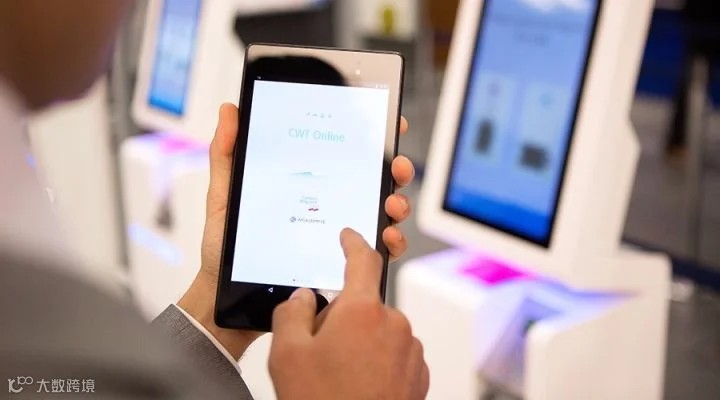
We recommend using online and mobile apps to supplement the traditional manual service, to make the service chain more complete. With the boom of the Internet, the use of online products in the travel industry is quickly gaining popularity, which has enabled many companies to control their costs as well as cultivating personal booking habits. Online products have seen increased adoption in domestic companies year-on-year. From the follow-up travel analysis that we conducted for customers, it could be seen that online reservation brought obvious cost savings.
We aim to provide a 360 degree service experience to customers. For example, we launched the Travel Assistant on WeChat sharing platform with the aim of updating customers on industrial trends through this platform. We have seen that regularly sharing travel insights on a social network is more convenient for travelers.
Although some local companies are newcomers to travel management, they are taking swift actions in this field. As new technology drives change in the travel market, there are more opportunities than ever for Chinese companies to start implementing travel policies, and managing their travel costs more effectively. There will always be challenges, but we believe that building a strong relationship with the right travel partners is the right path to succeeding.
Click【Read More】to read the full online magazine.
关注中航嘉信微信公众平台,
完美旅程由此开始!