

截止目前,全球多国已启动复工复产并逐步有序放松疫情管制措施:例如,包括中国在内的一部分国家已率先稳步恢复国内客运航班,而另一些国家也正在考虑建立特殊的“旅游泡泡”(travel bubbles)或“旅游走廊”(travel corridors)通关方式,即让低感染水平国家相互开放旅游业,并合理地恢复人员流动,无需在目的地忍受14天的防疫隔离。

Photo: Kate Trifo
根据全球商务旅行协会(Global Business Travel Association,简称GBTA)五月一项最新调查结果显示,其会员企业中超过半数已确定将在短期内有序恢复商务差旅事项。
虽然种种迹象表明企业差旅复苏趋势逐渐明朗,但不可否认后疫情时代的差旅出行由于收到各国防疫管制措施影响,较之数月前已悄然发生变化,差旅人员的出行体验都不可避免得受到了下滑。因此,无论是差旅管理人员还是出行人员都需要在行前做足准备工作。以下是CWT为差旅“先行官”们提供的九大行前提示:
1. 了解目的地隔离措施
虽然各国正在逐渐解除封锁,但隔离措施至少在短期内仍会存在于多数地区。
例如:即便在六月,中国和新加坡已经同意建立一条快捷通道,方便两国之间的重要商务和公务往来,但出行人员仍需进行核酸检测,并根据两国具体要求进行不同时长的隔离。
2. 了解目的地健康安全措施
在全球范围内,上至国家,下至地方政府都在推行不同的防疫政策以确保阻断疫情传播,这其中包括了:佩戴口罩、有限开放餐饮场所以及中断部分公共交通等。其中一部分的政策限制可能仅针对于旅行者。
即便是身经百战的差旅达人,也建议在此新常态下,将地面交通和餐食纳入行前考量范畴,同时,也要将地方防疫措施考虑在内,准备好包括口罩在内的防疫物资。
3. 了解机场以及机上的健康安全措施
多数国家与部分航司都提出了在机场与飞行期间强制佩戴口罩的规定,因此,最好在行前准备好此类防疫物资。
4. 了解目的地医疗资源
各国的医疗资源与设施仍存在差异,即便是同一国家的不同城市,其差异依旧存在。有些城市可能因为疫情关系导致资源紧缺,因此,行前建议多加了解目的地医疗资源以防万一。
企业也可以通过与专业的第三方国际SOS团队合作,从而为差旅员工提供突发情况下,现场医疗协助的解决方案。
5. 了解购买的旅行保险细节
多数保险可能不会将由疫情引发的航班取消以及医疗救助涵盖在承保范围。因此,行前尽可能充分了解您的保险承保范围。
6. 了解航班动向
鉴于市场低迷与政府管控,多数航司尚未百分百恢复疫前航班运营,因此,多加关注各大航司的复航计划与国家政策有助于您的行前规划。
7. 了解住宿状况
多数连锁酒店近期都提出了提升防控卫生消毒措施,有的甚至推出了无接触入住/退房服务。
但是,全球部门酒店仍处于歇业状态,如果目的地酒店住宿选择过少,需加强自我警惕。
8. 了解各国政治状况
鉴于部分国家地区出现的由新冠疫情引发的民众反弹情绪,差旅人员应密切关注当地事态发展。
9. 使用企业规范预订渠道
最后,建议差旅人员使用企业推荐的规范预订渠道。这不仅可以帮助快速获得内部审批,更重要是让企业了解员工的差旅轨迹,同时,当员工的行程发生变化时可以及时获得相关协助。
关注中航嘉信差旅小助手,及时获取全球差旅预警。

▋ 关于CWT
CWT是一家B2B4E(面向企业 · 服务员工)差旅管理平台企业。我们为企业和政府机构提供支持,帮助他们的员工摆脱地域限制,随时随地保持联系,我们还为其员工提供创新的技术,打造高效、安全和有保障的差旅体验。我们为商务差旅人士提供贴心服务,每天安排的预订规模可住满超过100,000间酒店客房,会议和活动部门则每24小时要处理100多项活动。

Getting Back on the Road: 9 things to plan for as travel resumes
Around the world, travel restrictions are gradually being eased. In recent weeks, a number of countries have allowed domestic travel to resume. Some have even restarted – or announced plans to restart –international travel through the formation of "travel bubbles" and "travel corridors", where borders are only being opened only to visitors from certain countries.
Concurrently, a May poll from the Global Business Travel Association (GBTA) found that more than half of its member companies have plans to resume travel in the near future.
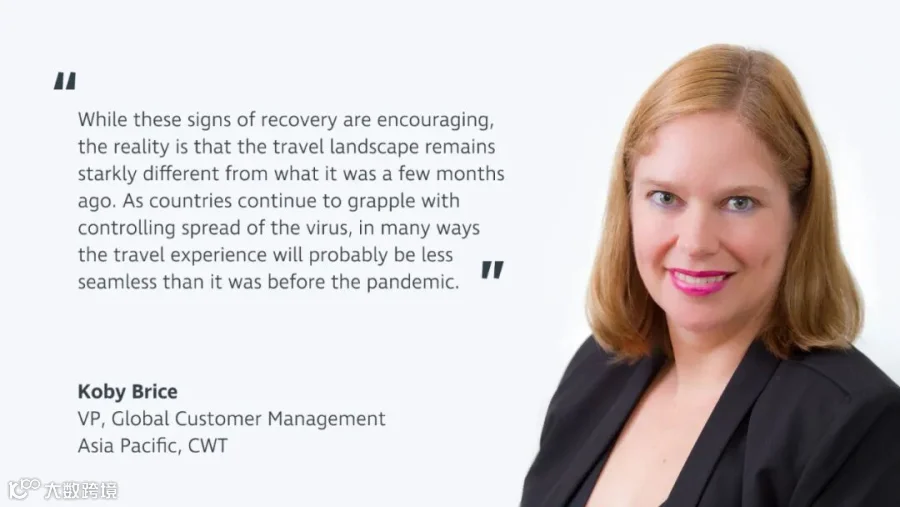
While these signs of recovery are encouraging, the reality is that the travel landscape remains starkly different from what it was a few months ago. As countries continue to grapple with controlling spread of the virus, in many ways the travel experience will probably be less seamless than it was before the pandemic. Business trips will require greater planning and preparation, both on the part of companies and their traveling employees. Here are some things to consider:
1. Quarantine requirements
While countries are allowing travel to gradually resume, it's likely that some quarantine requirements will remain in place, at least in the near term.
For example, under the Singapore-China "fast-lane" arrangement announced last month, travelers will still need to remain isolated for one or two days at their destination while awaiting their covid-19 test results.
2. Safety measures at your destination
Cities around the world have implemented a raft of measures to curb community spread of the virus. These include requiring people to wear masks, limiting the operations of restaurants and suspending some public transport services. Some restrictions may only apply to visitors.
Even a seasoned traveler who has visited a destination multiple times in the past may need to do a little extra planning to figure out things like transport and meals, and ensure they have packed essential items like masks so they can comply with local regulations.

Photo: Kate Trifo
3. Safety requirements at airports and on flights
Several countries and airlines have also made it mandatory for passengers to wear masks at the airport and on-board flights, so it's a good idea to keep one handy.
On the flipside, while you may decide you want to wear a mask, you could find yourself on board a flight where the airline can’t enforce that other passengers do so.
4. Access to quality medical assistance
Standards of healthcare and medical facilities can vary widely from one country to the next, and even between cities in the same country. Healthcare resources in some cities could be overwhelmed due to the coronavirus, making it difficult to get access to medical assistance should you need it. Again, it’s advisable to do your research prior to traveling.
Companies can also look into solutions offered by organizations like International SOS that specialize in medical and travel security services, and can provide on-site medical assistance to travelers.
5. Insurance
A number of travel insurance providers are no longer covering events arising from the COVID-19 outbreak, such as flight cancellations and medical assistance, for policies issued after a certain date. Contact your insurance provider to find out what your policy does and does not cover.
6. Flight options
Many airlines are still operating significantly reduced schedules due to lower demand and government restrictions, so it's a good idea to understand what your options are if you need to get out in a hurry. For example, the United States Department of Transportation recently announced that Chinese passenger air carriers will be permitted to operate just two flights per week to the U.S.
7. Accommodation options
Most of the major hotel chains have announced initiatives to increase the level of cleanliness and hygiene at their properties, including thoroughly cleaning guest rooms and public spaces with recommended cleaning agents, setting up hand-sanitizing stations, and providing contactless check-in and check-out.
However, many properties across the globe remain closed, and depending on where you’re traveling to, the only available options may be properties where cleanliness protocols might not be as stringent.
8. Political / civil situation
In some places, the lockdowns and other safety measures imposed by governments have resulted in civil unrest and protests. Travelers should keep on top of the news so they can stay out of harm's way.
CWT partners with organizations like International SOS to send our clients and their employees regular alerts about the situation on the ground – these are sent via email and push notifications through our mobile app.
9. Booking channel
Last, but certainly not least, you should only book through your employer's approved booking channels. This will help ensure you've secured the necessary internal approvals and your organization can easily locate you if there's an issue – and should you need to change your plans, you can quickly get assistance in making alternative travel arrangements.
Follow us to get more hot news and travel alert.

▋ About CWT
CWT is a Business-to-Business-for-Employees (B2B4E) travel management platform. Companies and governments rely on us to keep their people connected – anywhere, anytime, anyhow – and across six continents, we provide their employees with innovative technology and an efficient, safe and secure travel experience. Every single day, we look after enough travelers to fill more than 100,000 hotel rooms, while our meetings and events division handles more than 100 events every 24 hours.
关注中航嘉信微信公众平台,
完美旅程由此开始!