
Lock Body
Traditional Door Lock Mechanism
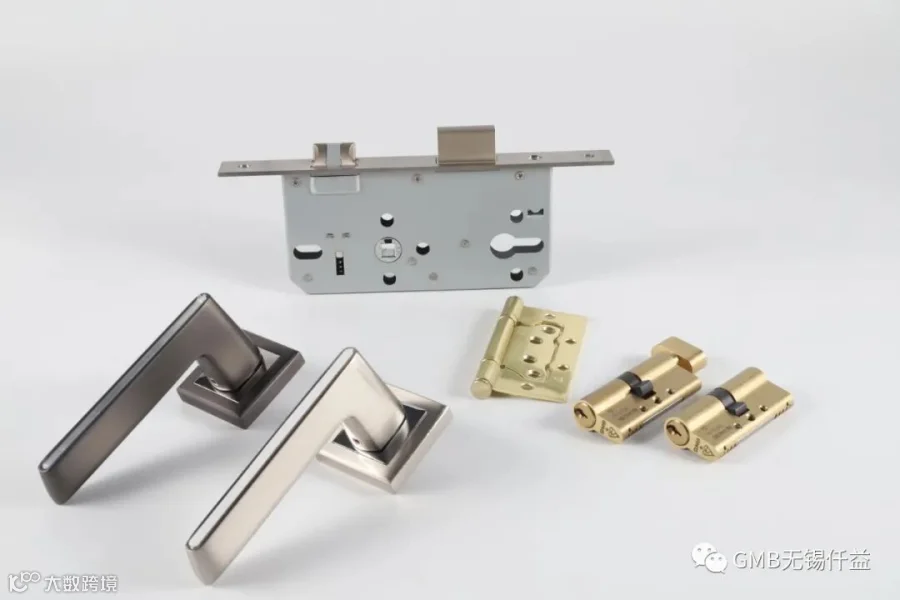
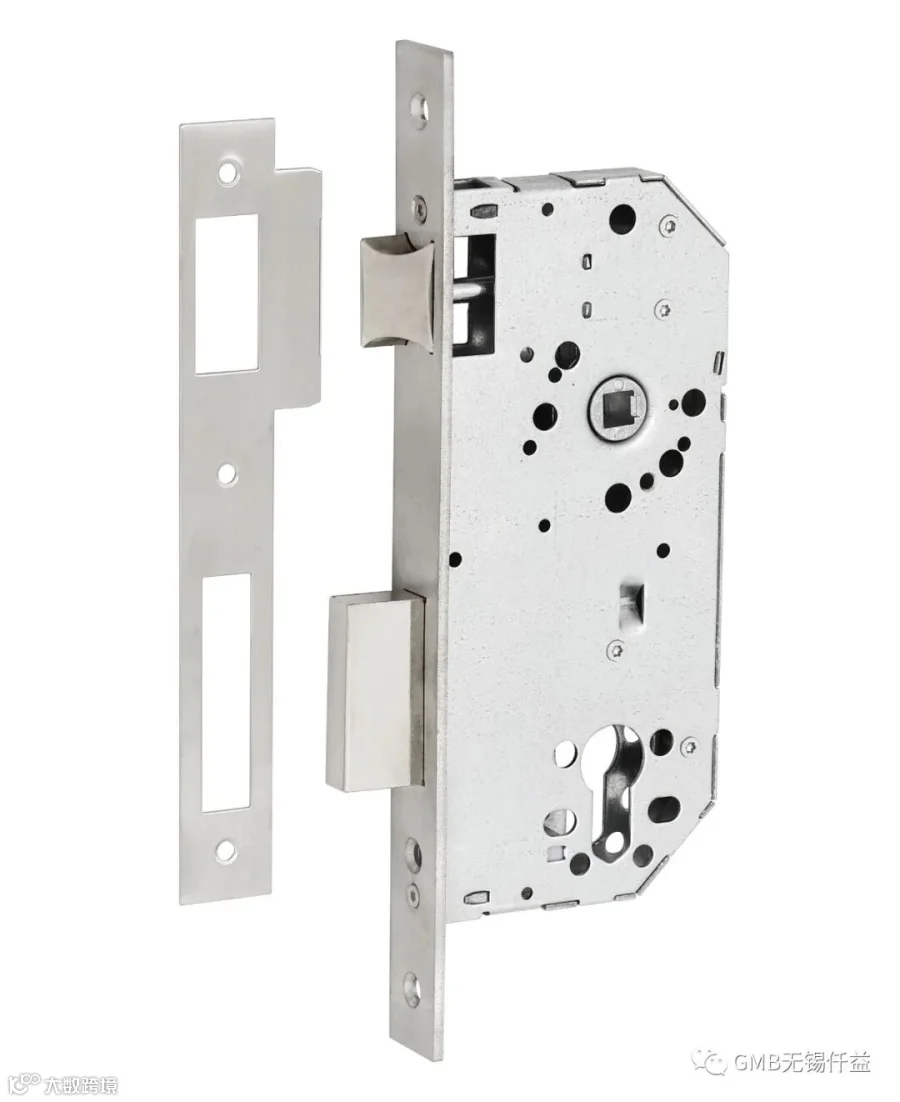
Each lock is made differently, so let's look at the anatomy of a standard door lock seen in houses and light business buildings. The cylinder, bolt, box, and strike plate are the four basic components of a door lock.
Knowing how things work around the house is beneficial to any DIYer. Understanding the various components that go into making a door handle and lock operate will assist you in repairing minor issues on your own.
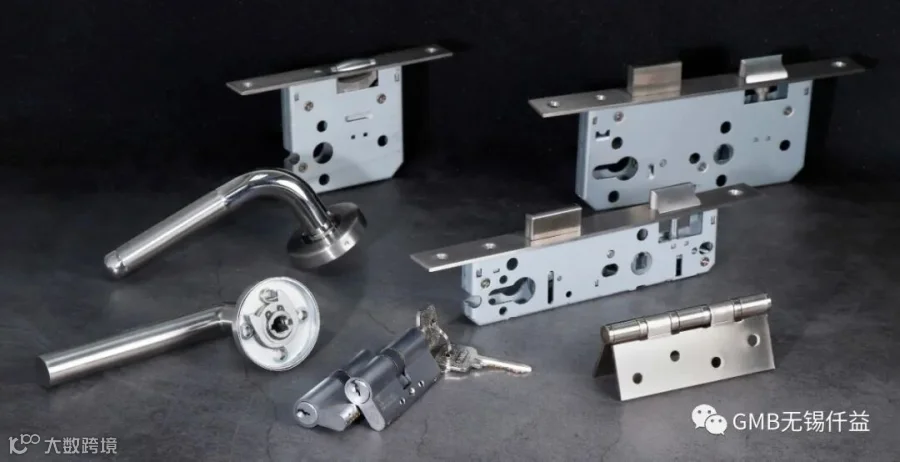
Here are the main points:
01
Cylinder (lock body)
02
Bolt or Latch
03
Strike Plate & Box
01
Cylinder (lock body)
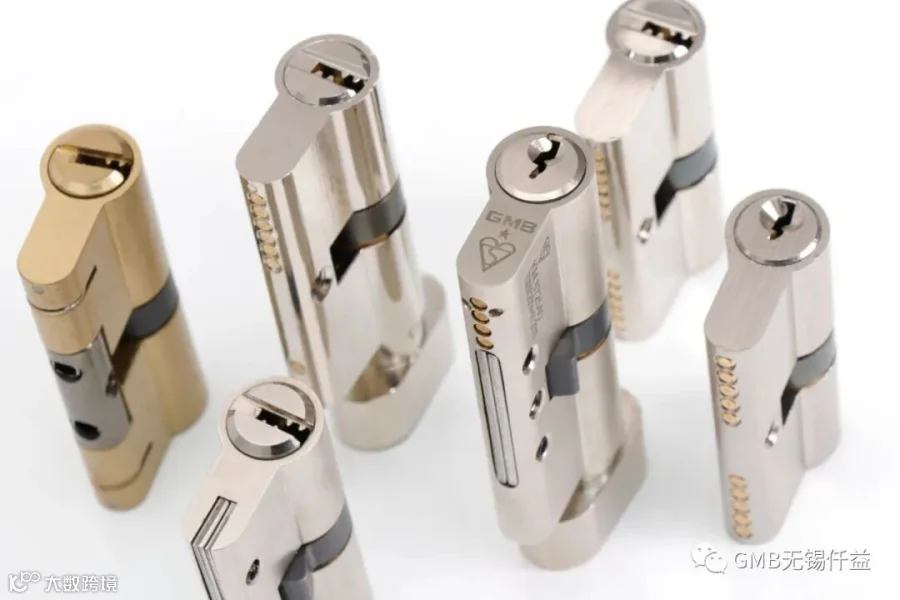
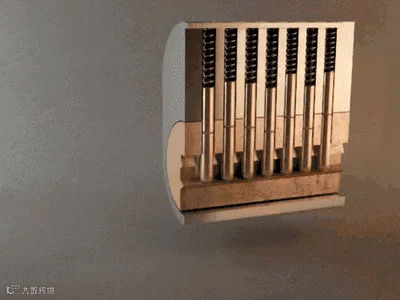
It is the component of the door lock where the key is inserted. When the cylinder is locked, it engages a series of spring-loaded pins that prevent the cylinder from rotating. When you insert a key, the uneven edge of the lock body pushes the pins upward to meet the key's height in that location. When the pins move into their right positions, it recognises the correct key. This "opens" the cylinder, allowing you to open the door by moving the bolt.
02
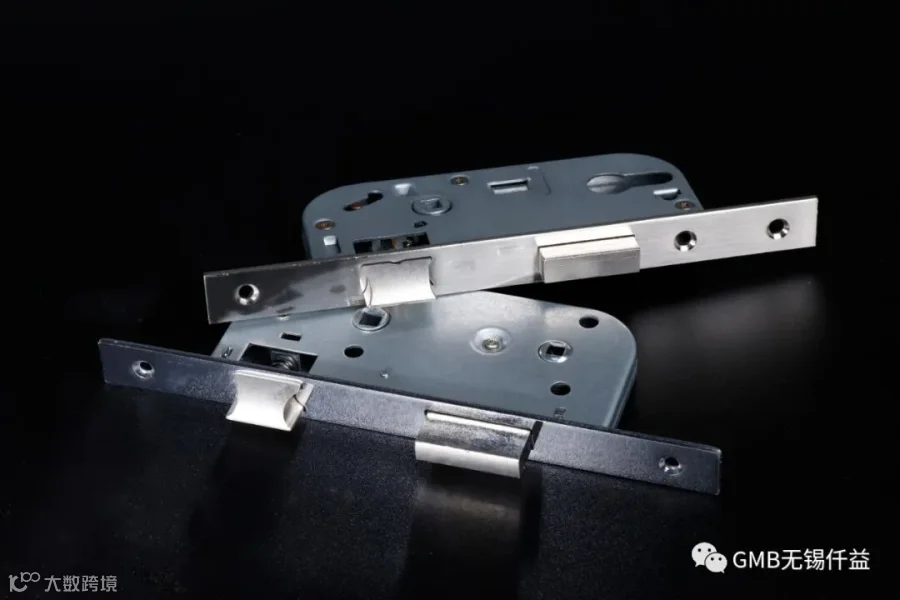
A bolt within the door is engaged by the lock. This metal plate extends from the door into the frame and secures it shut. A spring bolt and a deadbolt are the two major types of latch (or bolt).
03
Strike Plate & Box
The "box" is formed by the bolt extending from the cylinder into a little square shaped hole. When the lock is engaged, it is designed to secure the bolt in the doorframe.
ABOUT GMB