


Optimum hatchability and chick quality can only be achieved when eggs are held under ideal conditions between laying and setting in the incubator. However, on-farm egg storage and transport to the hatchery sometimes presents challenges which must be addressed, or the hatching potential will quickly deteriorate.
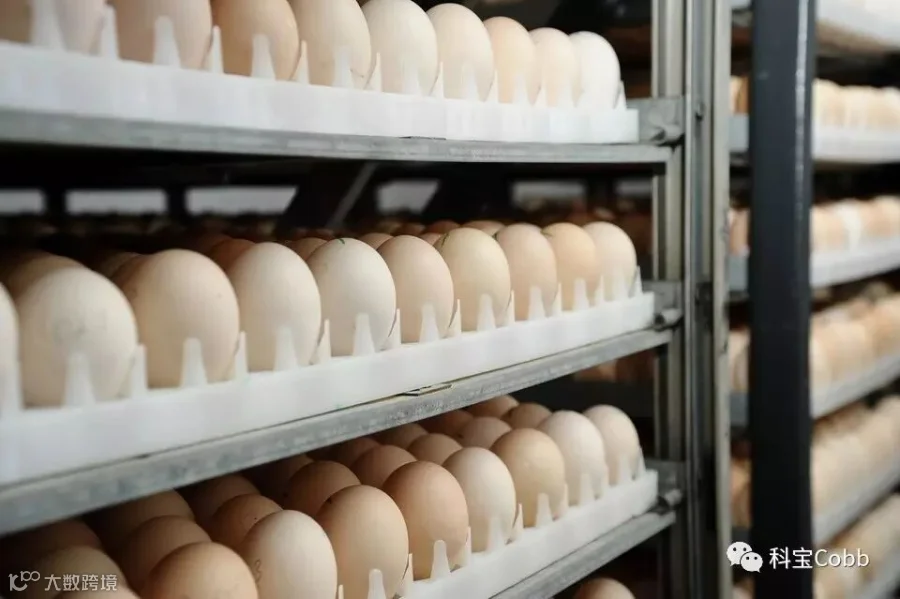
Follow these guidelines to help make sure your egg quality is maintained during storage and transport:
1. Collect eggs from the farms and transport them to the hatchery at least twice a week.
2. Gradually cool eggs from the point of lay to the hatchery egg room, which should be the coolest point for the egg. Eggs should then be pre-warmed to incubation temperature before setting in the incubator.
3. Change temperature steadily, decreasing from lay to the coolest point, then steadily upward from egg storage to setting in the incubator.

4. Prevent temperature fluctuations, which can cause a higher early embryonic mortality and poorer quality chicks, by using temperature controlled egg transport vehicles.
5. A relationship exists between the length of time eggs are stored and the optimum temperature and humidity needed for the best hatchability. Generally, the longer eggs are to be stored, the lower the storage temperature.
6. Storage prolongs incubation time. On average, one day’s storage adds one hour to incubation time. After six days of storage, one can expect to lose 0.5 to 1.5% hatchability per added day of storage, with the percent increasing as storage extends further. Chick quality will be affected and broiler weights can be depressed in chicks hatched from eggs that have been stored for 14 days or more.
Conclusion
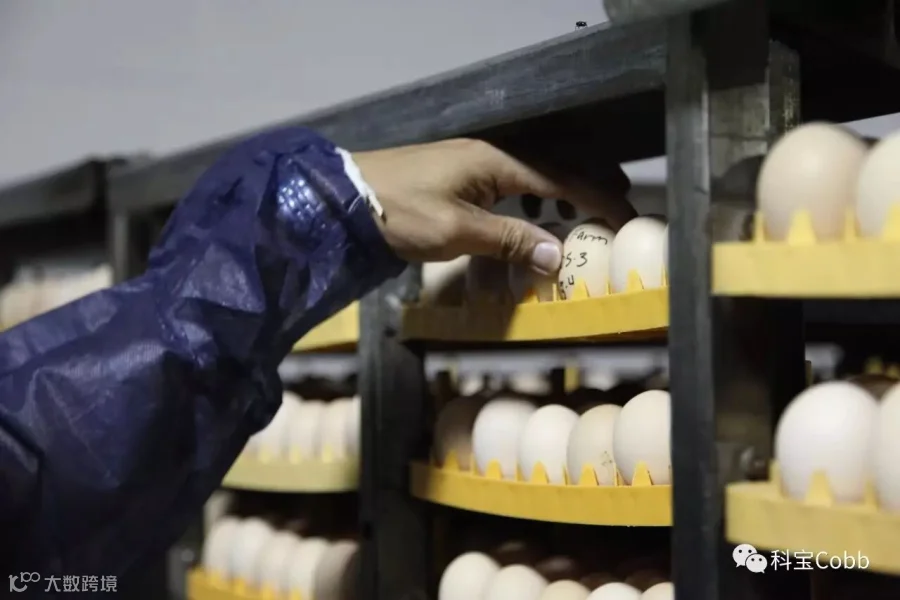
Temperature and humidity levels must be closely controlled at all stages of transport and storage to avoid variations, especially when eggs are transported in weather extremes. Special storage considerations need to be implemented when eggs are stored more than six days prior to setting.