
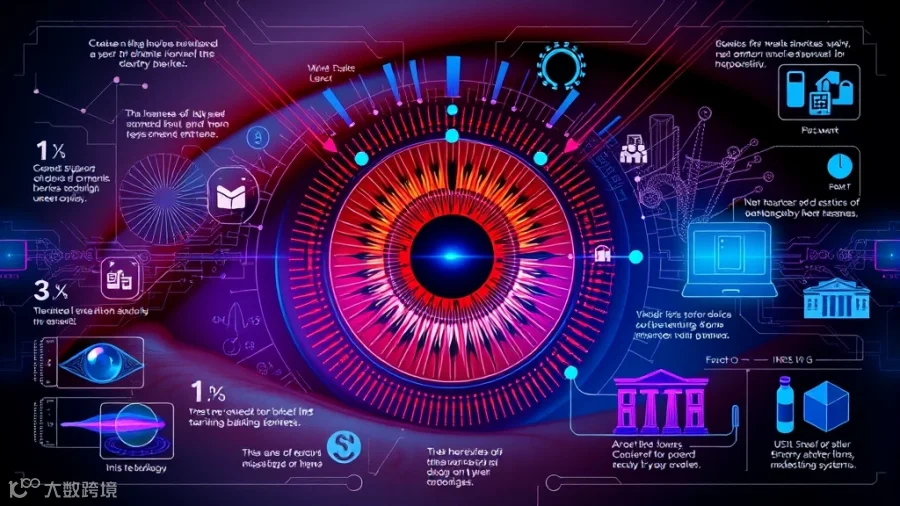
In a world where security is paramount, iris recognition technology is leading the charge in biometric security.
With its ability to provide precise identification through the unique patterns of the human iris, this innovation is transforming how we think about safety and convenience.
From access control to financial transactions, iris recognition is making waves across various sectors.
Join us as we unveil ten incredible innovations in iris recognition that are shaping the future of biometric technology!
1
Smart Home Security Systems
Smart home security systems equipped with iris recognition technology are making this a reality, using your unique iris patterns to unlock doors seamlessly.
These systems not only enhance convenience but also provide a higher level of security, as they are less susceptible to theft or hacking.
With the integration of smart devices, these systems can send real-time alerts and can be controlled remotely, ensuring your home is safe even when you're away.

2
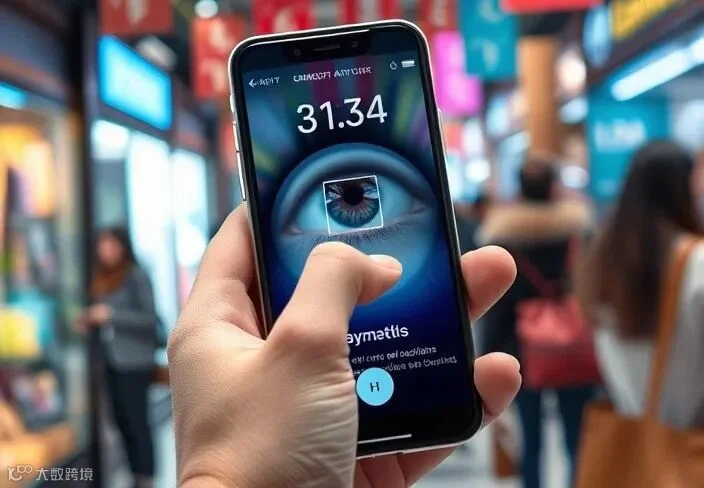
Mobile Payment Solutions
By utilizing iris scanning, consumers can make payments swiftly and securely without the need for passwords or cards.
This technology not only speeds up transactions but also significantly reduces the risk of fraud, as iris patterns are unique and cannot be replicated.
As more retailers adopt this solution, shopping experiences will become faster and more secure, making it an exciting development in biometric technology.
3
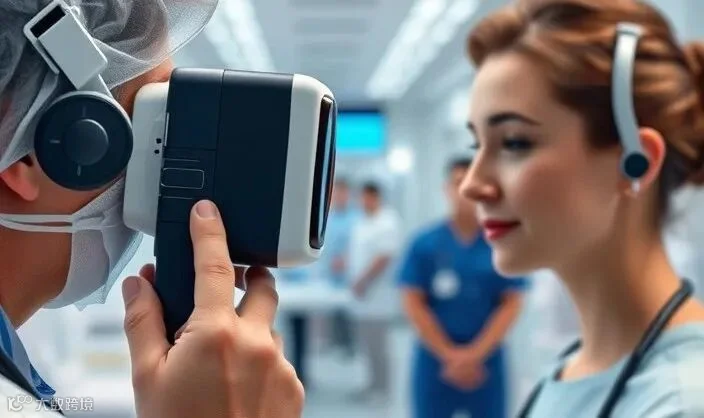
Healthcare Patient Identification
Iris recognition technology offers a reliable solution by ensuring that patients are matched with their medical records accurately.
This innovation minimizes the risk of errors associated with traditional identification methods and enhances the overall patient experience.
As hospitals and clinics adopt this technology, they are not only improving security but also streamlining the administrative processes involved in patient care.
4
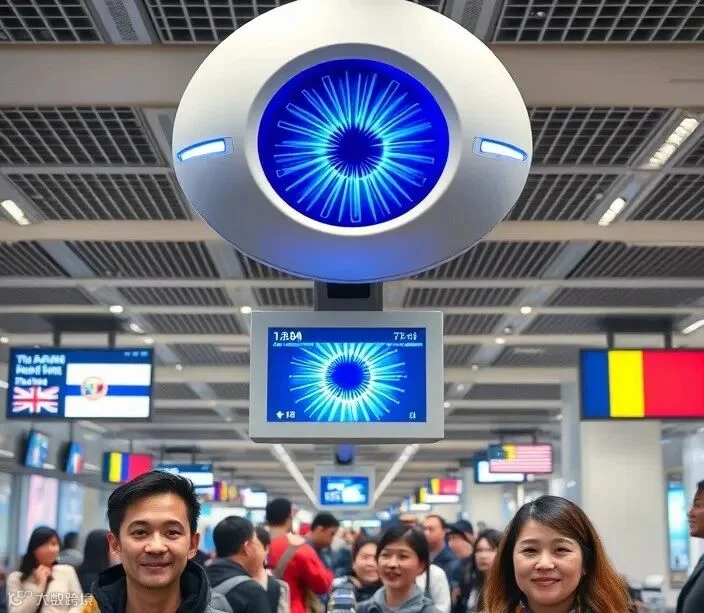
Border Control and Immigration
By scanning irises, officials can verify identities quickly, significantly reducing wait times at immigration checkpoints.
This biometric technology also improves accuracy, helping to prevent identity fraud and ensuring the safety of travelers.
As countries adopt these systems, international travel may become faster and more secure, making the journey smoother for everyone.
5
Financial Services and Banking
Customers can access their accounts and authorize transactions using their unique iris patterns, making it nearly impossible for fraudsters to breach accounts.
This technology not only enhances security but also provides a more convenient banking experience, allowing users to bypass traditional authentication methods.
As banks implement these solutions, clients can feel more secure while managing their finances.

6
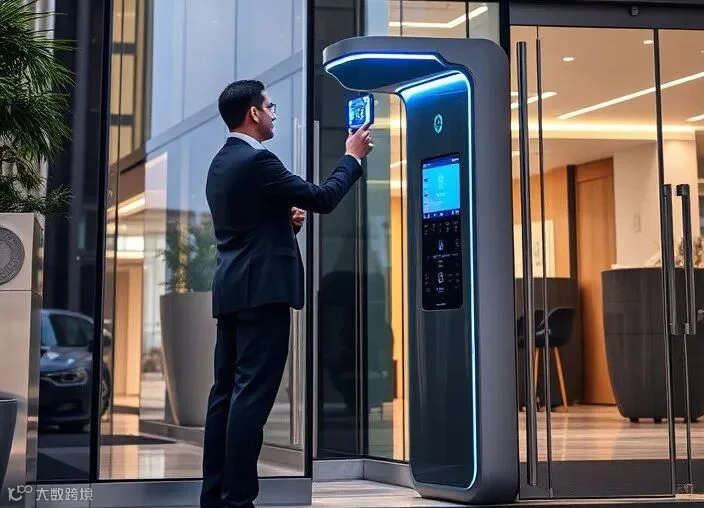
Corporate Access Control
By using this technology, businesses can ensure that only authorized personnel can enter restricted zones, enhancing workplace security.
Iris recognition eliminates the need for traditional ID badges, which can be lost or duplicated, making access more secure and efficient.
As companies prioritize safety and efficiency, this innovation is becoming a standard across various industries.
7
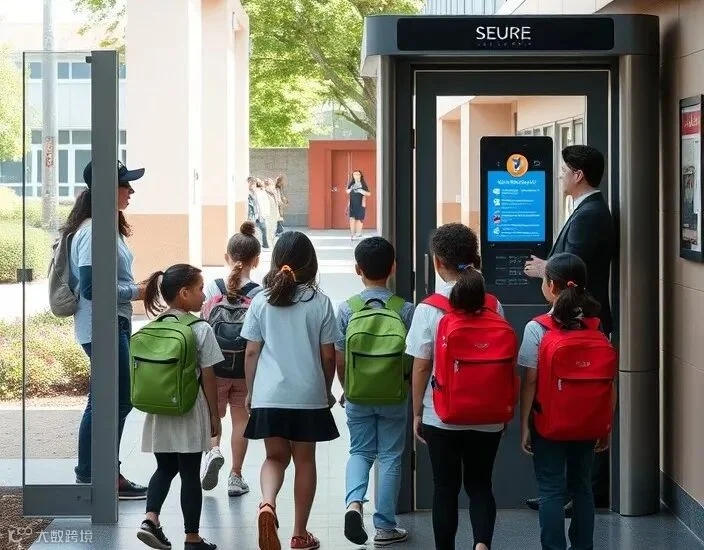
Education and Campus Security
By implementing this technology, schools can ensure that only authorized individuals access campus facilities, protecting students and staff alike.
Iris recognition also simplifies attendance tracking and exam security, reducing the chances of cheating or impersonation.
As schools invest in these systems, the safety and efficiency of educational environments are significantly improved.
8
Identity Verification for Online Services
This technology enhances user authentication by providing a highly secure method to verify identities before granting access to sensitive information or services.
Iris recognition minimizes the risks associated with password breaches and identity theft, making it an effective solution for online transactions and account protection.
As more companies adopt this approach, users can enjoy a safer online experience.

9
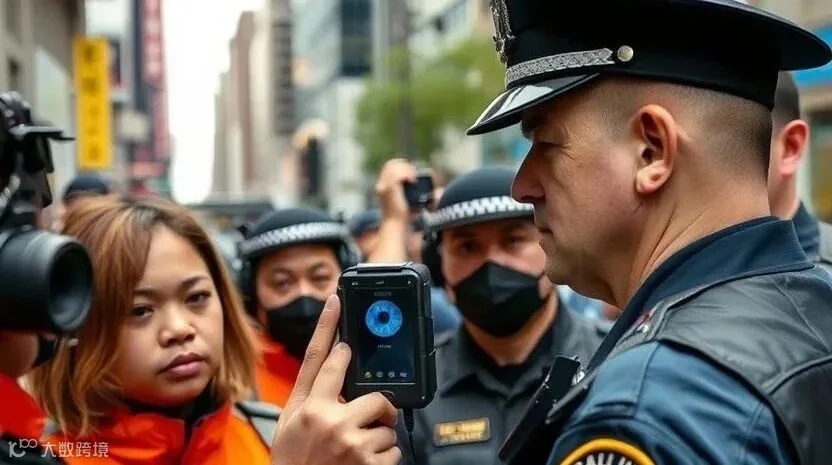
Law Enforcement and Criminal Identification
This technology allows for rapid identification of individuals in the field, significantly enhancing the efficiency of police work.
By scanning irises, officers can quickly determine if a suspect has a criminal record, improving public safety.
As agencies integrate iris recognition into their operations, communities can expect enhanced security and quicker responses to incidents.
10
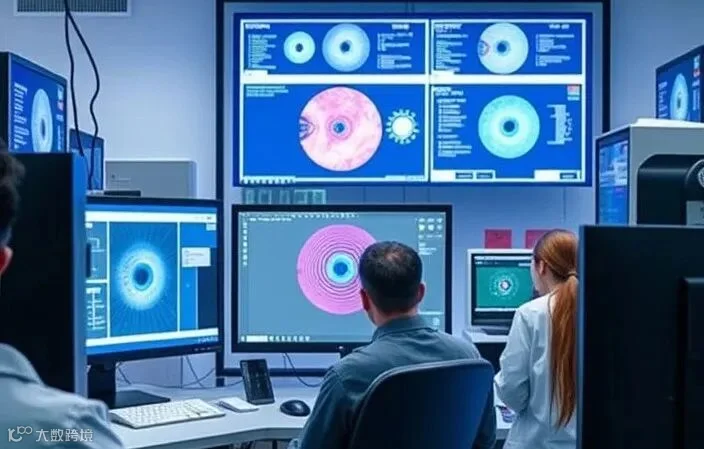
Research and Development in Biometric Technology
Innovators are exploring new algorithms and techniques to improve scanning speed and reliability, paving the way for broader adoption.
As this technology evolves, we can expect to see its application in new areas, further enhancing security systems across various industries.
Staying abreast of these developments is crucial for anyone interested in the future of biometric technology.
Conclusion
Iris recognition technology is undeniably reshaping the landscape of biometric security, offering unparalleled convenience and safety.