
Imagine a world where your identity is verified in the blink of an eye—literally. In Southeast Asia, this isn’t just a futuristic fantasy; it’s becoming reality. Iris recognition, a cutting-edge biometric technology that identifies individuals through the unique patterns of their eyes, is quietly transforming the region’s approach to security. From border checkpoints to banking halls, and even the potential for disaster relief, this technology is unlocking a safer, smarter future. Let’s dive into how iris recognition is revolutionizing security across Southeast Asia—and why it’s a game-changer you didn’t see coming!
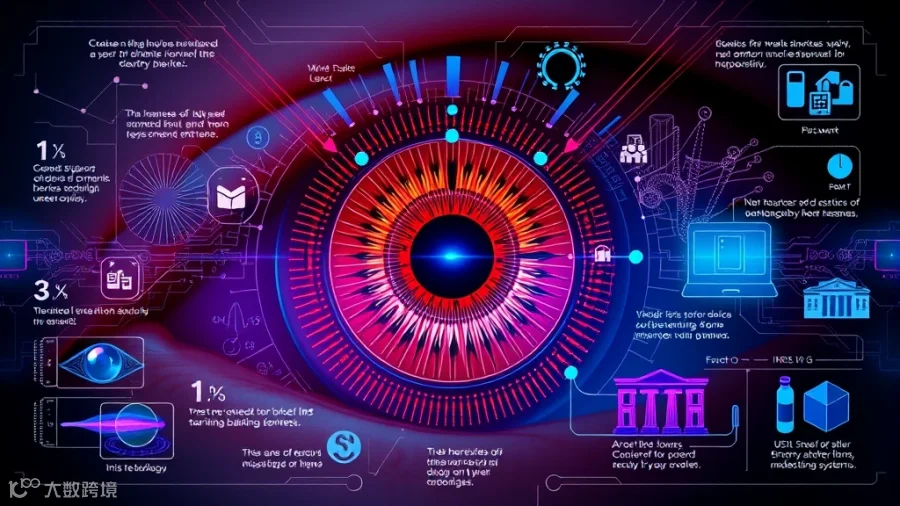
Before we explore its impact, let’s get the basics down. Iris recognition uses high-resolution cameras to capture the intricate, one-of-a-kind patterns in your iris—the colored ring around your pupil. These patterns are as unique as fingerprints but far more stable over time, making them nearly impossible to fake. With a false match rate of less than 1 in a million, it’s no wonder this tech is gaining traction. Add its contactless nature (perfect for a post-pandemic world), and you’ve got a security solution that’s both precise and practical.
In Southeast Asia, where rapid urbanization, cross-border movement, and digital transformation are reshaping societies, iris recognition is stepping up to tackle some of the region’s toughest security challenges. Here’s how it’s making waves.
1Securing Borders with a Single Glance
Malaysia isn’t far behind. With NEC’s help, the country has rolled out multimodal biometric systems—including iris recognition—at immigration checkpoints. It’s a glimpse of a future where borders are both more secure and more efficient. And with Southeast Asia’s complex geography—think thousands of islands and porous frontiers—this tech could be a game-changer for managing migration and thwarting illegal crossings.
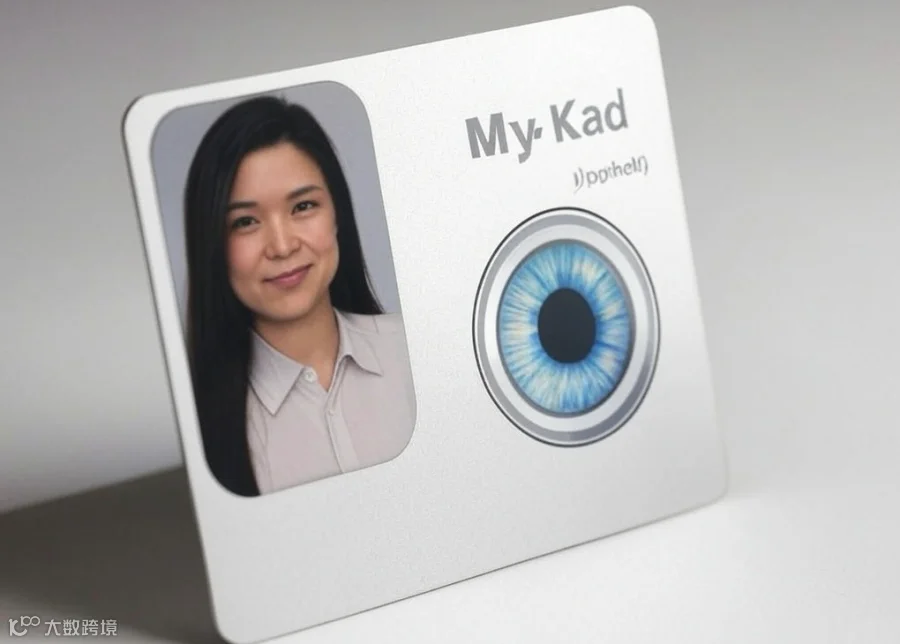
2Building a Fraud-Proof National Identity
Other nations like the Philippines and Indonesia are already rolling out biometric IDs, mostly relying on fingerprints and faces. But with the Asia-Pacific iris recognition market projected to grow at a whopping 15.9% annually through 2028, it’s only a matter of time before iris tech becomes a regional standard. Why? Because it’s harder to spoof and delivers unmatched accuracy—key for a region plagued by identity fraud.

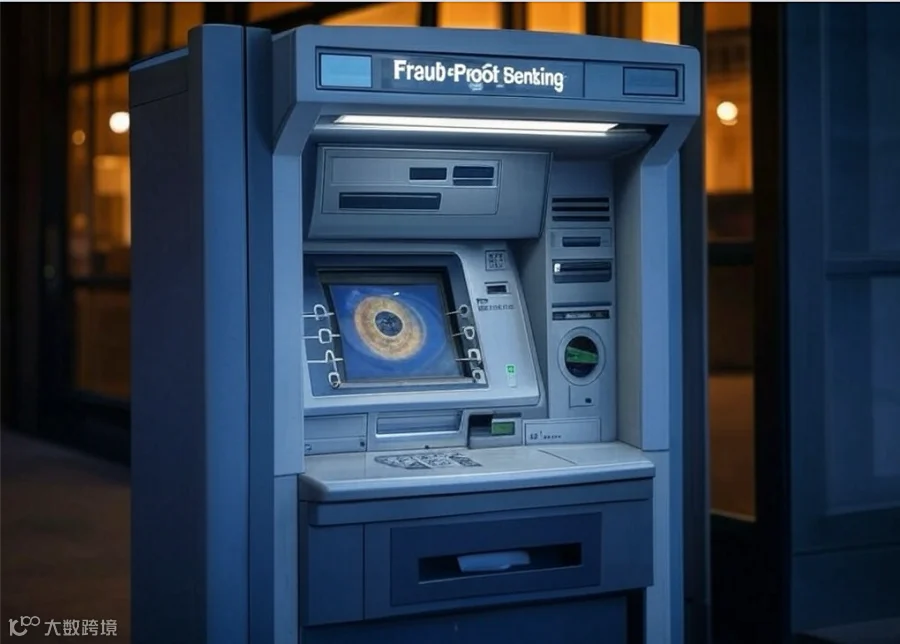
3Banking on Security: Fraud’s Worst Nightmare
Across the region, banks are waking up to the potential. Market reports show iris recognition popping up in secure facilities like vaults and employee access points. In Malaysia, biometric systems (including iris tech) are already tackling fraud in health screenings for foreign workers. With financial scams on the rise, this tech offers a shield that’s tough to crack.
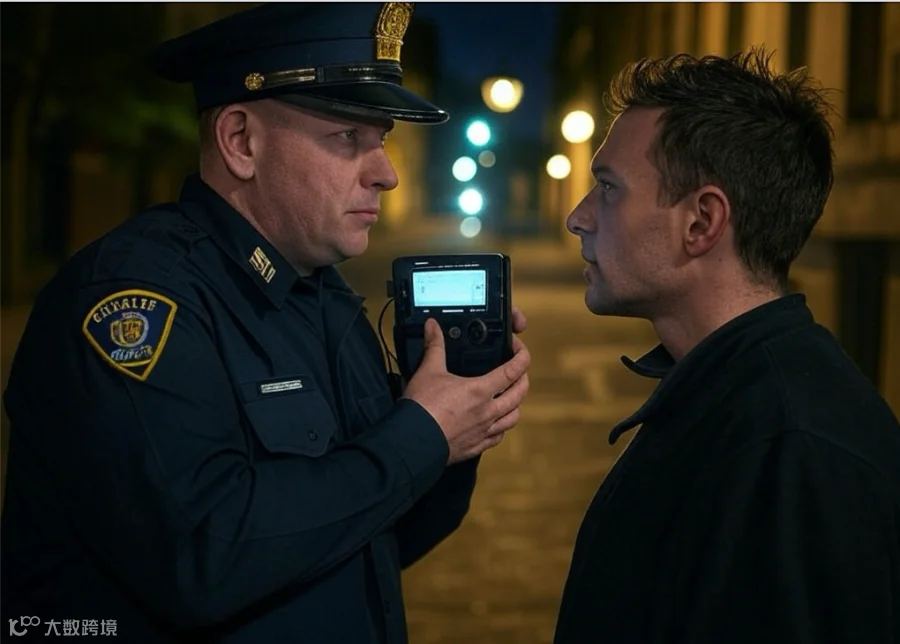
4Cracking Crime with Clear Vision
Though specific cases are scarce, the region’s police forces are likely keeping an eye on this tech (pun intended). With its speed and reliability, iris recognition could soon help track down criminals and keep communities safer.
5Healing with Precision: The Medical Frontier
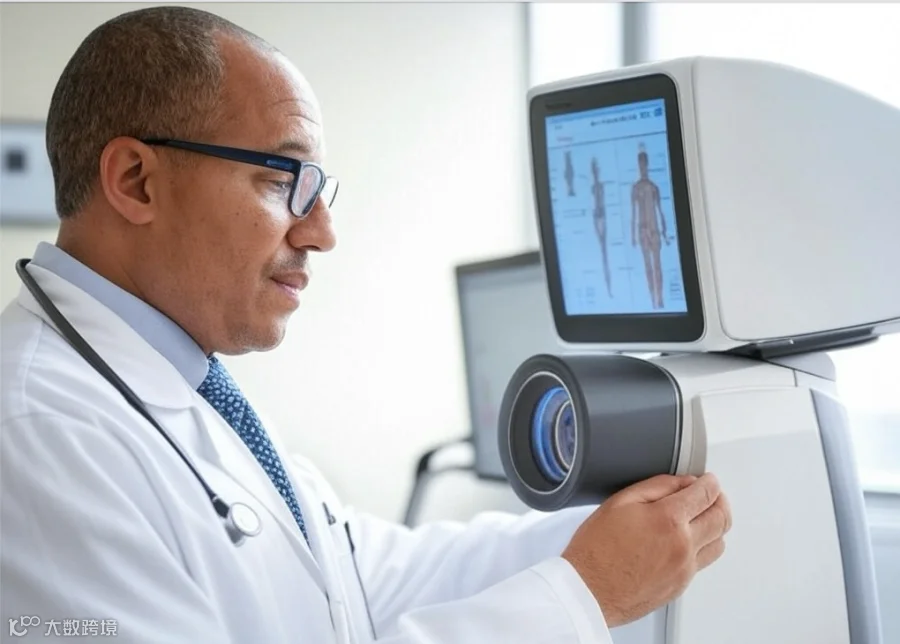
While it’s still in the early stages, the potential is huge. Singapore’s National University Health System, a leader in medical tech, is already exploring AI and big data—could iris recognition be next? In a region prone to natural disasters, this tech could also shine in crisis situations, identifying displaced people or ensuring aid reaches the right hands.
The Unexpected Twist: Disaster Relief and Beyond
Speaking of disasters, Southeast Asia’s typhoons, floods, and earthquakes make it a hotspot for humanitarian challenges. Here’s a wild thought: iris recognition could help. Its contactless, rapid verification could identify survivors or distribute aid without paperwork chaos. It’s not mainstream yet, but the idea’s simmering—and in a region that needs resilient solutions, it’s one to watch.
Why Southeast Asia? Why Now?
So, why is iris recognition taking off here? The answer lies in the region’s unique blend of needs and opportunities. Rapid digital growth, rising security threats, and a push for innovation are fertile ground for this tech. Market analysts predict the Asia-Pacific iris recognition market will soar, driven by demand for e-passports, secure authentication, and government backing. Countries like Malaysia and Singapore are leading the charge, while smaller players like East Timor show it’s not just for big economies.
The Future is Bright—and It’s Looking at You
Iris recognition isn’t just a tool; it’s a revolution in the making. From slashing border wait times to foiling financial fraud, it’s rewriting the rules of security in Southeast Asia. Sure, challenges like cost and privacy concerns linger, but the benefits—accuracy, speed, and trust—are hard to ignore. As pilots turn into policies and trials into triumphs, one thing’s clear: the future of security is staring us right in the face.
So, next time you glance in the mirror, remember: those eyes aren’t just windows to your soul—they’re keys to a safer tomorrow.