



2026年5月1日刊|第6篇,共6篇
As a foreigner, you don't need fluent Mandarin to go around China. But knowing a few key phrases can make your trip smoother, more enjoyable, and even help you connect with locals. Based on real-life experience, here are the most useful Chinese phrases for travelers.

Please go here–麻烦去这里 Má fan qù zhè lǐ
This is a lifesaver when taking a taxi or using a ride-hailing app. Just show the address in Chinese characters and say this phrase. It's polite and direct.
Why it's useful: Many drivers don't speak English. This helps you avoid long explanations.
Bonus phrase: 要多久? Yào duō jiǔ? – How long will it take?
Excuse me, where is the bathroom?–请问洗手间在哪里?Qǐng wèn xǐ shǒu jiān zài nǎ lǐ?
Public restrooms are widely available in China, but they're not always easy to find. This phrase is essential.
Why it's useful: It's polite and clear. Locals will understand immediately and point you in the right direction.
Bonus phrase: 我很急 Wǒ hěn jí – I'm in a hurry use only when needed.

I want this one–我要这个 Wǒ yào zhè ge
Perfect for markets, small restaurants, or street stalls where you can point at what you want. No need to know the name of the dish or item.
Why it's useful: It saves time and avoids confusion when there’s no English menu.
Bonus phrase: 多少钱? Duō shǎo qián? – How much is it?
Can you make it cheaper?–老板便宜点嘛 Lǎo bǎn pián yi diǎn ma
Bargaining is common in tourist markets, night markets, and small shops. Use this phrase with a smile.
Why it's useful: It shows you know local customs. You might save 10–30% just by asking.
Bonus phrase: 打折? Dǎ zhé? – Any discount?
I can't eat…–我吃不了… Wǒ chī bù liǎo…
Food allergies or dietary restrictions are taken seriously in China, but you need to communicate them clearly. Fill in the blank with: 蛋 dàn – egg, 海鲜 hǎi xiān – seafood, 肉 ròu – meat, or 辣 là – spicy.
Why it's useful: Avoids uncomfortable situations and helps restaurant staff serve you better.
Bonus phrase: 过敏 Guò mǐn – Allergy more serious.
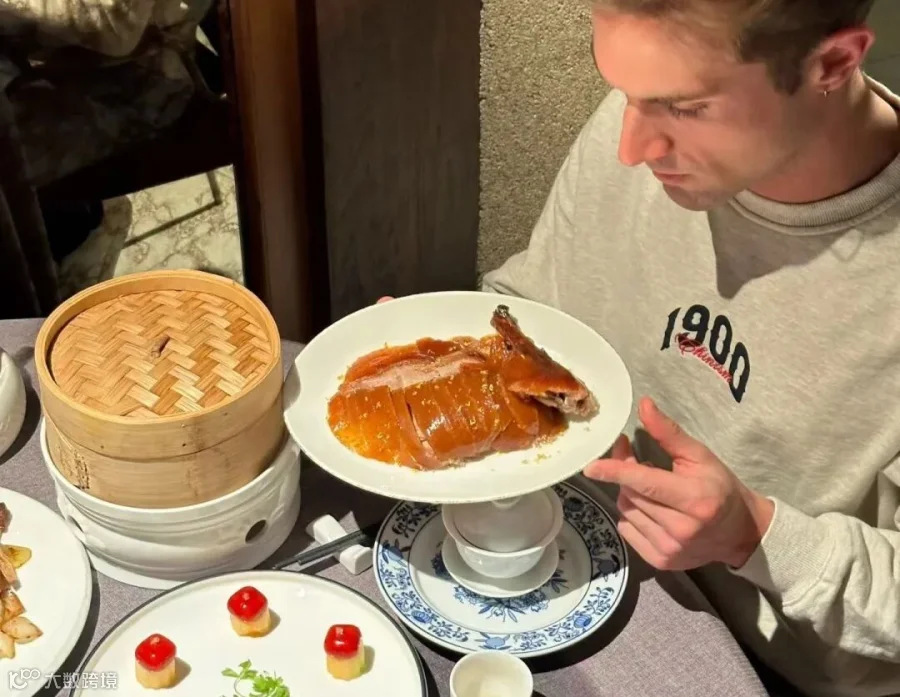
Which one is tasty?–哪个好吃? Nǎ ge hǎo chī?
When you're at a restaurant and want a local recommendation, ask this. It's friendly and engaging.
Why it's useful: You'll discover dishes you might never have ordered yourself.
Bonus phrase: 招牌菜? Zhāo pái cài? – What's your signature dish?
Wait for me a moment–等我一下 Děng wǒ yí xià
Traveling in a group? Stepping away to take a photo or buy water? This phrase keeps everyone on the same page.
Why it's useful: It's polite and shows consideration for others' time.
Bonus phrase: 很快就好 Hěn kuài jiù hǎo – Just a moment.
What else do you need?–还需要什么? Hái xū yào shén me?
This is more useful for hotel staff or ticket agents, but as a traveler, you'll often hear it. Understanding it helps you respond correctly.
Why it's useful: It prepares you for follow-up questions, like Your passport please.
Bonus phrase: 没问题吧? Méi wèn tí ba? – Is that okay?
You don't need to be fluent to travel well in China. Just learning 5–10 key phrases will change how locals see you – from just another tourist to someone who respects their culture. The phrases above are simple, practical, and polite. Keep them on your phone, practice a few times, and don't be afraid to make mistakes. Most people will appreciate the effort.
Safe travels! 一路平安 Yī lù píng ān

*Pictures are all from the Internet.