许多在大公司之间难以开展的合作,在创业企业加入后会更容易实现。很多企业实施开放创新战略,通过与有独特优势、更加高效的初创企业合作来将新产品更快推向市场。数字革命正在加速推动跨界合作的发生。
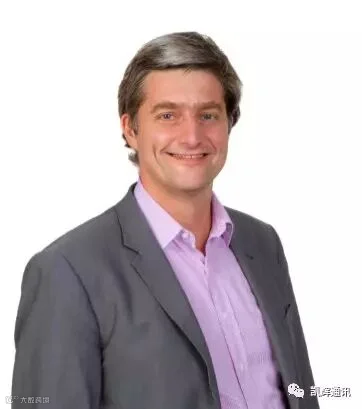
Denis BARRIER 凯辉基金管理合伙人

在我们9月刚刚结束的凯辉论坛上,来自不同领域的多位顶尖企业CEO与大家分享了对于自身行业未来发展趋势的看法。他们无一不提到数字化革命带来的创新对周边行业所能产生的巨大影响,这令人深思。
例如,全球领先的汽车零部件供应商法雷奥(Valeo)的CEO Jacques Aschenbroich先生在峰会上对汽车行业正在进行的巨大变革进行了分析,演讲中他提到了一个观点,在未来,自动驾驶能够减少超过80%的交通事故 —— 这就给保险业提出了一个重大问题:未来没有交通事故之后,汽车保险是否还会存在?巧合的是,下一位嘉宾Renaud Dumora先生正巧来自保险行业巨头法国巴黎银行保险集团,该集团在34个国家开展业务、为超过一亿人提供保险服务。Renaud指出,在涉及自动驾驶车辆的交通事故中,自动驾驶软件供应商很可能会被追责,因而他们将不得不考虑潜在的事故风险,这可能就是保险市场的新机会。
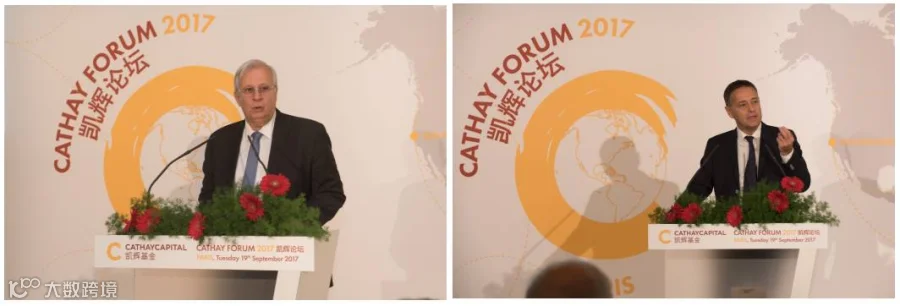
左:法雷奥集团主席Jacques ASCHENBROICH先生 右:巴黎银行保险集团主席Renaud DUMORA先生
管中窥豹,从这件小事可以发现,我们已经进入了一个数字化引领的新时代。信息孤岛被打破,原本互相独立的行业开始互相影响、互相渗透。20世纪的几大支柱产业现在都必须加大投入、实现转型,以拥抱这个崭新的数字时代。
在20世纪,公司一般通过内部研发来实现创新,然后VC支持和帮助企业将创新成果推向市场。但进入21世纪后,单纯内部研发的产出效率在不断下降,企业开始通过并购取代部分内部研发。很多企业实施开放创新战略,通过与有独特优势、更加高效的初创企业合作来将新产品更快推向市场。在这种大背景下,由企业发起设立的VC逐步增多,各类加速器和孵化器也雨后春笋般涌现。
前面提到的汽车和保险的例子很好地展现了当下一个行业的转变能够对相关行业产生多大冲击。这对每一个人都是实实在在的考验,因为人们原本不擅长和不同领域的人沟通合作,但当前的创新大潮要求必须同其他行业的变化联系起来分析、规划未来。亚马逊是在这方面就做得很好。它在电商、IT基础设施、家电、无人机、新媒体等领域都走在行业最前沿,因此亚马逊能够将各个部门串联起来、实现跨界创新。 之间互相支持、融合创新。而正是由于这种强大的内部网络效应,亚马逊才能逐步深入影响人们生活的方方面面。
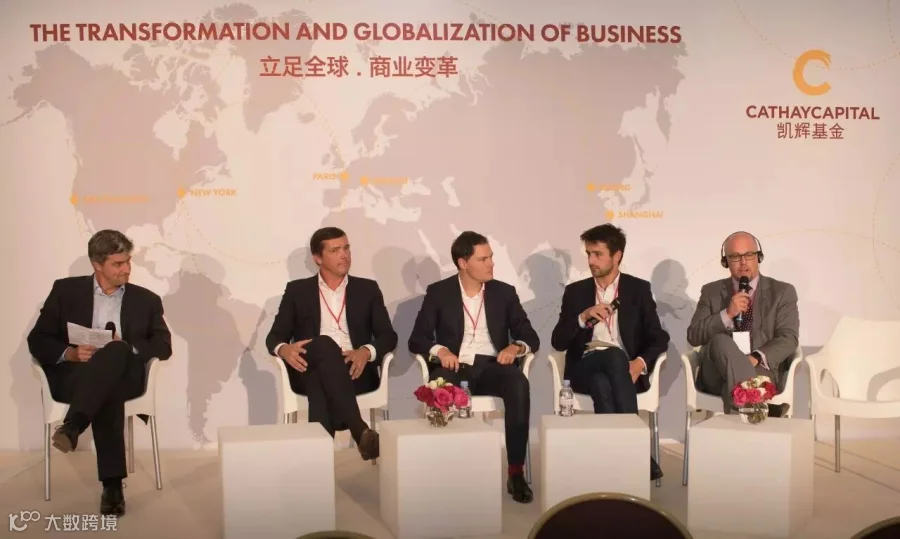
2017凯辉论坛圆桌讨论现场
此外我们还观察到,很多在大公司之间难以开展的合作,在创业企业加入后会更容易实现。因此我们正在努力搭建一个适应时代需求的、更为高效的创新合作框架:我们和几家不同行业的全球巨头一起搭建了一个平台,这些企业包括法雷奥、巴黎银行保险集团、巴黎机场、道达尔、赛博集团、九阳集团等,他们和背景雄厚的中国国家开发银行和法国国家投资银行一道,投资我们的风投基金,再由我们寻找优秀的企业进行投资。这样就搭建了一个涵盖汽车与出行、保险、家用自动化和能源等领域的跨行业创新投资生态。我们也积极在全球各个创新前沿地区布局,目前在美国、中国、欧洲都设有办公室,以深入了解当地市场、寻找机会。通过这些举措,凯辉创新基金真正成为了一个全球跨行业生态系统的粘合平台,使得我们的投资人与被投企业能够拥有更广阔的视野,预判与准确把握全球数字化浪潮中的机会。
当然,这个独特的生态体系只是一个骨架,要真正运转起来我们需要做更多实际的内容。这也是为什么我们会和投资人就特定的话题和行业趋势举行定期的交流会,不仅仅局限于1对1的会谈,还轮流在欧美中三地将大家聚在一起畅谈——不同行业的领先企业间相互交流、碰撞出新的想法、并有效地推动最终的实现与落地——这一平台已经推动输出了不少积极的成果。大家基于高度的信任和对未来战略愿景一致的前瞻而聚集一起,使得这一平台散发出日益增长的独特魅力与作用。
对于一个垂直行业来说,变革往往来自行业之外。我们相信凯辉的全球化跨行业平台能够帮助企业预判未来时代变革并帮助它们快速反应、找出新的发展机会与途径。对于有准备的人来说,创新变革不是野蛮人来敲门,而是应该紧紧抓住的时代机遇。
Digital Revolution makes adjacent industries collide
During our September 2017 Cathay Forum, various CEOs spoke about the future of their respective industry. It was striking to hear how a major innovation originated by the Digital Revolution in one industry can impact significantly all its surrounding industries.
For example, Jacques Aschenbroisch, the CEO and Chairman of Valeo, one of the leading automotive supplier in the world, was on stage to share an inspirational vision about the shifts happening in the automotive industry. One of his points was that the rise of the self driving cars will reduce accidents by more than 80%. This statement led to a big question mark for the future of the auto insurance industry : why would people need an auto insurance if there are no longer accidents ? Conveniently enough, our next guest on stage to give an overview of the future of his industry was Renaud Dumora, the CEO of BNP Paribas Cardif, a global insurance company operating in 34 countries and insuring 100 million people. He pointed out that, in an accident involving a self-driving car, the responsibility of the autonomous driving software provider may come under scrutiny, and that the latter may have to consider getting insured for potential liabilities from car accidents.
This simple anecdote illustrates very clearly that we have entered in a new phase where the disruption is coming from the side of the silos, from shift s involving several industries usually standing up back to back. The industrial pillars of the 20th Century now need to invest resolutely together to embrace the digital age.
In the 20th century, corporations have been innovating through internal Research and Development. This created opportunities for the venture capital industry to back companies spun out of research laboratories. Then, since the beginning of the 21st century, as pure internal R&D has proven to be less efficient, corporations started replacing R&D by acquisitions, and developing open innovation through partnerships with efficient startups able to bring faster the new innovations on the market. Corporate venture then became on the rise, along with other initiatives such as accelerators or incubators.
The example discussed earlier, involving the automotive and insurance industries, clearly showed how shifts occurring in one industry can massively impact adjacent ones. This is a real challenge because people are not used to talk and co-innovate with peers who are not from their industrial universe, and because the new efficient way in one industry must now natively be connected with the future paradigm shifts of the neighbors. The very company in the world able to internally innovate in adjacent industries has been Amazon, at the same time a lead innovator in e-commerce, IT infrastructure, home appliances, drones, media, etc… As a result, Amazon has a capacity to cross-fertilize internally between various business lines from different industries, and is taking over the world thanks to this internal network effect.
We observed that some collaborations not usually possible between different corporations, could happen when startups were involved. So we tried to build an efficient framework for the innovation of the 21st century : we gathered several large leading and global leaders from complementary industries on the same platform, including Valeo, Michelin BNP Paribas Cardif, ADP (Aeroports de Paris), Total, SEB and Jouyong. Those corporates invested together in our global venture capital fund along with strong financial backers including Bpifrance and the China Development Bank. This enabled to create a cross-industries venture ecosystem covering automotive, insurance, mobility, home automation and energy. We were also very passionate about having a global presence with teams on the ground in the US, China, Europe to cover the regions where innovation is cutting edge. By doing so, Cathay Innovation could be the glue of a new global and multi-industries ecosystem, enabling those corporations to have a better 360 degrees framework, now necessary to anticipate and take advantage of the brutal shifts happening in the modern world.
This unique ecosystem is however only a skeleton, and still needed flesh and muscle to propel forward. This is why we set up regular workshops with our corporate investors to discuss specific topics and trends, not only on 1-to-1 but also by gathering them regularly for events in Europe, US and China. We favored the creation of a club of committed leaders from various industries, with the mindset and internal power to think and act transversely. This already gave birth to new concepts and practical initiatives, which would have not existed without the right combination of common ownership in a venture initiative, and a high level of trust between all the committed members. Overall, the capacity of our ecosystem to go beyond networking & testing and mean real business, was only due to the quality of the leaders with whom we had the luck to get involved with this initiative.
In a vertical industry, Disruption is coming from the outside of the silo, and we believe that our global and cross-industries set-up is an efficient way to anticipate and address the paradigm shifts happening in the world during the next decade. For the prepared minds, disruption is not a barbarian knocking at the door, but an opportunity to thrive more than ever.

凯辉私募股权投资基金(Cathay Capital, 简称凯辉)是一家国际领先的专注跨境投资的私募股权基金公司,由蔡明泼和Edouard Moinet成立于2006年,致力于为来自中国、欧洲和北美的创新企业、中小型企业和中型企业的成长和国际化发展提供支持。作为一支由企业家建立并为企业家服务的基金,凯辉拥有多元文化和经验丰富的投资团队,通过独特的商业模式和增值战略为遍布三大洲的企业创造长期价值。凯辉目前共管理七支基金,分别为凯辉一期、凯辉二期,中法(中小企业)基金一期和中法(中小企业)基金二期,中法(并购)基金,以及中美基金和中法创新基金。基金总资产管理规模达到18亿美元,已在三大洲投资近70家企业,主要投资领域包括消费品、医疗健康、现代服务业、环境、农业和食品安全及先进技术,并分别在巴黎、上海、北京、纽约、旧金山和慕尼黑设有办公室。
了解更多,请访问 www.cathay.fr