


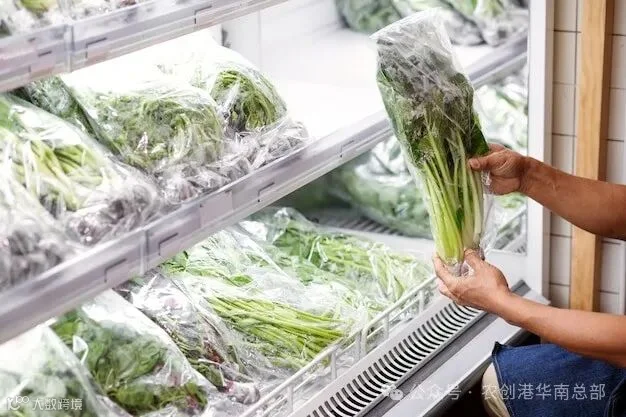
In today's era of globalization, cold chain transportation brings fresh ingredients and agricultural products from all over the world precisely to our hands. However, cold chain transportation faces numerous challenges. Today, let's talk about the possible issues in international cold chain transportation and those aspects that we simply must pay attention to.

Temperature is of vital importance for goods in the cold chain. Different goods have vastly different temperature requirements. Vaccines need to be stored in an environment of 2 to 8 degrees Celsius, while frozen foods require a low temperature below -18 degrees Celsius. However, during the transportation process, the refrigeration equipment may occasionally malfunction; there could be a sudden power outage, or the temperature monitoring system may fail. Once any of these situations occur, the temperature will fluctuate, and the quality of the goods will be at stake.
Moreover, during the processes of loading, unloading and transshipment, the goods are inevitably exposed to an environment with an inappropriate temperature. If the staff are slow in their operations, over time, the temperature of the goods will subtly change.In order to avoid such a situation, reliable refrigeration equipment should be selected. It not only needs to have good heat preservation performance but also be equipped with a backup power source. Before loading the goods each time, the refrigeration equipment must be carefully inspected and debugged. When loading and unloading the goods, strict procedures should also be formulated to minimize the time that the goods spend in a non-cold chain environment. At the same time, an advanced temperature monitoring system should be employed to keep a real-time eye on the temperature data during the transportation process. Once any abnormality occurs, it can be detected immediately.
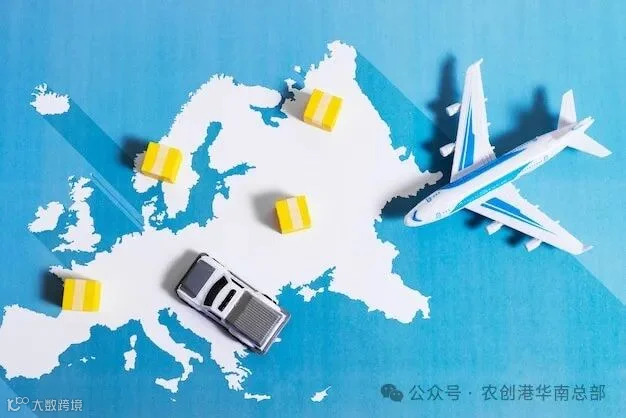
International cold chain transportation has to comply with a wide variety of regulations and standards in different countries and regions. The European Union has extremely strict requirements for temperature control and hygiene in the food cold chain, while the United States has its own set of food safety regulations. If an exporting enterprise is not familiar with the regulatory standards of the destination country, the goods are highly likely to be detained, destroyed or returned.
Furthermore, international cold chain transportation involves many links and numerous participating parties. If the provisions in the transportation contracts and insurance clauses are not clear, it will be easy for the parties involved to argue and shift blame.Therefore, before transportation, exporting enterprises must have a thorough understanding of the regulatory standards of the destination countries and regions. Everything, from the packaging of the goods to temperature control and then to the hygiene conditions, must meet the requirements. When signing the transportation contracts and insurance clauses, they also need to be meticulous and clearly specify the responsibilities and obligations of all parties. Whether there is damage to the goods or a delay in transportation, there should be corresponding guarantees in place.

In order to pass through customs smoothly, the consignor needs to fill in the declaration information accurately and prepare all the necessary documents, such as the certificate of origin, sanitary certificate, inspection and quarantine report, etc. It is necessary to clearly understand the procedures and requirements before the goods are shipped.Alternatively, the consignor can engage an experienced freight forwarder or customs broker. These professionals are familiar with the customs procedures of the destination country and can promptly handle any issues that arise during customs clearance. Of course, sufficient time for customs clearance should also be set aside to prevent the customs procedures from affecting the preservation of the goods.
International cold chain transportation is fraught with challenges and requires an experienced team to handle various problems that may be encountered. Our NCG has an experienced team that keeps track of the progress of every link and ensures the quality of the products.
Choosing the China Agricultural Innovation Port means choosing freshness, quality and boundless business opportunities. Let's join hands to explore the international agricultural products market and create brilliance together!
https://nongchuanggang.en.alibaba.com/
农创港-龙城项目
〇“农创港龙城”是在不同国家和地区设立的大型商品展示和销售中心,是一个集实体销售(零售、批发)、线上销售转口贸易和海外仓,当地保税仓/海关监管仓,以及休闲娱乐为一体的综合商业平台;
〇 中国农创港-龙城园区硬件设施包括:实体商品展示交易区、仓储物流、餐饮及公寓、B2B, B2C,B2G等多维度的跨境/在地电子商务等:
〇中国农创港---龙城园区软件服务包括:本地经营主体、工作签证、贸易物流、市场推广、财务服务等。
China Agricultural Innovation Port(China NCG)- Dragon City Project
〇 "China NCG- Dragon City Project" is a large-scale commodity display and sales center established in different countries and regions. It is a comprehensive commercial platform integrating physical sales (retail, wholesale), online sales, re-export trade and overseas warehouses, local bonded warehouses/customs supervision warehouses, and leisure and entertainment.
〇"China NCG- Dragon City Project" facilities include: physical commodity display and trading area, warehousing and logistics, catering and apartments, B2B, B2C, B2G and other multi-dimensional cross-border/local e-commerce, etc.
〇 "China NCG- Dragon City Project" services include: local business entities, work visas, trade logistics, marketing, financial services, etc.