


市场规模与潜力 Market Size and Potential
·根据数据分析机构 Statista 的预测,2024 年东南亚地区的家电市场收入将达到 503.3 亿美元,其中小家电市场的收入预计为 168.8 亿美元。
According to the prediction of the data analysis agency Statista, the revenue of the household appliance market in Southeast Asia will reach $503.3 billion in 2024, among which the revenue of the small household appliance market is expected to be $168.8 billion.
·东南亚地区拥有约 6.5 亿人口,年龄中位数在 30 岁左右,年轻一代消费群体崛起,对生活品质的追求不断提升,为小家电的销售提供了肥沃的土壤。
Southeast Asia has a population of about 650 million, with a median age of around 30. The rise of the younger generation of consumer groups and their continuous pursuit of living quality have provided fertile ground for the sales of small household appliances.
·过去五年东南亚小家电市场规模增速接近 10%,其渗透率相对较低,显示出巨大的发展潜力。
In the past five years, the growth rate of the scale of the small household appliance market in Southeast Asia has been close to 10%, and its penetration rate is relatively low, showing huge development potential.
消费需求特点 Characteristics of Consumption Demands
·气候因素:东南亚大部分地区属于热带气候,高温多雨,使得空调、风扇等制冷类小家电成为生活必备,除湿器等改善空气湿度类小家电也有一定市场空间。
Climatic Factors: Most areas in Southeast Asia have a tropical climate, which is hot and rainy. This makes small cooling household appliances such as air conditioners and fans essential in daily life. Meanwhile, small household appliances for improving air humidity like dehumidifiers also have a certain market space.
·饮食文化:东南亚美食丰富多样且偏爱新鲜食材,果汁机、搅拌机等用于制作鲜榨果汁和加工食材的小家电备受青睐;多国有种植咖啡的历史,小型咖啡机几乎成了必备;烧烤在当地饮食中占有一席之地,便携式电烤炉等小家电有了用武之地。
Dietary Culture: Southeast Asian cuisine is rich and diverse, and people here have a preference for fresh ingredients. Small household appliances used for making freshly squeezed juices and processing food ingredients, such as juicers and blenders, are highly favored. Many countries in this region have a history of coffee cultivation, making small coffee machines almost a necessity. Barbecue also occupies an important place in the local diet, so small household appliances like portable electric grills come in handy.
·居住空间:东南亚人口密集,居住空间相对紧凑,小型化、多功能的小家电更符合当地的居住条件,如体积小巧的电饭煲、电水壶等。
Living Space: Southeast Asia is densely populated and the living space is relatively compact. Small-sized and multi-functional small household appliances are more in line with the local living conditions, such as compact rice cookers and electric kettles.
热门产品类型 Popular Product Types
·厨房小家电:空气炸锅因其 “健康”“便捷” 的概念,完美契合了东南亚消费者对健康饮食和高效生活的需求,成为厨房新宠。2022 年东南亚地区 “空气炸锅” 的搜索量同比增长超过 200%,2023 年亚太(不含中国大陆)地区空气炸锅销售额虽然增速放缓,但仍同比增加 8%。此外,烹饪锅、搅拌机 / 食品加工机等也是消费主力产品。
Small Kitchen Appliances: Thanks to the concepts of "healthy" and "convenient", air fryers perfectly meet the demands of Southeast Asian consumers for healthy diets and efficient lifestyles, thus becoming a new favorite in the kitchen. In 2022, the search volume for "air fryer" in Southeast Asia increased by more than 200% year-on-year. Although the growth rate of air fryer sales in the Asia-Pacific region slowed down in 2023, it still increased by 8% year-on-year. In addition, cooking pots, blenders / food processors, etc. are also major consumer products.
·家居类小家电:如电风扇、吸尘器、加湿器等,其中扫地机也较受欢迎。i-Buzz Asia 的调查显示,2022 年印尼扫地机品牌声量(指数)排行中小米排在第一,科沃斯排在第四;而在越南,科沃斯和小米分列前两位。
Small Household Appliances for Home Use: Such as electric fans, vacuum cleaners, humidifiers, etc. Among them, floor-sweeping robots are also quite popular. According to a survey by i-Buzz Asia, in the ranking of brand popularity (index) of floor-sweeping robots in Indonesia in 2022, Xiaomi ranked first and Ecovacs ranked fourth. In Vietnam, Ecovacs and Xiaomi ranked the top two respectively.
·个护类小家电: 智能吹风机、电动脱毛仪、电动牙刷等品类具有较高的市占率,截至 2023 年底我国电动牙刷产业占全球市场份额约 60%。
Small Personal Care Appliances: Categories such as smart hair dryers, electric epilators, and electric toothbrushes have a relatively high market share. By the end of 2023, China's electric toothbrush industry accounted for approximately 60% of the global market share.

销售渠道 Sales Channels
·电商平台:随着互联网的发展,电商渠道在东南亚小家电销售中占据重要地位,如 Shopee、Lazada 等平台,为消费者提供了便捷的购物方式,促进了小家电的销售。
E-commerce Platforms: With the development of the Internet, e-commerce channels have occupied an important position in the sales of small household appliances in Southeast Asia. Platforms like Shopee and Lazada have provided consumers with convenient shopping methods, thus promoting the sales of small household appliances.
·社交平台:视频种草成为影响消费者决策的重要方式,如 TikTok 上的达人视频,能够吸引大量用户观看并带动产品销量,为小家电的推广和销售提供了新的途径。Social Platforms: Video product recommendations have become an important way to influence consumers' purchasing decisions. For example, the videos of influencers on TikTok can attract a large number of users to watch and drive the sales volume of products, providing a new avenue for the promotion and sales of small household appliances.
·线下实体店:在菲律宾,超七成的小家电通过电子家电专卖连锁店的方式进行销售,这些专卖店大多开在大型商超中,有利于产品的展示和销售。
Offline Physical Stores: In the Philippines, over 70% of small household appliances are sold through specialized chains of electronics and household appliances stores. Most of these specialty stores are located in large supermarkets or shopping malls, which is conducive to the display and sales of products.
主要竞争品牌 Major Competing Brands
·中国品牌:中国约 70% 的小家电产能集中,凭借完整的产业链、强大的制造能力、成本优势以及快速的创新迭代和优化升级速度,“中国造” 的小家电迅速占领了东南亚市场,小米、美的、九阳等知名品牌,以及众多新兴品牌,纷纷在东南亚设立分公司或与当地经销商合作,快速拓展市场份额。
Chinese Brands: About 70% of the production capacity of small household appliances in China is concentrated. With a complete industrial chain, powerful manufacturing capabilities, cost advantages, as well as a rapid speed of innovation iteration and optimization upgrading, small household appliances "Made in China" have quickly occupied the Southeast Asian market. Well-known brands such as Xiaomi, Midea, and Joyoung, along with numerous emerging brands, have successively established branches in Southeast Asia or cooperated with local distributors to rapidly expand their market shares.
·日韩品牌:曾几何时,东南亚的家电市场主要被日韩等国的品牌占据,当地消费者受韩流、日剧的影响,对日韩的一些文化比较认可,部分产品会用 “日本设计” 或者 “韩国配方” 等作为卖点,增加转化率。
Japanese and South Korean Brands: Once upon a time, the household appliance market in Southeast Asia was mainly occupied by brands from Japan, South Korea and other countries. Influenced by the Korean Wave and Japanese dramas, local consumers have a relatively high recognition of some cultures of Japan and South Korea. Some products will use "Japanese design" or "South Korean formula" and other selling points to increase the conversion rate.
·欧美品牌:欧美品牌在东南亚市场也有一定的份额,如飞利浦、Electrolux、BlackDecker 等,这些品牌在当地消费者心目中具有较高的知名度和美誉度。
European and American Brands: European and American brands also have a certain share in the Southeast Asian market, such as Philips, Electrolux, BlackDecker, etc. These brands enjoy a relatively high reputation and popularity among local consumers.
The small household appliance market in Southeast Asia has huge potential. Although it was once dominated by Japanese and South Korean brands, Chinese brands have gradually gained the upper hand by virtue of their cost-effective advantages. However, for enterprises to stand out in this market, they need to make efforts in aspects such as product innovation, brand building, and localization, because opportunities and challenges coexist in this market. There are problems such as serious product homogeneity and the fact that a low-price strategy is unwise (especially considering the dominance of the offline market and the high quality requirements of the local area). Meanwhile, innovation in emotional value, such as unique appearances and personalized designs, is also very important for attracting consumers.
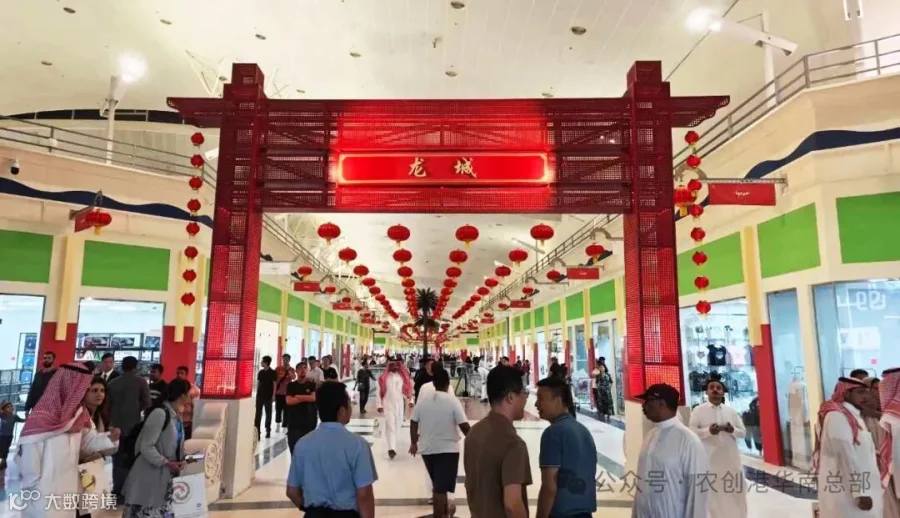
The Nongchuanggang Saudi Longcheng is an offline platform that drives wholesale with retail, builds a local distributor network, operates in an integrated manner both online and offline, and helps Chinese products and industries to enter the overseas market. Undoubtedly, choosing Longcheng as the first stop for exporting small household appliances is the most convenient and less risky attempt.