


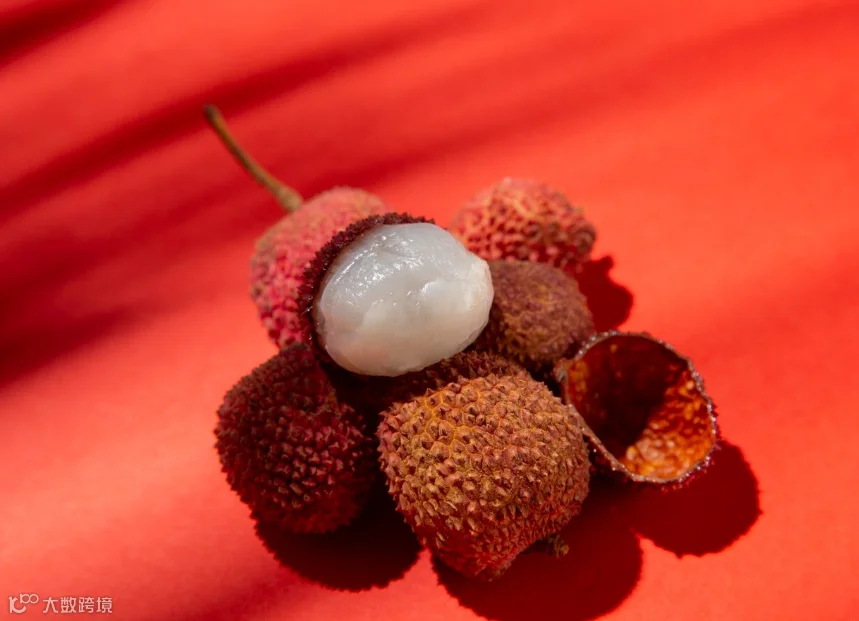
In the midsummer, red lychees hang on the branches. Peel off the thin skin and you will find the crystal clear flesh exuding a sweet fragrance that makes you salivate. Su Shi said, "If I could eat 300 lychees a day, I would be willing to live in Lingnan forever." This is the most delicious lychee. But can you really eat 300 lychees in one go? What little-known health secrets are hidden behind eating a lot of lychees? Today, we will reveal the truth about lychee consumption.
Su Shi's "eating 300 lychees a day" is more like a romantic and exaggerated literary expression from the perspective of modern nutrition. Calculated based on the weight of a lychee of about 20 grams, 300 lychees weigh up to 6,000 grams. Even if the pulp accounts for about 70%, there are still 4,200 grams of pulp. The recommended daily fruit intake for a normal adult is 200-350 grams, and 4,200 grams is far beyond the reasonable range. The reason why the ancients could describe it so exaggeratedly was, on the one hand, to express their love for lychees, and on the other hand, it was related to the material conditions at the time. Lychees were precious fruits in ancient times, and it was rare to taste them, so people couldn't help but eat them.

Lychees are rich in glucose, sucrose, vitamin C, protein and other nutrients. Eating them properly can replenish energy, promote appetite and enhance immunity. However, lychees contain a high content of fructose. After consuming a large amount of it, fructose quickly enters the blood and needs to be converted into glucose in the liver before it can be absorbed and used by the human body. If too many lychees are consumed in a short period of time, the liver will not have time to convert it, and the glucose concentration in the blood will not be able to rise quickly, which may cause "lychee disease".

"Lychee disease" usually manifests as dizziness, sweating, palpitations, fatigue and other symptoms of hypoglycemia, and in severe cases, even coma and convulsions. In addition, lychees are high in sugar content, and eating a lot of them will lead to excessive sugar intake, increasing the risk of obesity and tooth decay. At the same time, lychees are warm in nature, and eating too much can easily cause internal heat, resulting in symptoms such as oral ulcers, swollen and painful gums, and sore throats.
Since eating 300 lychees a day is not advisable, how can we enjoy lychees in a healthy way?

Control the amount of consumption: Adults should not eat more than 10 lychees (about 200 grams) a day, and children should reduce the amount as appropriate, and it is recommended to control it to less than 5.
Choose the right time: Do not eat lychees on an empty stomach, as this may irritate your stomach and intestines and may easily cause hypoglycemia. It is more appropriate to eat lychees half an hour after a meal, which can avoid discomfort and better absorb nutrients.
Pair with other foods: When eating lychees, you can pair them with some protein-rich foods, such as milk, yogurt, etc., to slow down the conversion of fructose and reduce the risk of hypoglycemia; you can also pair them with fruits and vegetables with high water content such as watermelon and cucumber to relieve the dryness of lychees.
Note to special groups: Diabetic patients, people with Yin deficiency and hyperactivity of fire, and those with weak gastrointestinal function should be more cautious when eating lychees, and it is best to eat them under the guidance of a doctor or nutritionist.
Su Shi's love for lychees has lasted for thousands of years and still resonates today. But when enjoying this sweetness, we should be more scientific and rational than the ancients. Eating lychees in moderation can not only taste its unique flavor, but also avoid health risks. This summer, I hope you can use the right way to keep the sweetness of lychees on your tongue and keep health by your side.