


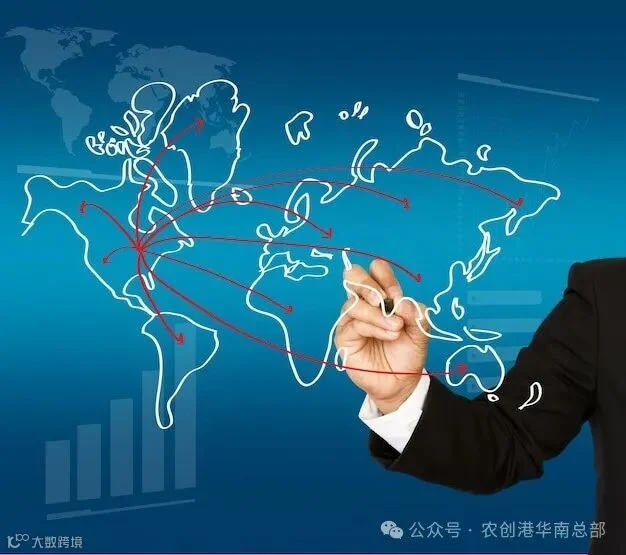
 在全球化经济浪潮中,“出海”概念常被提及,但很多人对其理解模糊,尤其与“出口”的关系。实际上,出海≠出口,出口主要是商品出国,出海内涵更广,包括商品、资金等多种要素走向国际。
1. “内涵范围差异” 出口聚焦本国向他国销售商品或服务,重点是产品跨境流动与销售。出海不仅有商品出口,更涵盖多种生产要素跨国流动与配置,企业出海涉及海外全方位业务拓展,是深度融入国际市场的行为。
1. “Difference in Connotation Scope” Exporting focuses on the sales of goods or services from the home country to other countries, emphasizing cross - border product flow and sales. Going global not only includes goods export but also covers the cross - border flow and allocation of multiple production factors. Enterprise going global involves all - round overseas business expansion, which is an act of deeply integrating into the international market.
2. “战略深度不同” 出口关注短期销售业绩和利润,通过产品输出获经济效益。出海更注重长期战略布局和可持续发展,企业出海要在海外建立品牌知名度、拓展份额、提升竞争力,需长期投入。
2. “Difference in Strategic Depth” Exporting pays attention to short - term sales performance and profit, obtaining economic benefits through product output. Going global focuses more on long - term strategic layout and sustainable development. When enterprises go global, they need to establish brand awareness, expand market share and enhance competitiveness in overseas markets, which requires long - term investment.
3. “对企业能力要求不同” 出口要求企业有生产能力、产品质量和销售渠道,确保产品符合标准,有国际贸易知识和拓展销售渠道能力。出海对企业综合能力要求更高,除上述能力外,还需国际化管理团队、跨文化沟通等能力。
3. “Different Requirements for Enterprise Capabilities” Exporting requires enterprises to have production capacity, product quality and sales channels, ensure products meet standards, and have international trade knowledge and the ability to expand sales channels. Going global requires higher comprehensive capabilities of enterprises. Besides the above - mentioned capabilities, international management teams, cross - cultural communication skills, etc. are also needed. 
1.市场潜力评估
1. Market Potential Assessment
- “市场规模与增长趋势” 企业要考察目标市场当前规模和未来增长趋势,优先选 规模大且增长潜力高的市场。如新兴经济体市场规模扩大、消费升级,需求旺 盛。
- “消费需求与偏好” 深入了解当地消费者需求特点、偏好和购买行为模式,不同地 区消费者对产品要求不同,企业需据此调整策略。

2.竞争环境分析
- ‘’差异化竞争机” 会挖掘自身与竞争对手的独特优势,选择能发挥优势的市场。
- “Opportunities for Differentiated Competition” Explore the unique advantages of oneself compared with competitors and choose markets where these advantages can be exerted.
- “贸易政策与壁垒” 关注目标市场与本国贸易政策,选择贸易壁垒低、政策优惠多 的市场。
- “Trade Policies and Barriers” Pay attention to trade policies between the target market and the home country and choose markets with low trade barriers and more preferential policies.
- “法律法规要求” 确保企业经营符合目标市场法律法规。
- “Legal and Regulatory Requirements” Ensure that enterprise operations comply with the laws and regulations of the target market.
Economic and Political Stability
- “经济稳定性” 分析目标市场经济发展状况等指标,优先选经济稳定、前景良好的 市场。
- “政治稳定性”考虑目标市场政治环境是否稳定,政策是否连续可预测。
- “Political Stability” Consider whether the political environment of the target market is stable and whether policies are continuous and predictable.
5. 文化社会因素
- “文化差异” 充分了解目标市场与本国文化差异,在产品设计等方面调整适应。
- “Cultural Differences” Fully understand the cultural differences between the target market and the home country and make adjustments in product design, etc.
- “社会基础设” 施评估目标市场社会基础设施完善程度。
- “Social Infrastructure” Evaluate the degree of perfection of the social infrastructure in the target market.
6. 资源成本因素
Resource Cost Factors
- “资源可获取性” 考虑目标市场能否提供企业所需资源。
- “Resource Availability” Consider whether the target market can provide the resources required by the enterprise.
- “运营成本” 综合分析目标市场开展业务的成本,权衡成本与收益关系。
- “Operating Costs” Comprehensively analyze the costs of conducting business in the target market and weigh the relationship between costs and benefits.
Advantages and Disadvantages of Chinese Enterprises Going Global
1. 优势
- “产业基础优势” 中国在很多制造业领域产业链完整、配套能力强,能高效生产和 快速交付产品。
- “技术创新能力” 近年来,中国企业在新兴技术领域进步显著,有国际竞争的技术 实力。
- “数字化转型优势” 中国互联网和数字经济发展迅速,企业在数字化营销等方面经 验丰富、应用能力强。
- “性价比优势” 中国产品性价比高,能满足不同层次市场需求。
- “政策支持” 政府出台鼓励企业出海政策,降低企业出海成本和风险。
“Policy Support” The government has introduced policies to encourage enterprises to go global, reducing the costs and risks of enterprises going global.
2.劣势
- “品牌认知度不足” 国际市场上,许多中国品牌知名度和美誉度低。
- “Insufficient Brand Recognition” In the international market, many Chinese brands have low popularity and reputation.
- “国际化人才短缺” 具备国际化视野等能力的复合型人才不足。
- “Shortage of International oriented Talents” There is a shortage of compound talents with international vision, etc.
- “核心技术瓶颈” 在一些关键核心技术方面,中国企业与国际领先企业有差距。
- “文化差异挑战” 不同国家和地区文化差异大,中国企业可能面临文化冲突和适应 困难。
- “国际市场经验不足” 与国际大型企业相比,中国企业国际市场运营经验少。
- “Lack of International Market Experience” Compared with international large - scale enterprises, Chinese enterprises have less experience in international market operation.
企业提前规避出海风险的措施
- “加强政治风险评估” 出海前和运营中,持续关注目标市场政治动态和政策变 化。
- “多元化市场布局” 避免依赖单一市场,在多个国家和地区布局。
- “Diversified Market Layout” Avoid relying on a single market and make arrangements in multiple countries and regions.
- “建立良好政府关系“ 积极与目标市场政府部门等建立沟通渠道和良好关系。
- “购买政治风险保险” 考虑购买相关保险产品。
- “Purchase Political Risk Insurance” Consider purchasing relevant insurance products.
2. 法律风险防范
- “深入研究法律法规” 组建法律团队或聘请法律顾问,研究目标市场法律法规。
- “加强知识产权保护” 提前在目标市场进行知识产权布局。
- "Strengthen Intellectual Property Protection" Conduct intellectual property layout in advance in the target market.
- “制定合规管理制度” 建立内部合规管理制度,加强员工培训,定期审查企业运 营管理。
- "Formulate a Compliance Management System" Establish an internal compliance management system, strengthen employee training and regularly review enterprise operation management.
3. 文化风险应对
- “开展文化培训” 对员工进行目标市场文化培训。
- “Conduct Cultural Training” Conduct cultural training for employees on the target market.
- “本地化策略实施” 在产品设计等方面实施本地化策略。
- “跨文化团队建设” 组建多元文化背景团队。
- “Build Cross - cultural Teams” Form teams with diverse cultural backgrounds.
4. 经济风险防控
Economic Risk Prevention and Control
- “加强市场监测与分析” 密切关注国际经济形势和目标市场经济动态。
- “汇率风险管理“ 运用金融工具对汇率风险套期保值。
- “成本控制与优化” 建立成本控制体系,优化供应链管理。
5. 经营管理风险控制
Operation and Management Risk Control
- “完善企业治理结构” 建立健全现代企业治理结构。
- “加强人才队伍建设” 吸引和培养国际化人才。
- “强化项目管理“ 对出海项目全面规划、组织、协调和控制。
- "Strengthen Project Management" Conduct comprehensive planning, organization, coordination and control of going - global projects.
- "Establish a Risk Warning Mechanism" Establish a risk warning indicator system and emergency handling mechanism.

农创港-龙城项目
〇“农创港龙城”是在不同国家和地区设立的大型商品展示和销售中心,是一个集实体销售(零售、批发)、线上销售转口贸易和海外仓,当地保税仓/海关监管仓,以及休闲娱乐为一体的综合商业平台;
〇 中国农创港-龙城园区硬件设施包括:实体商品展示交易区、仓储物流、餐饮及公寓、B2B, B2C,B2G等多维度的跨境/在地电子商务等:
〇中国农创港---龙城园区软件服务包括:本地经营主体、工作签证、贸易物流、市场推广、财务服务等。
China Agricultural Innovation Port(China NCG)- Dragon City Project
〇 "China NCG- Dragon City Project" is a large-scale commodity display and sales center established in different countries and regions. It is a comprehensive commercial platform integrating physical sales (retail, wholesale), online sales, re-export trade and overseas warehouses, local bonded warehouses/customs supervision warehouses, and leisure and entertainment.
〇"China NCG- Dragon City Project" facilities include: physical commodity display and trading area, warehousing and logistics, catering and apartments, B2B, B2C, B2G and other multi-dimensional cross-border/local e-commerce, etc.
〇 "China NCG- Dragon City Project" services include: local business entities, work visas, trade logistics, marketing, financial services, etc.