


Date: November 28, 2025Source: CAGA | EV Overseas Service
On November 27, 2025, the “Chinese Vehicles Overseas After-Sales Summit,” co-hosted by the China Automotive Global Alliance (CAGA)and Toctap, concluded successfully at the National Exhibition and Convention Center in Shanghai. Held as a concurrent event of Automechanika Shanghai 2025, the summit gathered over one hundred industry leaders, frontline practitioners, and enterprise representatives from the Middle East, Georgia, Central America, and China to engage in an in-depth dialogue centered on building after-sales service systems for Chinese-branded vehicles overseas—moving from pain-point analysis to solution design, from individual practices to ecosystem co-construction, and collectively writing a new chapter in the globalization of Chinese automobiles.

As host Cici from Raisecar aptly stated in her opening remarks:
“Today’s summit isn’t about how to sell more cars—it’s about ensuring that every Chinese vehicle driving beyond our borders can be entrusted with confidence by the world.”
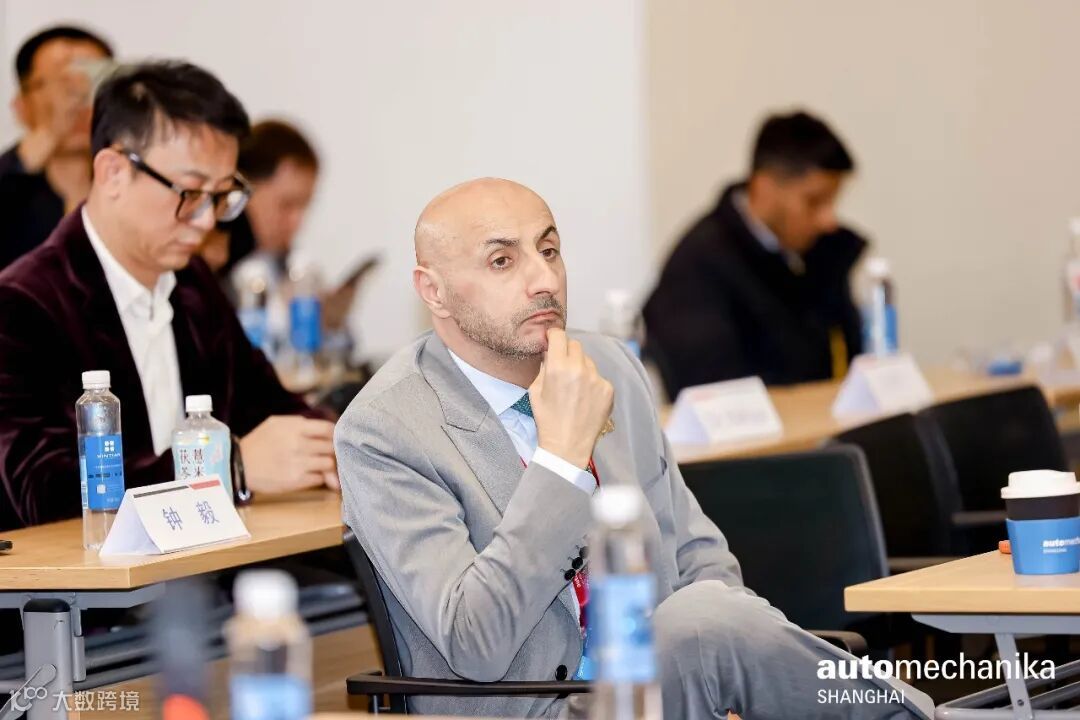
The event kicked off with a keynote by Mr. Arafat, Chairman of the Arab Business Forum (ABF) China, who offered first-hand insights into the Middle Eastern market. He highlighted that over the past three years, Chinese automotive brands have experienced explosive growth in the Gulf Cooperation Council (GCC) countries—annual sales have surged from 80,000 to 240,000 units, and market share has soared from 6% to 18%. In the UAE, one out of every ten newly sold vehicles is now a Chinese brand. The social media hashtag #ChineseCarChallenge has garnered over 100 million views, reflecting strong local consumer appreciation for Chinese vehicles’ intelligent cockpits, long-wheelbase designs, and high cost-performance ratio.
However, Mr. Arafat quickly pivoted to the core contradiction: “Sales growth does not equate to brand entrenchment.” He shared a sobering set of data:
-
The total number of authorized Chinese-brand service centers across the six GCC countries remains under 190; -
On average, there is only one service center for every 12,000 Chinese vehicles, compared to a ratio of 1:2,700 for Japanese and Korean brands; -
Over 23% of owners have suffered economic losses due to spare parts delays exceeding 30 days; - 15% of users
indicated they would not consider a Chinese brand again if the after-sales experience doesn’t improve.
“Middle Eastern consumers welcome Chinese cars—but they reject the ‘sell-and-forget’ model,” Mr. Arafat emphasized.
He stressed three pillars for success: strategic partnership, localization, and integrated product-plus-service offerings. “True localization isn’t just about opening a showroom—it means understanding cultural differences, building trust-based relationships, and delivering mother-tongue service. After-sales support isn’t a cost—it’s the cornerstone of trust.”
He specifically announced that ABF will partner with CAGA to jointly promote the establishment of chain service centers, EV charging networks, and certified pre-owned vehicle evaluation systems across Arab nations—transforming today’s “service gap” into tomorrow’s “collaborative opportunity.”
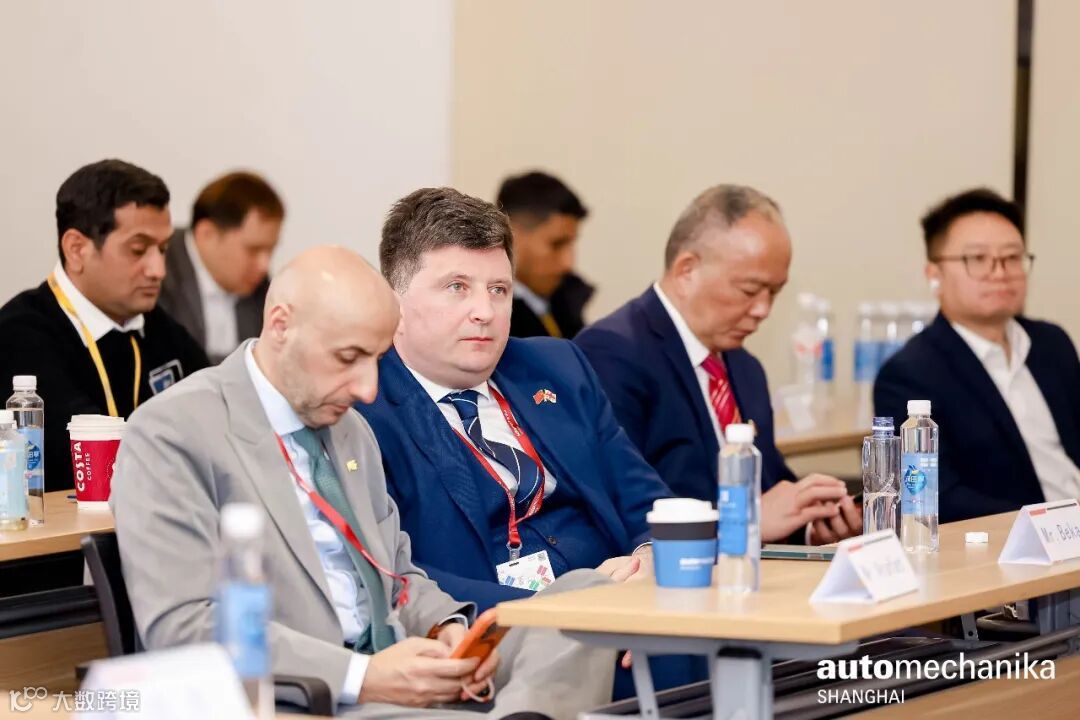
Along the Belt and Road: From Trade Bridges to Service Implementation
Following this, Mr. Bekar, President of the Georgian Chamber of Commerce, shared a new landscape for automotive aftermarket development in Belt and Road countries. He highly praised the acceptance of Chinese vehicles in the Caucasus and Central Asia, and introduced his “Belt and Road Business Pavilion,” which leverages cultural ties—such as Georgia’s world-renowned wine—to foster commercial trust. He urged:
“Chinese automakers should deeply integrate with local chambers of commerce, starting with small-scale pilots to gradually build localized service capabilities.”
Pathways to Breakthrough: Technology + Insurance + Alliance = Closed-Loop Service
In response to these global challenges, multiple speakers presented actionable solutions:
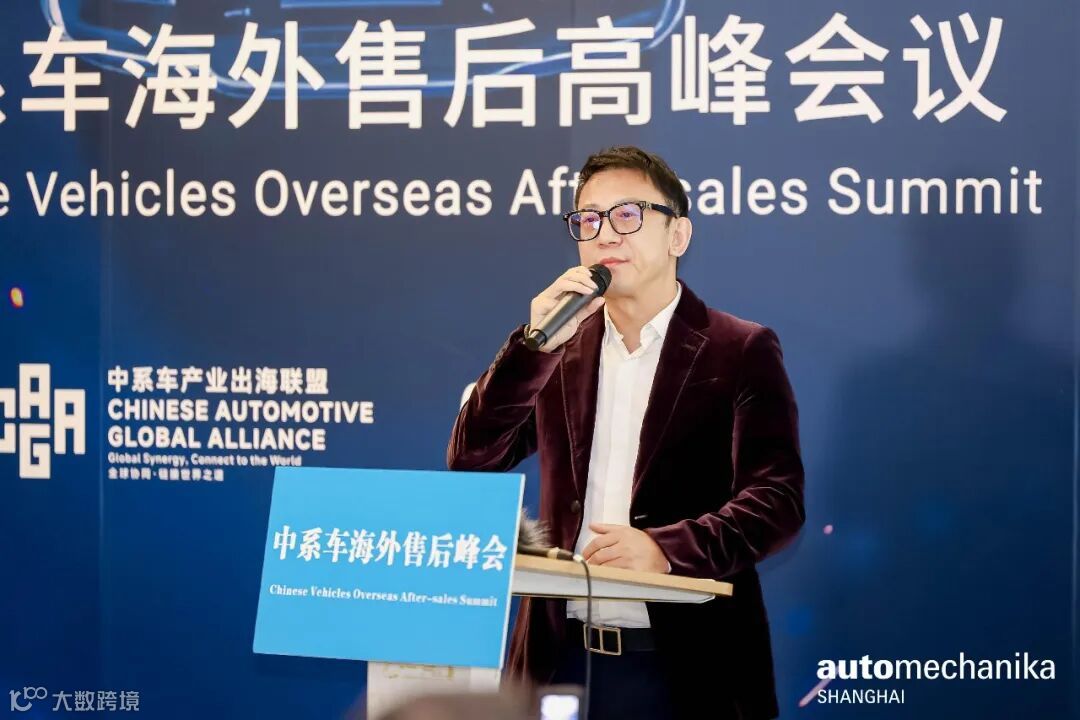
Jason Yu, CEO of Shanghai Wangao, proposed building a “Global After-Sales Intelligence Engine,” focusing on the broken “second half” of used vehicle exports, emphasizing that “the service system is the brand’s moat.”
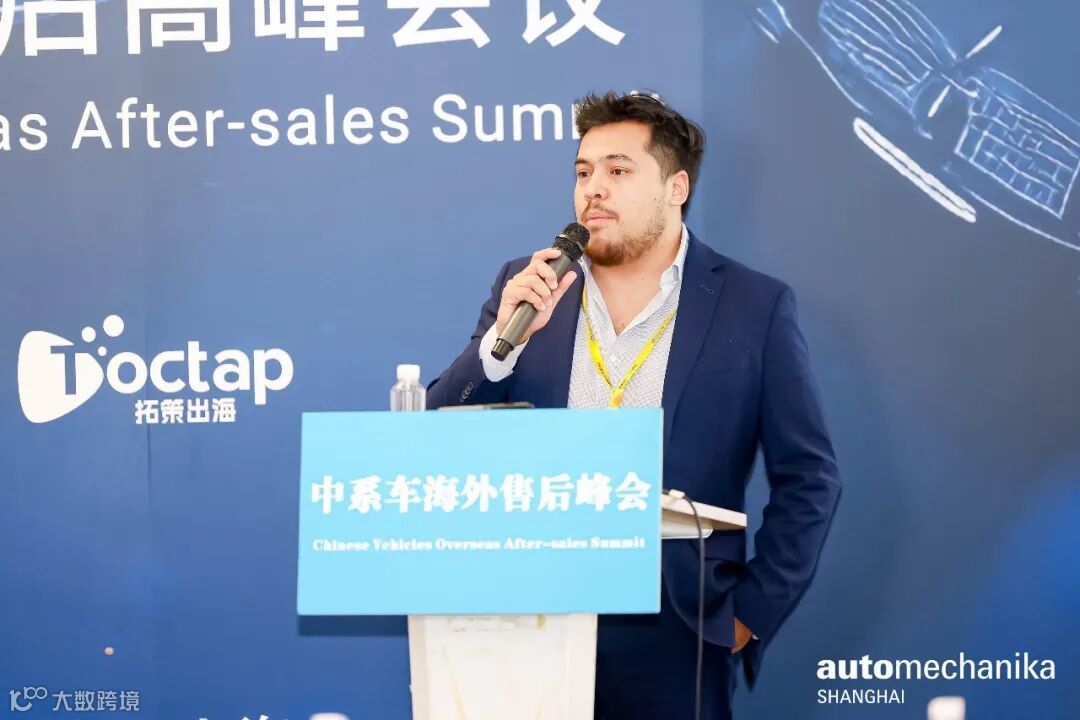
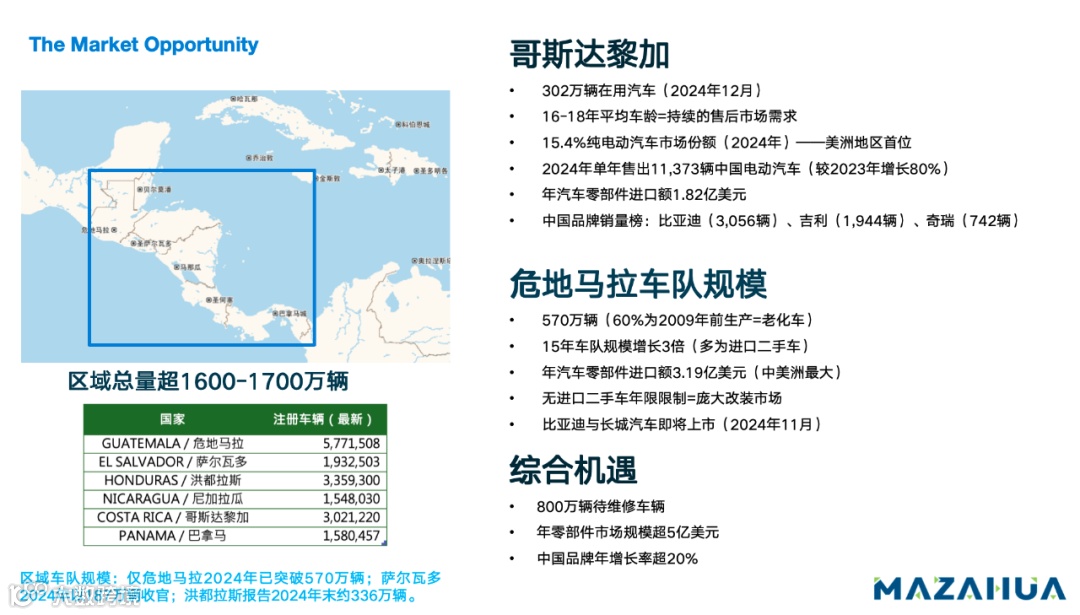
Rafa Suarez, representative of a Central American dealer group, shared successful practices from Costa Rica: using insurance companies as anchor clients to create a closed loop of “claims → repair → preferred parts.”He revealed: “We’ve partnered with three major insurers, covering 567,000 vehicles—30% of the national fleet.”This model ensures predictable demand, guaranteed quality, and efficient payment.
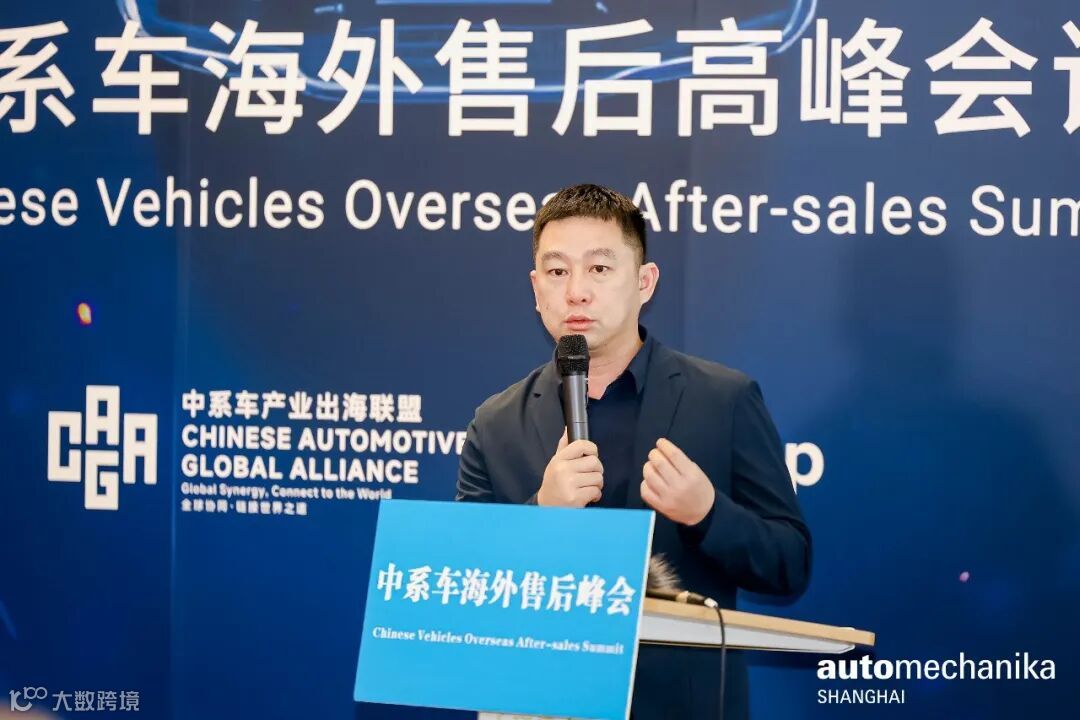
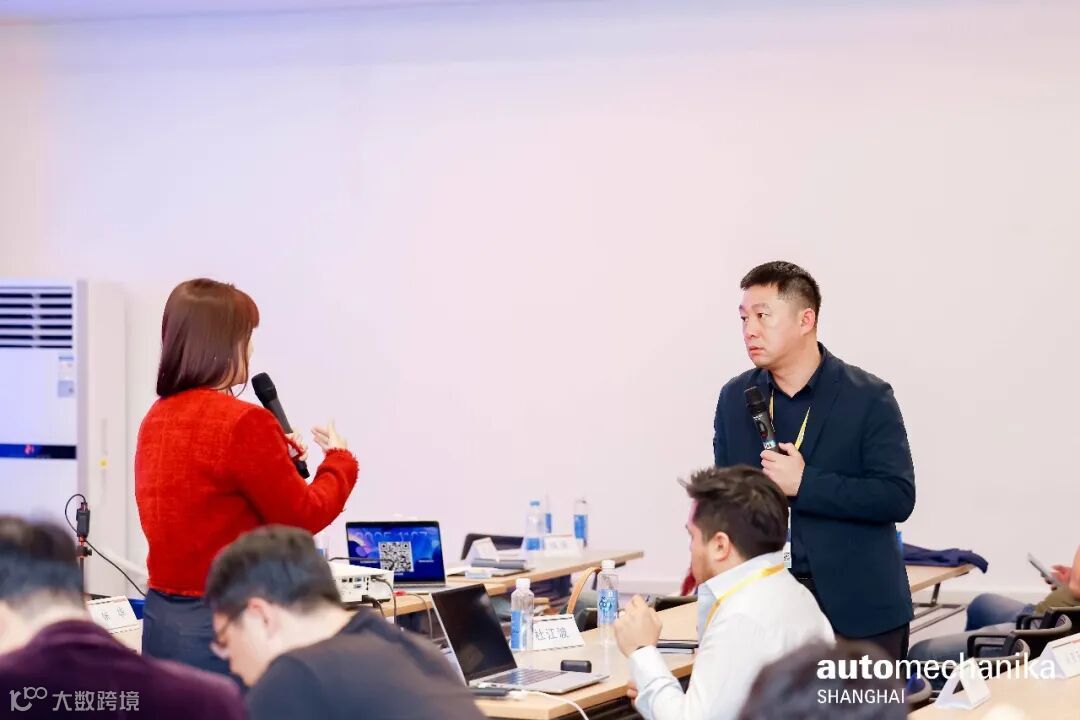
Du Jiangbo, Operations Director of LAUNCH EVS (Yuanzheng), demonstrated how intelligent diagnostic equipment empowers overseas technicians: “Through remote support platforms and standardized training, we make Chinese technology truly ‘locally usable.’” He stressed: “Going global isn’t about selling products—it’s about taking integrated solutions overseas.”
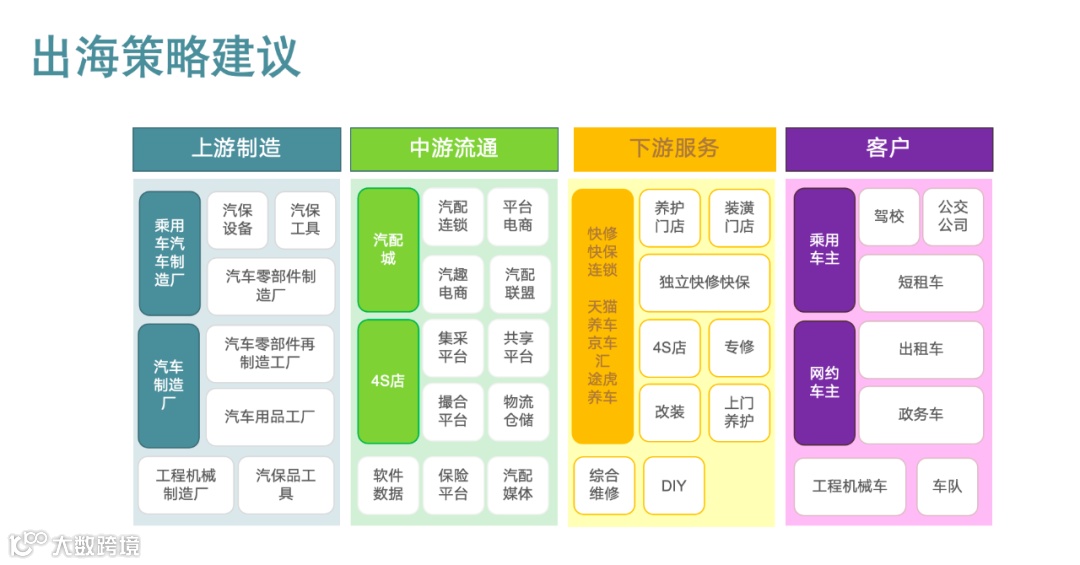
Chen Liang, Founder of YouLiangBang, focused on new energy components and proposed a four-dimensional approach: online + offline + localization + branding. He called on enterprises to actively participate in international trade shows, environmental initiatives, and media collaborations to systematically enhance brand influence.
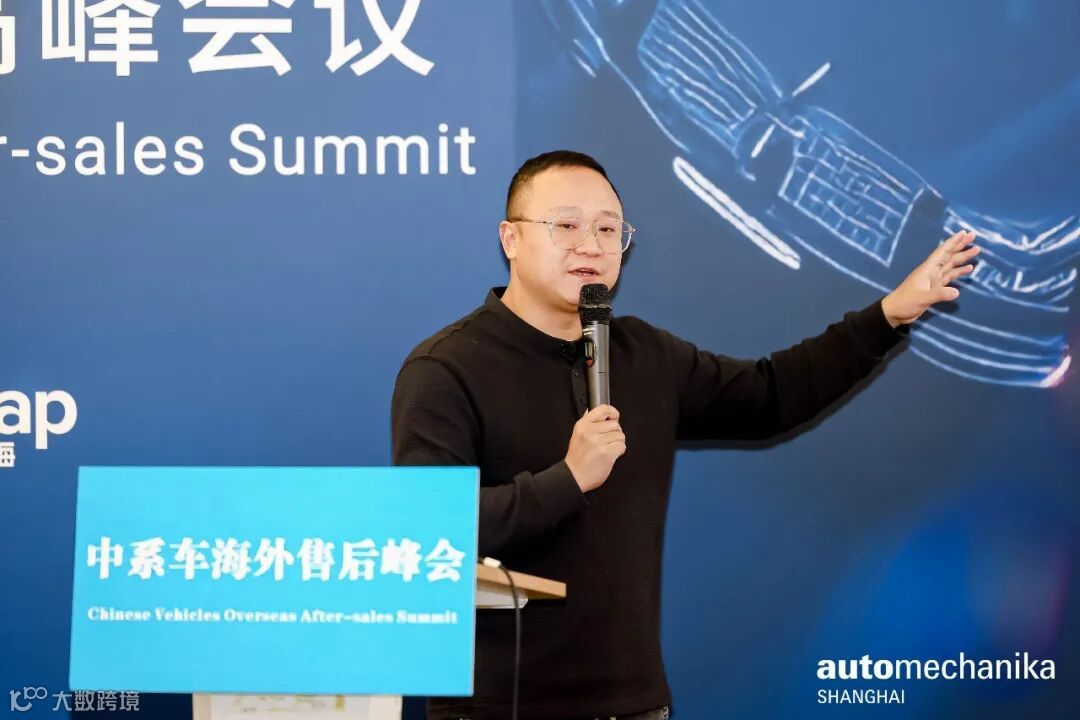
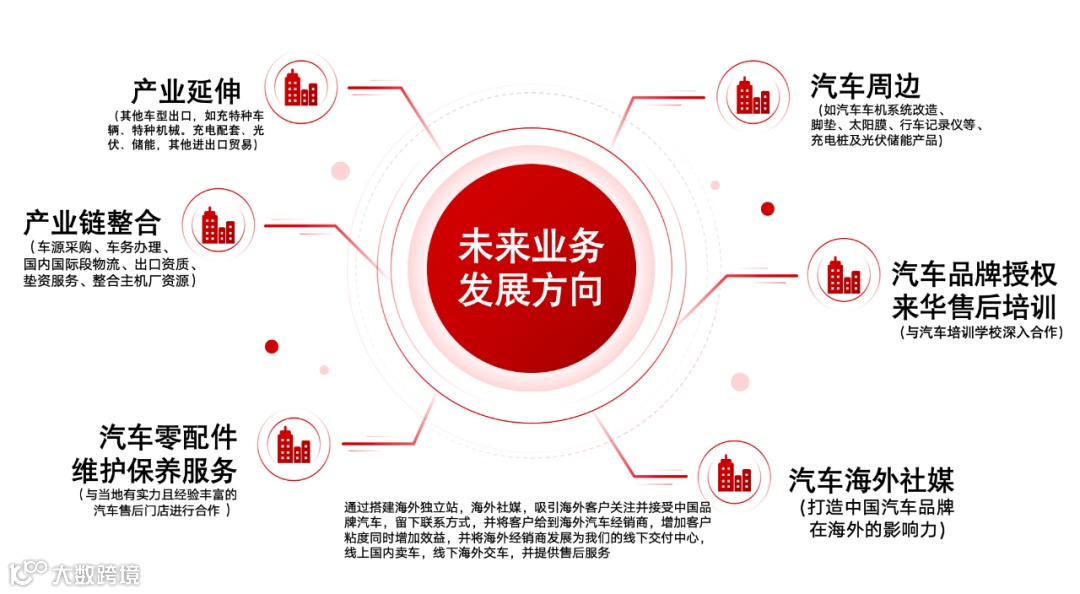
Policy-Driven Change and Ecosystem Co-Creation: The Critical Window Before the 2026 Shakeout
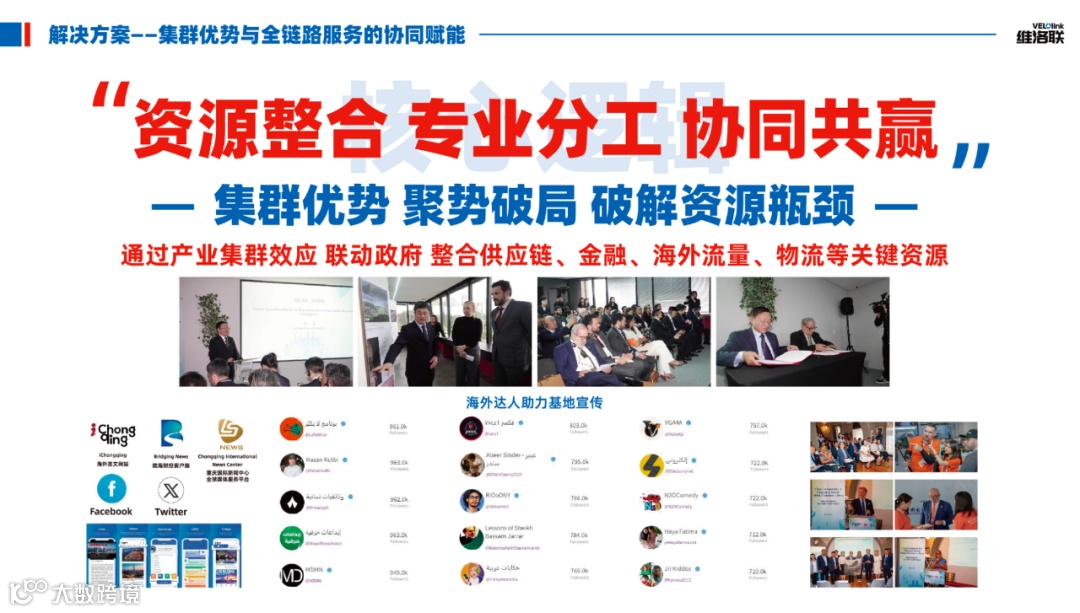
Yue Xu, General Manager of Chongqing CheZhiHeTong, interpreted the new export policy jointly issued by four Chinese ministries on November 11, 2025—which mandates the establishment of “one-stop service centers” integrating vehicle preparation, inspection, customs clearance, logistics, and after-sales support. He warned:
“The industry will undergo major consolidation in 2026. Opportunities still abound—but only for those who align export capabilities with their own resources and strategic advantages.”
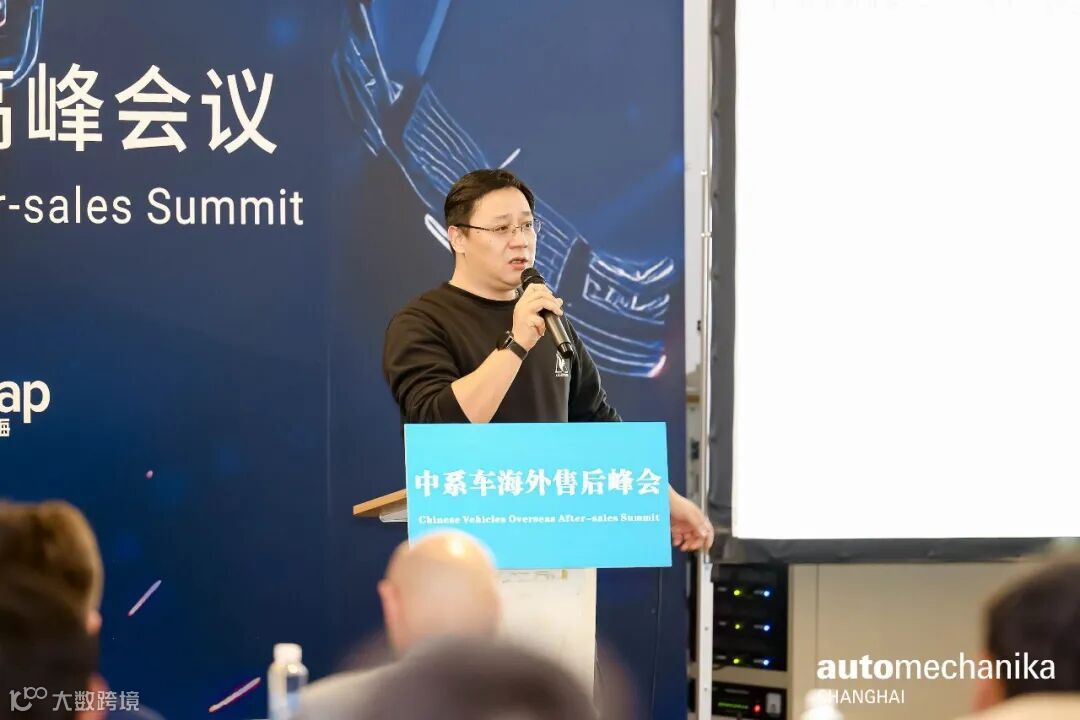
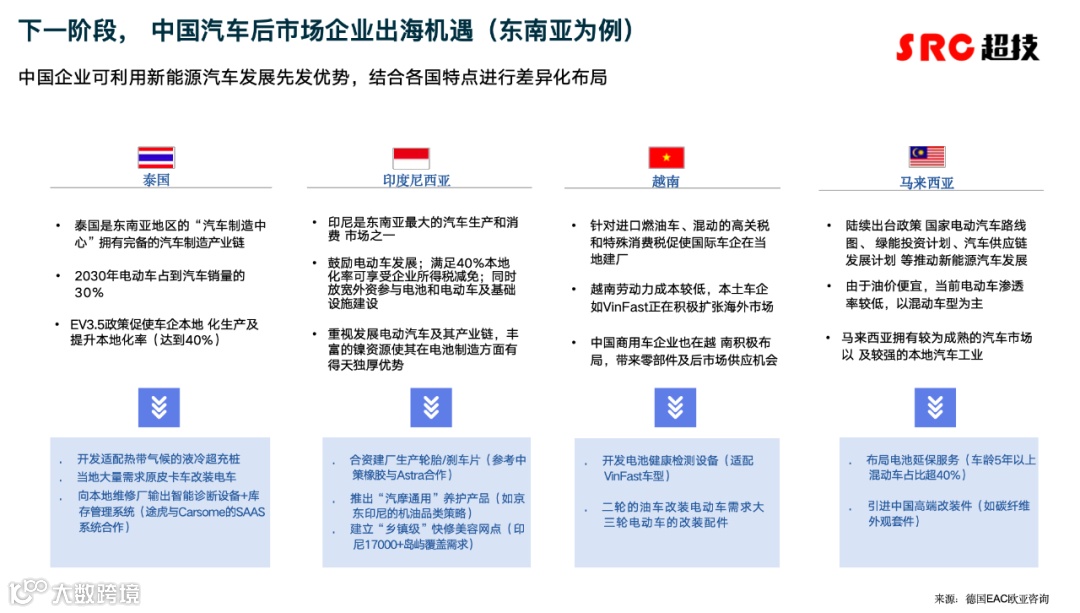
Zhong Yi, CEO of SRC Chaogi, painted vivid market pictures—from the Middle East to ASEAN and Southeast Asia—and cautioned against overextension. Summarizing the logic of success, he said plainly:
“Internationalization isn’t a slogan—it’s patient, persistent service groundwork.”
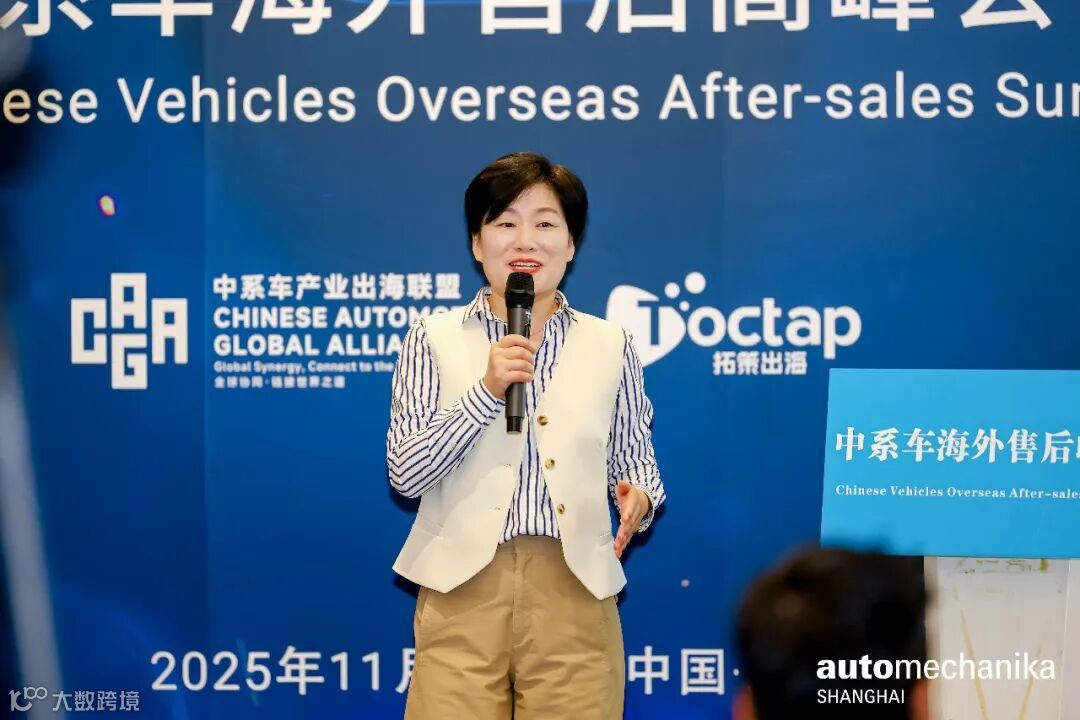
In a powerful closing address, Christina Xu, Founder of CAGA, issued the strongest call to action:
“The era of going it alone is over. The future belongs to those willing to open their resources and co-build ecosystems.”
She announced that CAGA will establish ongoing communication mechanisms to facilitate collaboration among overseas and domestic organizations, chambers, and associations—better enabling global synergy and clearing the road for Chinese vehicles to reach the world.
From Ideas to Intentions: A Vibrant Exchange
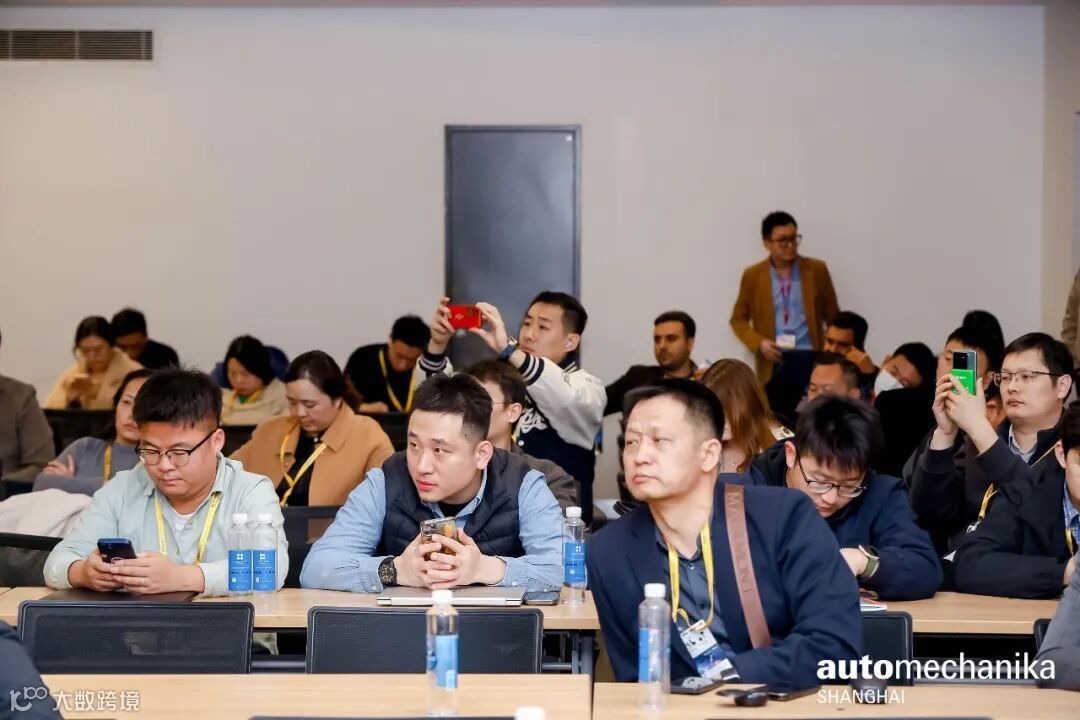
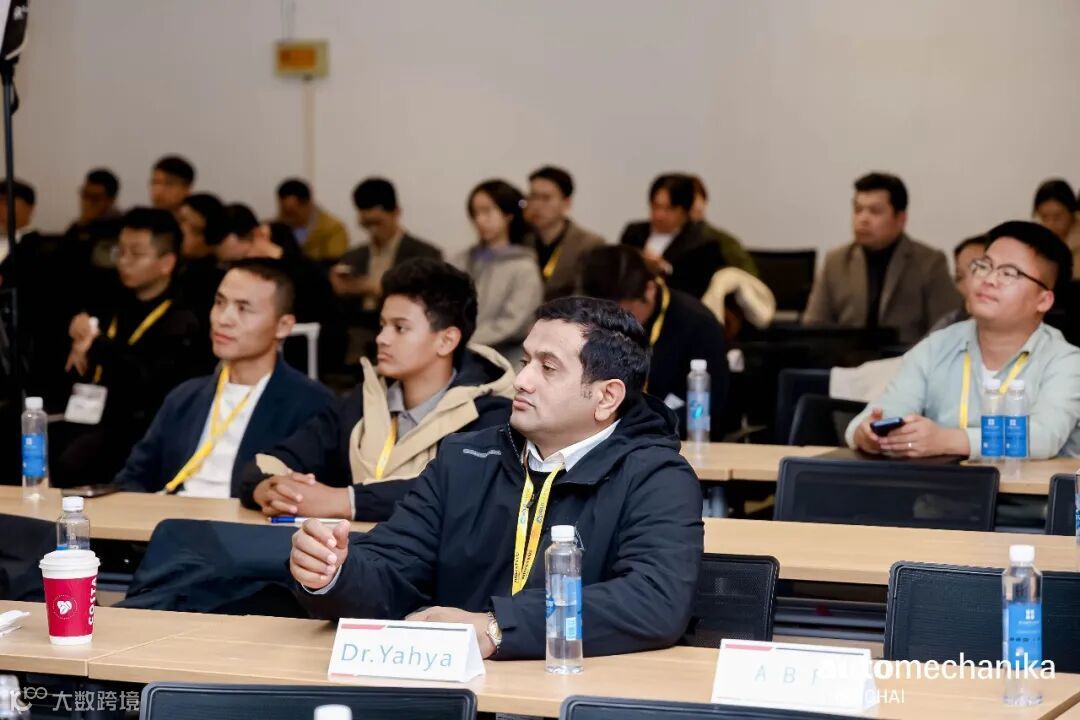
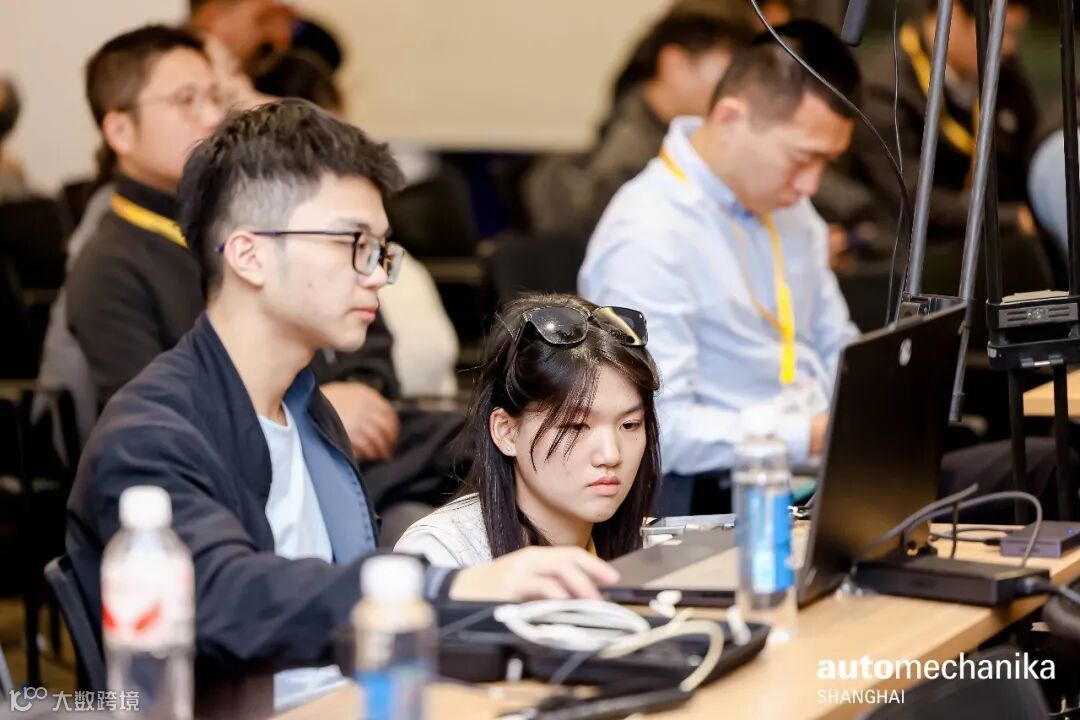
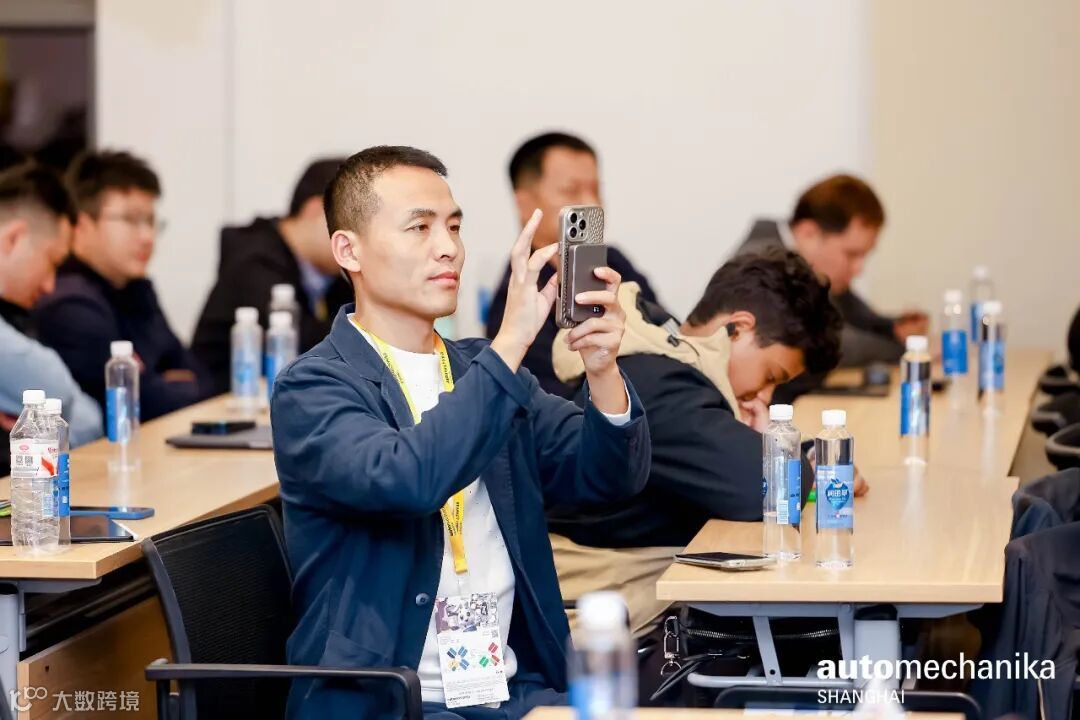
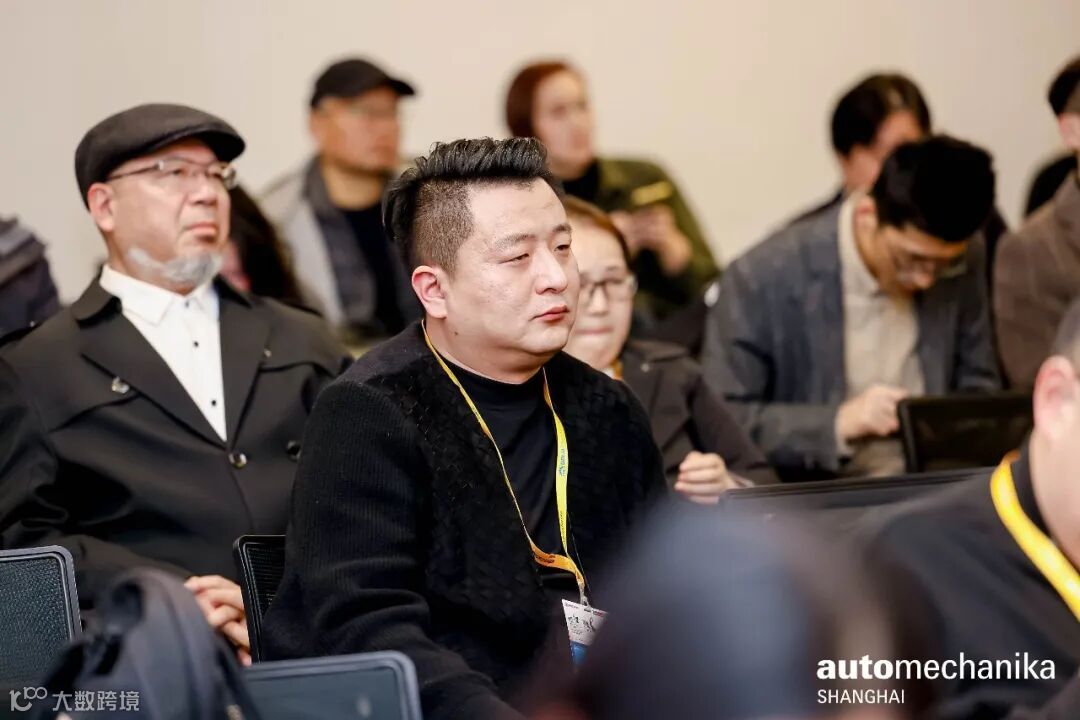
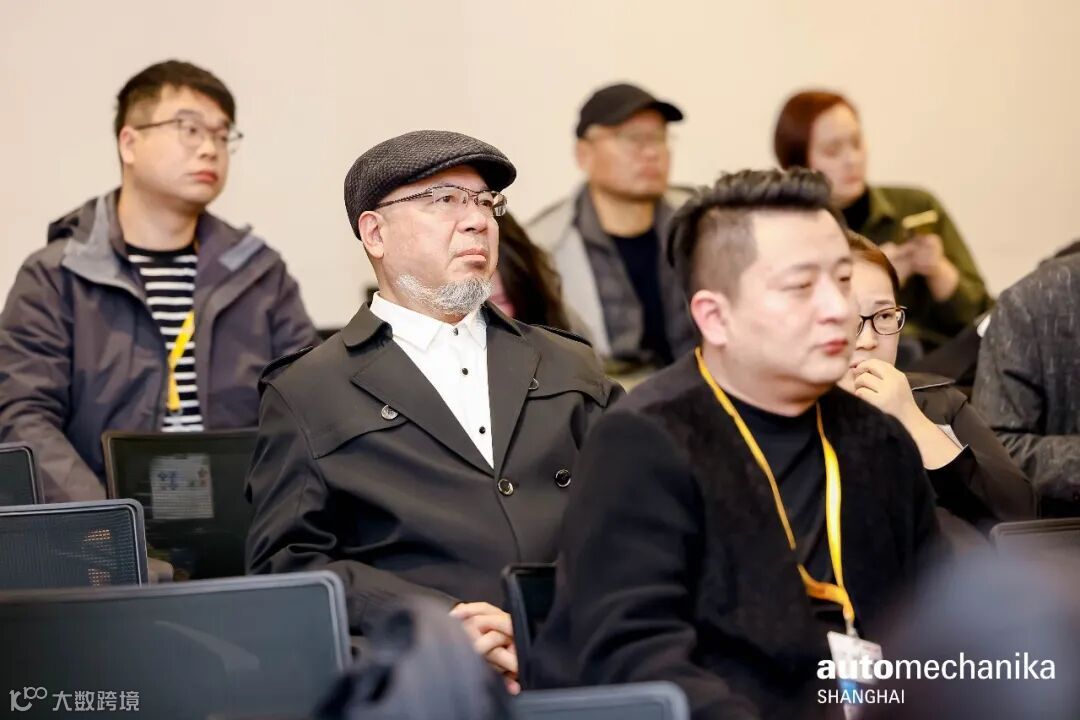
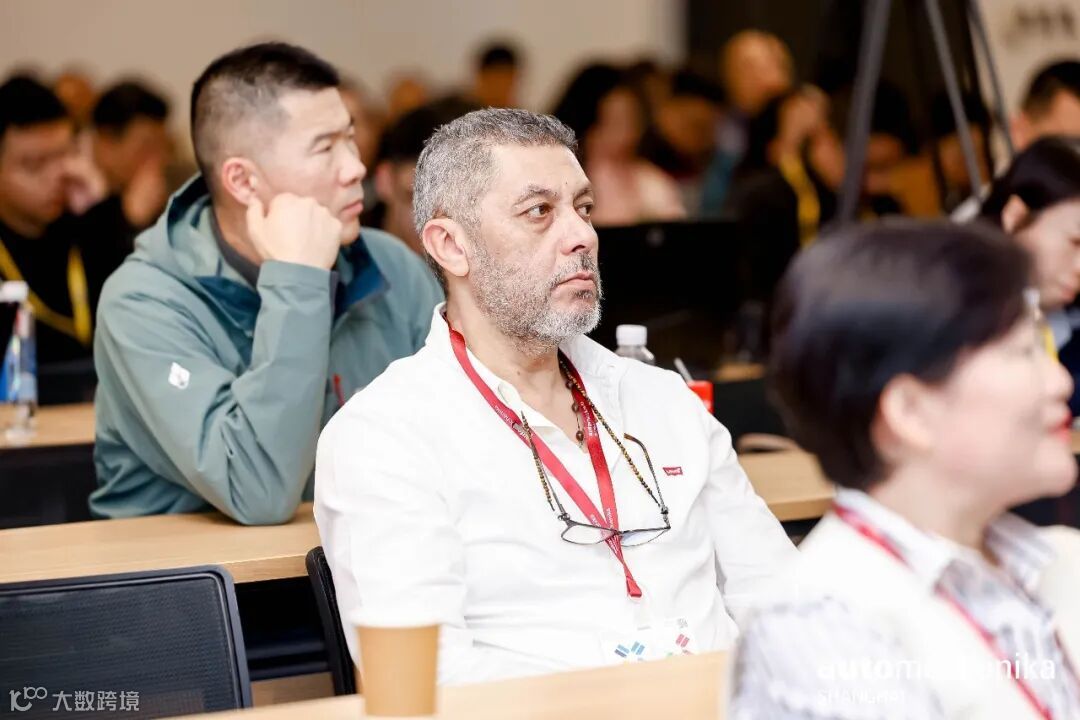
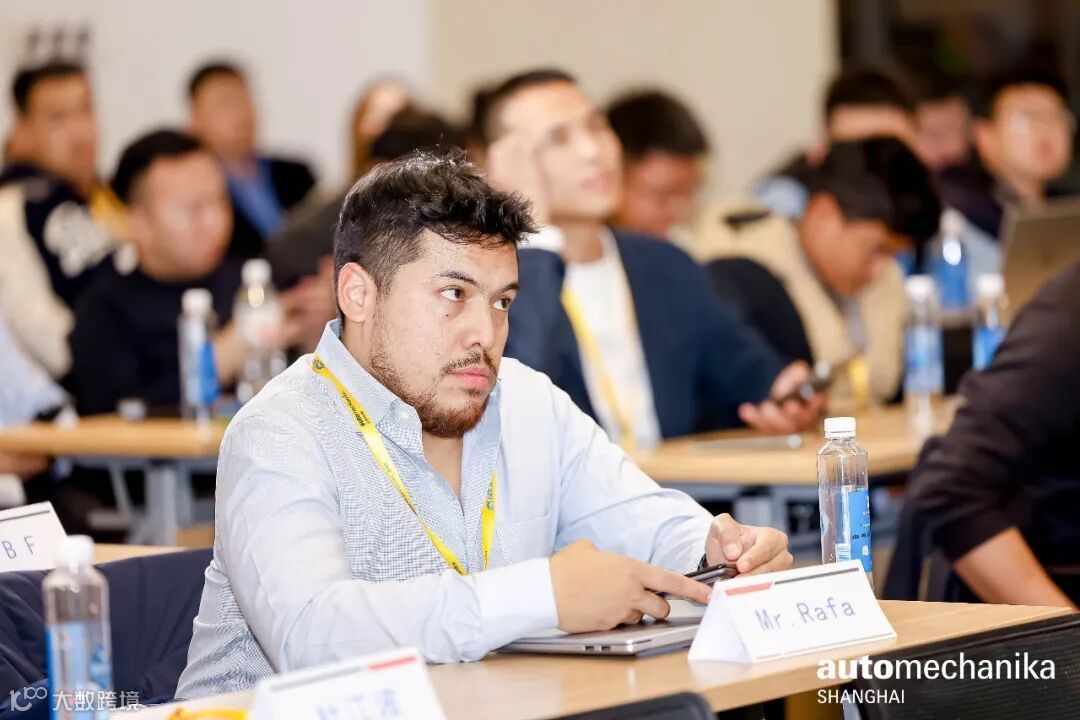
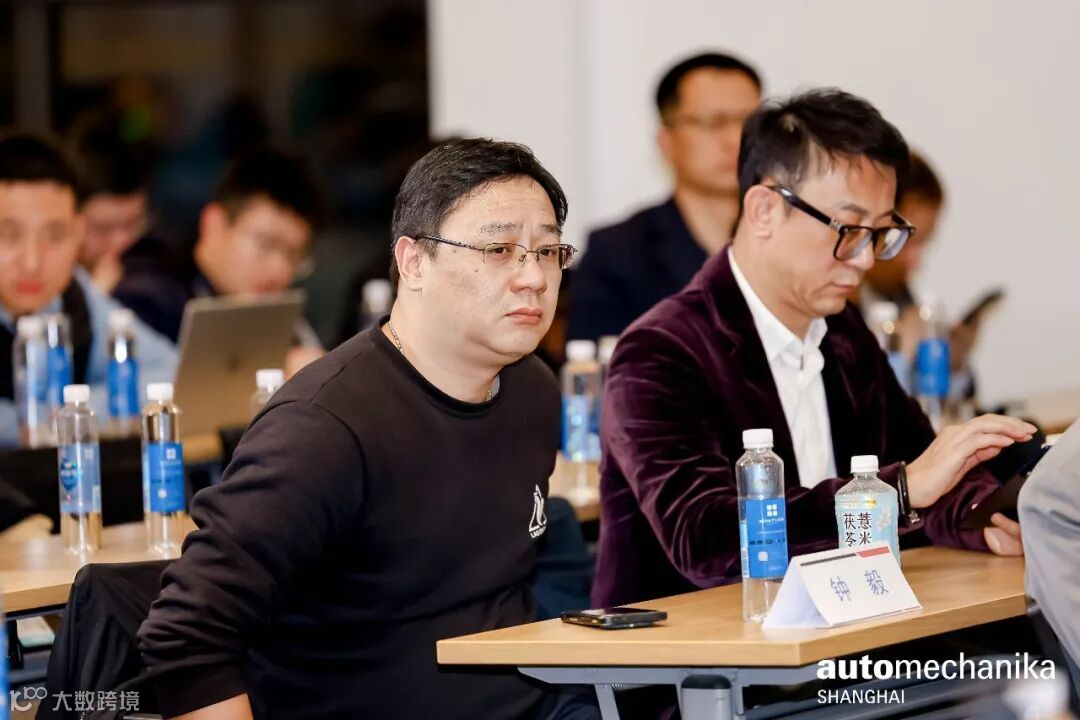
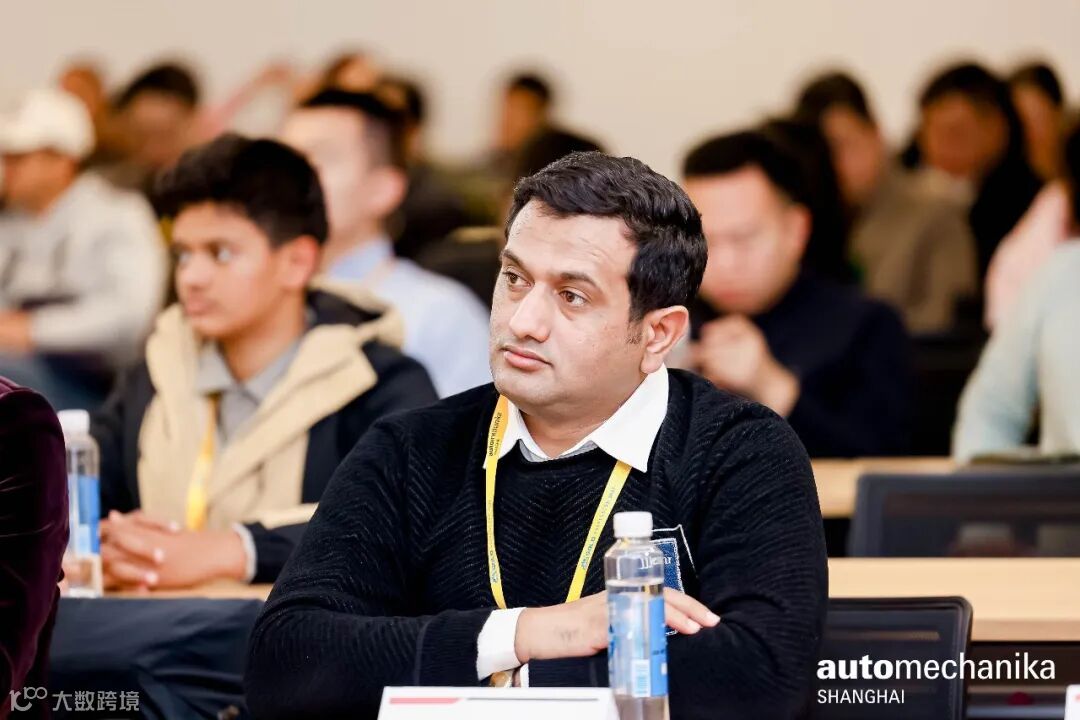
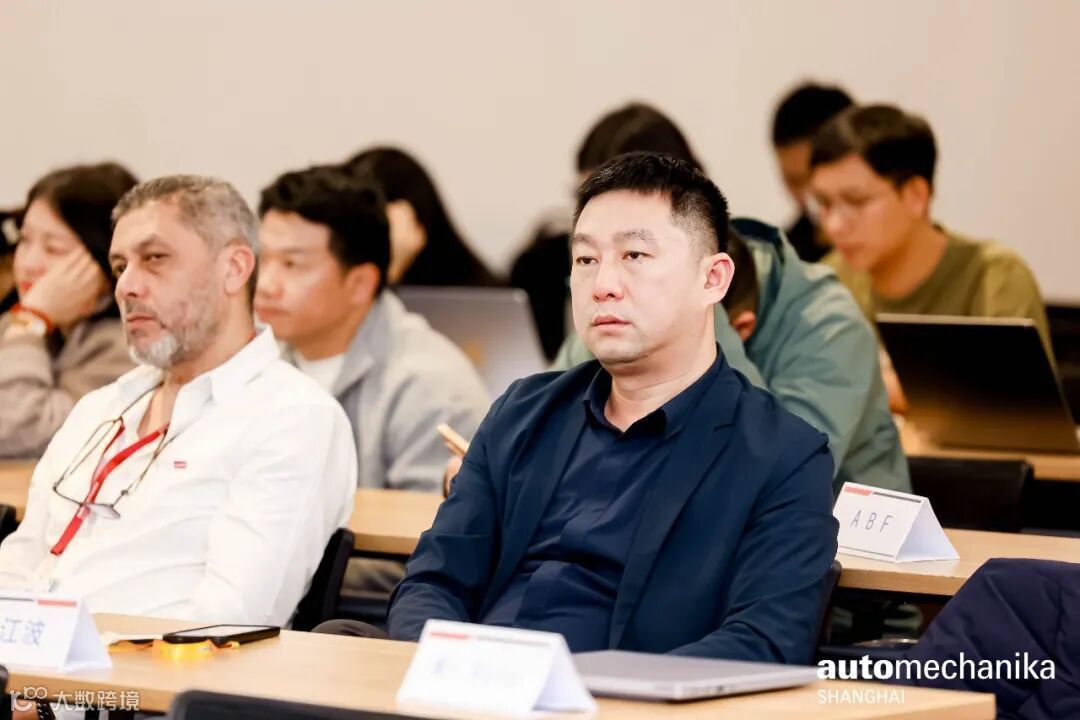
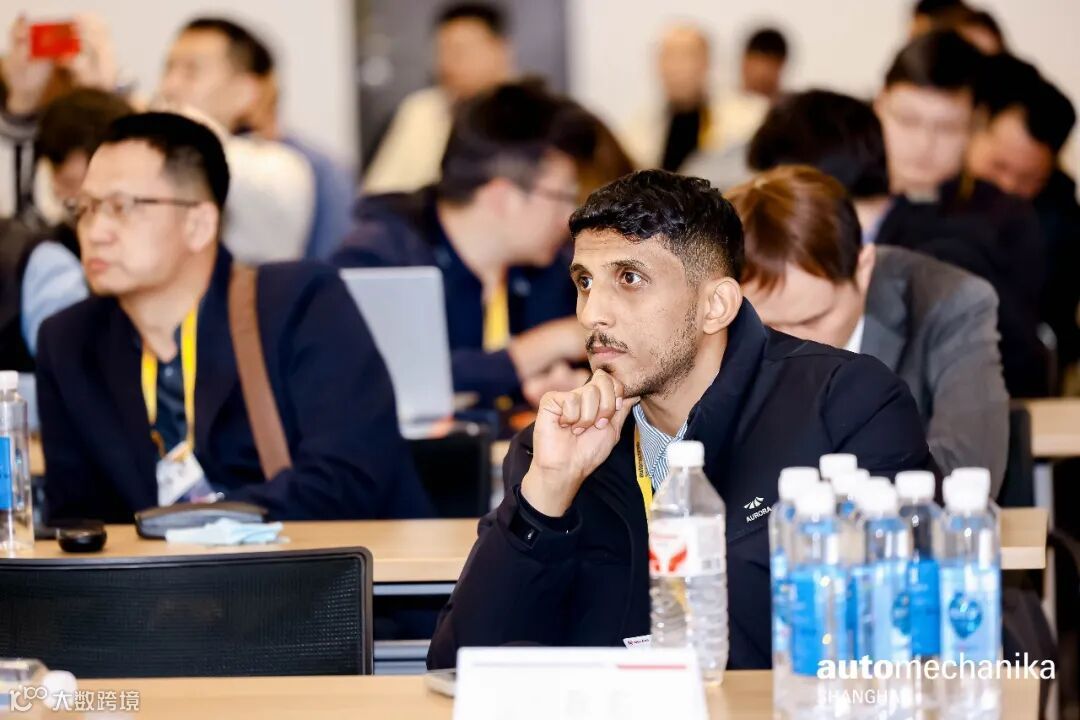
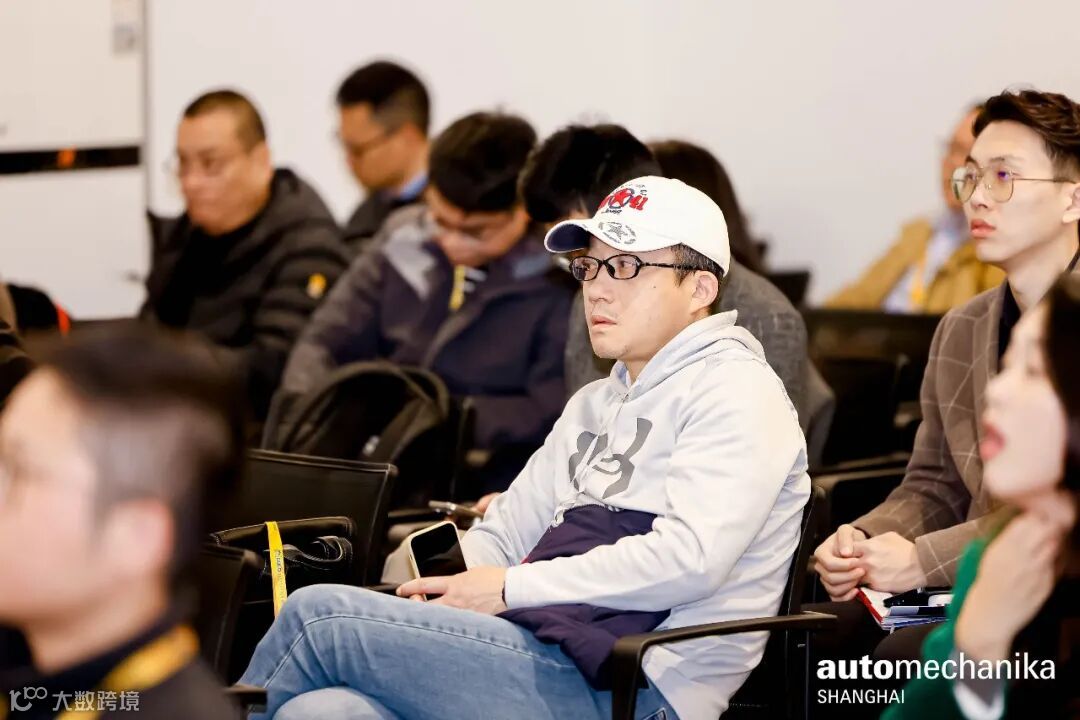
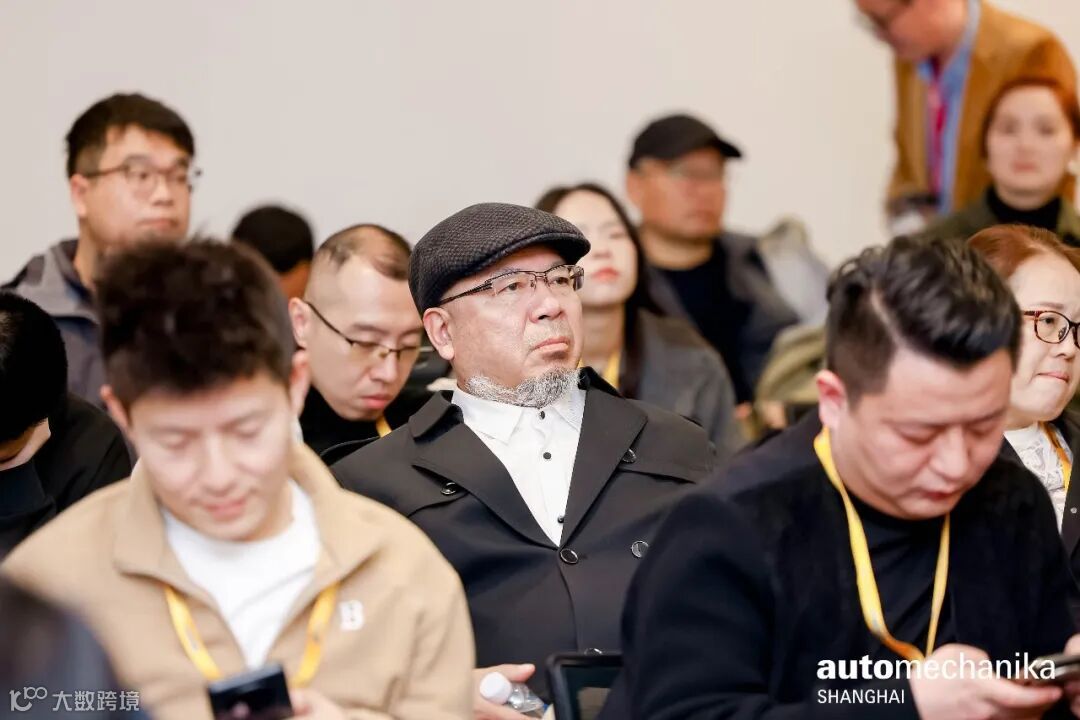
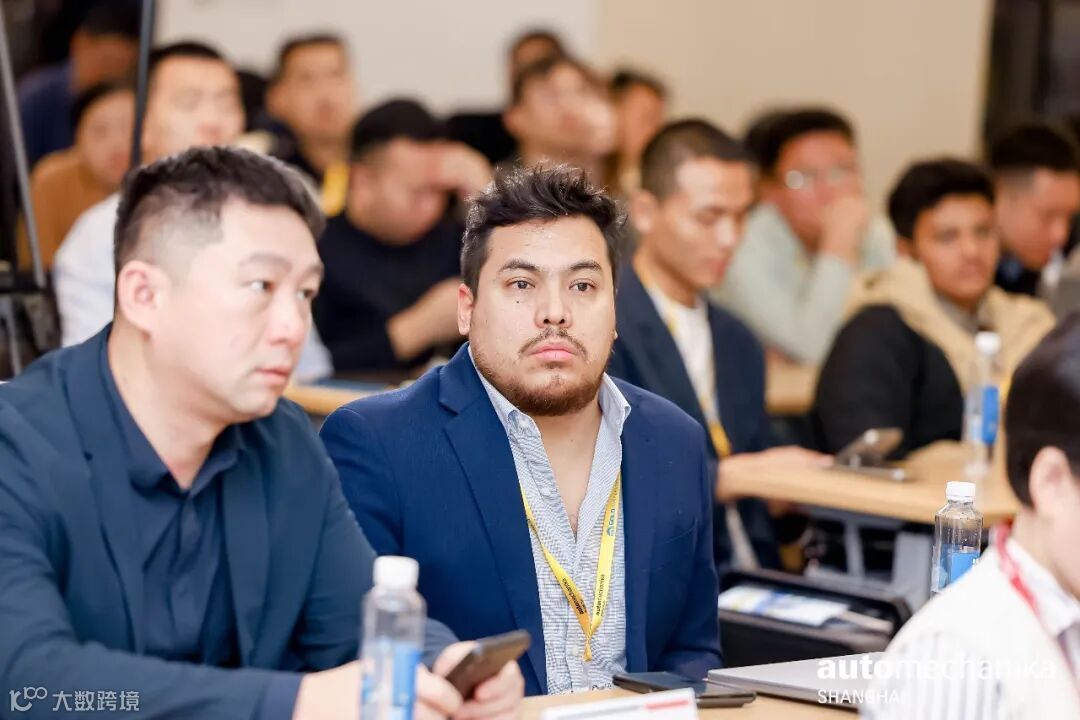
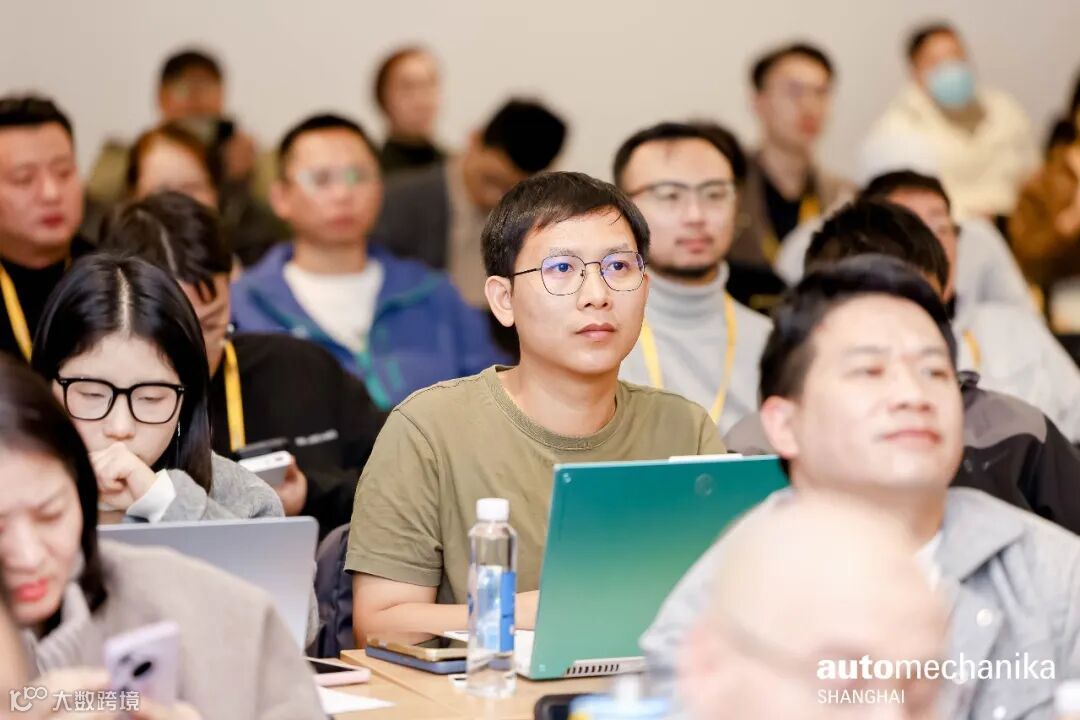
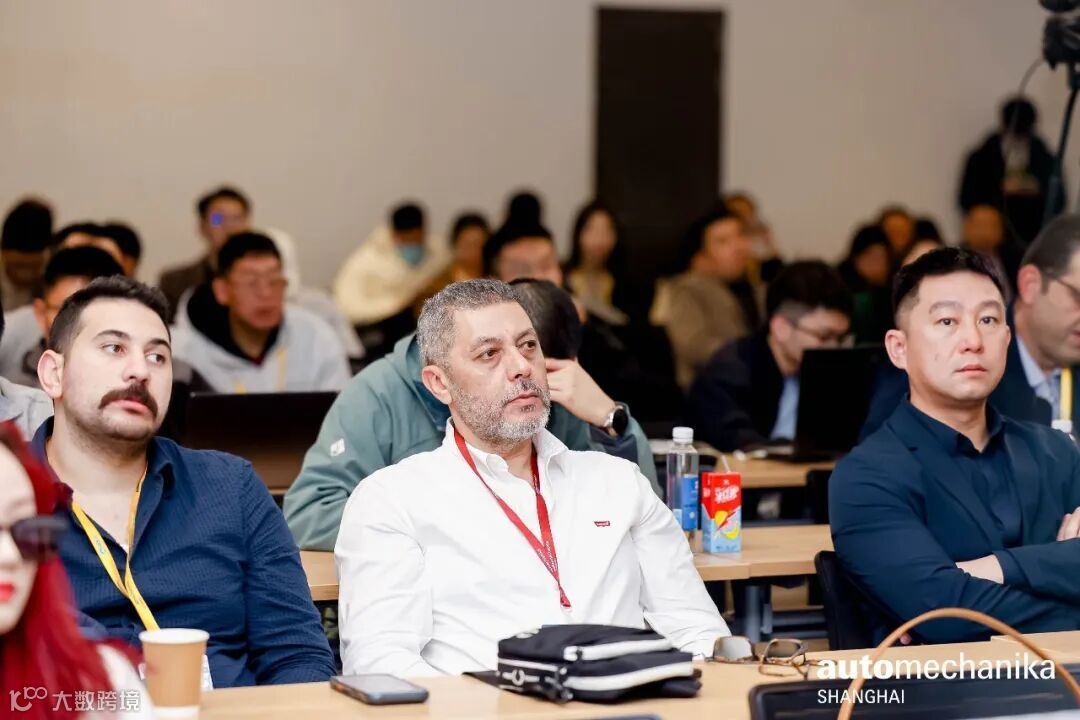
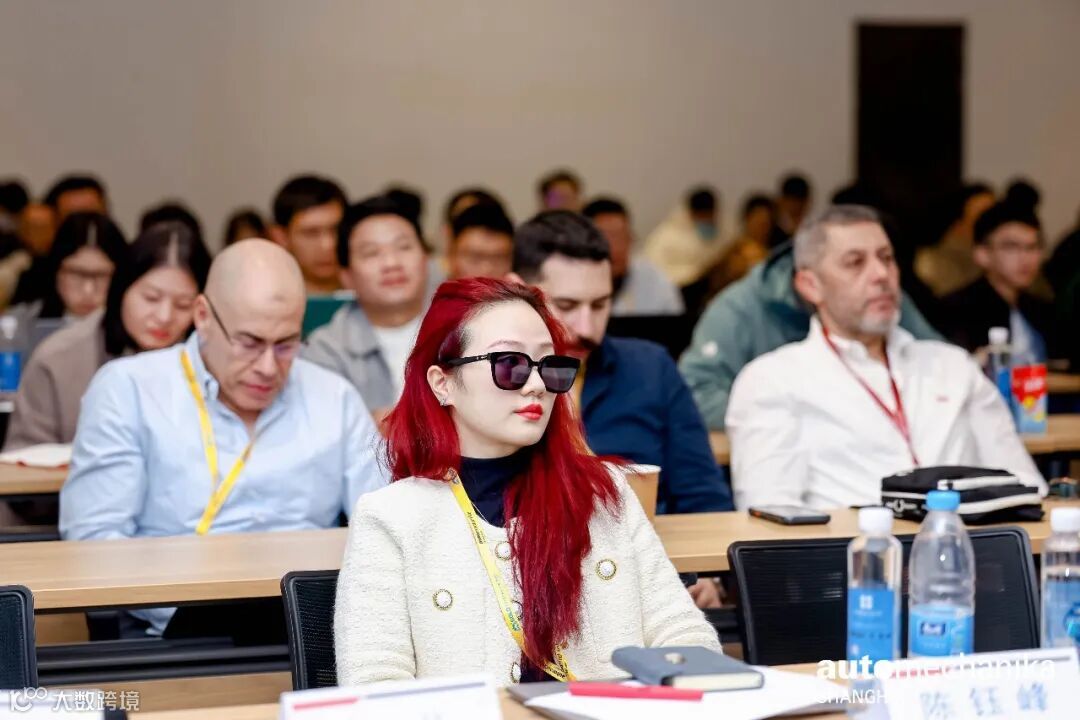
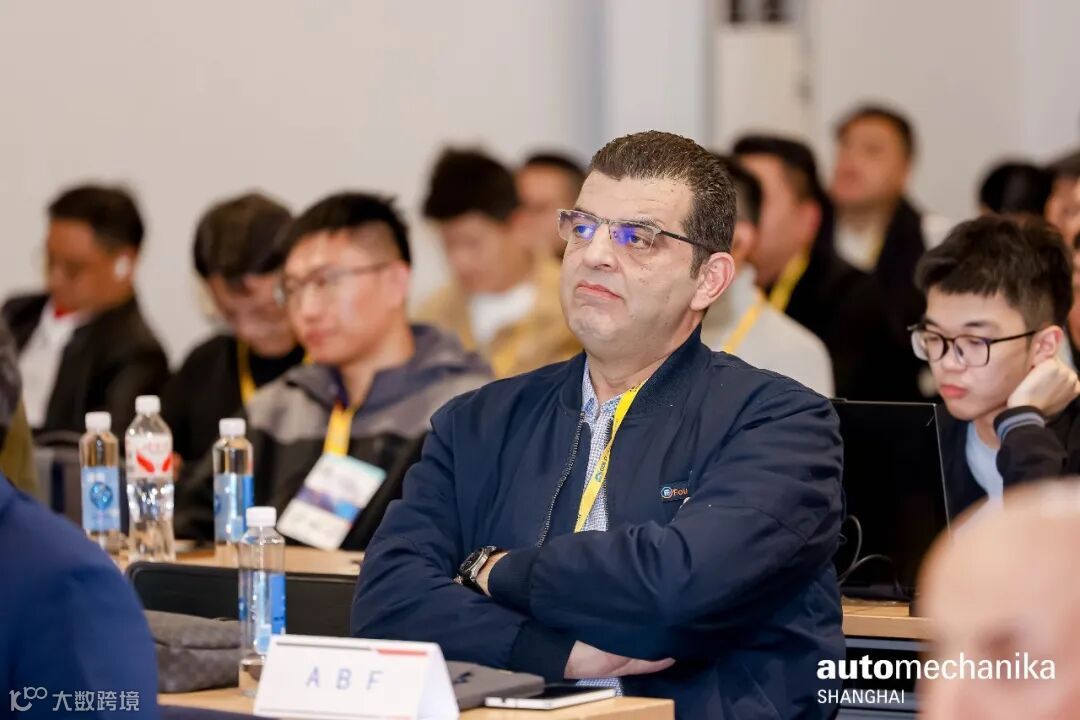
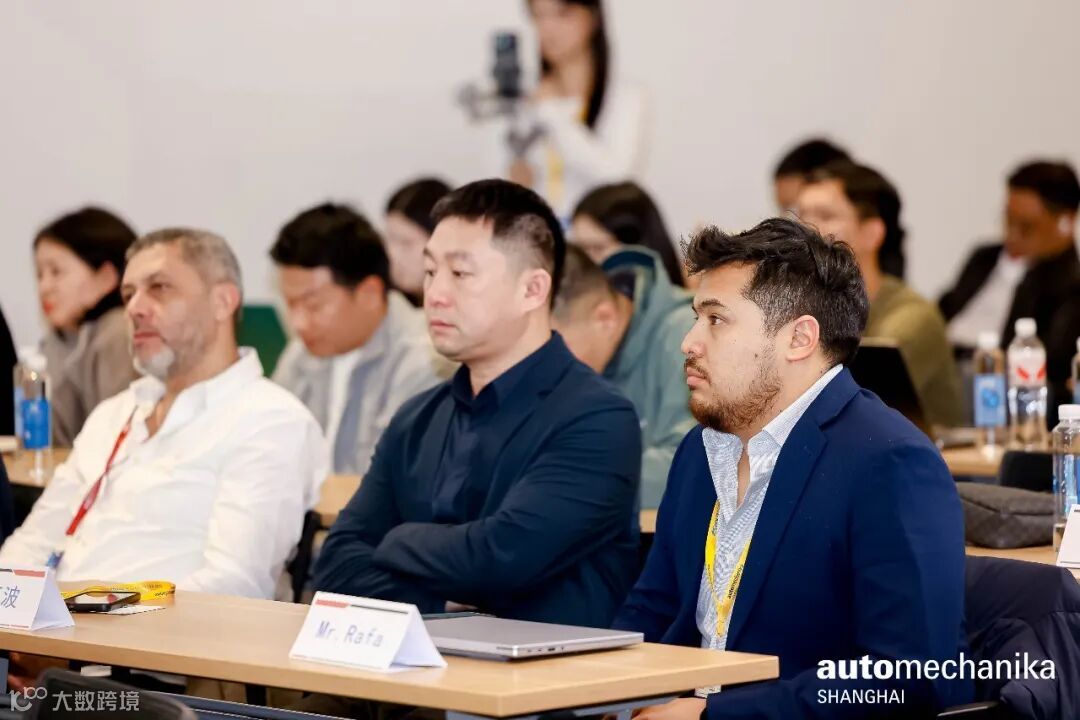
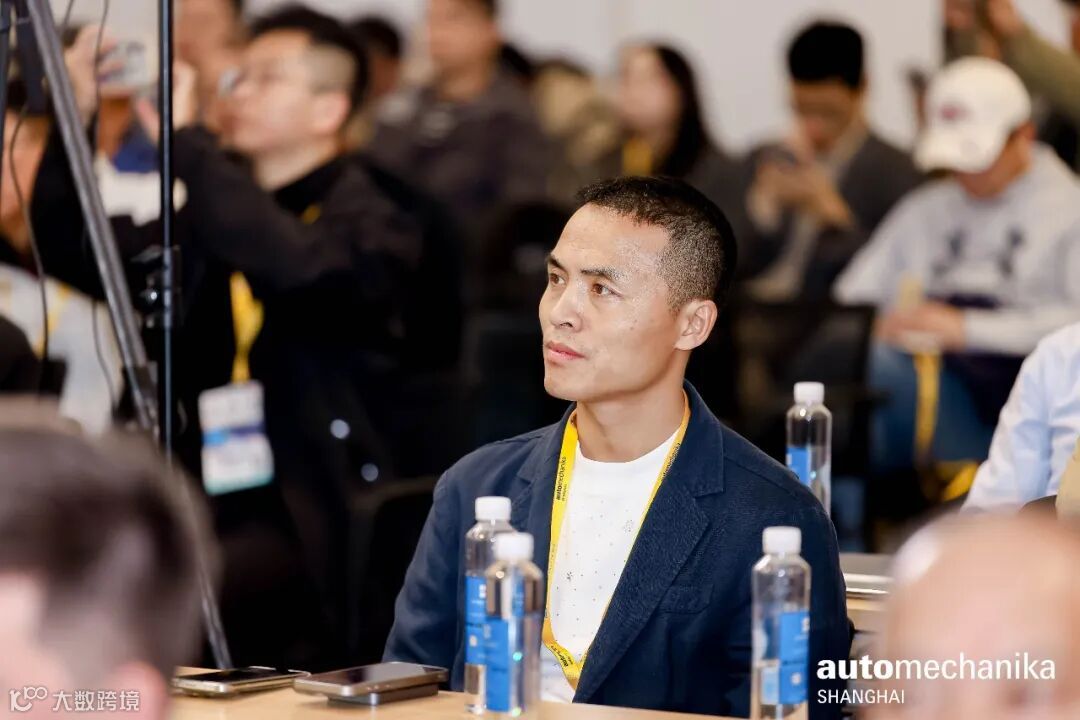
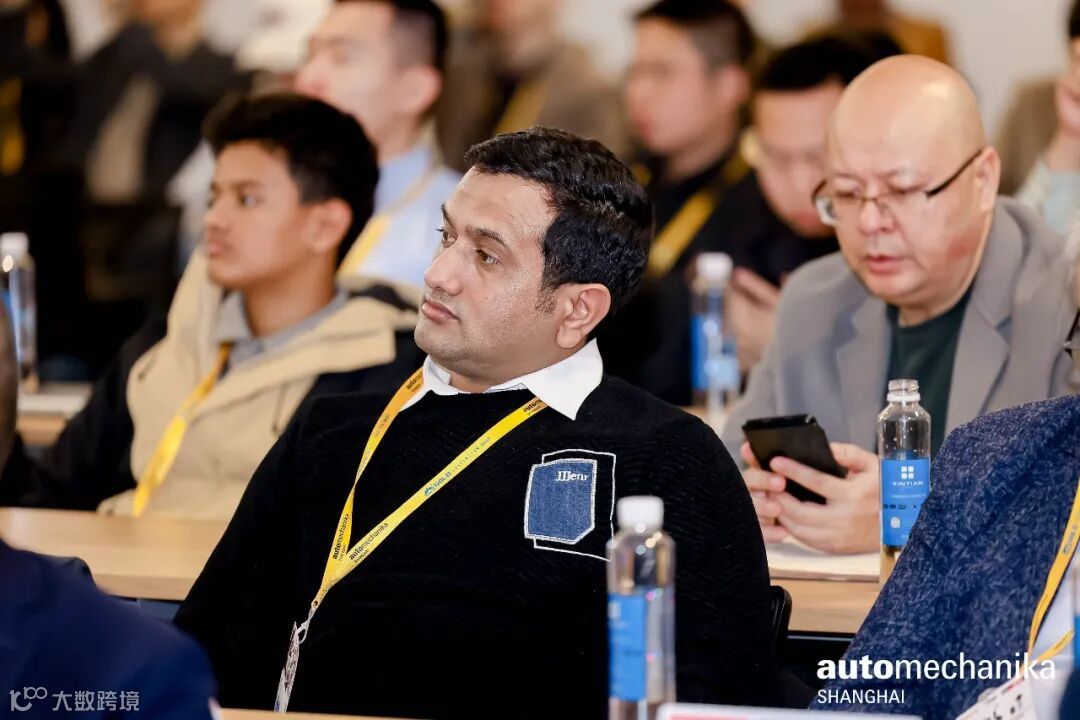
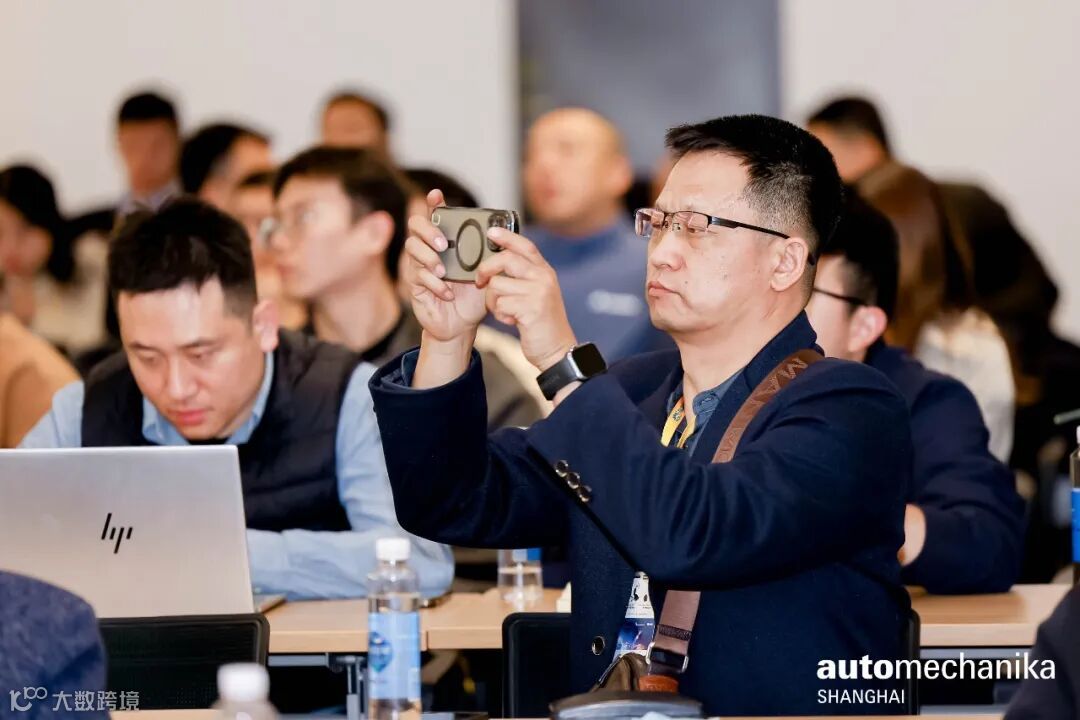
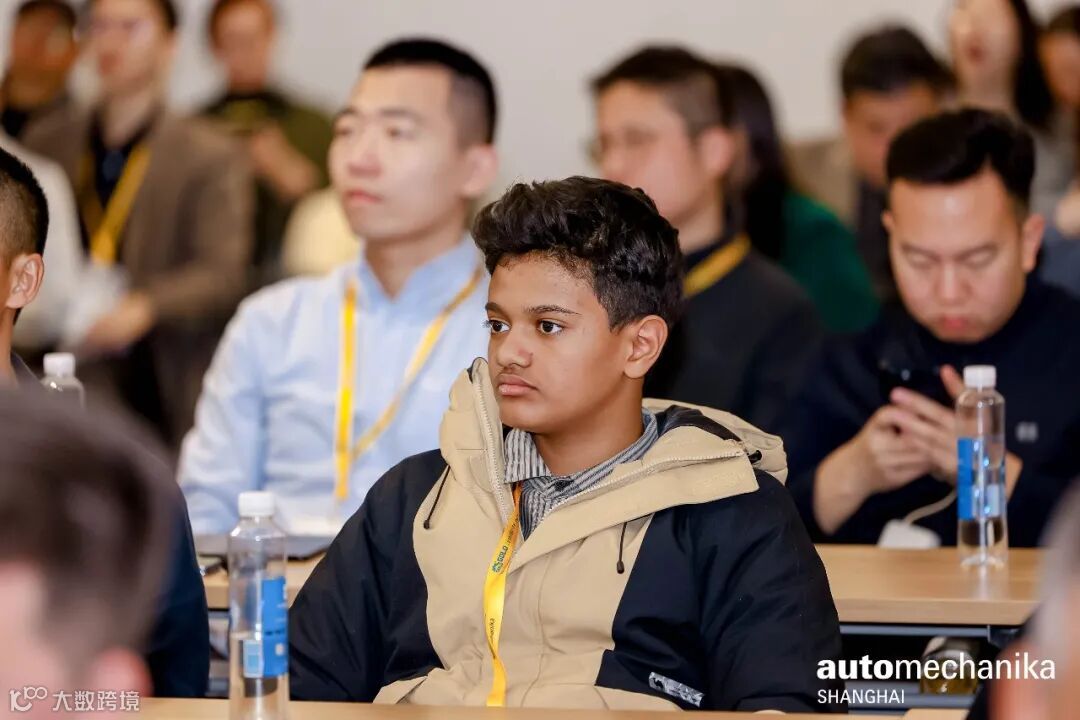
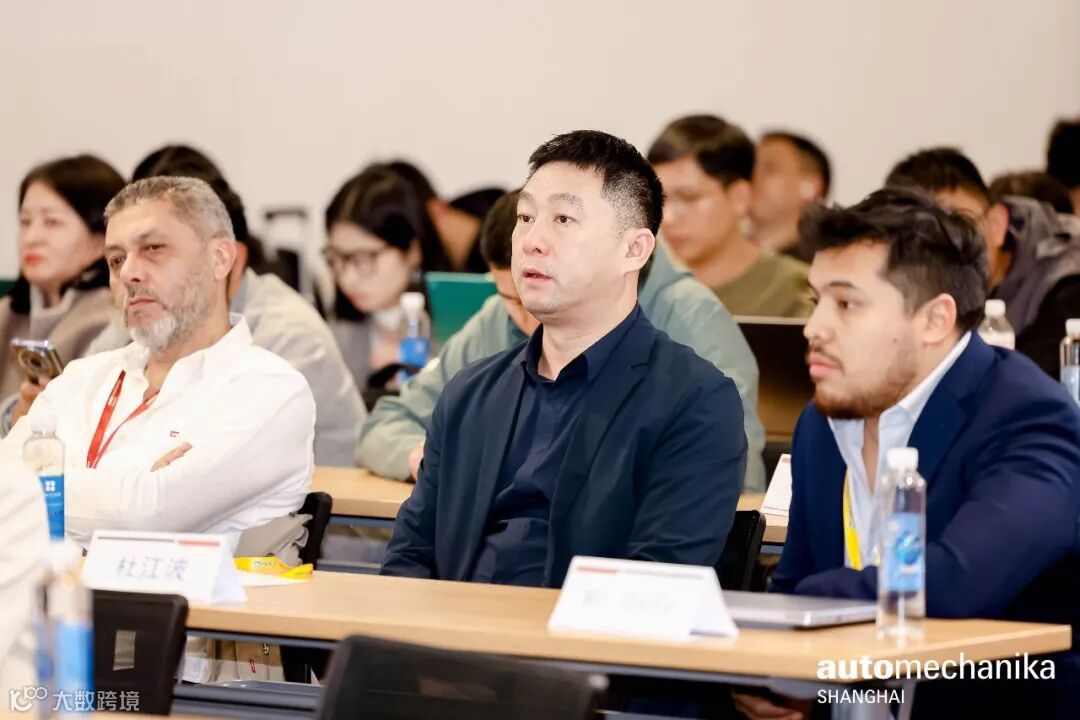
Throughout the summit, attendees listened intently. During the closing networking session, the atmosphere grew lively as participants engaged in deep discussions on topics like local warehousing, technical training, and insurance partnerships—reaching preliminary agreements and scheduling follow-up visits, clearly reluctant to part ways.


Conclusion: Only by Going Global with Service Can We Go Far and Steady
As Chinese automobiles drive onto streets and alleys worldwide, what truly determines whether they can “stay” is no longer price or specifications—but a timely repair, a reliable spare part, and a greeting in the customer’s native language.
This summit was more than an industry review—it was a collective awakening:
In the race for globalization, the ultimate competition is one of service systems.
“The future of global after-sales service for Chinese-branded vehicles is being written right now—by all of us together.”
Hashtags:#ChineseAutoGlobal #OverseasAfterSales #AutomotiveGlobalization #CAGA #TOCTAP #ServiceEcosystem #ChineseAutoBrands #AutomechanikaShanghai