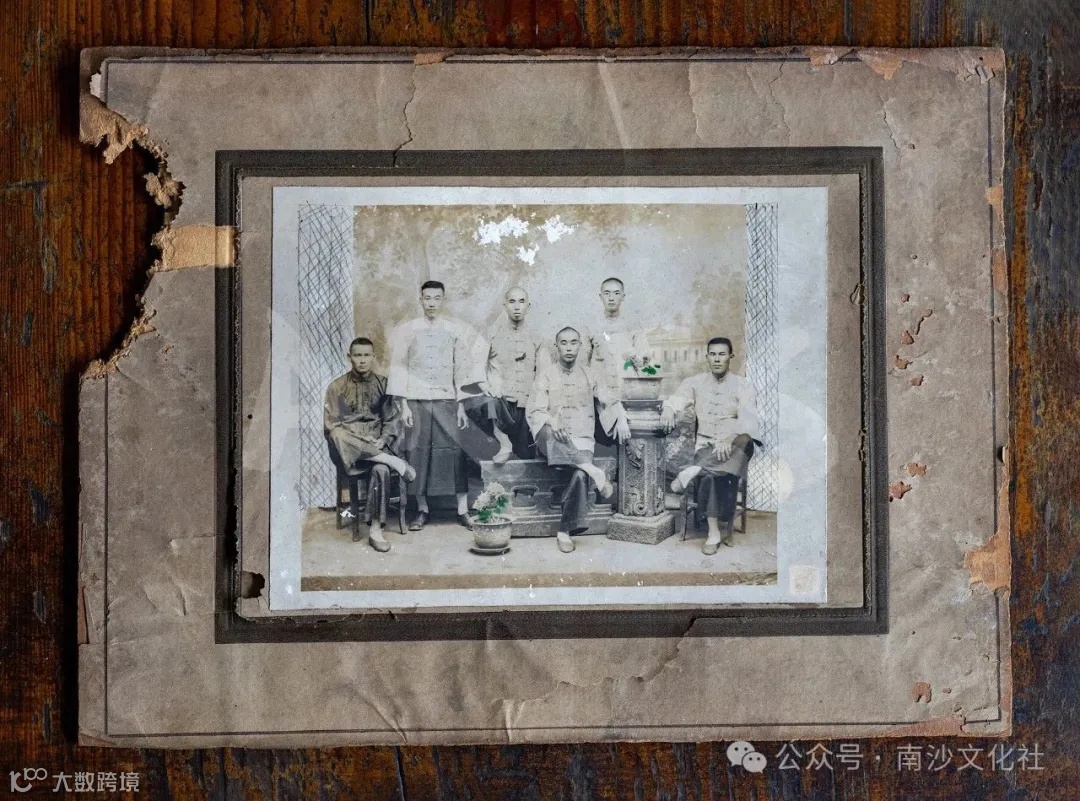
During our research into the historical development of Gambiered Guangdong Silk in Nansha, the discovery of an old photograph—the group portrait of the "Six Gentlemen of Tingjiao"—holds landmark significance. Taken in 1930, this image captures six men from Nansha's Tingjiao area posing formally in a photo studio. It stands as the earliest known visual documentation of real individuals wearing Gambiered Guangdong Silk in the Nansha region. Its value extends far beyond that of a mere old photograph; it serves as a crucial visual archive preserving the DNA of local cultural heritage.
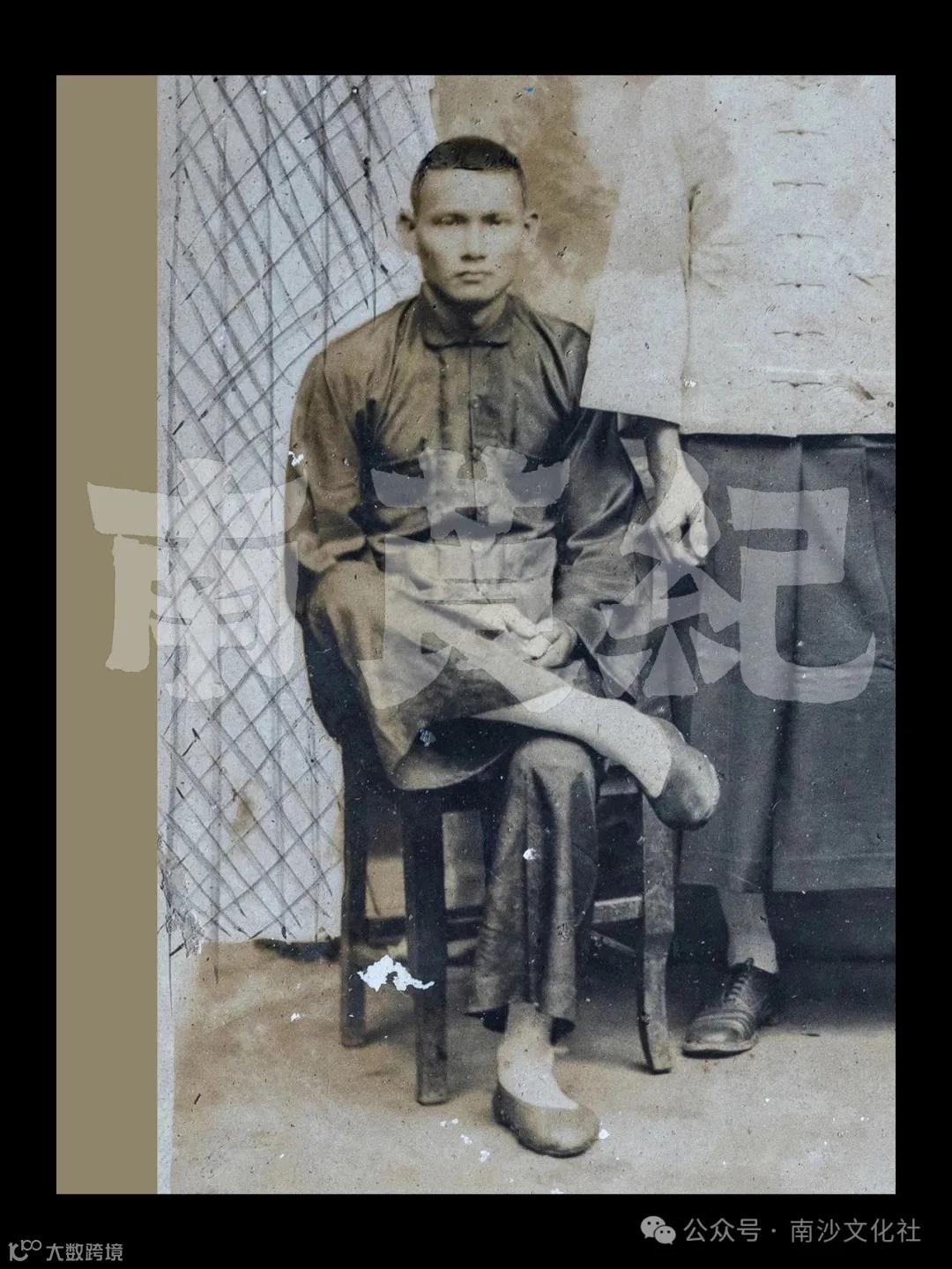
Upon close examination, I have identified that the first man on the left in the photograph is dressed in a complete Gambiered Guangdong Silk outfit, while the other five all wear Gambiered Guangdong Silk trousers. The fabric's sheen, drape, and distinct crease lines indicate that these garments were likely treasured possessions, reserved for important occasions. This observation aligns closely with records from the Panyu County Chronicles, which describe men commonly wearing traditional Chinese suits: "The upper garment is a short, stand-collar jacket with opposite fronts, typically featuring four external pockets and two or three internal hidden pockets, paired below with calf-length wide-leg trousers." This photograph thus serves as compelling evidence that by the 1930s, Gambiered Guangdong Silk had entered daily life in Nansha as respectable attire.
From a broader perspective, the Western-style backdrop of the photo studio, along with the subjects' orderly posture and solemn expressions, reflects the great significance they attached to this portrait. This further confirms that Gambiered Guangdong Silk was regarded within the social context of the time as a symbol of status worthy of such formal commemoration.
The discovery of this photograph not only pushes the confirmed history of wearing Gambiered Guangdong Silk in Nansha back over ninety years but also reveals profound historical and cultural significance in multiple dimensions:
It confirms the local consumption and production tradition of Gambiered Guangdong Silk in Nansha.
The presence of Nansha locals wearing Gambiered Guangdong Silk in the image indicates that the region had already developed mature craftsmanship and a consumer market for the fabric at the time, reflecting considerable local economic strength and aesthetic sophistication.It provides invaluable visual material for the study of clothing history and material culture.
The style, texture, and manner of wearing the garments in the photograph offer an authentic case study of men’s everyday formal wear in the Pearl River Delta region during the Republican period. It also exemplifies the integration of traditional craftsmanship with modern aesthetics.It bears witness to Nansha’s early openness to external influences and cultural integration.
The use of a Western-style photo studio as the setting itself suggests the degree to which Nansha had embraced foreign influences in the early 20th century, presenting a local landscape where agricultural traditions coexisted with modernization.It highlights the deeper cultural symbolism of Gambiered Guangdong Silk.
Gambiered Guangdong Silk is more than just a fabric—it is a symbol of Lingnan life memories and the prosperity of traditional handicrafts. The “people” and their “dignity of life” embodied in the clothing captured in this photograph breathe warmth into history and demonstrate the power of micro-narratives in local historiography.
The image of the "Six Gentlemen of Tingjiao" transcends mere documentation of clothing—it stands as a testament to the regional culture, economic life, and modernization of Nansha. What moves me most profoundly is the realization that Gambiered Guangdong Silk was never merely a fabric, but a vital symbol of the Lingnan way of life and the flourishing of traditional craftsmanship. What truly resonates with me in this photograph are the vibrant individuals behind those garments and the tangible dignity of lives once lived. It reaffirms my belief that history resides not only in grand narratives, but also in the crease of a trouser leg, the solemnity of a group portrait, and the unbroken legacy of artisans whose dedication has endured across generations.
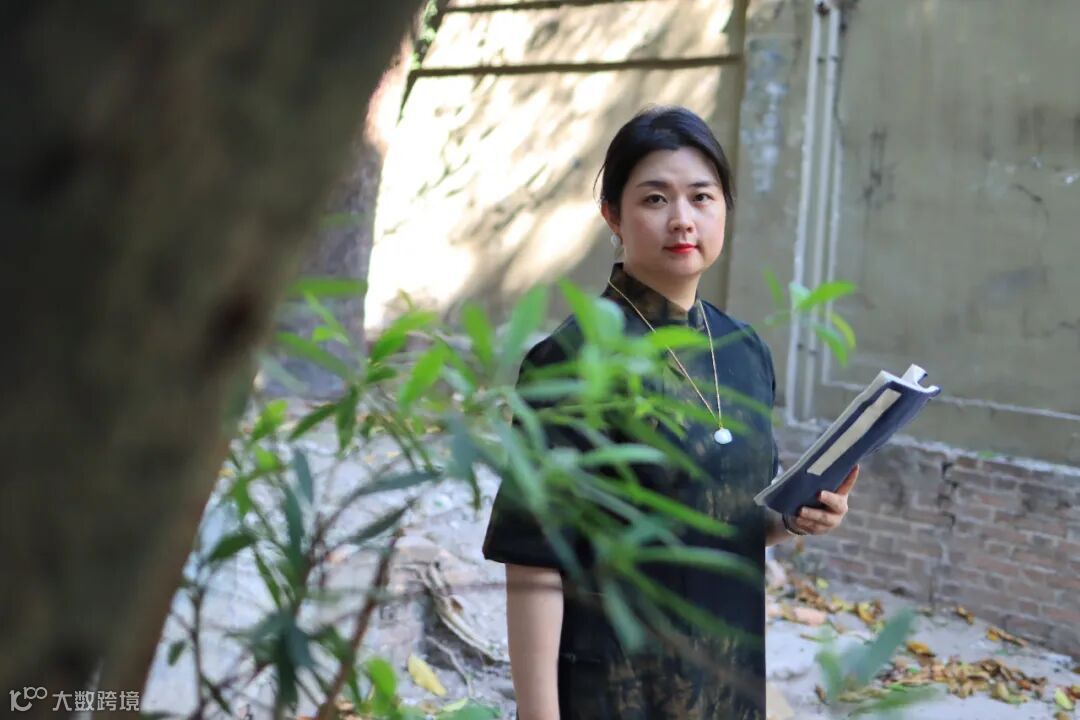
Researcher in Nansha Gambiered Guangdong Silk
Founder & Curator of Nanliangji (Nansha Gambiered Guangdong Silk Archive)

NALANGE CHRONICLES
Editor-in-Chief: Wang Xuan
Photographer: Xiao Tie
Calligrapher: Zhi Ming
Costumes: WURAY MIRACLE, YUNSHA STAR RHYME
Dedicated to promoting Xiangyunsha silk as China’s intangible cultural heritage.