

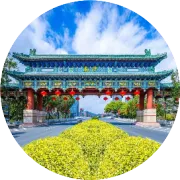

Harbour Subdistrict Profile
Gangwan Subdistrict, under the jurisdiction of Nansha District, Guangzhou City, Guangdong Province, is located in the eastern part of Nansha District. Its administrative boundaries extend to the Humen Waterway in the east, facing Shatian Town and Humen Town of Dongguan City; to the Fuzhou Waterway in the south, facing Longxue Street; to Huangshanlu and Dachong Metro Station in the west; to Jingang Avenue in the north; and to the Lingdingyang, the Pearl River estuary, at its southeastern end. In 2023, Gangwan Subdistrict was separated from Nansha Subdistrict. As of January 2025, Gangwan Subdistrict covers an area of 54.79 square kilometers and includes four islands. It administers eight villages, five communities, as well as the Huangshanlu Forest Farm and Nansha Demonstration Farm, with a total population of approximately 120,000 people. The subdistrict office is located at No. 133 South Gangqian Avenue. The name "Gangwan" (meaning "harbor") originates from the area's historical role as an anchorage for vessels as early as the Tang Dynasty, due to its prominent location at the river estuary.
The territory of present-day Gangwan Subdistrict was under Dongguan County from the Song Dynasty to the early years after the founding of the People's Republic of China.
From 1953 to 1958, it successively belonged to Zhuhai County and Zhongshan County as part of Wanqingsha.
In 1959, it was transferred to Panyu County along with the Wanqingsha Commune.
In 1961, it was separated from the Wanqingsha People's Commune and established as the Nansha People's Commune.
In 1984, the commune was abolished and replaced by an administrative district.
In 1987, the district was abolished and replaced by a town.
In 1993, Nansha Subdistrict of Panyu City was established and operated jointly with the Guangzhou Nansha Economic and Technological Development Zone Committee.
In 2005, Nansha Subdistrict was separated from the Guangzhou Nansha Economic and Technological Development Zone Committee, became an independent administrative entity, and was renamed Nansha Subdistrict of Nansha District, Guangzhou City.
In 2023, Gangwan Subdistrict was separated from Nansha Subdistrict and renamed Gangwan Subdistrict of Nansha District, Guangzhou City. On December 28, 2023, a meeting for cadres on administrative division changes in Huangge Town and Nansha Subdistrict of Nansha District, along with an unveiling ceremony for Gangwan Subdistrict, was held at the office building of Gangwan Subdistrict (No. 133 South Gangqian Avenue, Nansha District).
【Geographical Setting】
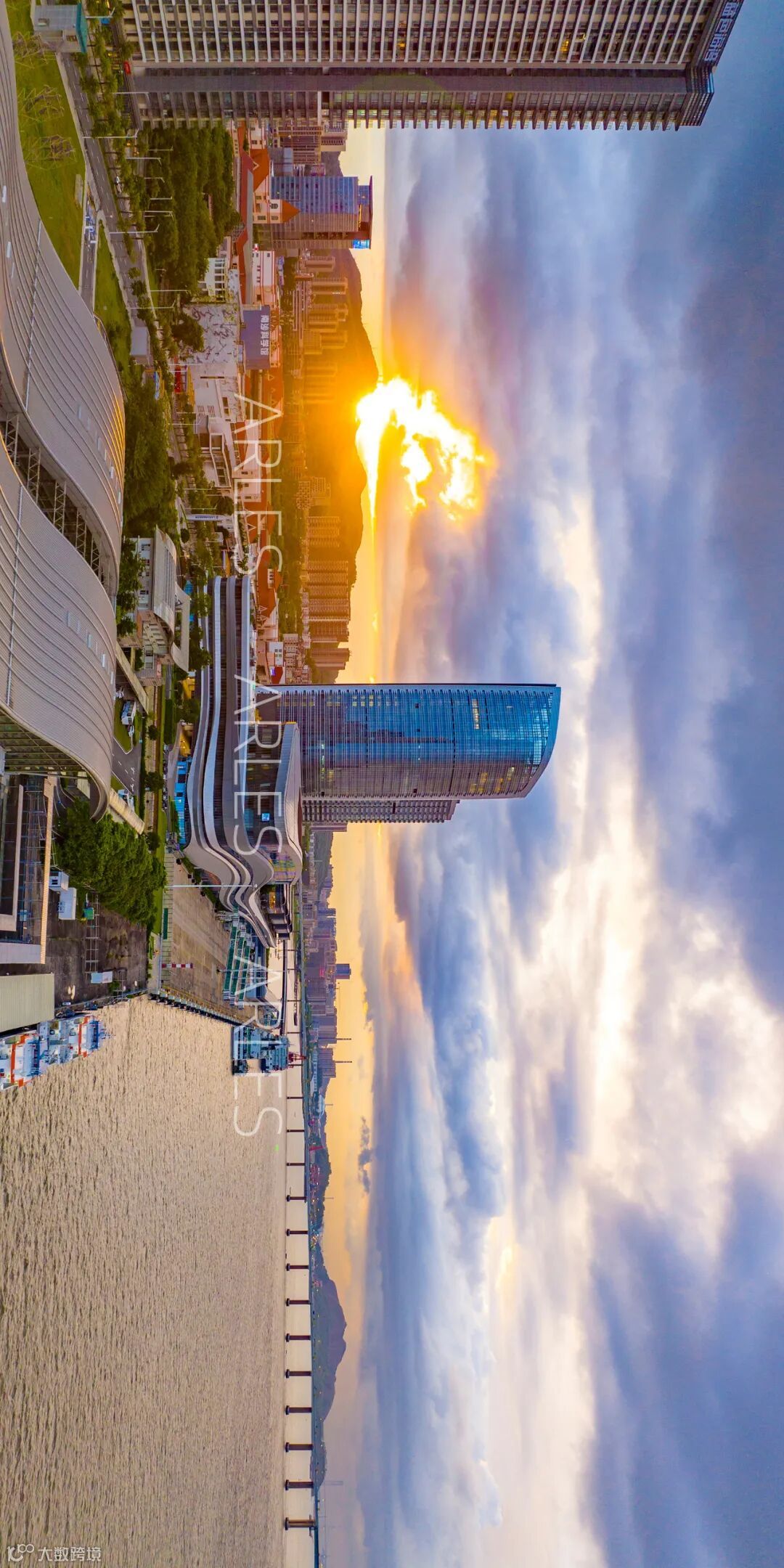
Gangwan Subdistrict is located in the eastern part of Nansha District, Guangzhou, on the western bank of the Humen Waterway at the Pearl River Estuary. Its administrative boundaries extend east to the Humen Waterway, facing Shatian Town and Humen Town of Dongguan City; south to the Fuzhou Waterway, facing Longxue Subdistrict; west to Huangshanlu and Dachong Metro Station; north to Jingang Avenue; and southeast to the Lingdingyang at the mouth of the Pearl River.
Gangwan Subdistrict covers an area of 54.79 square kilometers and includes four uninhabited islands: Fuzhou, Jinsuopai, Shanghengdang Island, and Xiahengdang Island.
【Administrative Divisions】
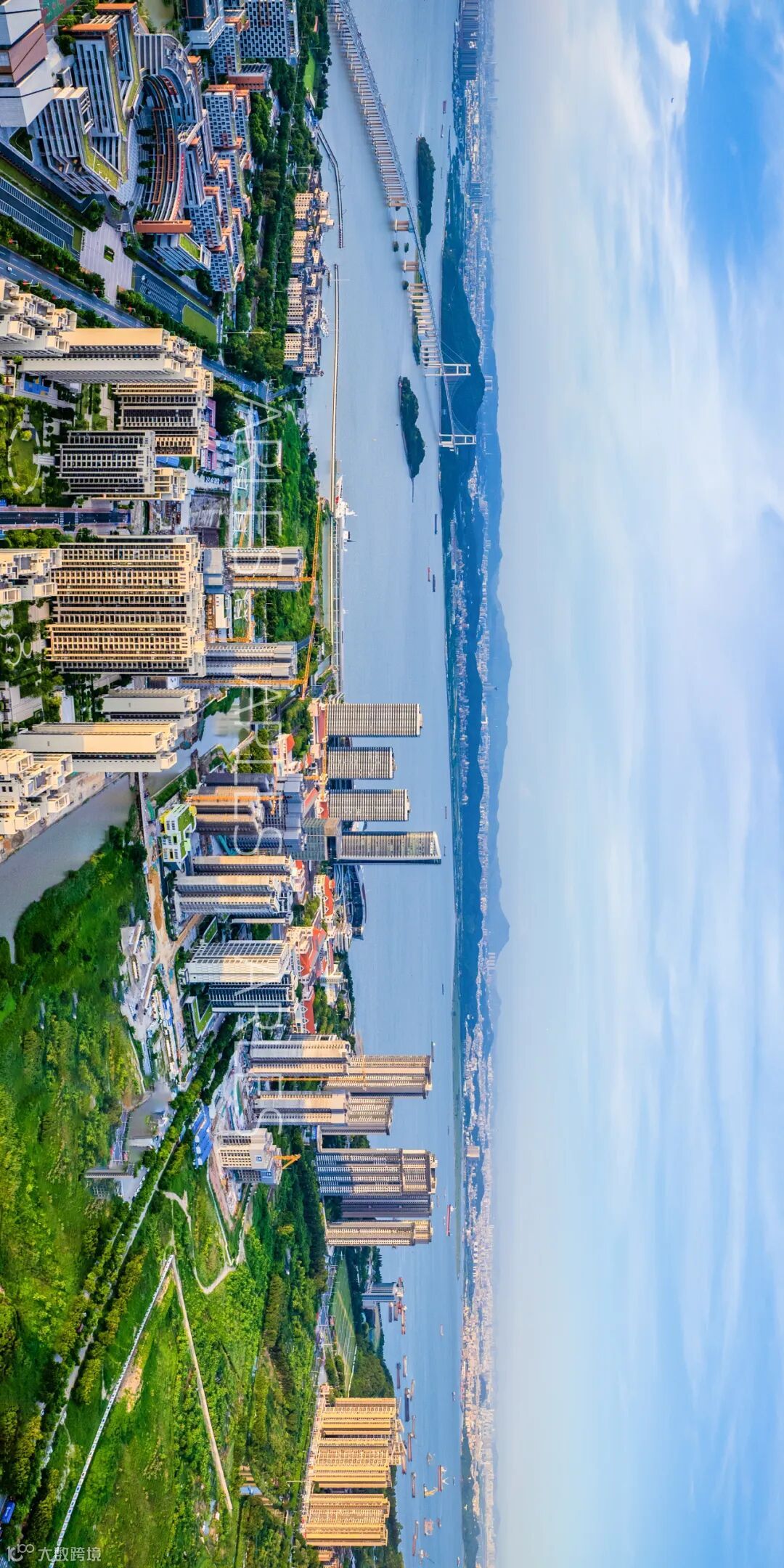
As of January 2025, Gangwan Subdistrict administers 8 villages (Lujing Village, Nanheng Village, Luwan Village, Shenwan Village, Tangkeng Village, Dalingjie Village, Jiuwangmiao Village, Dongjing Village), 5 communities (Nansha Community, Hongling Community, Nanbeitao Community, Haiwan Community, Puzhou Community), as well as the Huangshanlu Forest Farm and Nansha Demonstration Farm.
The Subdistrict Office is located at No. 133 South Gangqian Avenue.
【Population】
As of January 2025, Gangwan Subdistrict has a total population of approximately 120,000, comprising 52,000 registered residents and 67,000 migrant residents.
【Tourist Attractions】
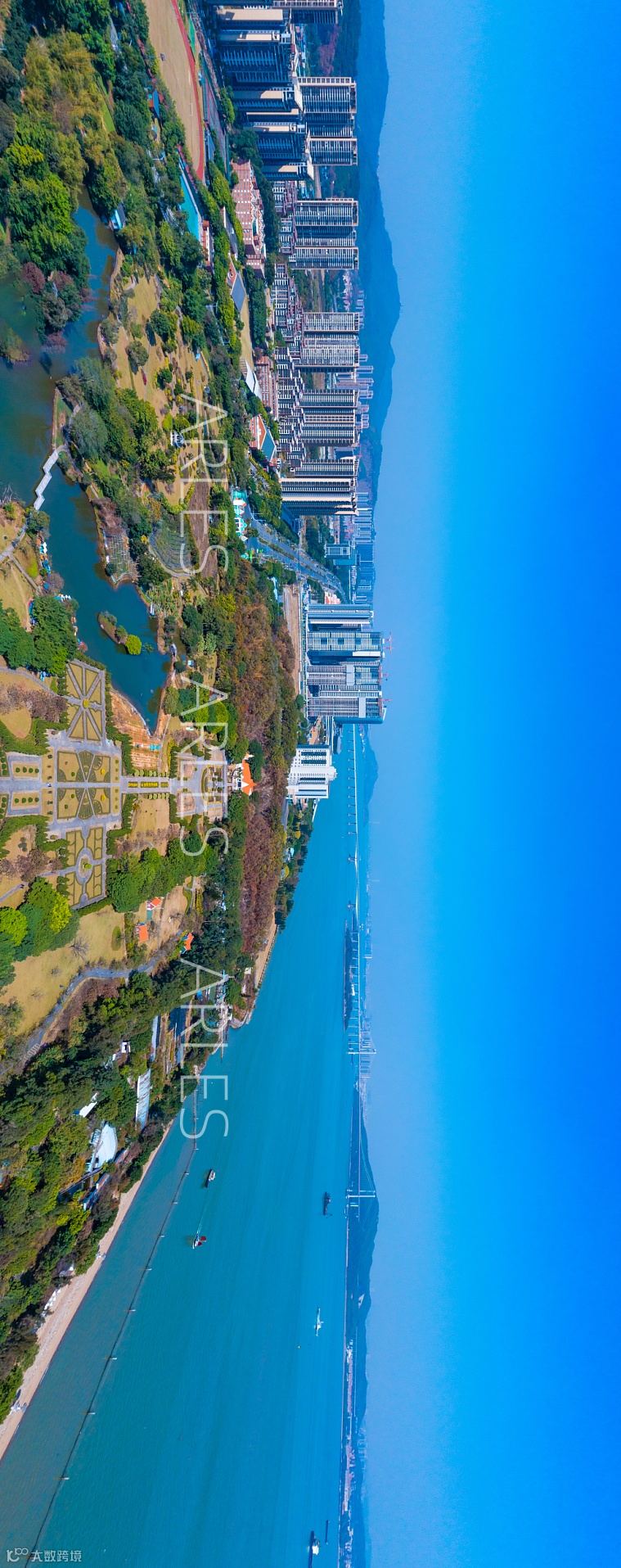
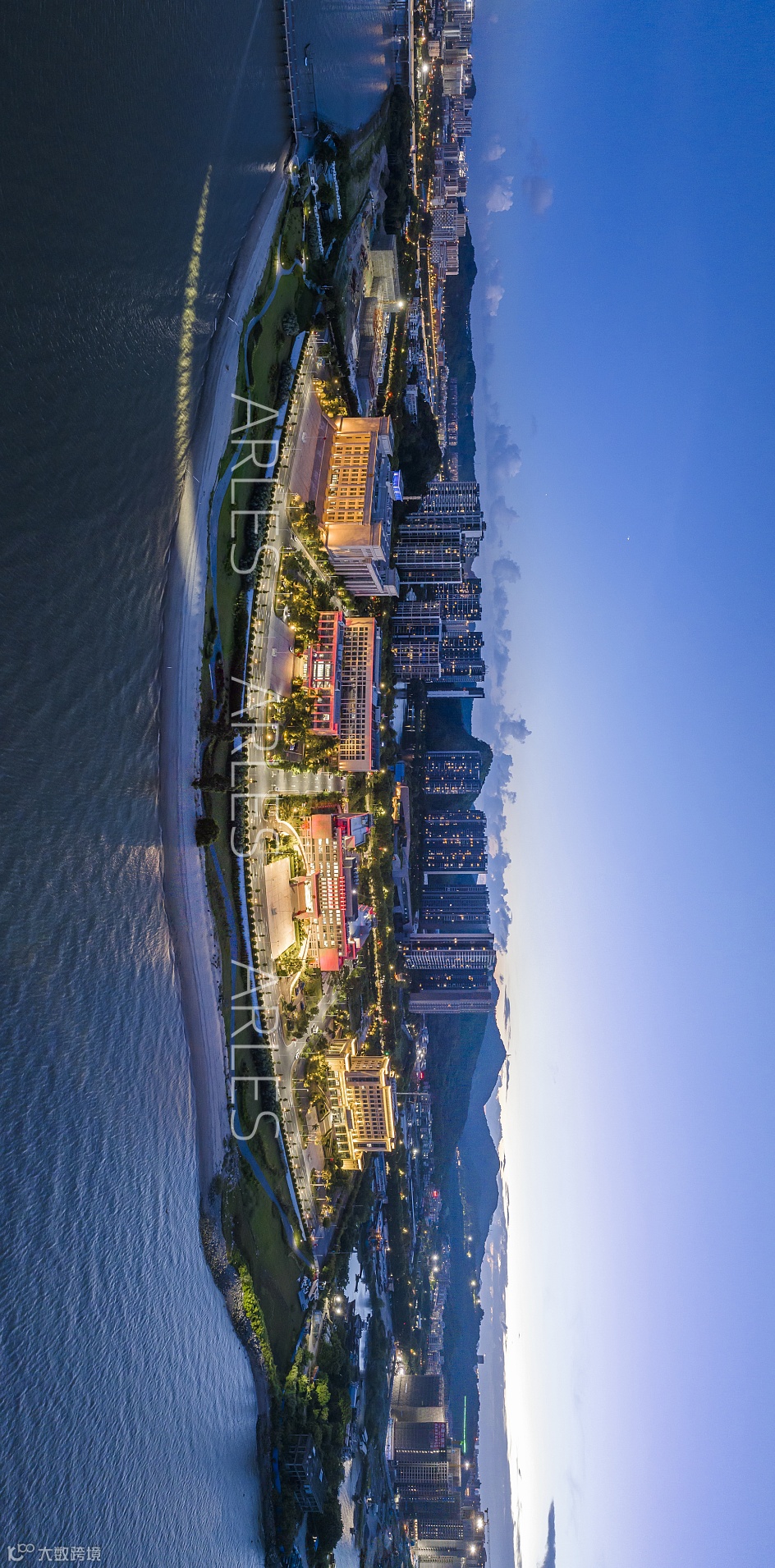
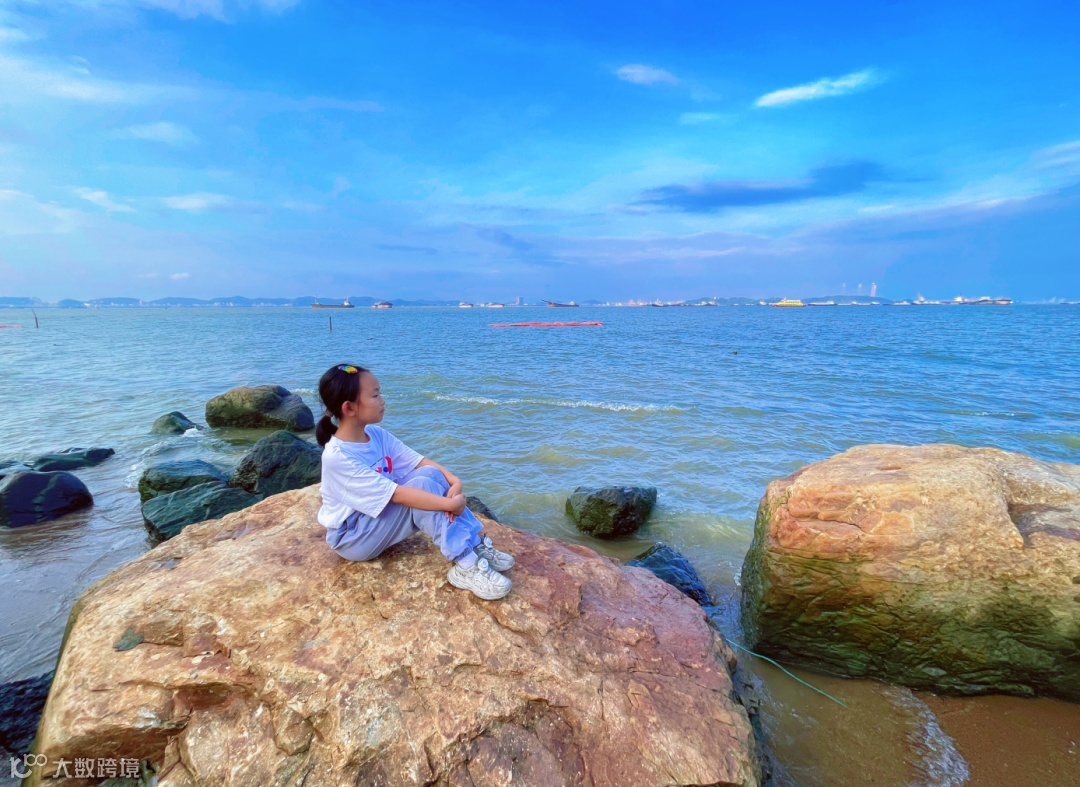
Gangwan Subdistrict is endowed with the natural advantage of Huangshanlu Forest Park, a lengthy coastline, and a harmonious integration of mountains, waters, forests, farmland, and sea. Ecological corridors, coastal greenways, and urban trails are easily accessible within the area. The subdistrict is home to two major leisure parks—Puzhou Garden and Binhai Park—as well as greenways including the Humen Waterway Greenway, Fuzhou Waterway Greenway, and Baihuitian Reservoir Greenway, spanning a total of 20 kilometers. These form a natural ecological corridor with clear waters, green banks, and thriving aquatic life; a cultural and leisure pathway that preserves a sense of hometown nostalgia while promoting health and well-being; and a vibrant waterfront economic belt supporting high-quality development.
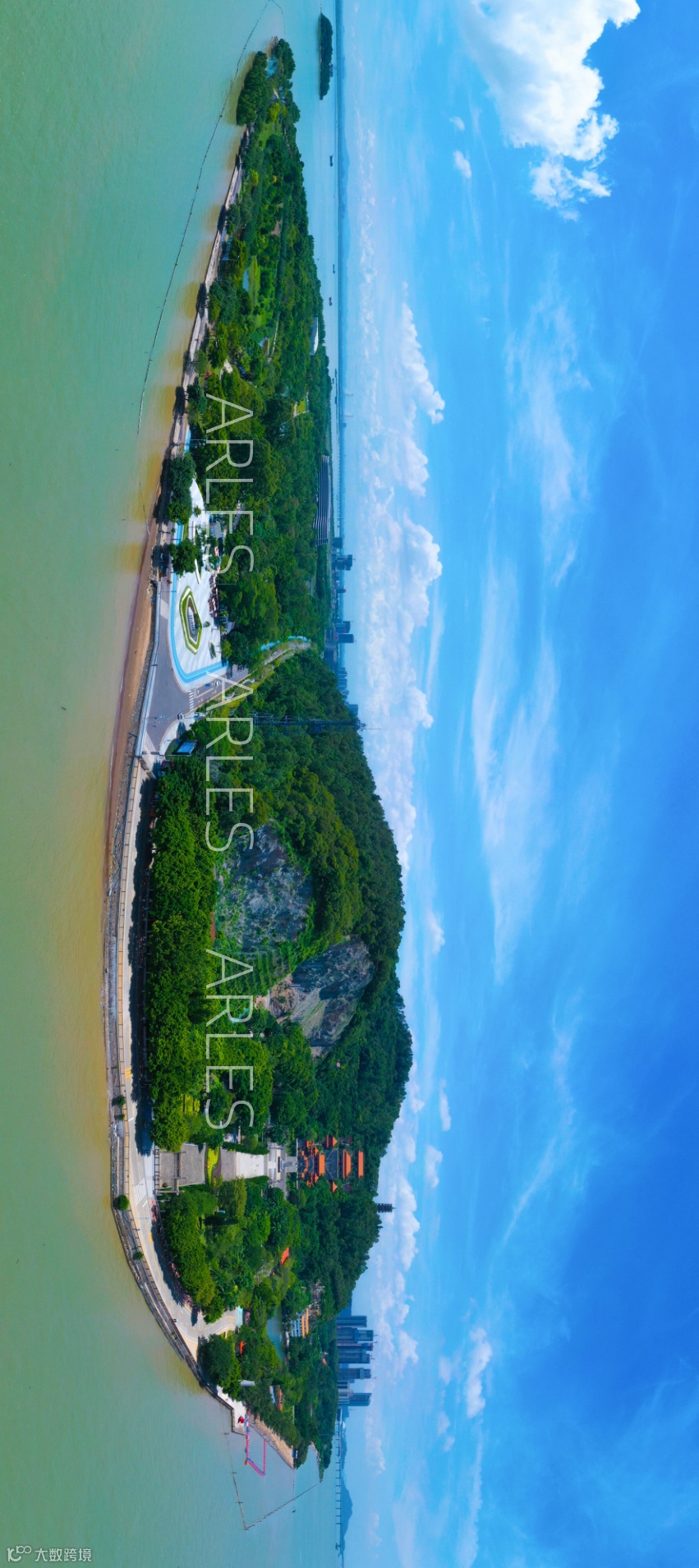
Nestled at the southeastern foot of Dajiao Mountain in Gangwan Subdistrict, the Nansha Tianhou Palace overlooks the Lingdingyang. It is the largest Mazu Temple in Southeast Asia and is renowned as the "Finest Tianhou Palace under Heaven." The architectural complex is built tiered along the mountain slope, blending the solemn layout of Beijing's Forbidden City with the majestic grandeur of Nanjing's Sun Yat-sen Mausoleum, with main halls arranged in an orderly yet dynamic manner. Key features include a 14.5-meter-high statue of Tianhou, carved from 365 pieces of granite symbolizing her daily protection, and the 45-meter-high, eight-story Nanling Tower, which offers panoramic views of the Pearl River estuary. Originally the site of a Tianfei Temple from the Ming Dynasty, the palace was reconstructed in the style of Qing-era official architecture. Its magnificent halls, set against a backdrop of sea and mountains, form a breathtaking cultural landmark.
【History and Culture】
Lineage Culture:
During the Ming and Qing dynasties, the geomorphology of the area rapidly took shape, marked by prosperous land reclamation for silting fields. Local gentry actively participated in the development and management of these silt fields through the Dongguan Minglun Hall, fostering a unique lineage culture. This culture was intertwined with both imperial military garrison systems and the formation of familial alliances as settlements evolved across land and water. Tangkeng Village is a prime example, where preserved ancestral halls, temples, and steles (such as those from the Jiaqing reign period) clearly document the Zhu family's involvement in silt field management and the establishment of a powerful lineage system.
Maritime Silk Road Node:
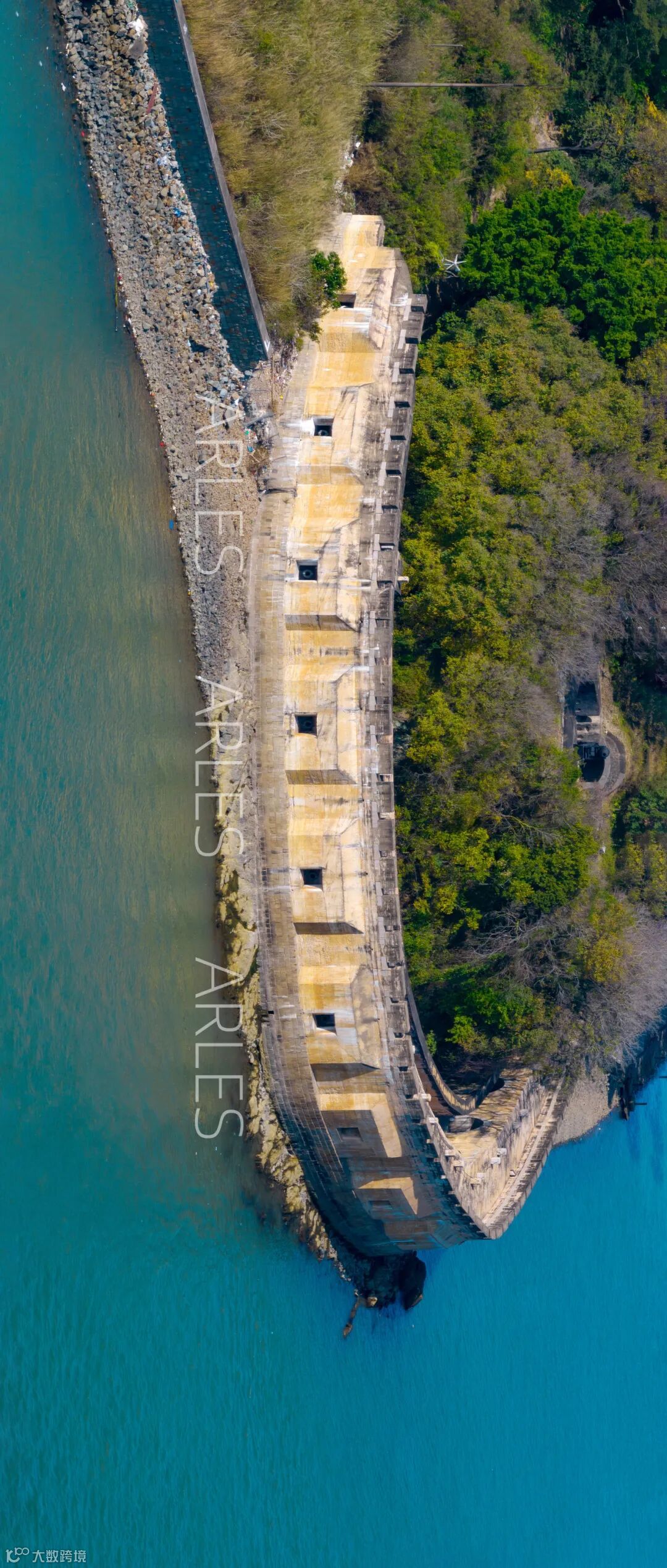
As part of the radiation zone of the Pearl River's largest estuary, the area was not only one of Guangzhou's earliest human habitats but also a crucial hub along the Maritime Silk Road. During the Kangxi reign, the Yue Customs established a tax office at Humen, which, together with the Humen Fortress, strictly regulated merchant ships, helping establish Guangzhou as the sole authorized port for foreign trade during the Qing dynasty. Rich historical remains—such as the Shanghengdang Island pier, the ancient Tianhou Temple, and old wells—attest to its status as an ancient port. As a main battlefield of the First Opium War (including engagements at Chuanbiyang, Dajiaoshajiao, and Hengdang), the area embodies a spirit of national resistance, preserved today through the Nansha Humen Fortress Patriotic Education Base. In modern development, Mr. Huo Yingdong overcame challenges posed by muddy shores and quarries, laying the foundational groundwork for landmark projects like the Humen Bridge, Nansha Passenger Port, and the technology park, which became vital to Nansha's modernization.
【Commercial Hubs】
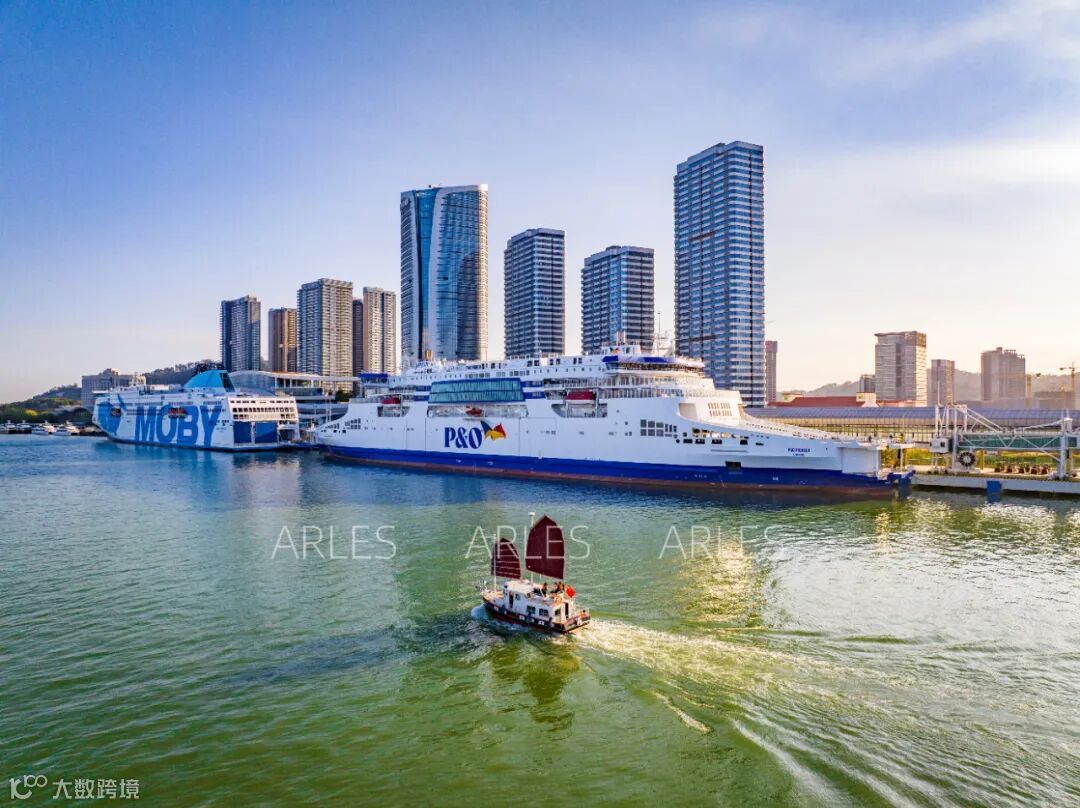
Gangwan Subdistrict has established the CCCC International Cruise Plaza as its core commercial hub. Leveraging the Asia-class cruise home port (with an annual passenger clearance capacity of 750,000), it has developed Guangzhou’s first “seaview mall.” The landmark architecture, inspired by the form of a whale-shaped vessel, and its 1.6-kilometer stepped coastline design enhance its iconic status. The business district focuses on cruise-themed dining, duty-free shopping, and night economy offerings—such as the upscale club Fenghai Hui—filling a gap in high-end commercial services in Nansha Bay. By integrating coastal cultural and tourism resources, it has formed a hub-type economic engine driven by the synergistic development of “cruise + commerce.”
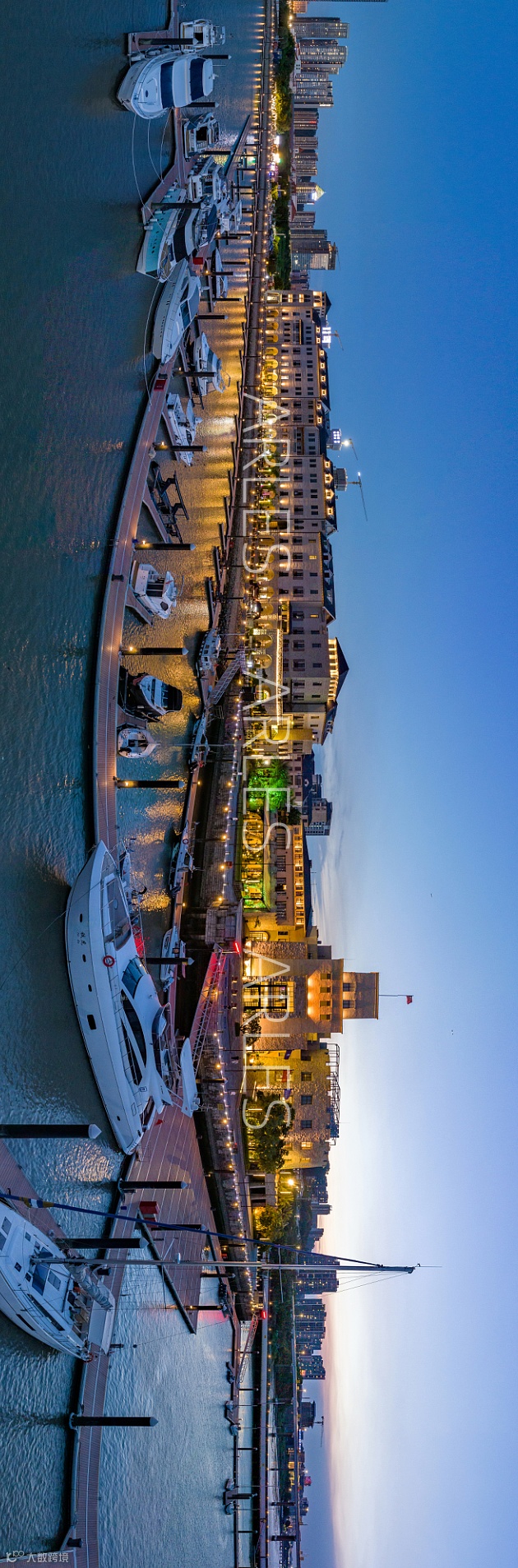
Shi'ao Quarter, a 55,000-square-meter commercial complex with Southeast Asian-themed architecture, and the Nansha Yacht Club, a premium marine leisure hub, are deeply embedded in the business ecosystem. Shi'ao Quarter enhances the cultural tourism experience through its retro architecture and specialty dining, while the Nansha Yacht Club offers waterfront social spaces, wedding and banquet services, and serves as a filming location—featured in movies such as The Mermaid. Together, these elements form an integrated “cruise + commerce + tourism” ecosystem, advancing the vision of building a top-tier coastal leisure and consumption destination in the Guangdong-Hong Kong-Macao Greater Bay Area.
Gangwan Subdistrict leverages its core location in Nansha Bay and 20 kilometers of coastline resources to develop high-end coastal residential areas. A representative project, the CCCC International Cruise Plaza, integrates a cruise home port, sea-view apartments, and theme hotels, forming a "cruise + commerce + residence" ecosystem. Meanwhile, Shi'ao Quarter blends a 55,000-square-meter Southeast Asian-style commercial complex with high-end residential offerings, enhancing cultural and tourism experiences.
Property designs emphasize sea views and smart technology. Innovative elements such as split-level terraces and three-sided lighting glass curtain walls—exemplified by projects like Huafa Zhuhai Bay in the adjacent area—reflect modern coastal living concepts.
High-Quality, Concentrated Educational Resources:
The subdistrict boasts a well-developed education network, currently comprising 12 primary and secondary schools and 22 kindergartens. Public schools account for 61.19% of student placements, and inclusive kindergartens cover 88% of preschool education needs. Prestigious institutions include Guangzhou No. 2 High School Nansha Tianyuan Campus, Yingdong Middle School, and Nansha Primary School.
By 2025, efforts to universalize preschool education will continue, with Luwan Village selected as a provincial-level model village for development. Additional projects, such as the new Wulonghui Campus of Chengzhong Primary School, will further strengthen the basic education framework, meeting schooling needs for all age groups.
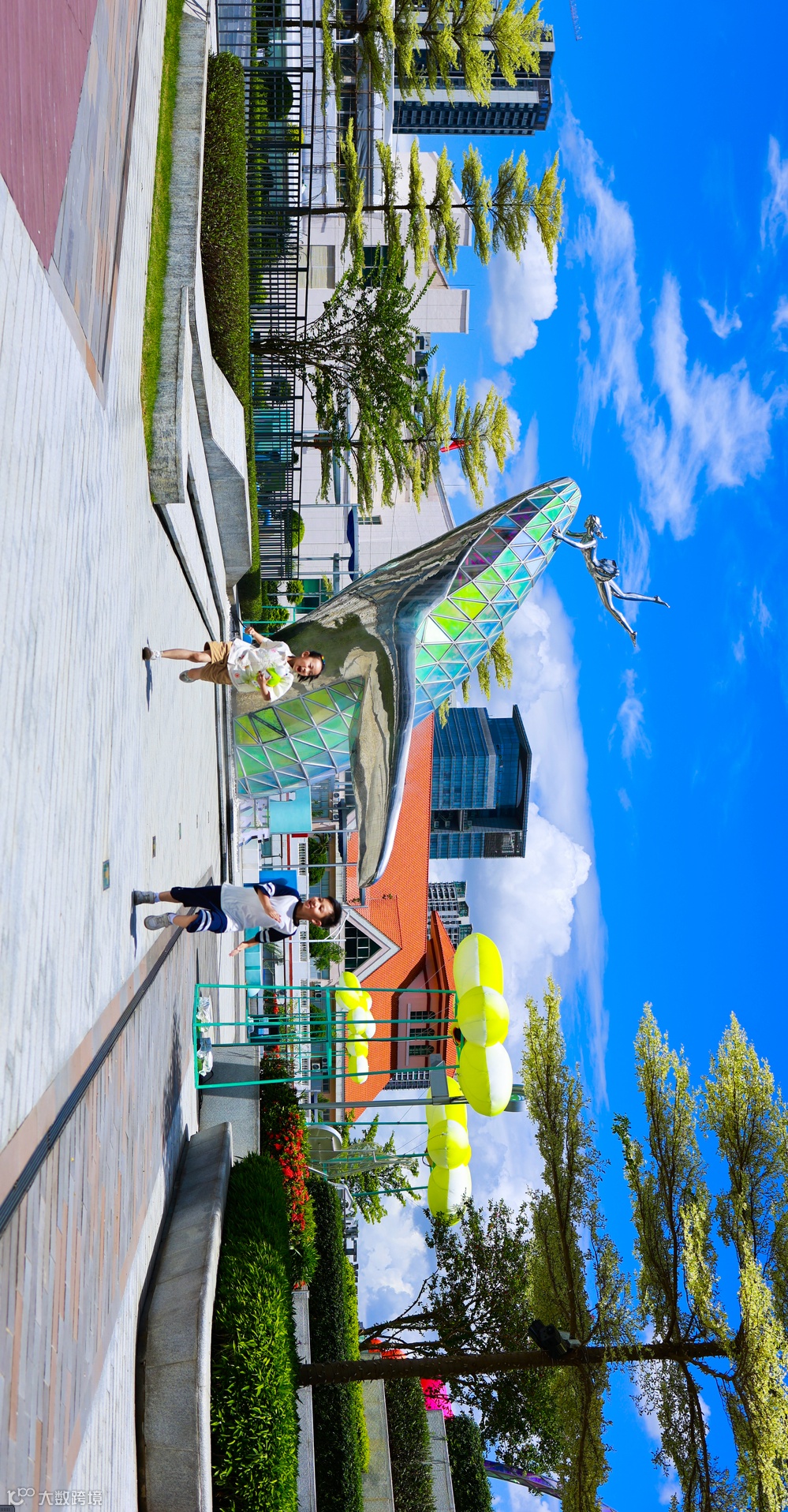
In January 2025, Gangwan Subdistrict was honored with the Guangzhou Top Ten Charming Towns and Subdistricts Award.
Produced By: Nansha Cultural Society
Editor: Xuan Wang
Photography: Xiaotie Chen
Contact Us: 1399229194@qq.com