


Overview of DongChong Town
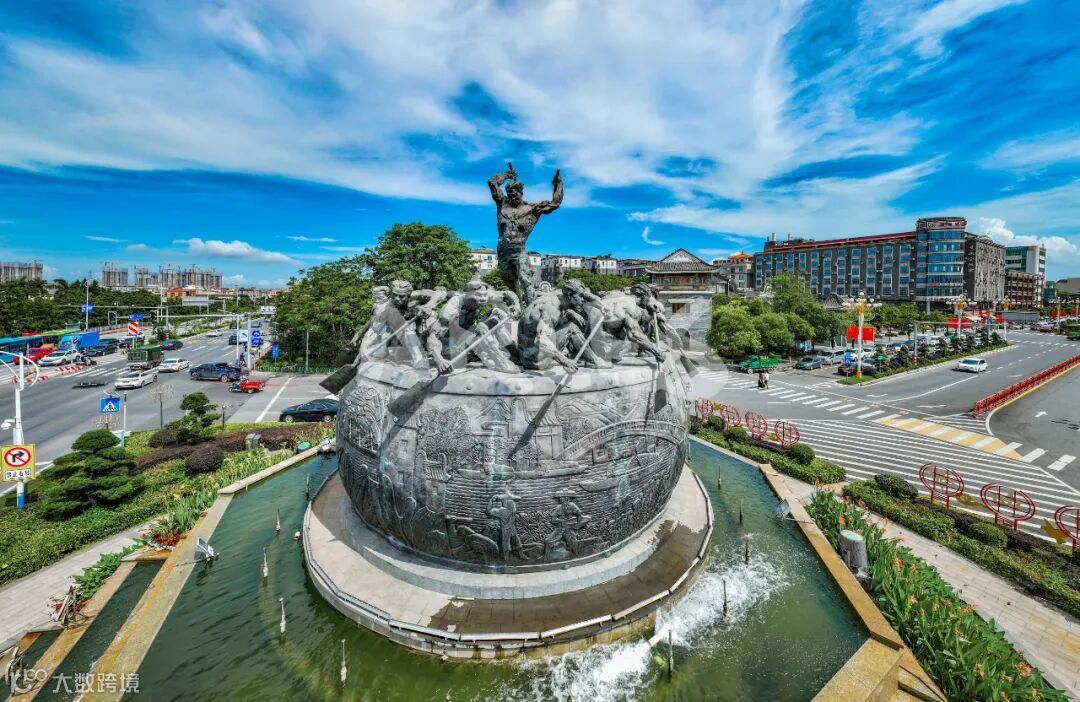
Prior to the Song Dynasty, the Dongchong area was a shallow sea. During the mid to late Southern Song Dynasty, sediments carried from the upper reaches of the West River and North River accumulated here, blocked by seawater, gradually forming sandbars.
In the sixth year of the Shaoding era of the Song Dynasty (1233), the He clan from Shawan, Panyu, purchased Wushadian (now covering the areas of Taishi Village, Datong Village, and Xiaowu Village), marking the beginning of cultivation and settlement on these sandbars.
During the Ming and Qing dynasties, most of what is now Dongchong was under the jurisdiction of the Shawan Division of Panyu County (while Changmo Village was then part of Xiangshan County). Entering the Republican period until the early years of the People's Republic of China, the area belonged to the First District of Panyu County.
In March 1959 and July 1961, the Yuwotou People's Commune and the Dongyong People's Commune were established successively, both under Panyu County. In July 1959, Changmo Village, originally part of Xiangshan County, was incorporated into the Yuwotou Commune.
In January 1984, the system of communes was abolished and replaced by districts. In April 1987, the districts were further reorganized into towns.
In January 2006, Yuwotou Town and Xiqiao Village of Lingshan Town were merged into Dongchong Town, significantly expanding its administrative area.
In December 2012, Dongchong Town was transferred from Panyu District to the jurisdiction of Guangzhou's Nansha District, establishing the current administrative structure.
【Geographical Setting】
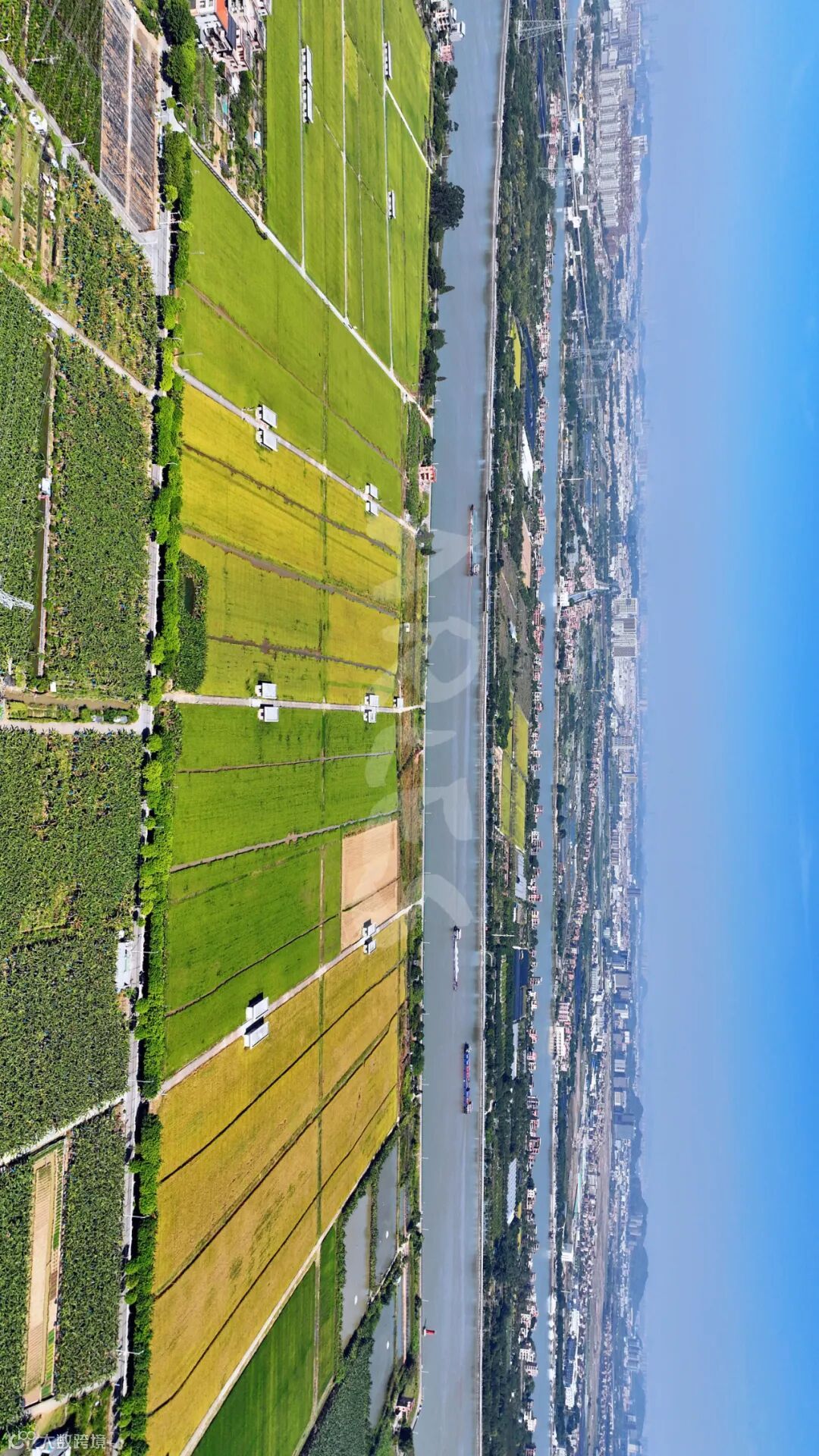
Located south of the Tropic of Cancer, Dongchong Town experiences a South Asian tropical maritime monsoon climate characterized by generally mild conditions, abundant sunshine, and synchronized rainfall and heat. The area maintains an annual average temperature of 22.7°C and receives approximately 1,617.6 mm of precipitation. Summer, dominated by southeastern monsoons, concentrates the majority of rainfall, while winter is primarily influenced by northern winds. This pattern creates distinct features of long, warm summers and short, humid winters, providing exceptional natural conditions for agricultural production.
Benefiting from these favorable climatic conditions, Dongchong's agriculture has undergone continuous transformation and optimization. From the Southern Song Dynasty to the late Qing Dynasty, the focus was on cultivating salt-tolerant and flood-resistant rice varieties. During the Republican era and the early years of the People's Republic of China, agriculture evolved into a diversified model integrating rice, sugarcane, bananas, and fish pond farming. Since the 1990s, significant structural adjustments have been implemented, substantially reducing rice and sugar cane cultivation in favor of expanding fruit sugarcane, aromatic (large) bananas, vegetables, flowers, and high-quality fish pond aquaculture. This shift has established fruit sugarcane, fruits, vegetables, and flowers as pillar industries, while fostering a range of branded local specialties such as Dongchong fruit sugarcane, Dongchong papaya, and Xiqiao hairy gourd.
【Tourist Attractions】
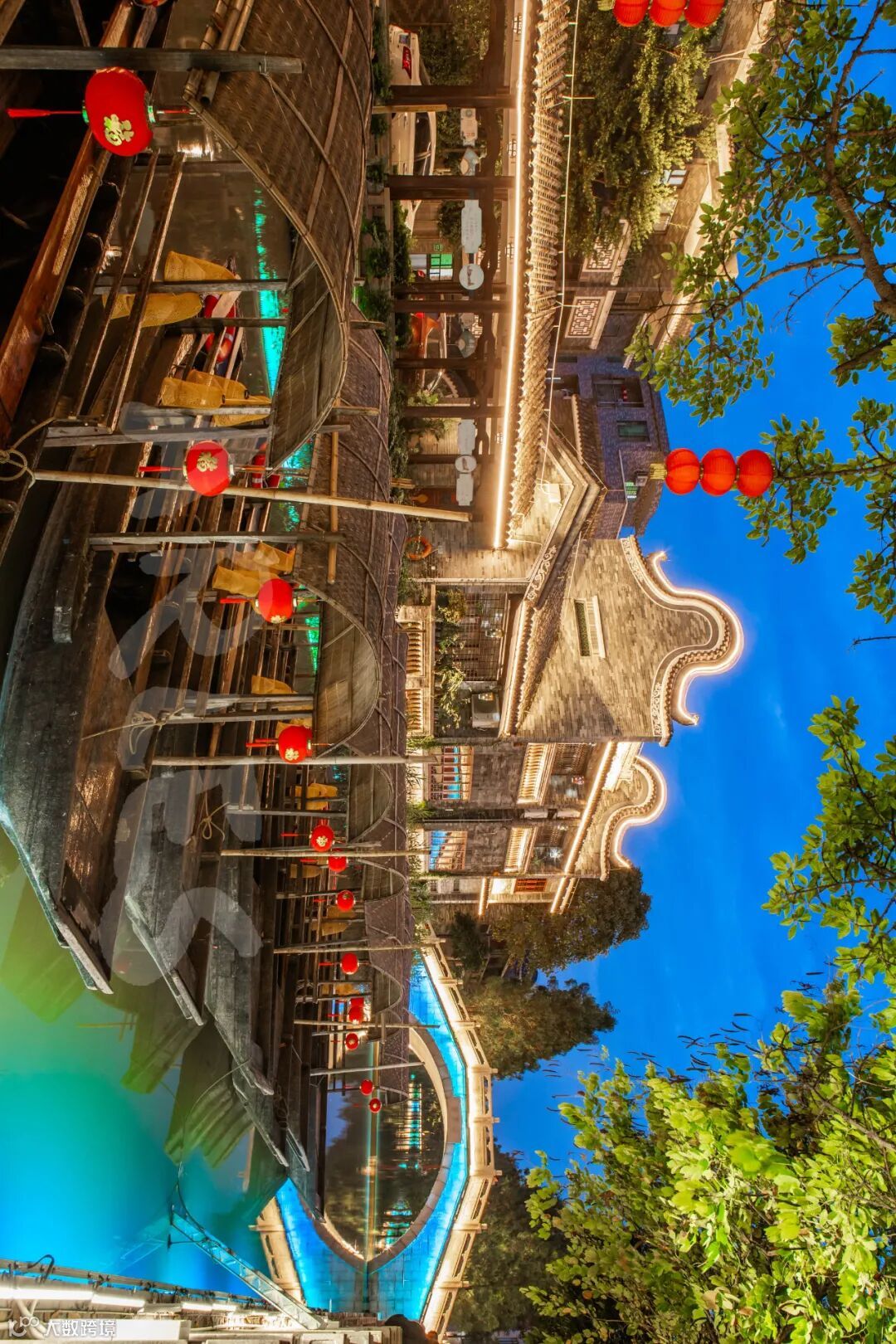
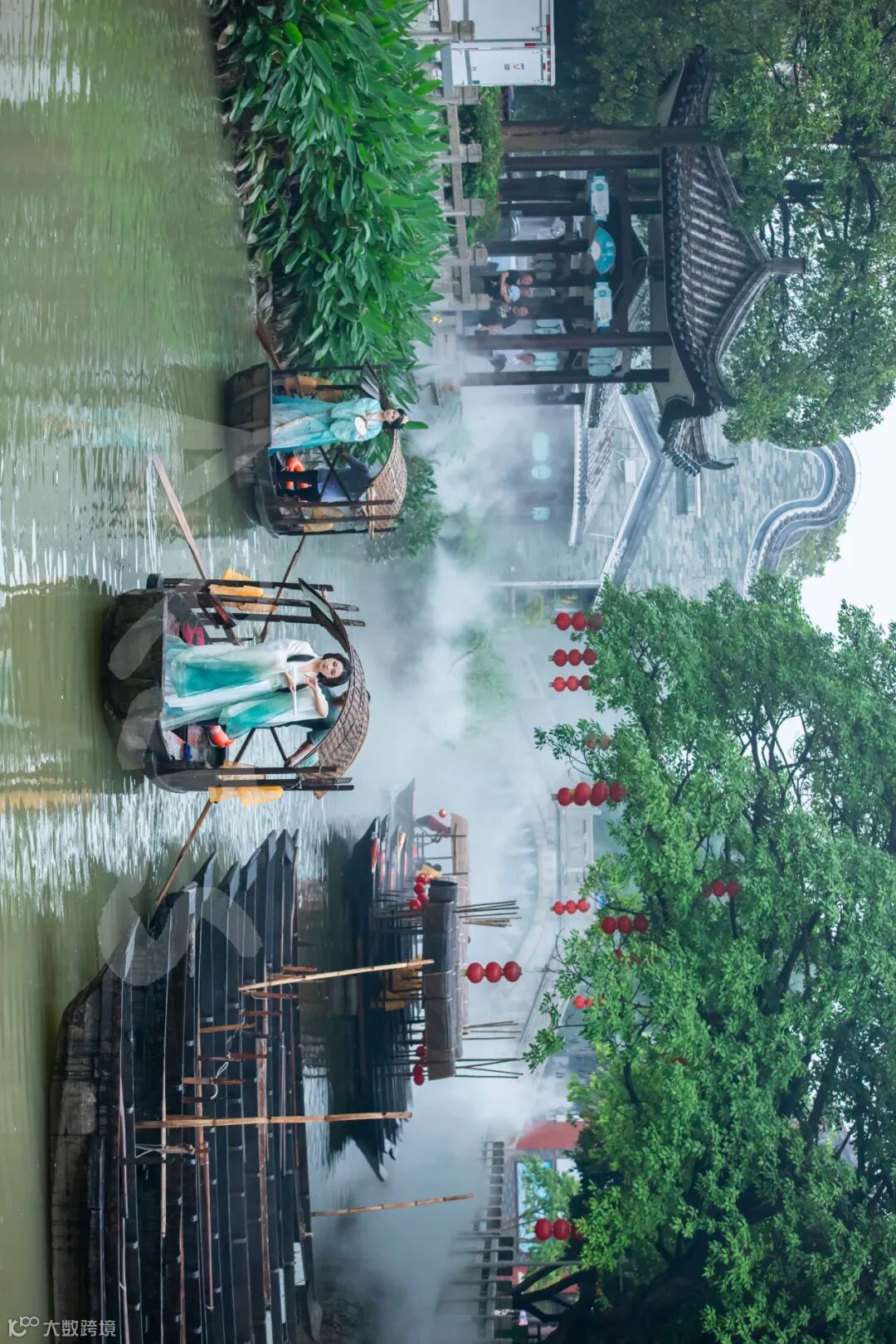
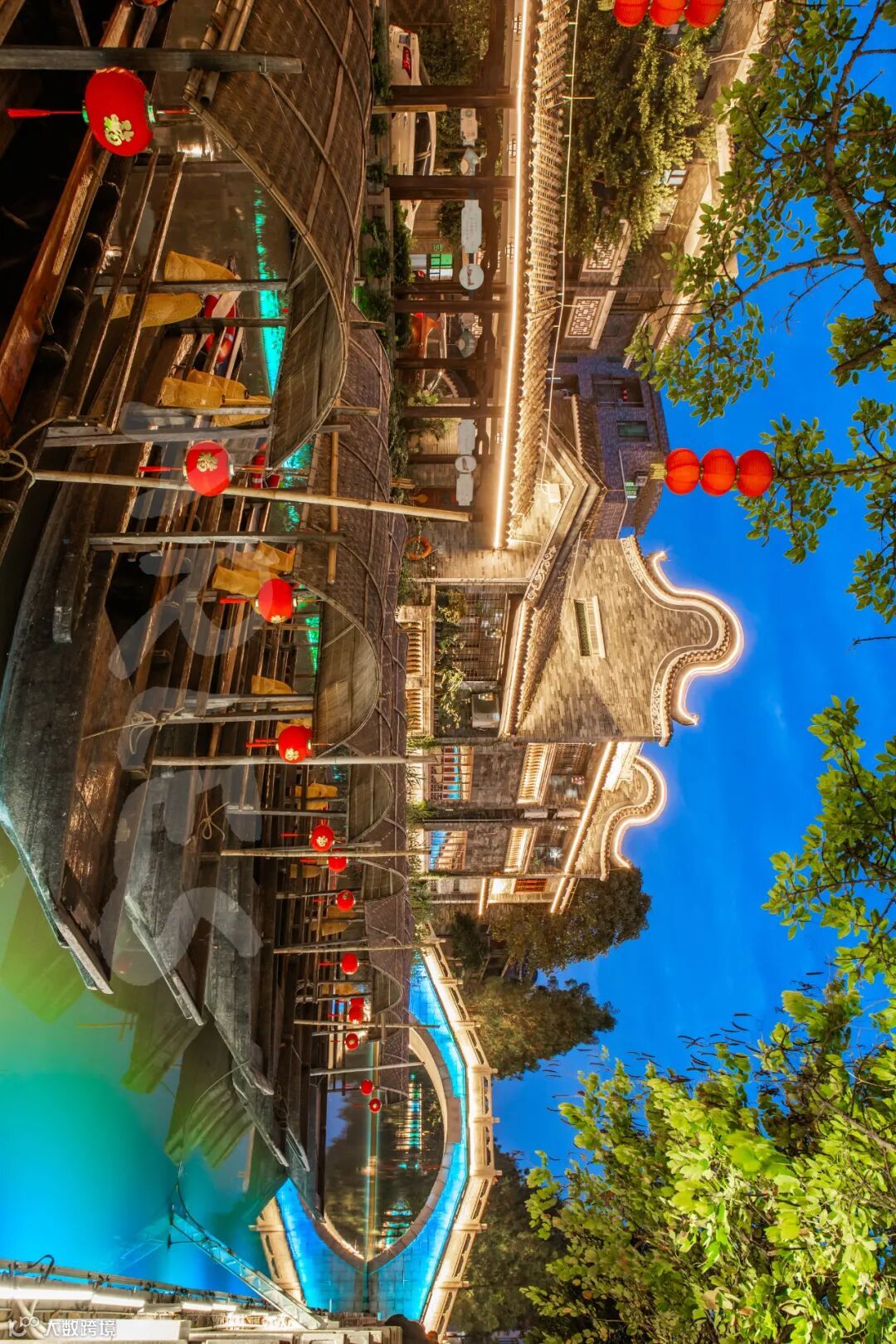
Dongchong Town is a characteristic Lingnan water town where tourism centers around rich aquatic scenery and serene rural landscapes. The most iconic spot is the Dongchong Water Town Folk Street, featuring traditional black-brick houses and stone arch bridges spanning the canals. Visitors can glide through waterway greenways on black-canopied boats, soaking in the serene vista of "small bridges, flowing water, and homesteads," and explore the Water Town Folk Museum to discover the unique Danjia culture. Adjacent to it, Dawen Village complements the experience with its renowned melon-and-fruit trellis corridors and pristine rural scenery, forming an ideal destination for immersive water town life.
Beyond classic aquatic views, Dongchong has actively developed diverse pastoral and rural leisure projects. At Make Ecological Park, families can enjoy interactions with adorable animals and children’s playgrounds, while Guantan Agricultural Park attracts photo enthusiasts with its stunning seasonal flower fields, such as colorful rapeseed blossoms. For those seeking deeper engagement, Shude Culture and Tourism Town—a revitalized industrial complex—integrates cultural creativity, farm experiences, and themed markets. Equally unmissable is the vibrant bougainvillea wall in Wanzhou Village during the flowering season.
To enrich the travel experience, visitors can follow themed routes: those fascinated by water town culture may opt for the "Danjia Cultural Tour," connecting Dongyong Water Town and Dawen Village; families can embark on a "Parent-Child Study Tour" to Make Ecological Park and Shude Town; while outdoor enthusiasts will find "Camping Tours" at professional sites like Xiqiao Village.
Complementing the journey, Dongchong’s local cuisine and convenient transportation add further appeal. Must-try dishes include Danjia-style "Chengn Fen" (rice noodle rolls) and fresh pan-fried assorted fish, while specialties like Dongchong fruit sugarcane make excellent souvenirs. Accommodation ranges from business hotels in town to unique overnight stays in water town homestays at Dawen Village or campsites in Xiqiao Village. Easily accessible via the Qingsheng Station on the Guangzhou-Shenzhen-Hong Kong High-Speed Rail, Dongchong invites travelers to embark on an unforgettable water town getaway.
【History and Culture】
I. Alluvial Land Culture and the Epic of the Dan People
The origins of Dongchong's cultural lineage trace back to an epic of alluvial land reclamation written by the Dan people. While this land was initially owned by powerful clans such as the He family from Panyu's Shawan and the Su family from Shunde's Bijiang, the true pioneers were the marginalized Dan people, who lived for generations on boats. It was these ancestors, who "could not name their last three generations," that transformed the sea into fertile land through land reclamation, laying the foundation for the agricultural civilization of the Pearl River Delta. Historically, although Dan people who settled on land might form clans over generations, their hard-won land rights were often stripped away in earlier times, leaving them in difficult circumstances. It was not until modern times, under the leadership of the Communist Party of China, that the Dan people of Dongchong truly became masters of the land through struggles such as "anti-reclamation and anti-sand protection," and under the new system. Their contributions form an indispensable chapter in the history of Nansha.
II. Industrial Culture and the "Sweet Economy"
Modern Dongchong nurtured a unique industrial culture, exemplified by the Yuwotou Sugar Factory. Originating from the Fulong Sugar Factory established during the Japanese puppet period, this enterprise was a pillar of local finances until the 1980s. Its success was rooted in Dongchong's natural conditions, suitable for sugarcane growth, and its strategic location along the Yuwotou River, which served as a water transport hub with access in all directions. From 1954 to 1992, the sugar factory formed a precise social collaboration with farmers and water transport: farmers supplied the raw materials, boat operators handled transportation, and the factory operated around the clock. This cooperative model of "production-marketing equilibrium" was a paradigm of industry-agriculture integration during the planned economy era. The sugar factory eventually ceased operations in 2000 during the transition to a market economy and was restructured, but it stands as a complete witness to the industrialization and social transformation of the Nansha region.
III. Red Culture and Steadfast Loyalty
Dongchong's history holds not only sweetness but also the steadfast loyalty forged in the flames of war. In 1936, the Whampoa Military Academy established a training point in Yuwotou here, which not only trained officers but also armed the peasant self-defense forces. In 1939, the local self-defense forces engaged in a fierce seven-day battle against over a thousand invading Japanese puppet troops at Xili Yongkou and other locations. Although they eventually had to retreat due to being outmatched, they demonstrated an indomitable spirit of resistance. In 1944, twelve guerrilla fighters of the Dongjiang Column were captured in battle against puppet troops and heroically executed at the Dongchong Shipai School. According to records, there were 19 military relics such as watchtowers and blockhouses in the area, silently testifying to the unwavering spirit of the Dongchong people who stood up to protect their homeland in times of national crisis.
IV. Architectural Heritage and Historical Witness
Dongchong's watchtower and Butterfly Building are two landmark architectural heritage sites, bearing rich historical significance.
The Dongchong Watchtower, built in 1938 by the sand field protection team responsible for managing the alluvial lands, is strategically located at the confluence of the Nanyong and Haoyong rivers. It served both as a geographical center and for controlling waterways. After restoration, it now operates as a patriotic education base open to the public.
The Butterfly Building, constructed in 1943, initially served as the office building for the Yuwotou Sugar Factory. It holds significant architectural artistic value, featuring residential characteristics at the front, while the back is dominated by a cylindrical watchtower with gunports. This structure perfectly integrates residential and military defense functions, serving as an important physical relic for studying the fusion of Chinese and Western architectural styles in modern and contemporary times.
V. Folk Culture and Intangible Cultural Heritage
Dongchong's folk culture is most notably represented by the Water Town Weddings and Xianshui Songs, both of which have been recognized as Guangzhou Municipal Intangible Cultural Heritage. The distinctive feature of Dongchong's Water Town Weddings lies in their integrative nature, encompassing both boat-to-boat Dan community wedding customs and the wedding ceremonies of the land-based farming households (alluvial plain residents). Although the farming households lived along the riverbanks, their close interactions with the inland agricultural areas influenced their wedding rituals, resulting in a unique style. In all forms of weddings, Xianshui Songs, used to express emotions and ideas, are a core element in creating a festive atmosphere. Currently, through the innovative integration of Dan wedding customs and farming household weddings—allowing for either separate or combined expressions—and by infusing new elements into Xianshui Songs, this traditional culture is being revitalized, becoming a vibrant cultural name card for Dongchong's tourism.
【Commercial Hubs】
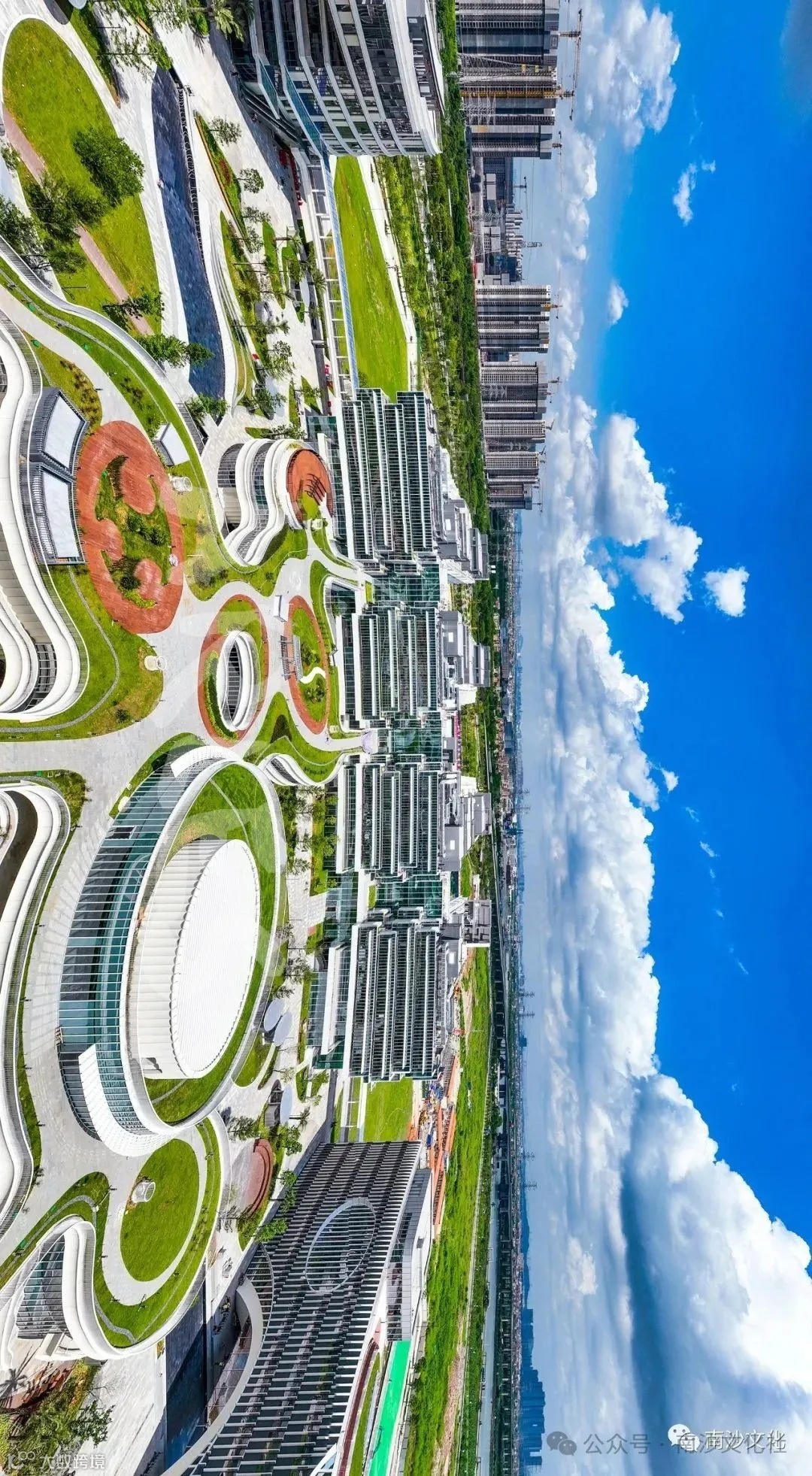
Dongchong Town has established a modern industrial system led by high-tech industries, supported by a robust梯队 of enterprises. As of 2024, the town is home to 8 unicorn enterprises, 10 national-level "little giant" enterprises specializing in niche sectors (ranking first in the district), 118 provincial-level specialized and innovative SMEs, and 292 high-tech enterprises, forming a powerful innovation cluster. To bolster this system, Dongchong is fully advancing the construction of 26 key industrial projects, including the SuGang Industry-University-Research Base, Xianglong 3D Printing, and Sun Hung Kai Complex, with a total investment of 22.6 billion yuan. It is also accelerating the development of high-end industrial platforms such as the Wanzhou Village Specialized and Innovative Industrial Park.
Dongchong's industrial development is deeply integrated into the regional strategic framework, forming a benchmark business circle and innovation engine centered around the Qingsheng Hub. As one of the three pioneer start-up zones under the Nansha Plan, the Qingsheng Hub has attracted 247 enterprises to establish operations. Leveraging the Hong Kong University of Science and Technology (Guangzhou), it is creating an "Innovation Zone Around HKUST(GZ)" to foster deep industry-university-research integration. Concurrently, Dongchong continues to enhance its service capabilities by integrating three economic task forces, assigning "service specialists" and displaying "service signage" for designated-scale enterprises. It has established a considerate service mechanism adhering to "no unwarranted interference, guaranteed assistance when needed," implemented an enterprise "whitelist," and adopted flexible enforcement, creating a first-class business environment.
While promoting high-quality industrial development, Dongchong is also shaping a distinctive名片 of integrated agricultural-cultural tourism. Its "Dongchong Fruit Sugarcane" has been recognized as a nationally renowned, special, and high-quality new agricultural product, and the town boasts 17 agricultural leading enterprises at various levels. In tourism, Dongchong has successfully developed themed routes such as the "Danjia Water Village Cultural Tour," "Study Tour," and "Camping Sightseeing Tour." It has nurtured popular consumption areas like the Jixiangwei–Water Town Folk Street cultural tourism district and the Shawan Waterway Riverside Camping Sightseeing Economic Belt. Particularly noteworthy is the establishment of the Dongchong Jewelry Art Museum, which has infused the water town with an aura of high art, becoming a new cultural tourism landmark. In the first three quarters of 2024, the town received approximately 279,000 tourist visits, demonstrating significant success in the cultural tourism economy.
Furthermore, Dongchong Town has optimized its agricultural spatial layout through comprehensive land consolidation, with its completion rate for rectifying "non-grain" land use ranking among the highest in the district. Rural transactions involving "Three Resources" (resources, assets, capital) are active, with a transaction value exceeding 50 million yuan, effectively strengthening the collective rural economy. This series of comprehensive measures in industry, innovation, cultural tourism, and rural governance collectively forms a solid pathway for Dongchong Town to achieve high-quality economic development.
Education Provision
Dongchong Town has established a comprehensive education system spanning multiple levels from preschool to higher education. At the preschool stage, it boasts several high-quality public kindergartens, including Dongchong Town Central Kindergarten (a Guangdong Provincial Level-One Kindergarten), its first branch, and Dongchong Town Dongyong Kindergarten (a Guangzhou Standardized Kindergarten). Compulsory education resources are abundant, with primary schools such as Dongchong First Primary School, Dongchong Seventh Primary School, Guantan Primary School, Shipai Primary School, Nanyong Primary School, Qingsheng Primary School, and Dongdao Primary School. Secondary education includes two key institutions: Dongchong Middle School and Yuwotou Middle School. Notably, the Hong Kong University of Science and Technology (Guangzhou), located at the Qingsheng Hub, brings top-tier higher education resources to Dongchong. This research-oriented university, dedicated to interdisciplinary and emerging fields, not only elevates the regional education landscape but also provides robust support for local talent development and industry-academia-research integration.
Healthcare Services
Dongchong Town's healthcare system is anchored by two public general hospitals—Dongyong Hospital and Yuwotou Hospital—which form a medical service network covering the entire area. Dongchong Hospital (also serving as the Dongchong Community Health Center), located on Peixian East Road, is a First-Class Grade A general hospital. Its key specialties include endocrinology, metabolism, and orthopedics, serving approximately 90,000 residents in the Dongchong area and overseeing 10 village health stations. Complementing it, Yuwotou Hospital (also the Yuwotou Community Health Center) on Shiyu Road is a designated medical insurance general hospital, focusing on internal medicine-pediatrics, chronic disease management for the elderly, and traditional Chinese medicine. Both institutions integrate medical treatment, prevention, and healthcare, with their community health centers fully responsible for public health services such as vaccination programs and health management for the elderly and chronic disease patients. Additionally, the town is equipped with grassroots medical stations like Guantan Village Health Station, Dongdao Community Health Service Station, and Nanyong Village Clinic, forming a well-structured hierarchical diagnosis and treatment system that effectively meets residents' basic medical and public health needs.
Infrastructure
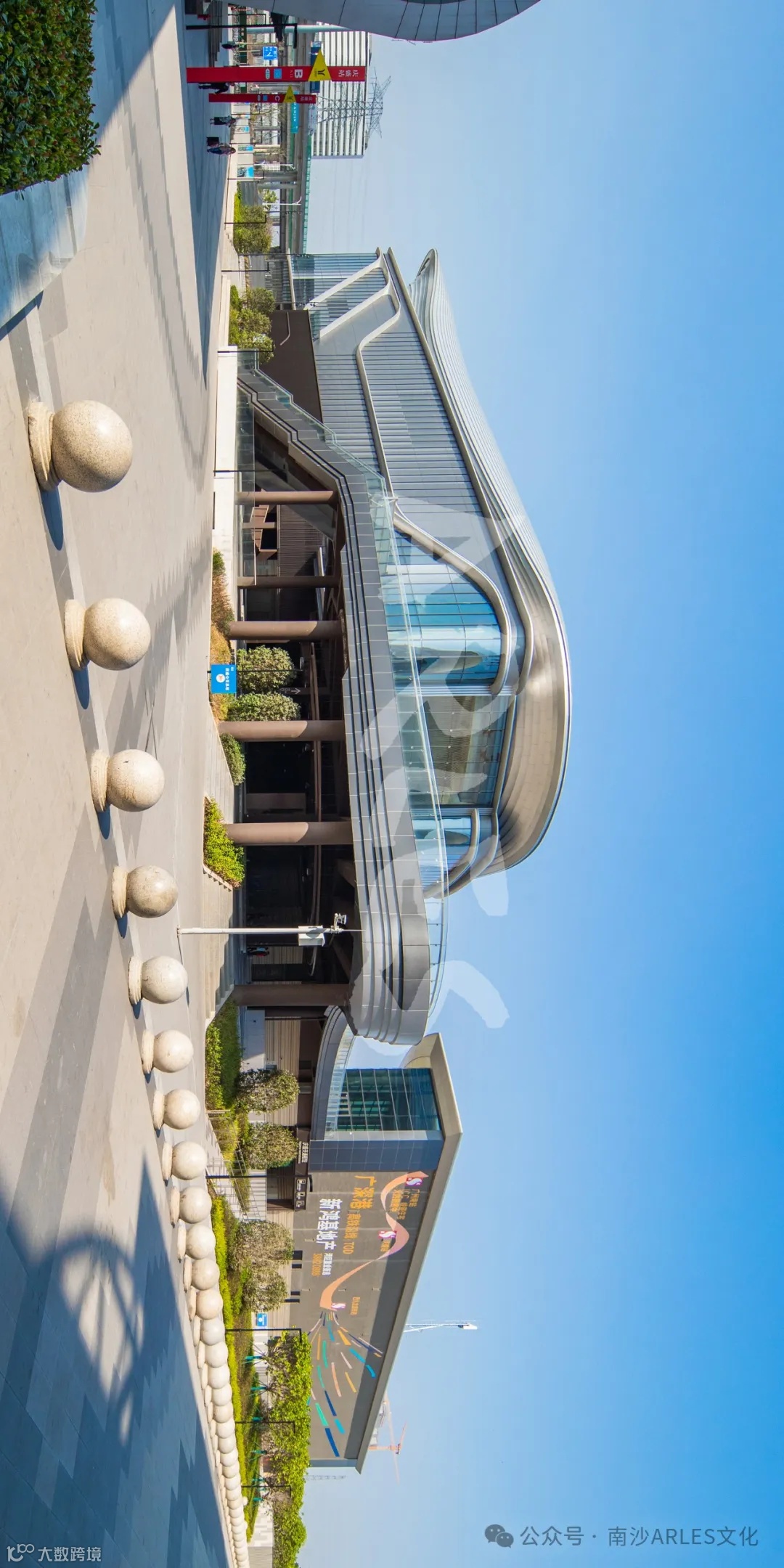
In terms of rail transit, the core of Dongchong Town's transportation is the Guangzhou Metro Line 4, which has two stations in the town: Dongchong Station and Qingsheng Station. Dongyong Station, operational since December 30, 2006, is an elevated station with three exits (A, B, and C) and operates approximately from 06:10 to 23:23. Qingsheng Station serves as a critical interchange hub, connecting not only to Metro Line 4 but also to the national high-speed rail network via the Guangzhou-Shenzhen-Hong Kong High-Speed Rail. Notably, since October 11, 2025, the original Qingsheng Station on the high-speed rail line has been officially renamed "Nansha North Station" to reinforce its role as a northern transportation hub in Nansha. From here, passengers can conveniently travel to Futian, Shenzhen (about 30 minutes) and Hong Kong West Kowloon (about 50 minutes). Regarding municipal roads, Liye Road in Dongchong Town, stretching about 920 meters from South Shinan Road in the south to Dongyong Avenue in the north, serves as an urban secondary arterial road. Concurrently, projects such as the Qingsha Road node of the Shinan Road Expressway Transformation (Phase I) have been scheduled, aiming to enhance the traffic efficiency of major roads.
Dongchong Town holds multiple distinguished titles including National Hygienic Town, National Key Town, National Livable Town, and is recognized as one of the Third Batch of National Development and Reform Pilot Towns. It is also designated as a Pearl River Delta Satellite Town. At the provincial level, it has been honored as a Guangdong Civilized Town, a Guangdong Education Strong Town, a Guangdong Famous Town, and is classified as a Guangzhou Major Town. In 2023, it was selected as one of the first batch of典型 towns under Guangdong Province's "Hundreds, Thousands, and Tens of Thousands Project", and in 2024, it was awarded the title of Guangdong Provincial Rural Revitalization Demonstration Town.
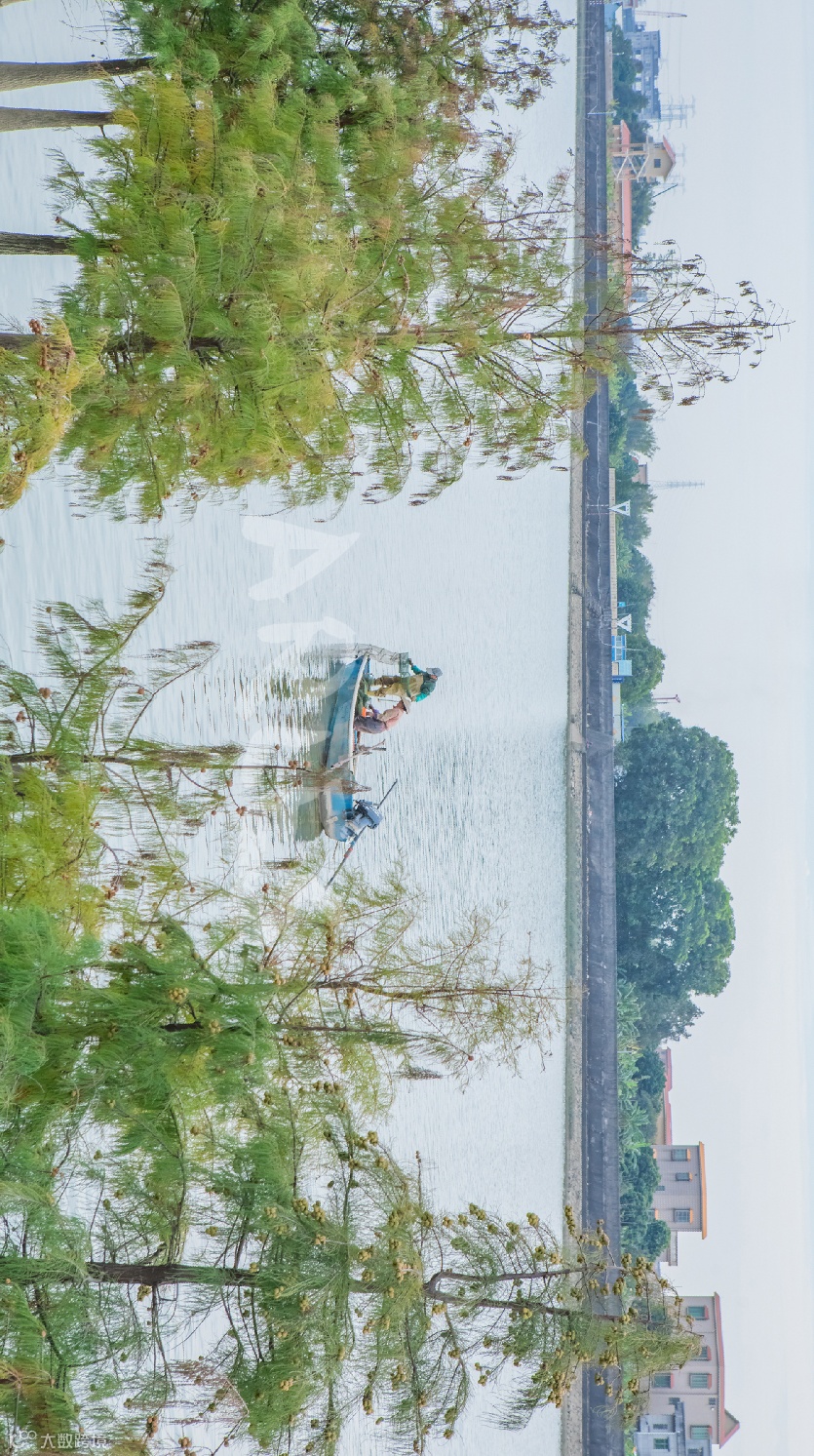
We invite you to discover Dongchong Town in Nansha.
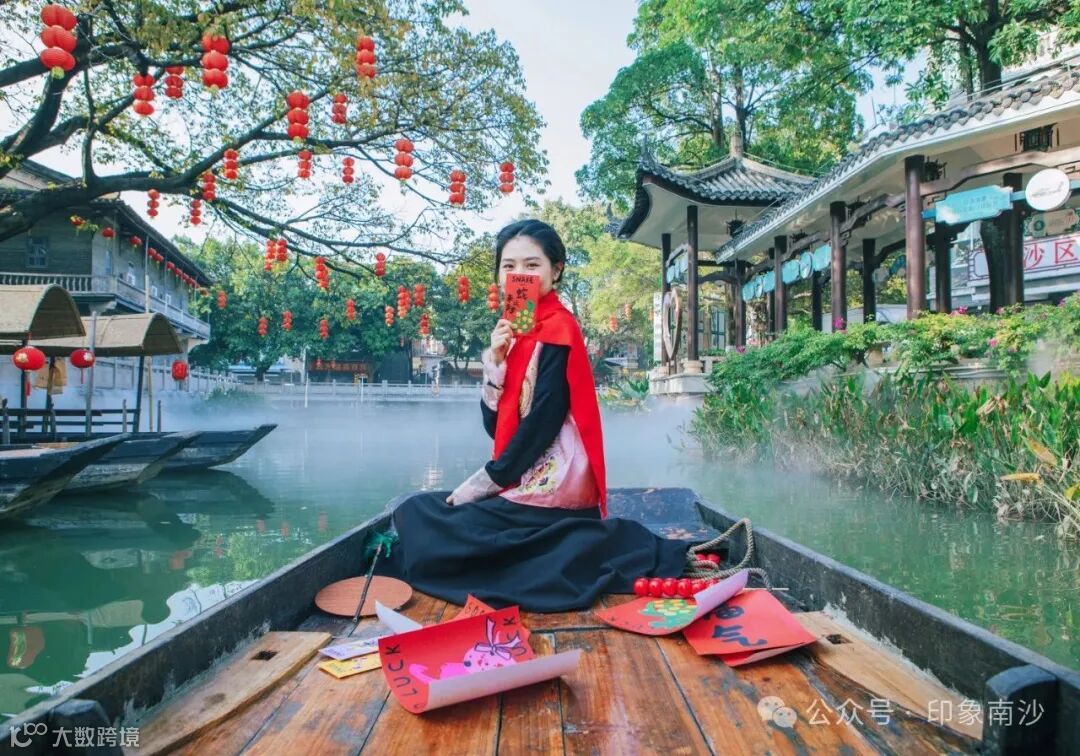
Produced By: Nansha Cultural Society
Editor: Xuan Wang
Photography: Xiaotie Chen
Model: The Nansha Maiden
Contact Us: 1399229194@qq.com