The First Step in Dyeing and Finishing: Preparation of Grey Yarn and Grey Fabric
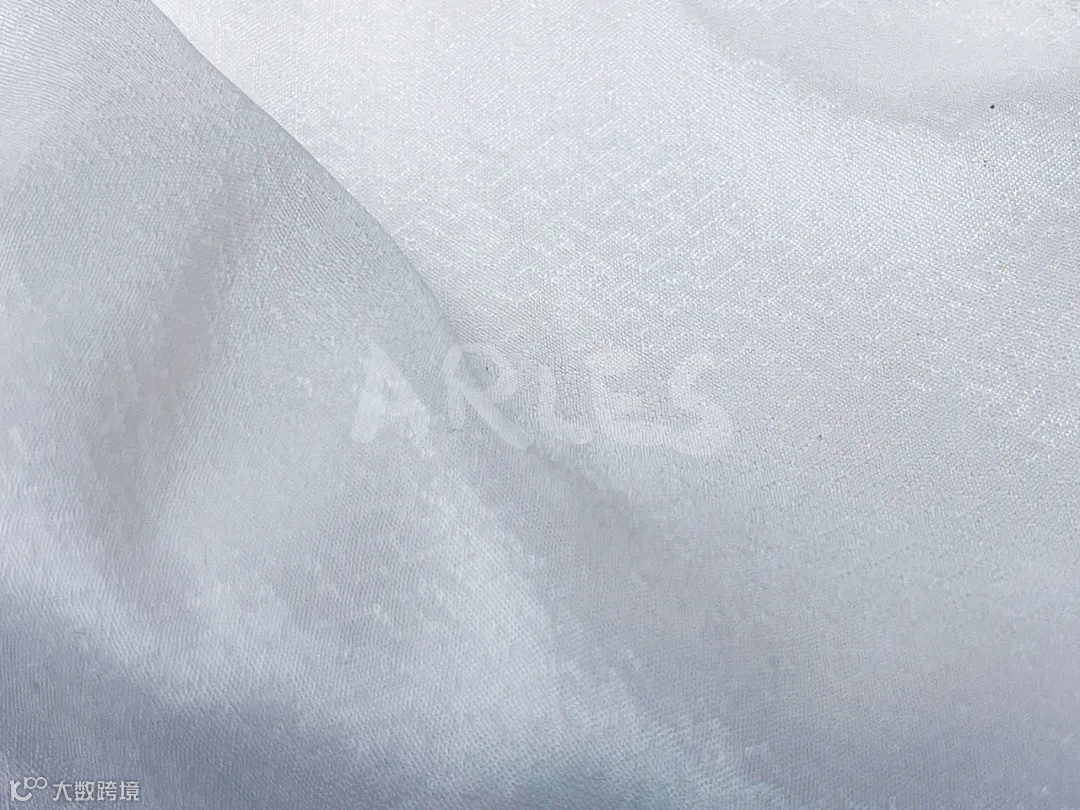
Liang yarn is a satin weave silk fabric produced using jacquard handlooms, while Liang silk is a plain weave silk fabric made on plain looms. Traditionally, "grey yarn" and "grey silk" are woven using 50/70D or 70/90D factory-spun silk, or even thicker small-mill native silk. The warp and weft threads are twisted and prepared accordingly before weaving, depending on the desired weight and thickness of the grey fabric.
Traditionally, grey fabrics are categorized by type into grey yarn and grey silk, and by weave structure into plain grey silk, small-patterned gauze for mosquito nets, and large-patterned cloud gauze. Typically, "grey yarn" was woven on handlooms until the 1970s, when collectively driven iron-wood silk looms were introduced. To prevent width shrinkage, water-sized weaving was commonly used.
By the 1980s, the sources of grey fabric for "Liang yarn" had significantly expanded in a broader sense. Fabrics such as "habotai," "fine patterned silk," or other types of grey silk could be used for Liang processing. However, due to the finer silk threads, tighter weave structure, and smooth surface of these fabrics, the Dioscorea cirrhosa juice could not fully penetrate and adhere to the fabric structure. As a result, the finished products were prone to "Liang peeling," which makes them incomparable to traditionally produced Liang yarn.
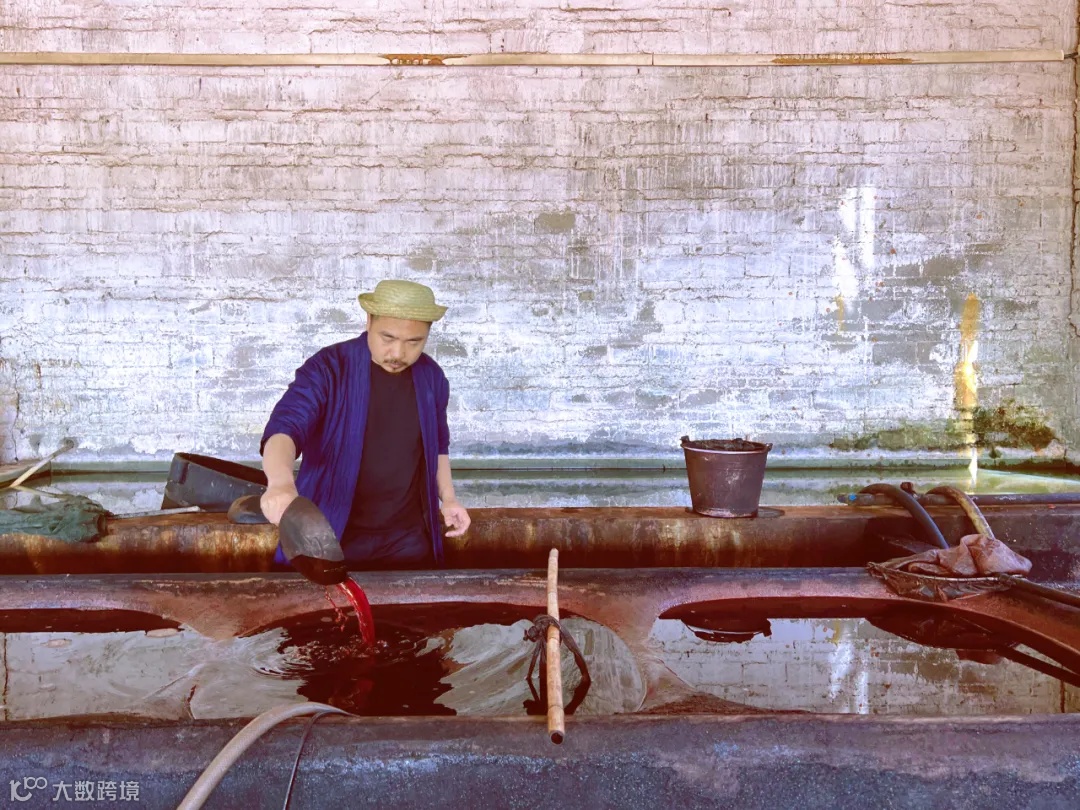
Typically, the grey fabric comes in full bolts, with each bolt measuring approximately 45 meters in length. To facilitate the sun-dyeing process, the full bolt of silk is first cut into segments of about 15 to 20 meters. Generally, a length of 18.5 meters is required for Liang yarn, as this makes it easier to handle during sun-dyeing. If the length is too short, it becomes inconvenient for garment cutting; if too long, it becomes difficult to operate and may result in uneven absorption of the Dioscorea cirrhosa juice in the next step. After cutting, the reverse side of the silk is stamped to avoid confusion between the front and back during sun-dyeing.
Both ends of the grey fabric are manually sewn with cotton rod slee
ves about 10 centimeters wide. These rod sleeves are generally made of low-grade, thick cotton products, and the stitching is done with multi-ply cotton thread. The stitch spacing should be around 2 centimeters and must not exceed 2.5 centimeters, as wider spacing may result in insecure stitching. A few extra stitches should be added near the edges of the silk to prevent the grey fabric from slipping off.
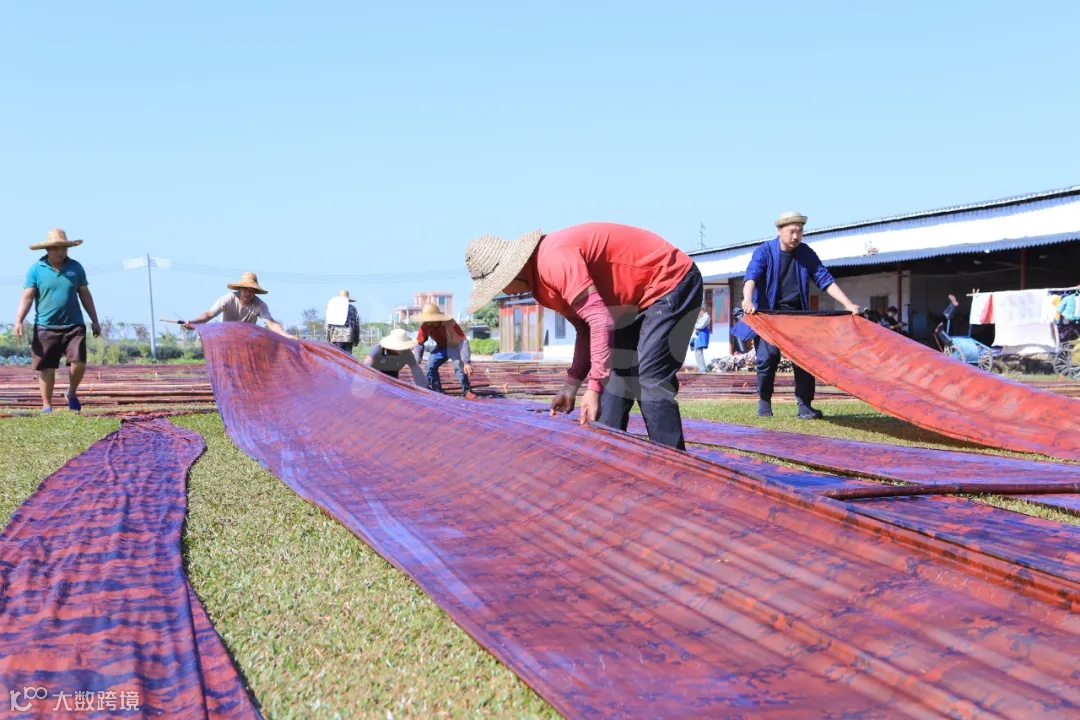
During the sun-dyeing process, to prevent the edges of the silk from curling and affecting the quality, tacking lines are sewn along both sides of the fabric. During the first round of sun-dyeing, the silk must be laid flat and stretched straight, with its position fixed using bamboo pins. The tacking lines are sewn with multi-ply cotton yarn (as long as it has sufficient strength), and the stitching must be symmetrical on both sides, with a spacing of 40 to 50 centimeters. Stitching should not exceed this distance (closer spacing increases labor time and material usage, while sparser stitching may cause the edges to curl). The tacking lines should be sewn 0.5 centimeters from the edge of the silk. If stitched too deep, the needle may puncture the silk surface; if too shallow, the thread may easily break. During sun-dyeing, the tacking lines can be looped over bamboo pins that have been driven into the grass according to the required fabric width, ensuring the silk lies flat, smooth, and evenly spread on the grass.
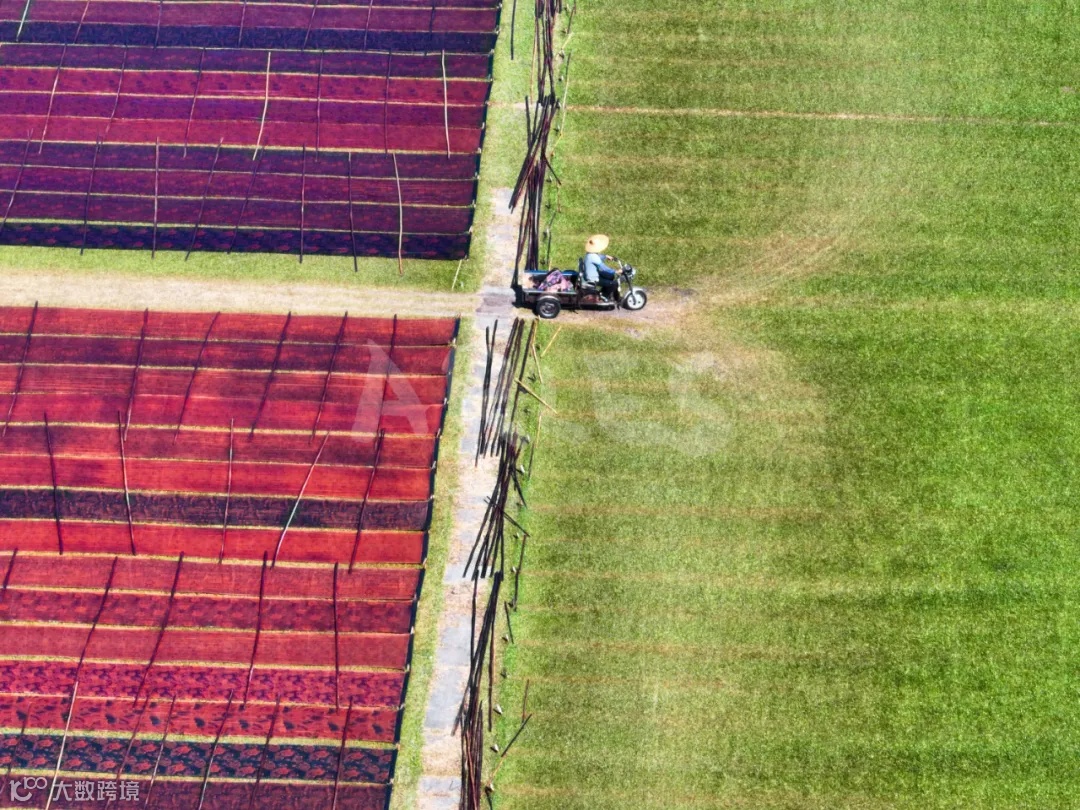
Before the 1940s:
Most sun-dyeing workshops primarily produced Liangsha (gauze), with very little production of Liangchou (silk). Due to the porous and relatively loose structure of gauze, repeated warp-direction stretching during sun-dyeing could easily cause breakage. To prevent this, reduce shrinkage of the pores, and balance the tension between warp and weft, tacking lines had to be pinned during the six rounds of liquid sprinkling when laying the gauze on the ground. Later, when denser and thicker plain silk was used for sun-dyeing, this step was mostly omitted. This also indicates that the production of gauze was more challenging than that of plain silk.
Bamboo Poles:
Thin bamboo poles with diameters of 3–4 cm were generally used, cut slightly longer than the width of the fabric. These rod sleeves and bamboo poles were mostly reusable until worn out. Over time, the bamboo poles in sun-dyeing fields, stained by repeated exposure to Dioscorea cirrhosa juice, took on a dark brown hue, carrying a unique vintage charm imbued with years of sun-dyeing history.
Pre-Dyeing Treatment:
To facilitate dyeing, some silk fabrics underwent boiling—a process of using warm water to remove trace amounts of sericin and impurities adhering to the silk. It is important to note that iron pots, or any containers containing iron, were strictly prohibited for this process. If iron ions adhered to the silk, they would react chemically with the Dioscorea cirrhosa juice. Therefore, sun-dyeing workshops typically used large pots cast from pure copper, with diameters of approximately 1.2–1.5 meters, installed next to the machines extracting Dioscorea cirrhosa juice.

NALANGE CHRONICLES
Editor-in-Chief: Wang Xuan
Photographer: Xiao Tie
Calligrapher: Zhi Ming
Costumes: WURAY MIRACLE, YUNSHA STAR RHYME
Dedicated to promoting Xiangyunsha silk as China’s intangible cultural heritage.
Email: 1399229194@qq.com