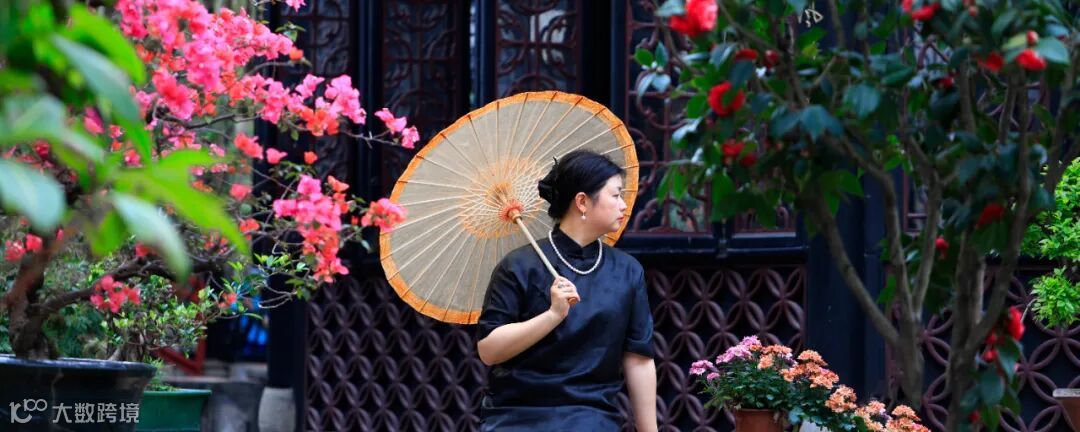
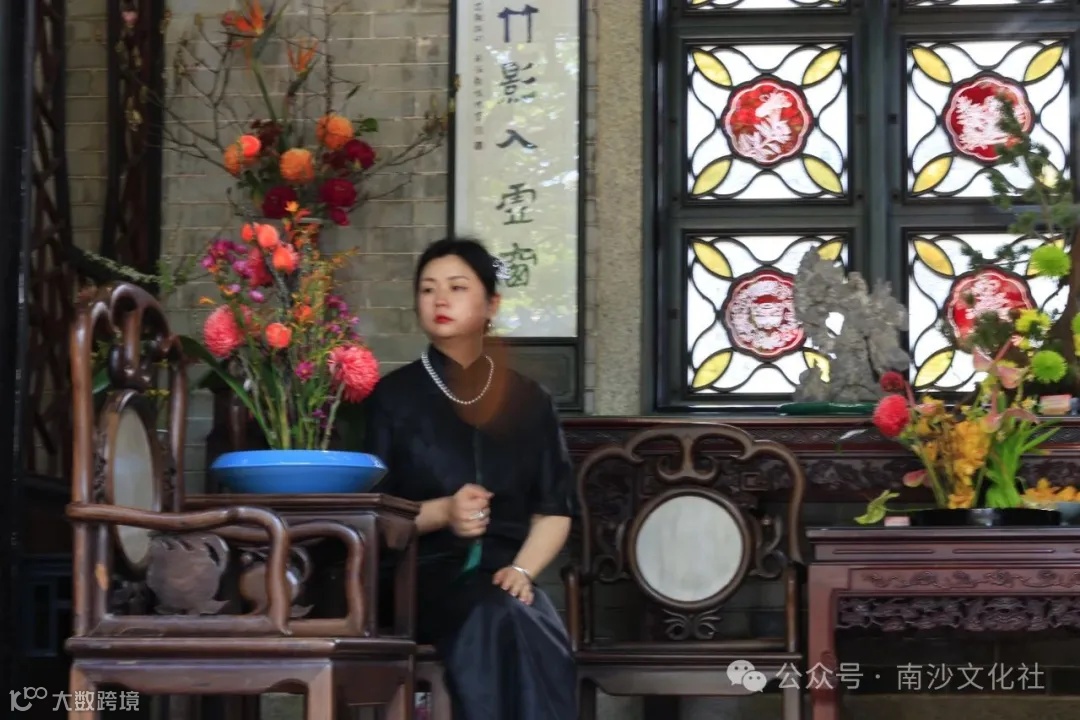
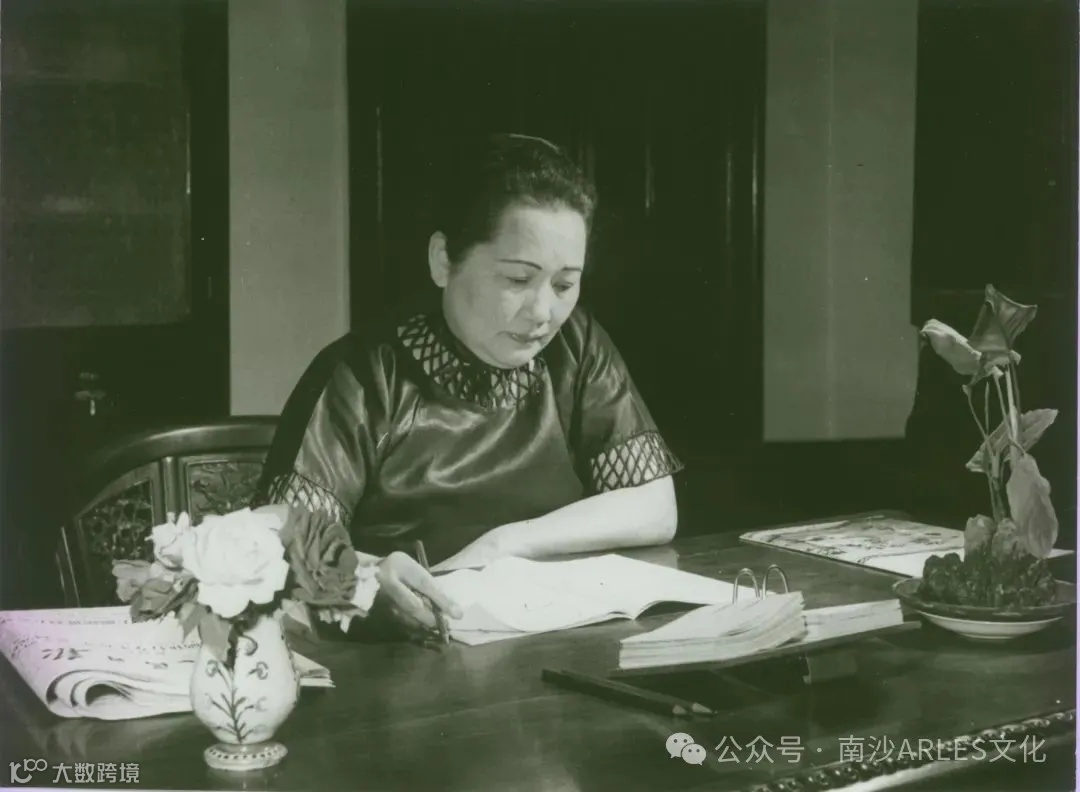
▲Soong Ching-ling in Xiangyunsha
An old garment, half a chronicle of Republican-era elegance.
Soong Ching-ling’s reverence for Xiangyunsha is embodied in a black, short-sleeved cheongsam with a standing collar. This hand-sewn Xiangyunsha cheongsam accompanied her for decades. In her later years, as her figure changed, she even instructed her maid to add panels on both sides to widen it rather than abandon it.
In the display case of her former residence in Shanghai, this repeatedly altered cheongsam still bears the stitches of time, standing as a testament to her cherishing of belongings. In 1979, when a tailor mistakenly cut the pockets in the wrong direction while making her a pair of Xiangyunsha trousers, she simply used leftover fabric to fix them herself without a word of reproach. This devotion to renewing old garments stemmed from the unique qualities of Xiangyunsha: its natural dyeing with dioscorea gives the fabric antibacterial, breathable properties, and it grows softer with wear—qualities especially suited to her life in southern Guangzhou.
Soong Ching-ling wore Xiangyunsha cheongsams, which embodied a spirit of strength balanced with grace, on official occasions and even gifted them to international friends such as Polly Foster as symbols of Chinese culture. The socialites of her time prized the fabric’s subtle opulence, with its two sides of different hues—one jet-black, the other a rustic reddish-brown—and the soft rustling sound it made when worn (its original name, “xiangyunsha,” means “rustling silk”), as if each step carried an inherent elegance.
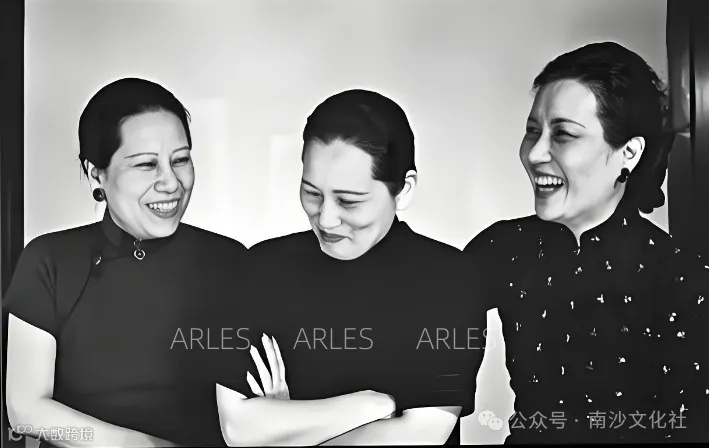
The aristocratic essence of Xiangyunsha is first rooted in its ultimate practicality: its plant-based dyeing process grants it natural antibacterial and UV-resistant properties, and it dries almost instantly upon contact with water—truly a “battle armor for humid climates.” During the Ming and Qing dynasties, a single bolt of Xiangyunsha was worth twelve taels of silver (roughly equivalent to the price of 1.5 acres of land), and wearing it instantly signaled a family’s deep heritage. Yet what makes it most compelling is the philosophy shaped by time: as the fabric is worn, its jet-black surface gradually fades to reveal a warm, earthy undertone beneath, growing more lustrous with age—making it a “wearable heirloom.”
Soong Ching-ling’s practice of renewing old garments embodied this very aesthetic of “coexisting with time.” Xiangyunsha does not fear the passage of years; rather, it is elevated by it, much like the faith and grace she upheld throughout her life. Today, that legendary cheongsam rests quietly in her former residence at No. 1843 Huaihai Middle Road in Shanghai. The mesh openwork design at the shoulders still speaks to the ingenuity and cool comfort of its original craftsmanship.
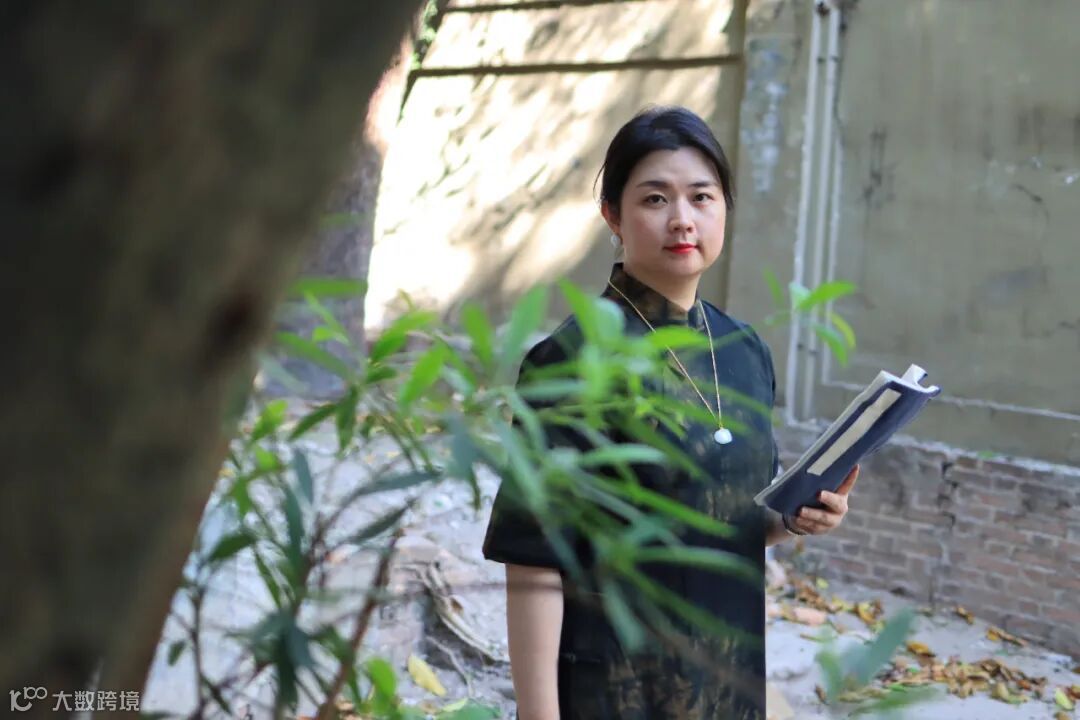
NALANGE CHRONICLES
Editor-in-Chief: Wang Xuan
Photographer: Xiao Tie
Calligrapher: Zhi Ming
Costumes: WURAY MIRACLE, YUNSHA STAR RHYME
Dedicated to promoting Xiangyunsha silk as China’s intangible cultural heritage.
Email: 1399229194@qq.com