Xiangyun Sha, originally known as "Liang Sha", specifically referred to a silk gauze (a lightweight, open-work fabric woven with the leno jacquard technique, commonly called "twisted-eye openwork") patterned with designs such as swastika motifs, victory flowers, walnut patterns, or checkboards. The gauze was then processed through sun-dyeing (a unique dyeing and finishing technique for Xiangyun Sha). Later, its meaning expanded to become the general term for "Liang Sha Chou", which encompasses both the open-work Liang gauze (Sha) and the plain-weave Liang satin (Chou). It is important to note that Liang Sha and Liang Chou are entirely different in terms of their weaving techniques.
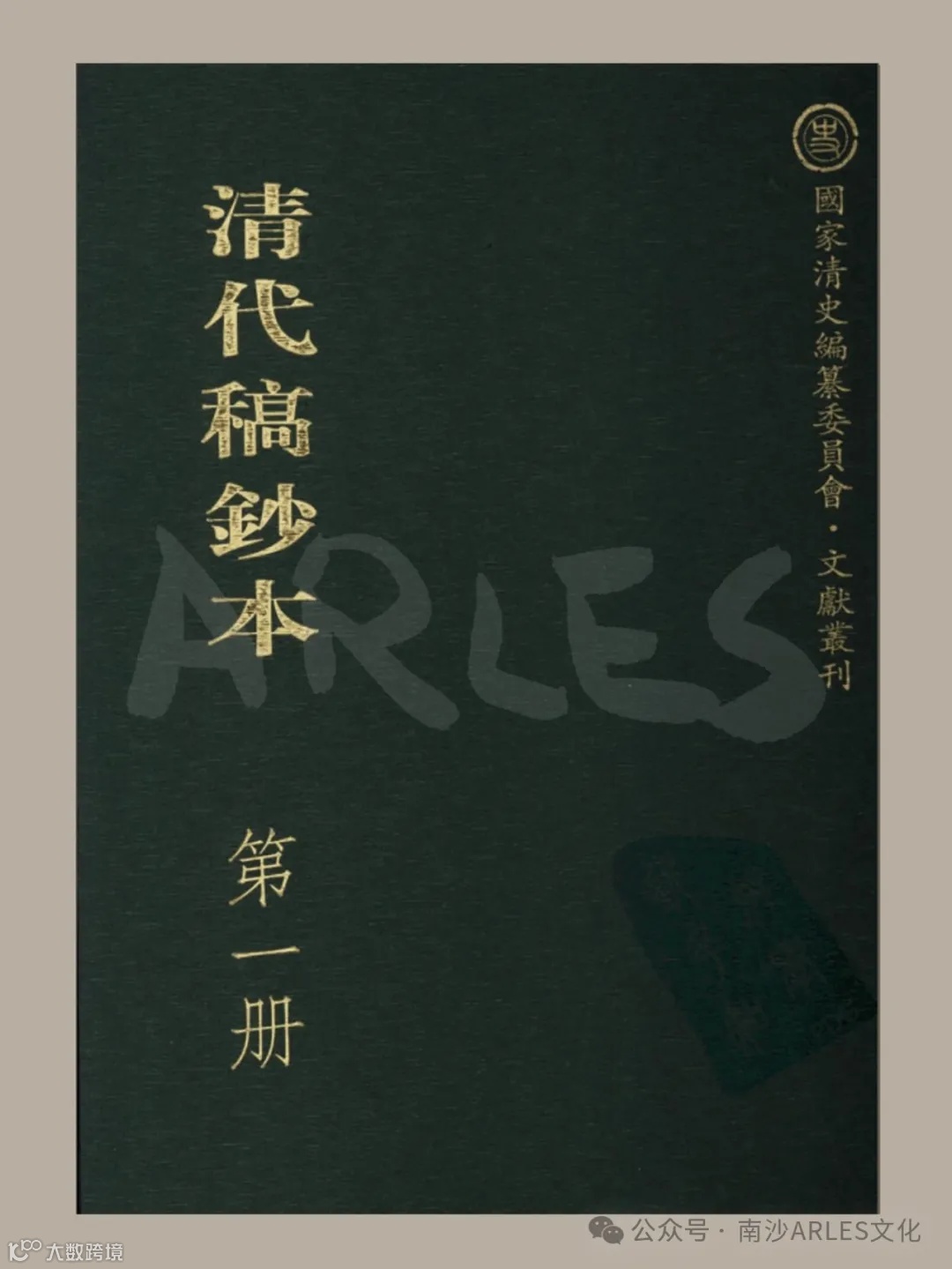
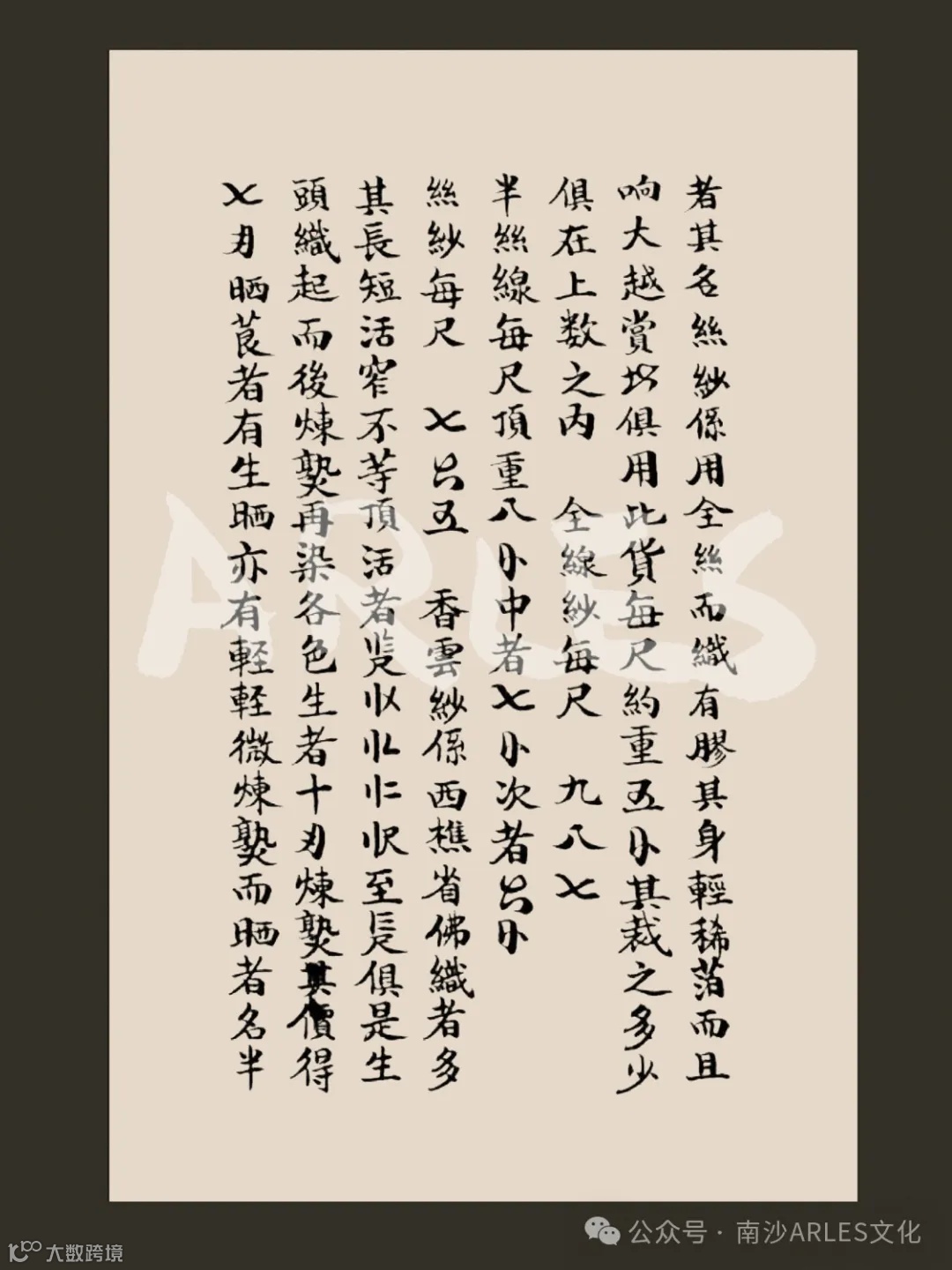
According to historical documents,
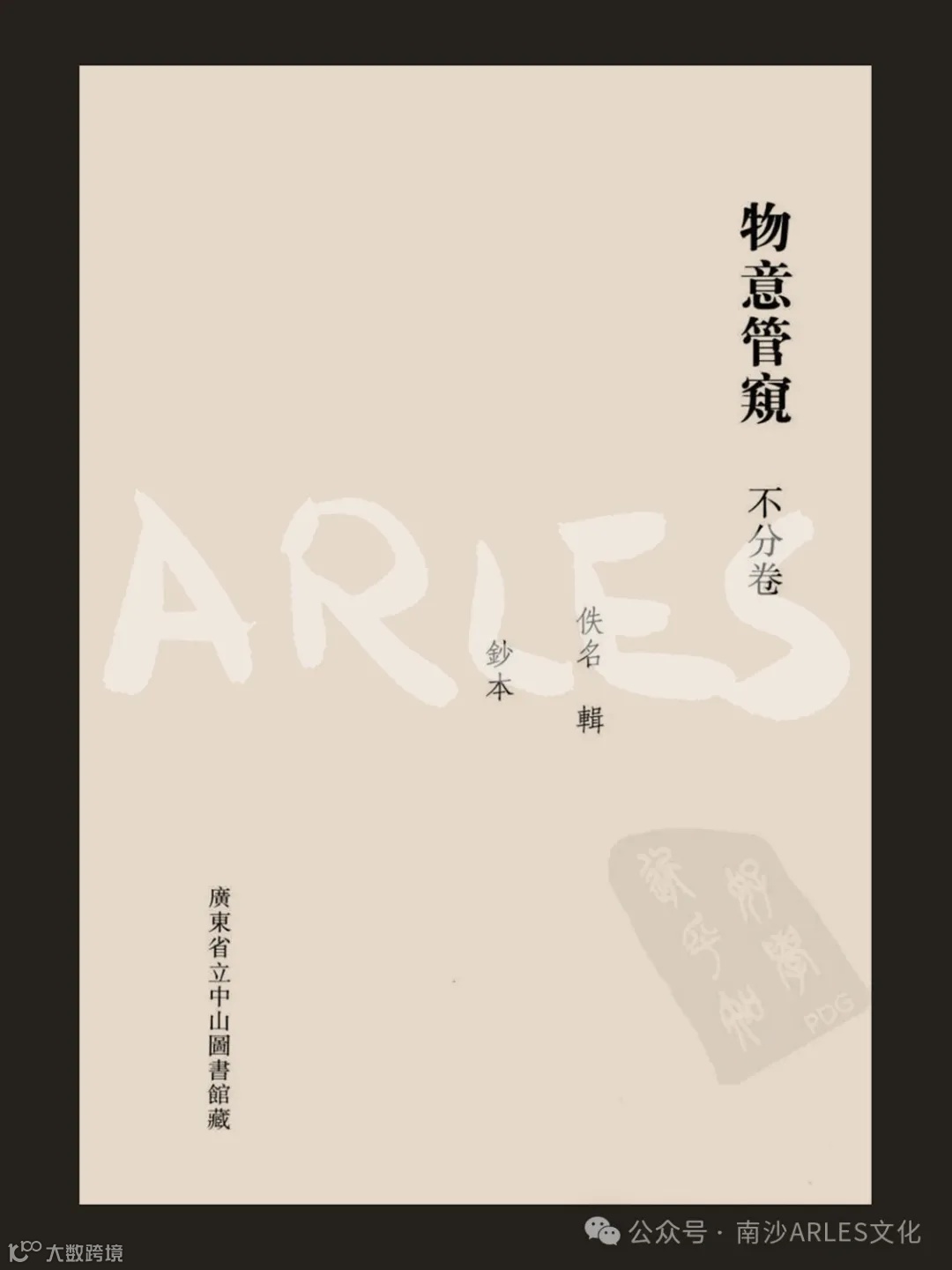
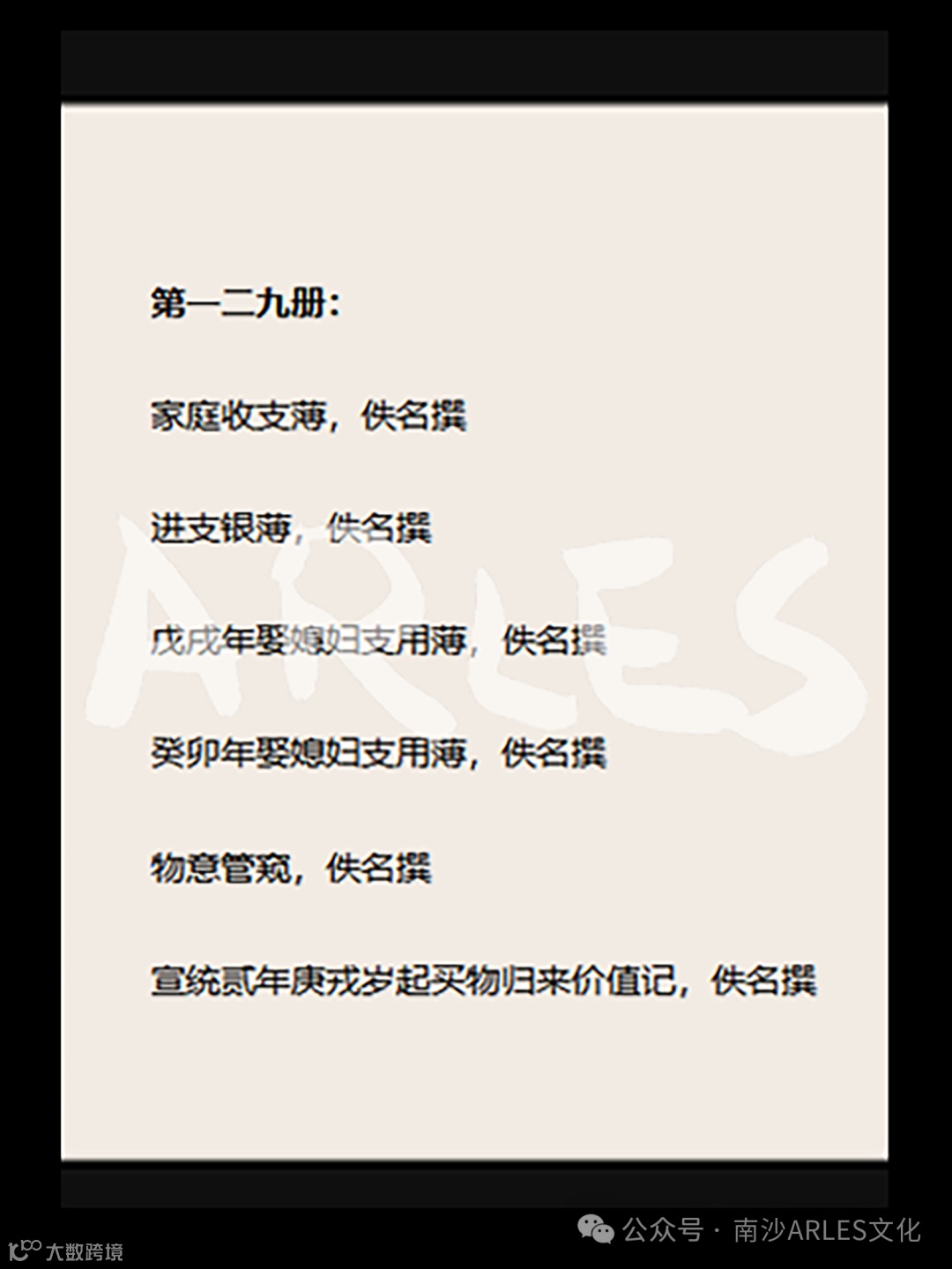
in the Third Compilation of Qing Dynasty Manuscripts from 1868,
the section titled Glimpses into the Nature of Things
contains a record of Xiangyunsha (gambiered Guangdong silk) as shown in the figure below.
NALANGE CHRONICLES
Editor-in-Chief: Wang Xuan
Photographer: Xiao Tie
Calligrapher: Zhi Ming
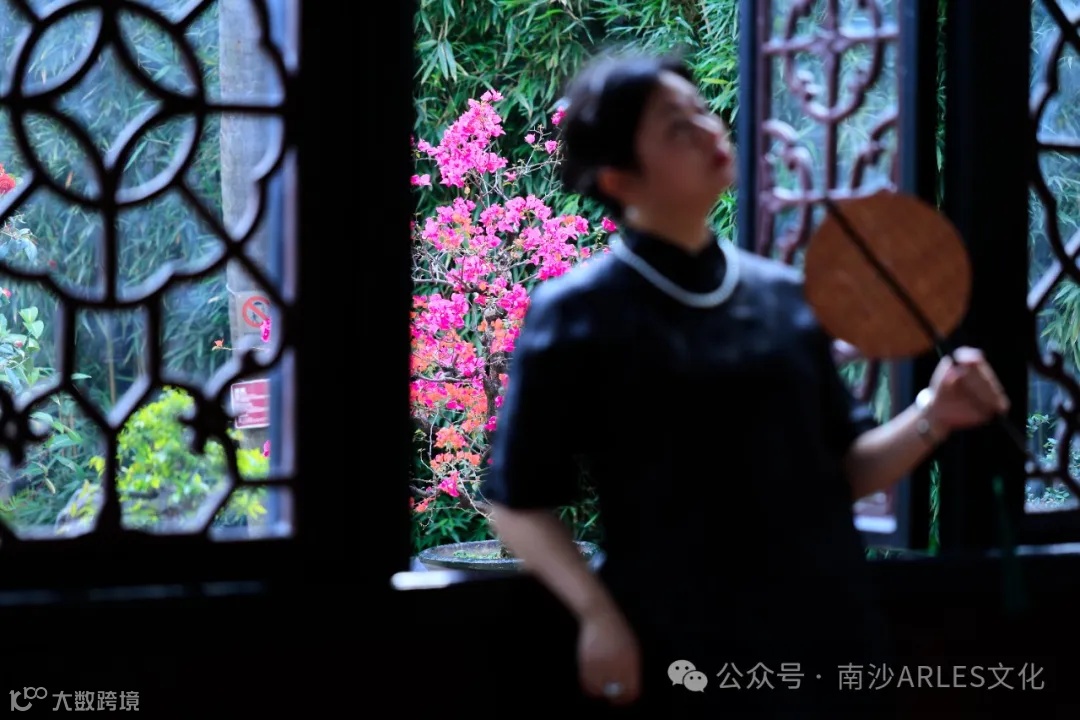
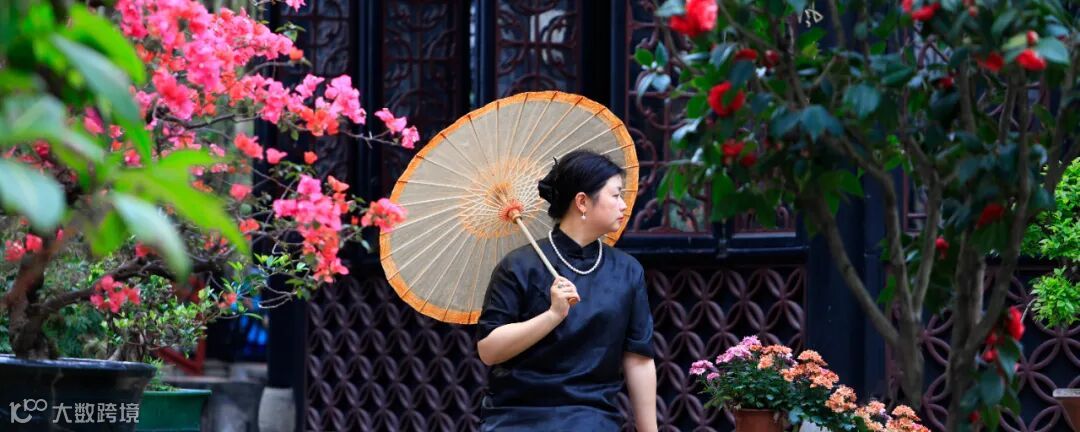
Costumes: WURAY MIRACLE, YUNSHA STAR RHYME
Dedicated to promoting Xiangyunsha silk as China’s intangible cultural heritage.