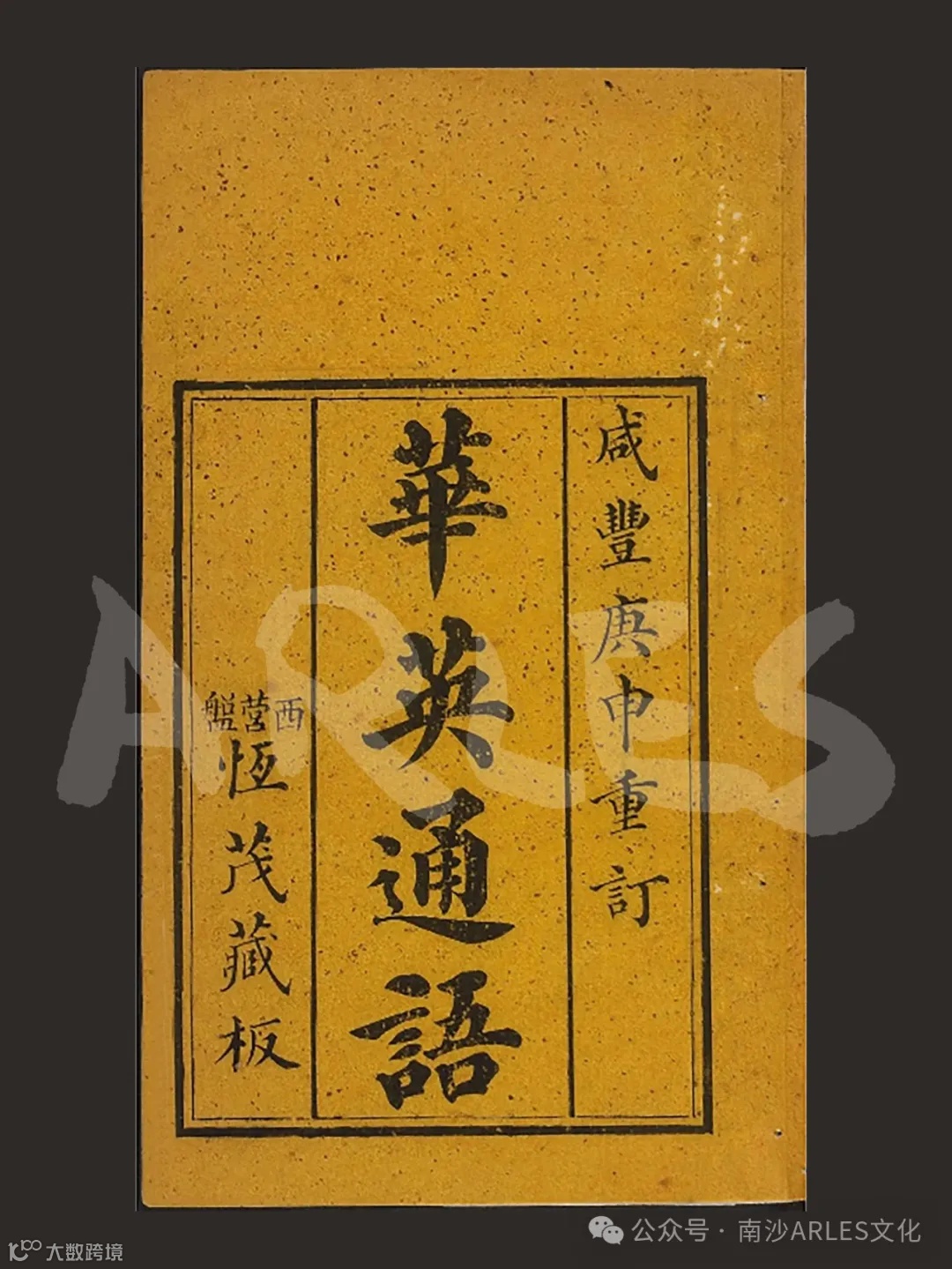
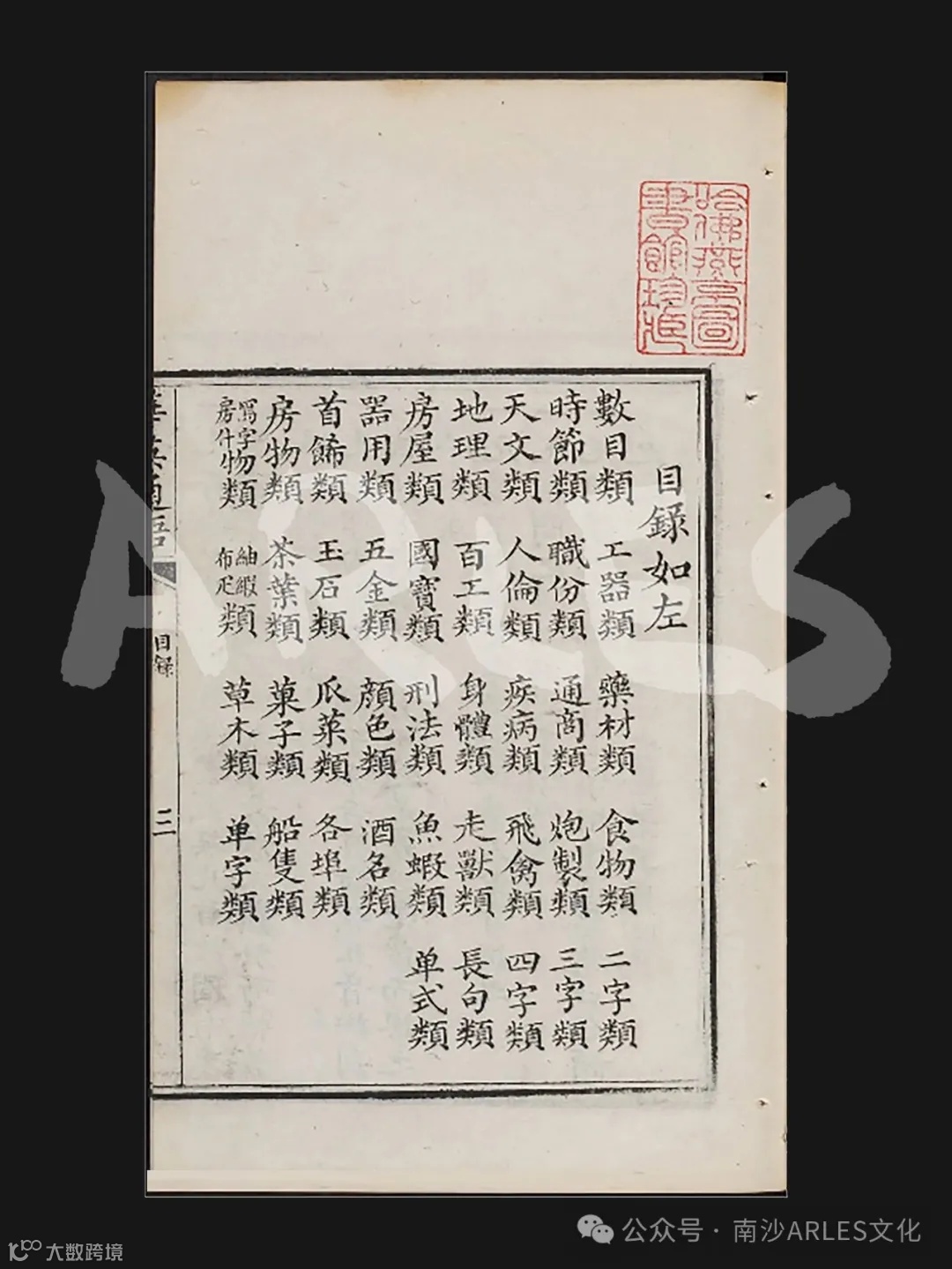
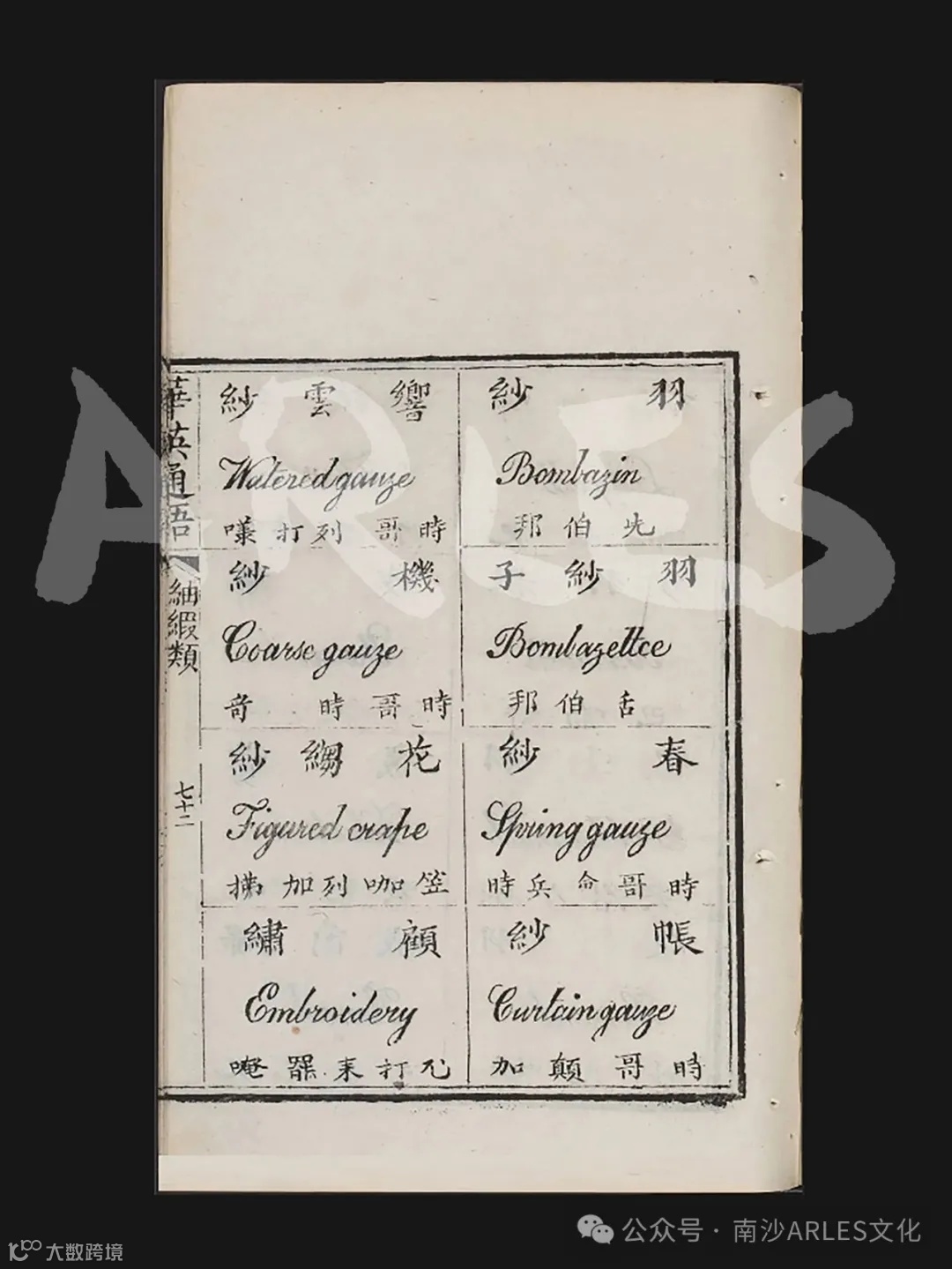
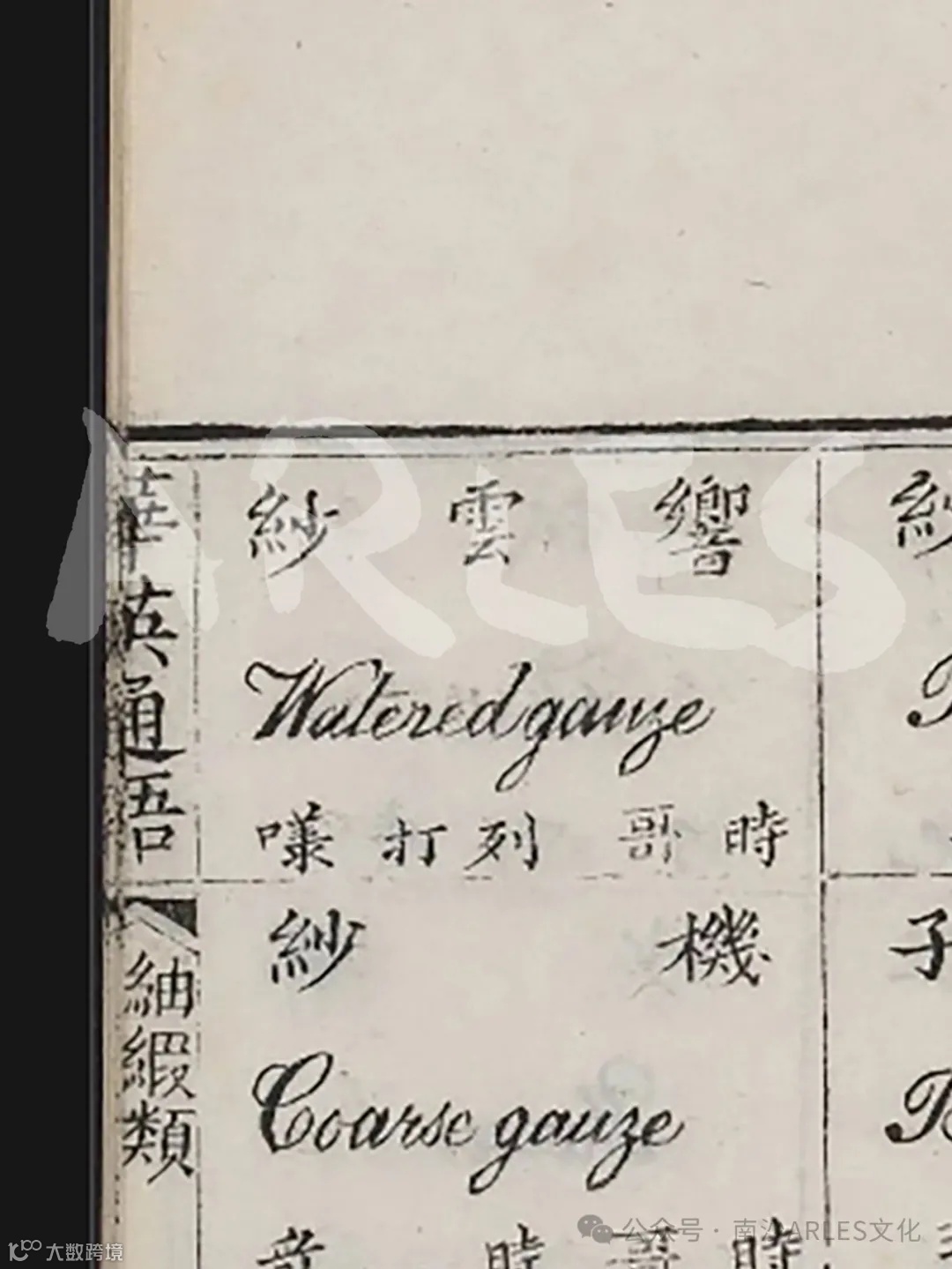
The 1860 publication "Chinese-English Dictionary of the Common Language" records "Gambiered Guangdong Silk" (Xiangyunsha), confirming its authentic existence and providing extremely valuable early documentary evidence for the history of this fabric.
Let's delve into a detailed interpretation of this information and gain a deeper understanding of Gambiered Guangdong Silk.
The "Chinese-English Dictionary of the Common Language" and its Record of Gambiered Guangdong Silk
What is the "Chinese-English Dictionary of the Common Language"?
This was a popular Chinese-English bilingual dictionary/conversation guide in coastal areas of China, particularly Guangzhou and Hong Kong, during the mid-to-late 19th century.
Its primary purpose was to assist Chinese merchants, interpreters, and others interacting with foreigners in learning English, while also helping foreigners learn some basic Chinese.
The vocabulary included in the book consisted mostly of common business and everyday terms, possessing strong characteristics of its era and region.
Significance of the Record:
1.Concrete Historical Evidence: This document proves that the name "Gambiered Guangdong Silk" was already established and in common use at least by 1860. It firmly anchors the fabric's documented history to over 160 years ago.
2.Status as a Trade Commodity: Its inclusion in a book like the "Chinese-English Dictionary of the Common Language" indicates that Gambiered Guangdong Silk was a notable and representative commodity in foreign trade or exchange at the time. Foreigners needed to know the term, and Chinese needed to know how to refer to it when speaking with foreigners.
2.Corroboration of Origin: The book was primarily circulated in the Guangzhou area, which aligns with the later universally acknowledged core production region of Gambiered Guangdong Silk – Shunde, Foshan, Guangdong (formerly part of Guangzhou Prefecture) – thereby corroborating its origin.
What is Gambiered Guangdong Silk?
Based on the record in the "Chinese-English Dictionary of the Common Language," we can more comprehensively understand this precious textile:
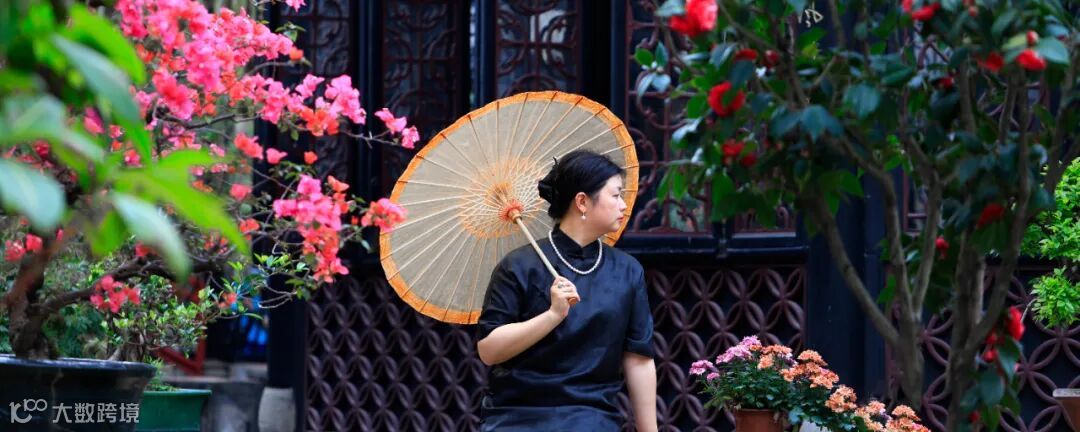
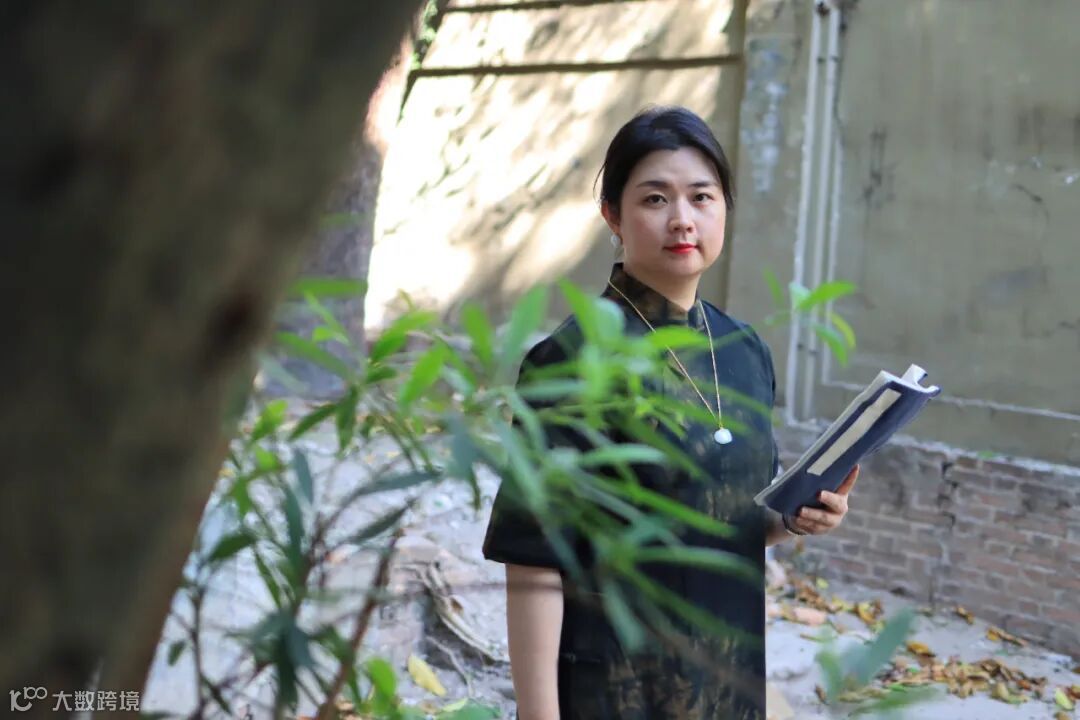
1.Nature: It is an ancient handmade technique involving the repeated dyeing of mulberry silk fabric with the juice of the Shuliang (Diospyros mollis) plant, followed by sun-drying covered with the unique river mud from the Pearl River Delta region. The entire process is entirely natural and manual.
2.Characteristics:
Appearance: Lustrous blackish-brown color with a characteristic crackled texture.
Feel: Cool and breathable to wear, lightweight and wrinkle-resistant, dries quickly when wet.
Durability: Becomes softer with washing and more comfortable with wear, developing a unique vintage patina over time.
3.Origin of the Name "Xiangyunsha": Gambiered Guangdong Silk was initially called "Xiangyunsha" (响云纱, meaning "Rustling Cloud Gauze") because the fabric made a rustling sound when walking. Later, due to homophony and its soft, cloud-like texture, the name evolved into the more elegant "Xiangyunsha" (香云纱, meaning "Fragrant Cloud Gauze").
4.Reputation: Hailed as "Soft Gold" in the world of textiles, referring both to its high price and its unique value and status.
5.Intangible Cultural Heritage Status: In 2008, the "Gambiered Canton Silk Weaving and Dyeing Technique" was inscribed on China's National List of Intangible Cultural Heritage.
Conclusion
The record in the 1860 "Chinese-English Dictionary of the Common Language" is a crucial coordinate point in the history of Gambiered Guangdong Silk. It is far more than just the inclusion of a term; it is clear evidence that this treasure of the Lingnan region was already renowned and involved in Sino-foreign trade as early as the 19th century. This document elevated the illustrious history of Gambiered Guangdong Silk from oral tradition to a documented level, enriching its cultural significance.
Today, Gambiered Guangdong Silk remains a symbol of high-end fashion and traditional culture, and its story was already recorded over 160 years ago within the pages of that small but significant book, the "Chinese-English Dictionary of the Common Language."
NALANGE CHRONICLES
Editor-in-Chief: Wang Xuan
Photographer: Xiao Tie
Calligrapher: Zhi Ming
Costumes: WURAY MIRACLE, YUNSHA STAR RHYME
Dedicated to promoting Xiangyunsha silk as China’s intangible cultural heritage.
Email: 1399229194@qq.com